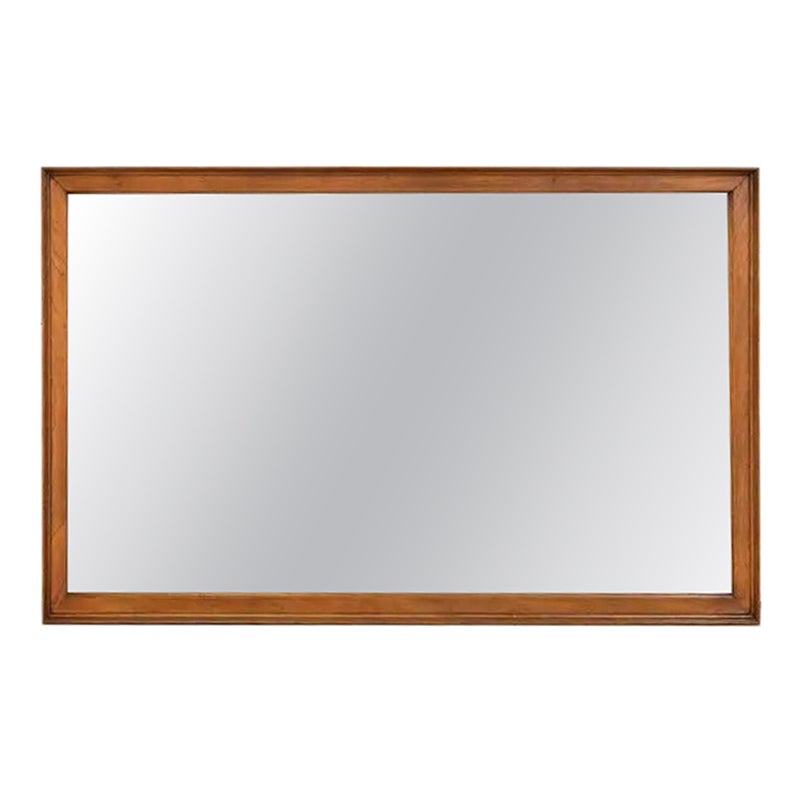
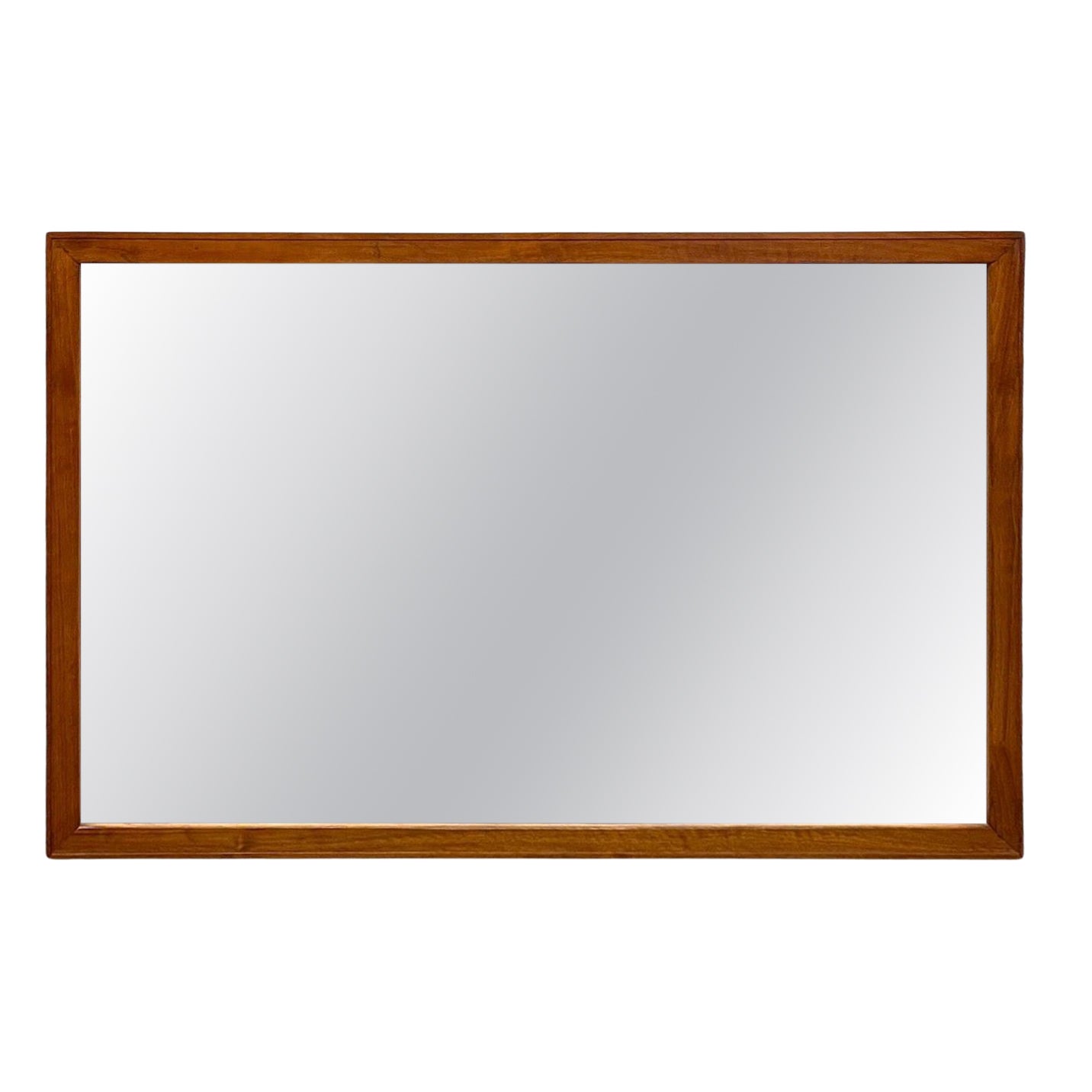
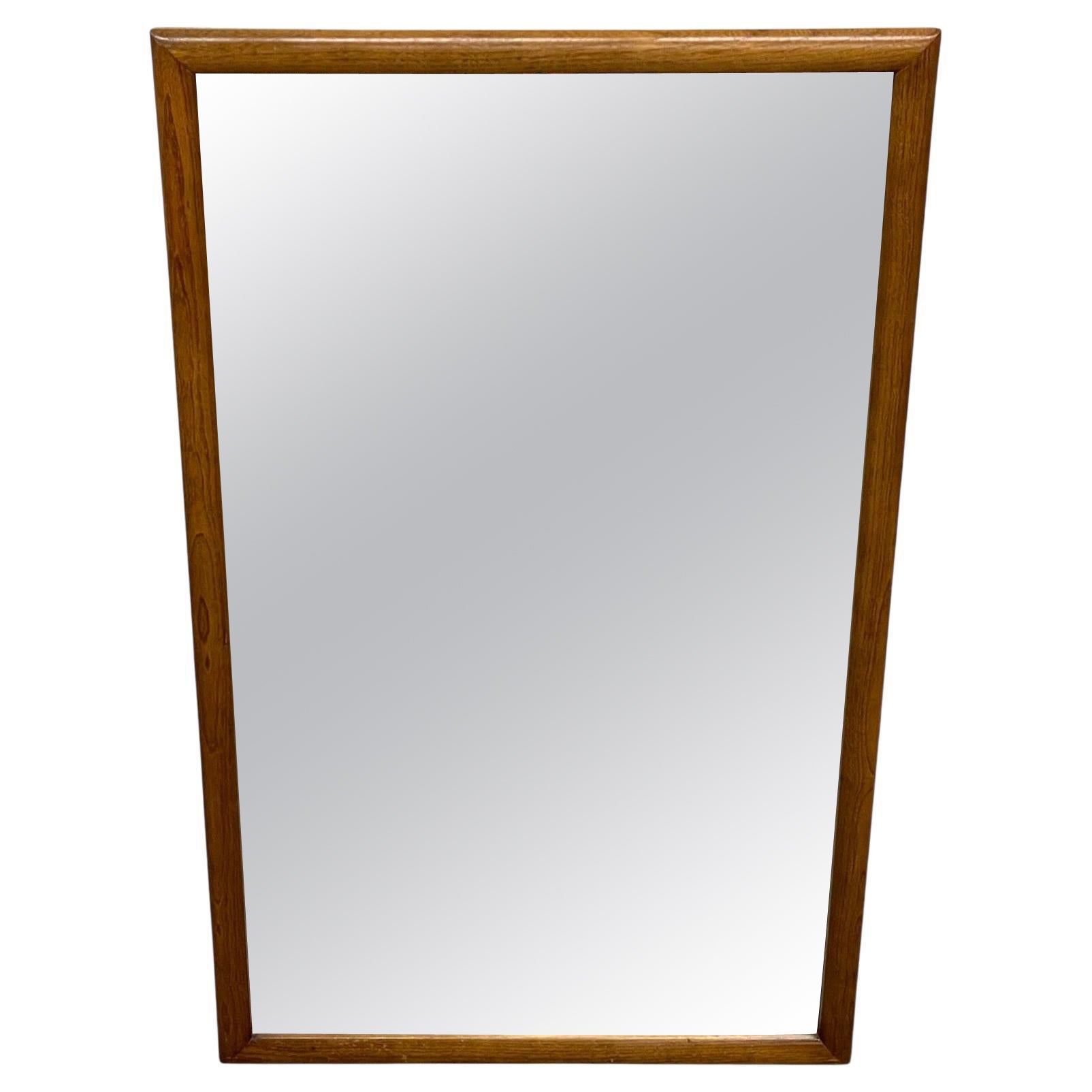
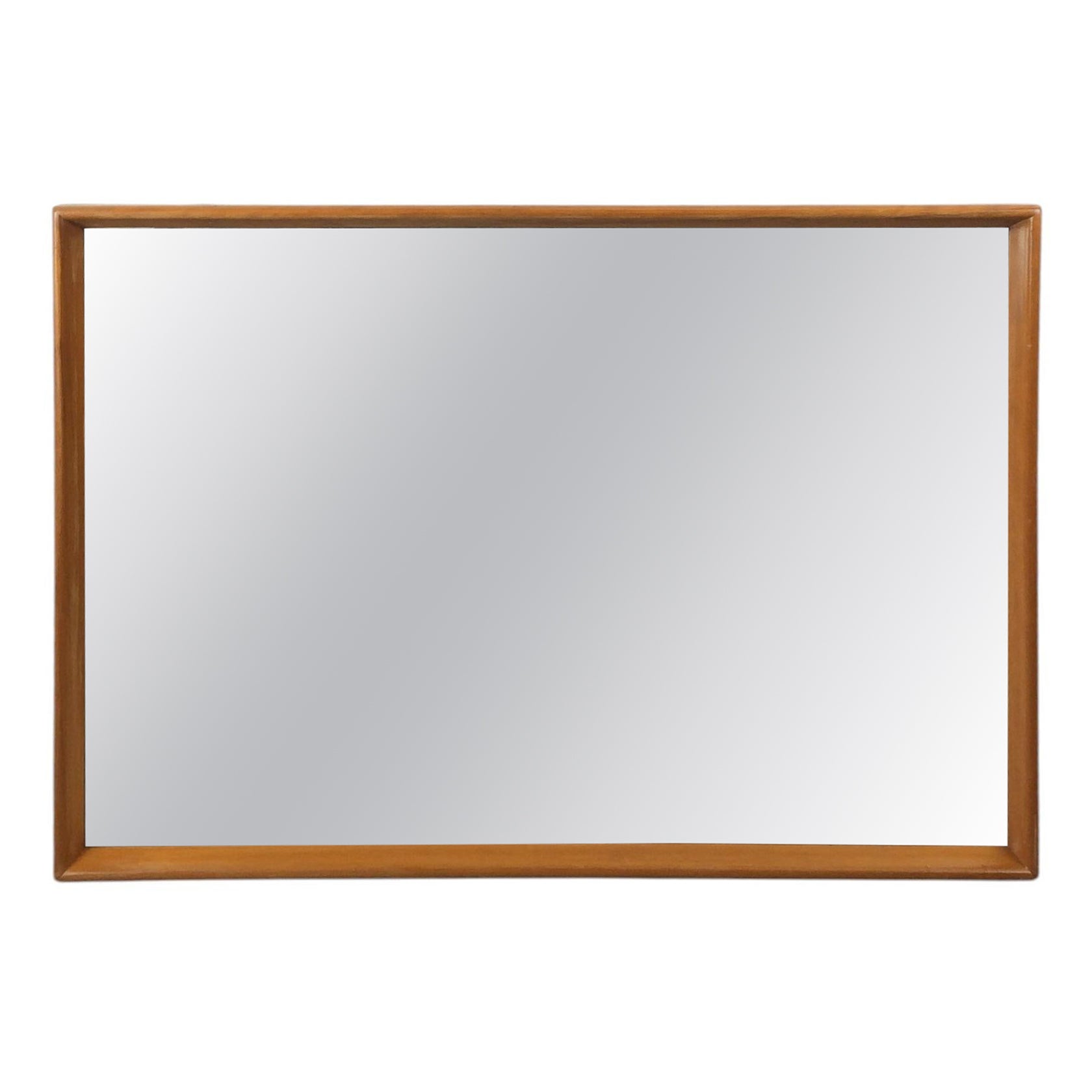
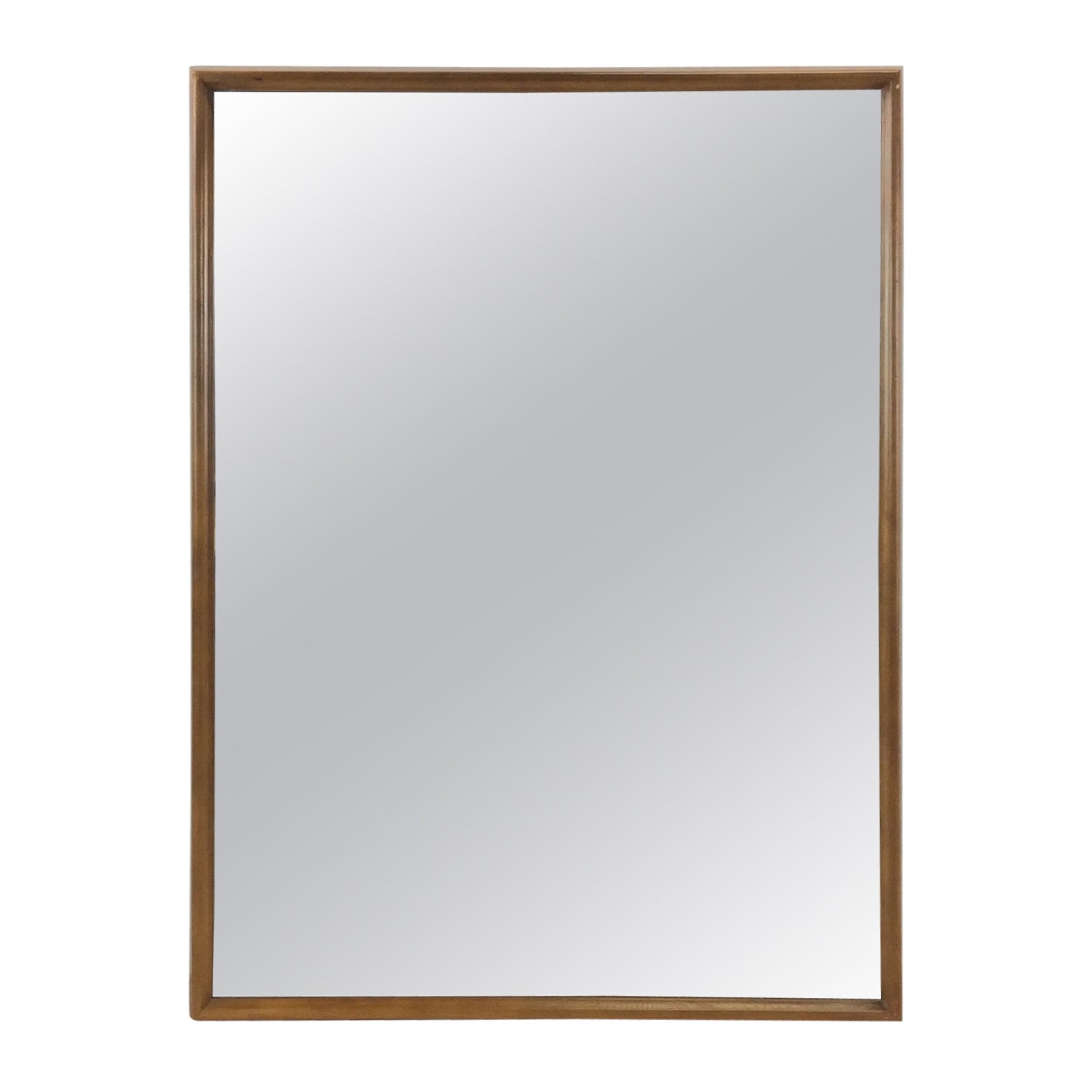

Modern Blackened Oak Square Wall Mirror, USA, Circa 2000
Located in Chicago, IL
Square wall mirror framed in blackened oak, USA, circa 2000. Frame is 1/2".
Category
21st Century and Contemporary American Modern Wall Mirrors
Materials
Oak
British-born designer, interior decorator and author T.H. Robsjohn-Gibbings was one of the great American tastemakers in the middle decades of the 20th century. Much like Edward Wormley, Robsjohn-Gibbings was a design classicist by education and inclination, but he would come to create some of the most gracious and livable modern furnishings of the era.
Robsjohn-Gibbings studied architecture at the University of London, then held various jobs that included designing décors for passenger liners and working as the art director of a film studio. In the early 1930s, while employed by the upper-crust interior designer Charles J. Duveen, Robsjohn-Gibbings experienced an epiphany during a visit to the British Museum.
Examining the furniture depicted on ancient Greek ceramics — lithe stools and klismos chairs — he realized that he had found a design touchstone. By 1936, Robsjohn-Gibbings had moved to New York and set up a showroom on Madison Avenue for his modern reinterpretations of Classical Greek designs. Aided by contacts he’d developed while working with Duveen, he quickly established a clientele that included Elizabeth Arden, Doris Duke and Thelma Chrysler Foy.
Through his writings for magazines and books, Robsjohn-Gibbings earned a public following and was established as an urbane arbiter of taste. From 1943 to 1956, he produced an understated line of modernist furnishings for Widdicomb, which included one of the icons of the period: the tiered, biomorphic Mesa coffee table (1951). Robsjohn-Gibbings moved to Athens, Greece, in 1966, and created a new line of antiquity-inspired pieces for the firm Saridis. The series turned out to be his swan song.
Collectors’ interest in Robsjohn-Gibbings was reignited in the 1980s when the 200-plus pieces from his 1936–38 commission for the Bel-Air estate of Los Angeles socialite Hilda Boldt Weber — pared-down neoclassical pieces rendered in blond wood (with the occasional flourish) — came on the market. (Up until then, the collection had remained in the house, despite its having changed hands several times.)
But his work for Widdicomb remains his most widely known, appreciated for its elegance and generous proportions. Robsjohn-Gibbings despised the stern aesthetic associated with his Bauhaus contemporaries, and a keynote of his modernist pieces is that they have no sharp angles. His chair and sofa frames, table legs and even many cabinets feature softly contoured edges. In whatever style he designed, Robsjohn-Gibbings was guided by simplicity and timelessness. He wanted his furniture to be lived with happily.
Find antique T.H. Robsjohn-Gibbings coffee tables, dining tables, credenzas and other furniture on 1stDibs.
Admirers of vintage mid-century modern furnishings likely recognize the Widdicomb Furniture Company name for the fruitful partnerships it forged with iconic designers such as Frank Lloyd Wright, T.H. Robsjohn-Gibbings and Mario Buatta. But there is more to the Widdicomb story than the albeit quite covetable sofas and bedroom furniture it produced during the middle of the 20th century.
A wealth of pine and oak forests rendered Grand Rapids, Michigan, a logging center during the 1800s, and it eventually gained recognition for its furniture industry. The American city became a destination for furniture makers who hailed from across the United States and beyond. Furniture maker George Widdicomb emigrated from England to the United States in 1845, eventually setting up a cabinet shop in Syracuse, New York, before moving west to Grand Rapids. There, he opened a shop with his four sons, including John Widdicomb, whose name would help carry the family legacy into the 20th century.
The Widdicomb shop in Grand Rapids prospered, as the patriarch’s formal English training allowed him to produce pieces with superior craftsmanship compared to those of his competitors. Although the Civil War halted business and took the life of one of the Widdicomb brothers, the family’s survivors would start anew as Widdicomb Brothers and Richards, soon renamed the Widdicomb Furniture Company.
John Widdicomb, however, split from the family business in 1897 to create the John Widdicomb Company, where he would go on to focus on Louis XV- and French Provincial-style furnishings. Chairs made in these styles have distinct characteristics, such as floral motifs carved in the frames and gently angled backrests. John's company also remained a family affair: The founder’s son, Harry, assumed control of the company when his father died in 1910, while John's nephew Ralph Widdicombe — who retained the English spelling of his last name and joined the John Widdicomb Company at its start — designed every single piece of the offerings at his uncle's manufacturing outfit until he retired in 1951. Ralph was an internationally distinguished furniture designer whose modern mahogany bedroom suite won first prize at the Paris Exposition in 1900.
The original iteration of Widdicomb, which was helmed by John's older brother William while John ran his own brand, had shifted from making period revival styles of furniture, such as Georgian and Chippendale, to manufacturing modern pieces in the late 1920s. Today vintage Widdicomb seating, tables and other pieces produced during the postwar years are particularly sought after by collectors of mid-20th-century furniture.
In 1959, master woodworker George Nakashima created his Origins collection for Widdicomb when the firm merged with Mueller Furniture Corporation and was known, for around 10 years, as Widdicomb-Mueller. Origins, a revered Shaker-influenced group of nightstands, upholstered lounge chairs, dining-room tables and more, saw Nakashima working with woods like Carpathian elm and laurel in his Pennsylvania studio.
Eventually, the two Widdicomb companies would combine in 1970, operating under the name John Widdicomb Co.
In 2002, the business closed after more than a century of operations, and its assets were acquired by Stickley Furniture. Interestingly, it was not the first time Widdicomb and Stickley overlapped: In the final years of the 19th century, the companies opened a shared storehouse in London, while John Widdicomb and Albert Stickley would travel Europe together for the purposes of research.
Find vintage Widdicomb coffee tables, case pieces, dining chairs and more on 1stDibs.
Modern Blackened Oak Square Wall Mirror, USA, Circa 2000
Located in Chicago, IL
Square wall mirror framed in blackened oak, USA, circa 2000. Frame is 1/2".
Oak
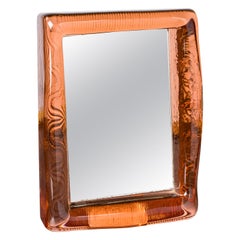
Midcentury French Saint Gobain Glass Petite Table Mirror, 1950s
By Saint Gobain
Located in Chicago, IL
Midcentury French petite table mirror in pink-tinted Saint Gobain glass, 1950s. The stand on the back is the same glass.
Art Glass, Mirror
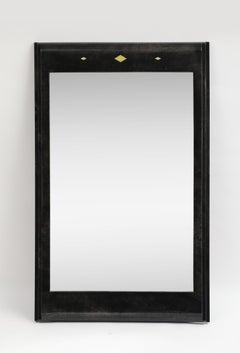
Karl Springer Style Black Goat Skin Wall Mirror with Gold Leaf Accents
By Karl Springer
Located in Chicago, IL
Black goat skin & lacquer wall mirror in the style of Karl Springer. Three gold leaf diamond accents at the top.
Gold Leaf
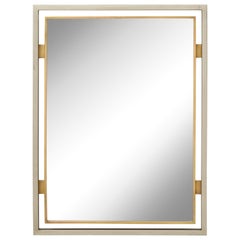
French 1970s Modernist Mirror by Guy Lefevre for Maison Jansen
By Maison Jansen, Guy Lefevre
Located in Chicago, IL
Solid steel and brass elegant Modernist mirror by Guy Lefevre for Maison Jansen, French 1970s. Oxidation spots on steel frame (please see pictures), otherwise in great vintage cond...
Brass, Steel
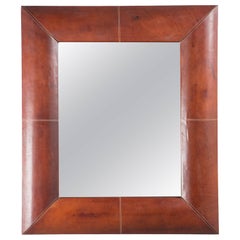
Large French Mirror with Stitched Leather
Located in Chicago, IL
1950s French stitched leather mirror in original condition. Mirror has some bowing due to age. Can be hung vertically or horizontally, hooks in...
Leather
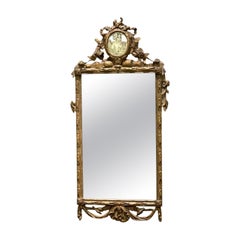
19th Century French Carved Giltwood Mirror with Verre Églomisé Decoration
Located in Chicago, IL
19th Century French carved giltwood rectangular wall mirror with verre églomisé (gilded glass) decoration in the oval surmount.
Giltwood, Mirror
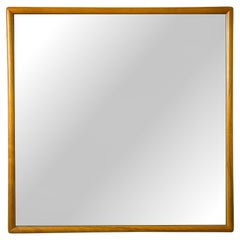
Mid Century Modern Square Walnut Wall Mirror by TH Robsjohn Gibbings 1950s
By T.H. Robsjohn-Gibbings, Widdicomb Furniture Co.
Located in Troy, MI
Minimalist solid walnut squared wall mirror designed by T.H. Robsjohn Gibbings for Widdicomb in 1952 Model 1741 features a sculpted walnut frame with gently contoured edges that surround the mirror for a perfect balance of simplicity and elegance Original label affixed to backside with designation for the JL Hudson Co of Detroit Michigan...
Mirror, Walnut
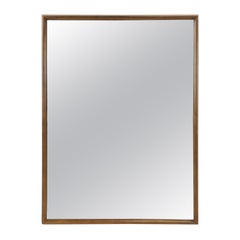
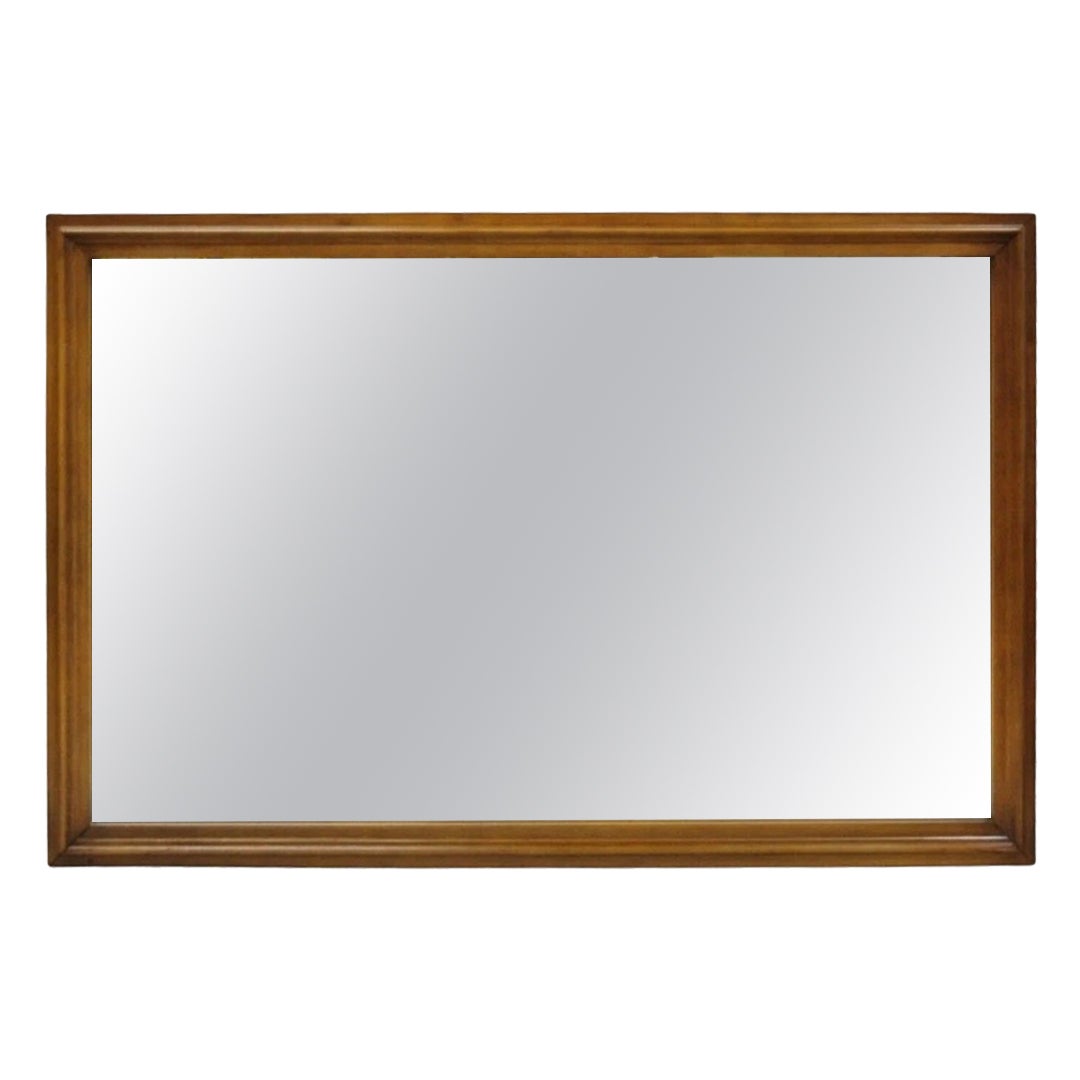
Mid Century Modern Rectangular Wall Mirror with Beveled Walnut Frame
Located in Freehold, NJ
This mid century modern mirror features hardwood frame with unique beveled edge and original walnut finish. Dimensions: 34w 2.25d 42.5h Condition: Original finish on frame is in go...
Mirror, Walnut

Large 31x43 Rectangle American Light Walnut Solid Wall Mirror MINT
By Paul McCobb
Located in Rockaway, NJ
Large 31x43 Rectangle American Light Walnut Solid Wall Mirror MINT
Mirror, Walnut

Mid-Century Walnut Mirror from the Modern by Singer Line, Singer Brothers
Located in New York, NY
Designed for Singer Bros. in the early 1950s, this walnut mirror comes from the celebrated “Modern by Singer” line. This famed collection introduced Gio Ponti’s modernist style to t...
Mirror, Walnut
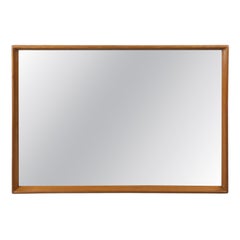
Mid Century Long Rectangular Mirror with Maple Frame
By Heywood-Wakefield Co.
Located in Freehold, NJ
This mid century modern mirror by Heywood Wakefield features hardwood long rectangular frame, original champagne finish, and vintage mirror glass. Dimensions: 41.5w 2d 29h Conditio...
Mirror, Maple
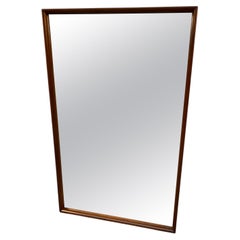
Mid-Century Walnut Framed Wall Mirror
Located in Brooklyn, NY
Enhance your space with the timeless appeal of this vintage Mid-Century Modern walnut-framed wall mirror. Featuring a clean-lined rectangular design and a warm walnut finish, this mi...
Walnut
Photographer Susan Ressler revisits the office life of decades past, whose style still resonates.
One of America’s best-loved designers explains why he can’t resist placing a bid.