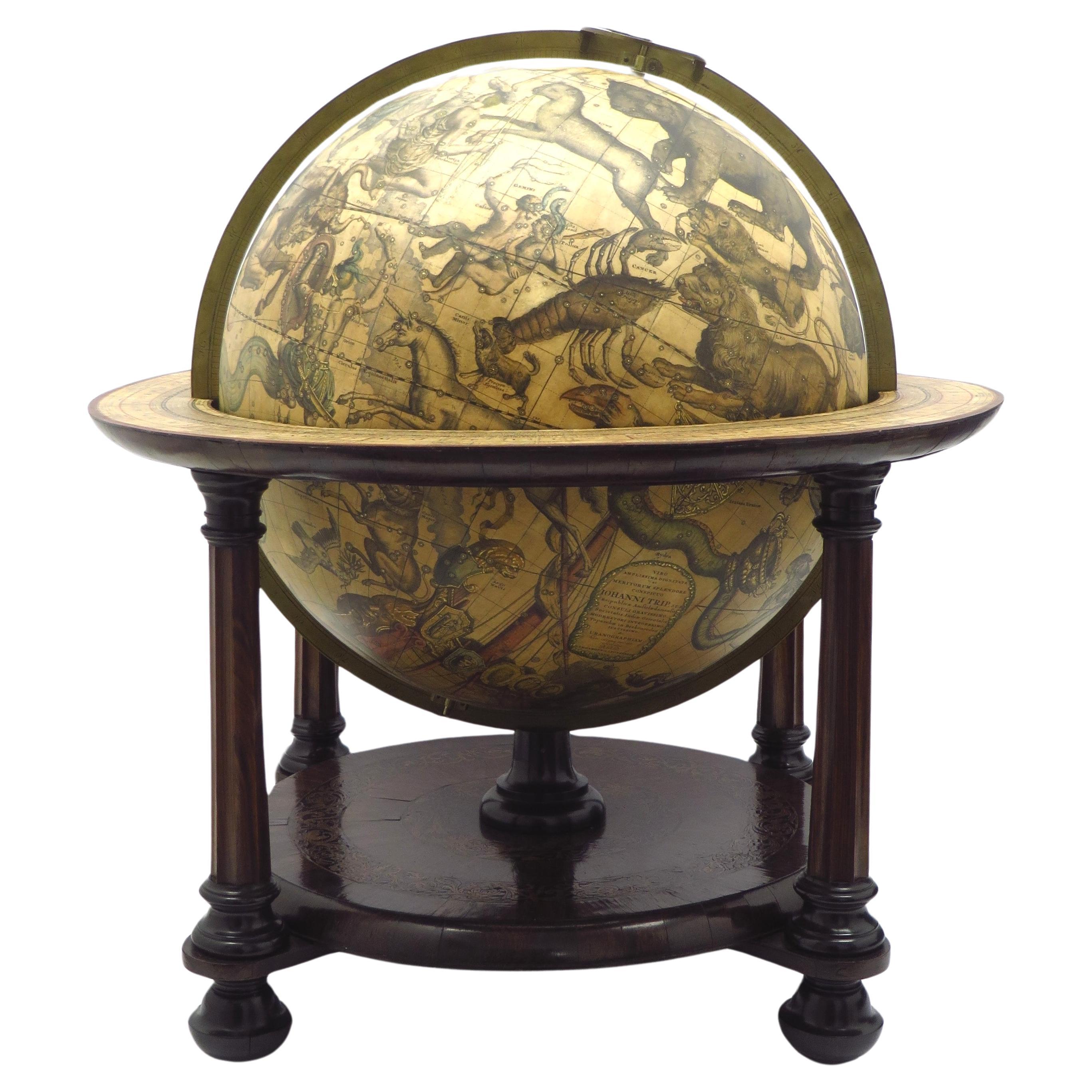
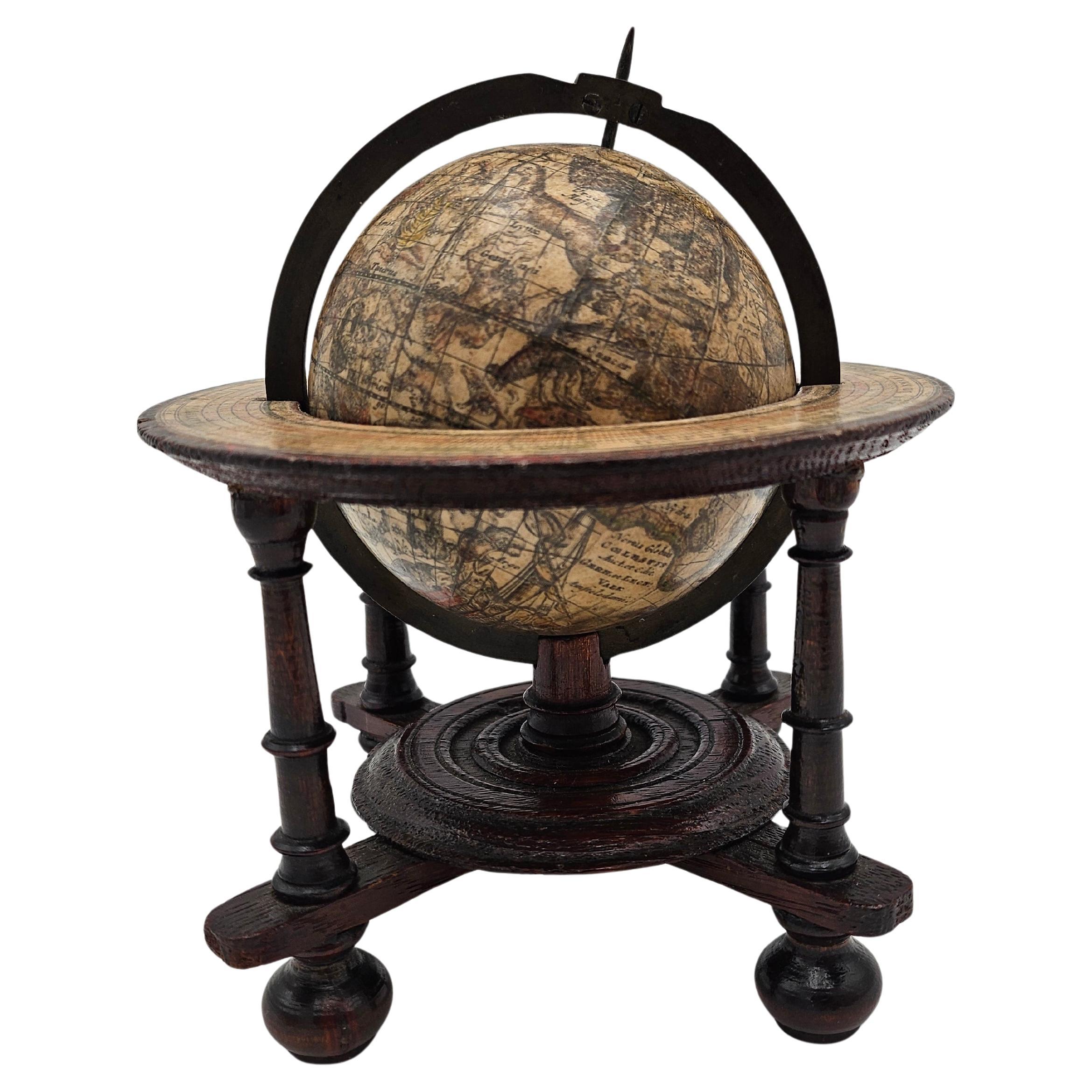
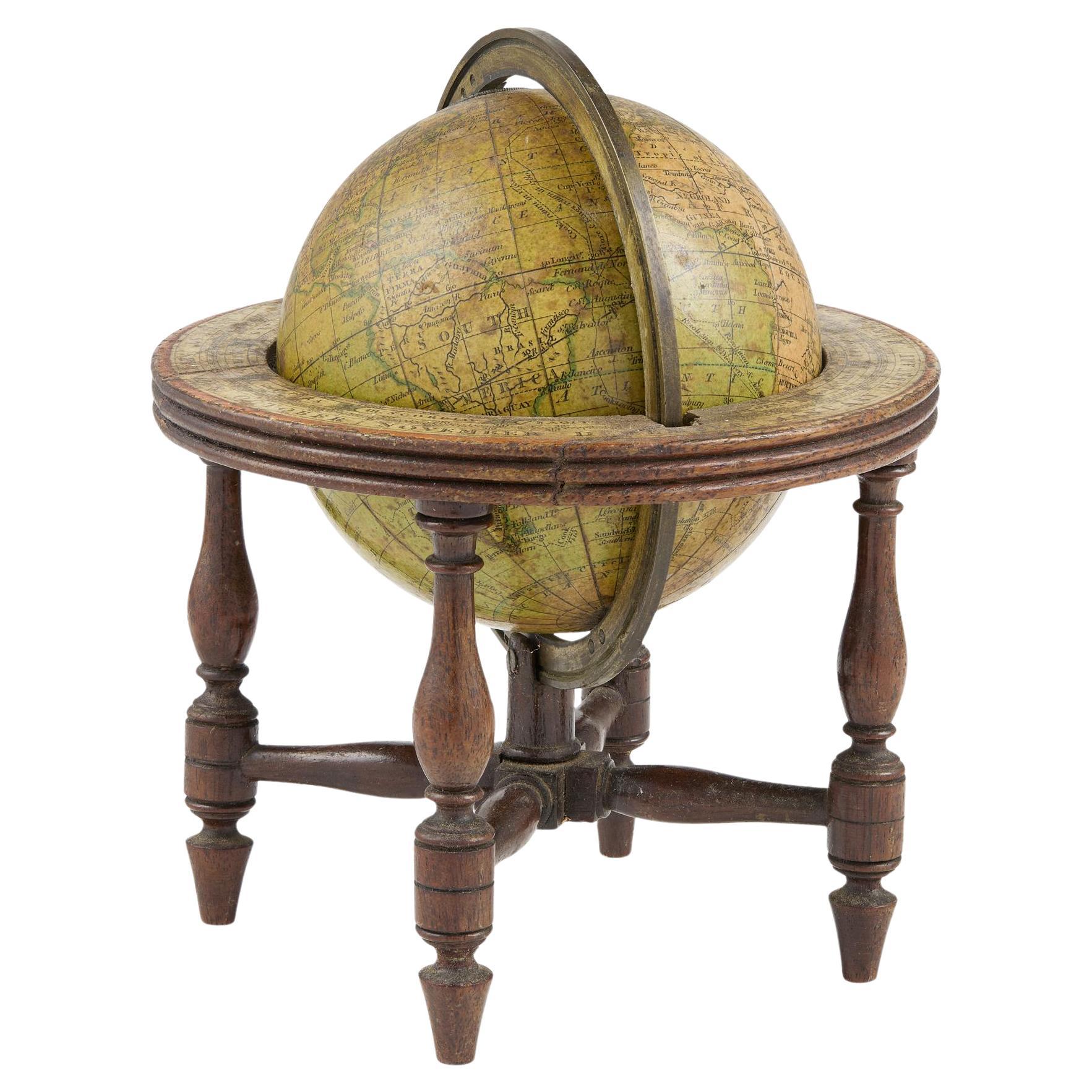
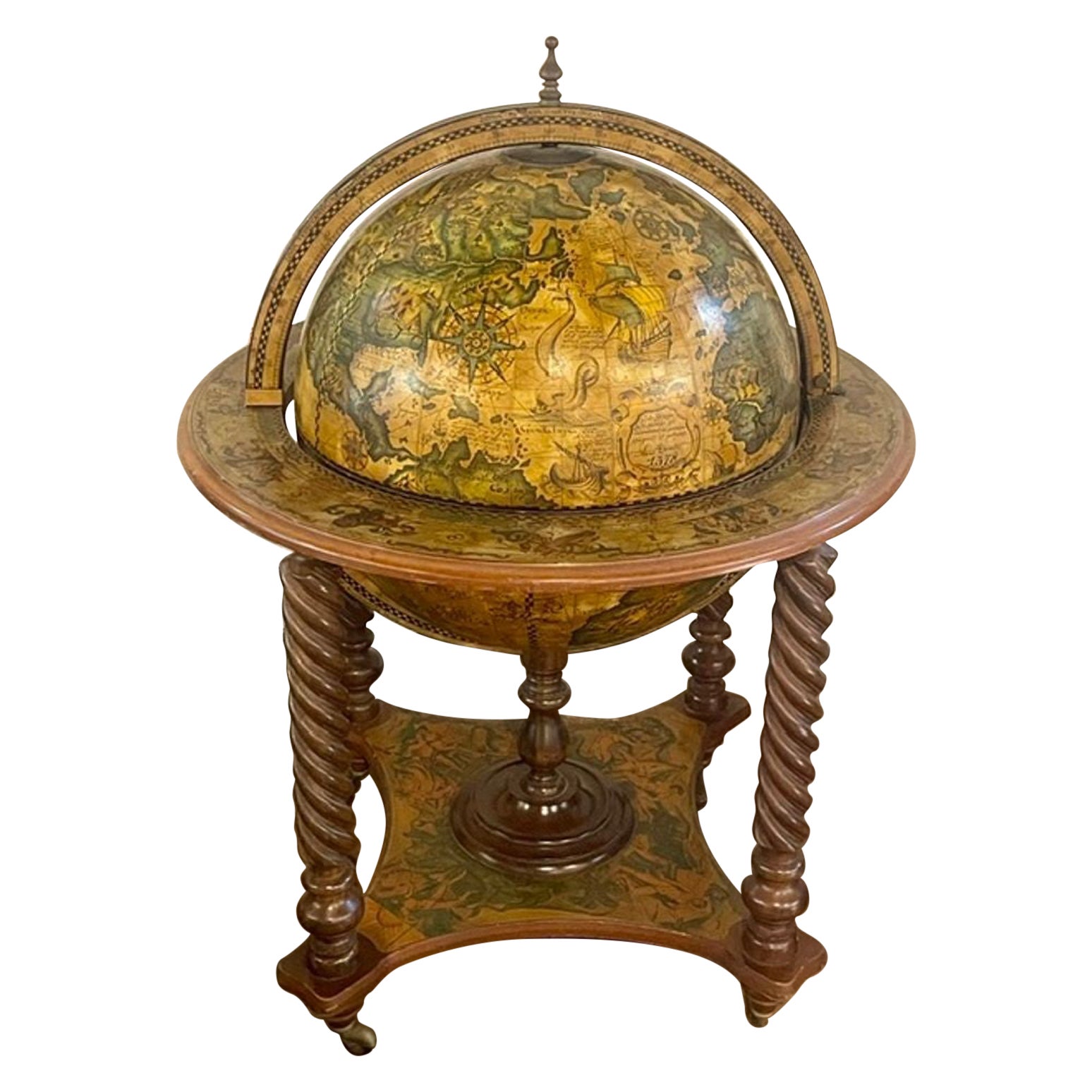
German 4" Miniature Globe On Stand
Located in Lincolnshire, GB
A late 19th century German miniature globe on ebonised stand with a compass set in the base.
Category
Antique Late 19th Century German Globes
Materials
Ebony
German 4" Miniature Globe On Stand
Located in Lincolnshire, GB
A late 19th century German miniature globe on ebonised stand with a compass set in the base.
Ebony
Superb Pair of Delamarche Table Globes
Located in Lincolnshire, GB
A wonderful pair of 19th century table globes by Mansion Delamarche Paris, in superb original condition. The 12" globes in the original lacquered and gilt decorated stands.
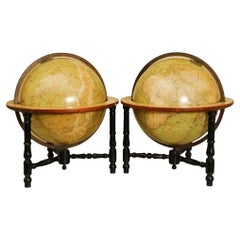
Rare and Large Pair of Malby Globes in Fine Original Condition
Located in Lincolnshire, GB
The largest pair of 19th century table globes we have had , at 18' diameter for the globes this pair has ebonised stands. Good original lacquer and colour to the papers. Good makers ...
Fruitwood
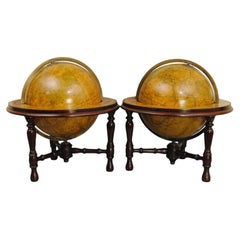
Pair of 19th Century Table Globes by Crunchley
Located in Lincolnshire, GB
A pair of 12" table globes by the well known map maker Crunchley, London. In the original and very smart mahogany stands. Circa 1865.
Mahogany, Paper
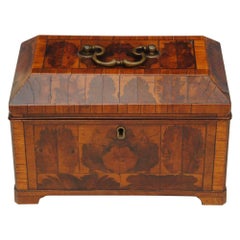
18th Century Burr Thornwood Tea Caddy
Located in Lincolnshire, GB
A fine example of a burr thorn and crossbanded tea caddy of superb color and patina with the original brass handle and bracket feet, circa 1750.
Wood
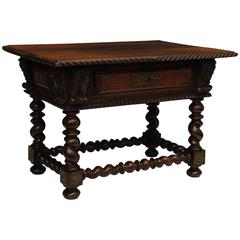
Portugese Miniature Rosewood Table
Located in Lincolnshire, GB
A charming and fine quality miniature rosewood table with well carved details and brass mounts, it even has the original key!
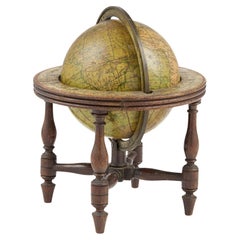
Extremely rare George III Miniature Terrestrial three-inch table Globe
By John & William Cary
Located in ZWIJNDRECHT, NL
Publisher: John & Wiliam Cary Place / Date: London, 1791 Comprising twelve hand-coloured gores, annotated with equinoctial graduated in degrees and hours and ecliptic graduated ...
Hardwood, Paper

A scarce and beautiful miniature celestial globe produced in Amsterdam.
By Gerard and Leonard Valk
Located in ZWIJNDRECHT, NL
Novus Globus / COELESTIS / Auct. Et Edit. / GERH. Et LEONH. VALK / Amstelodami Diameter globe: 3 inches / 7.6 cm. - Total height: 5,91 inches / 15 cm. A scarce and beautiful minia...
Plaster, Hardwood
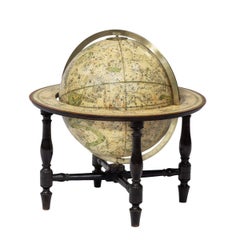
Celestial Table Globe by Harris and Son
Located in Lymington, Hampshire
A 12 inch celestial table globe by Harris and Son, the horizon ring, with the original papers, set on four turned mahogany legs, the label statin...
Mahogany

Antique Victorian Terrestrial 12 inch Table Globe by Malby's 19th Century
Located in London, GB
An antique Victorian terrestrial 12-inch table globe by Malby's, dating from the third quarter of the 19th century. This globe is sold on the understanding its needs full conservat...
Mahogany
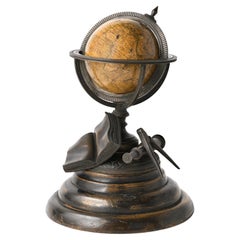
Antique Miniature Terrestrial Globe by Newton & Son, London
By Newton and Son
Located in Milano, IT
Miniature Terrestrial Globe Newton & Son London, post 1833, ante 1858 Paper, papier-mâché, bronze and wood It measures: sphere diameter 2.95 in (7.6 cm); diameter of the wooden base 6.02 in (15.3 cm); height 8.36 in (21.24 cm). Weight: 2,067 lb. State of conservation: the globe still bears its original paint, but has various small gaps, abrasions and stains on the surface. The globe is hinged with two pins at the meridian circle, which is in turn inserted perpendicular to the horizon circle; this is supported by four semi-arches connected at the bottom by a small goblet-shaped foot, resting on a wooden bell-shaped base. Apart from the wooden base, the entire support structure is made of bronze; on the foot there are the scale reproductions of a compass, a telescope and an open book. The sphere is made of papier-mâché and is covered with twelve printed paper gores. In the North Pacific Ocean the globe bears a cartouche with the inscription (about 30% of the writing is illegible, but the missing parts can be easily integrated based on the rest): NEWTON’S New & Improved TERRESTRIAL Globe Published by Newton & Son 66 Chancery Lane LONDON On the globe, much of central Africa is empty and the great lakes Tanganyika and Victoria are not marked (Europeans would begin to explore the area after 1858). Canada is called "British Territory" and Alaska "Russian Territory" (it would become part of the United States in 1867). Australia already bears its modern name (until 1829 it had been called New Holland) and its coasts are completely designed; Tasmania is listed as an island (Matthew Flinders circumnavigated it in 1798). The routes of Cook's various voyages are plotted; both the route followed by Biscoe in 1831 and the "Land of Enderby" which he discovered on the coast of Antarctica, south of Africa, are marked. Bibliography P. Van der Krogt, Old Globes...
Bronze
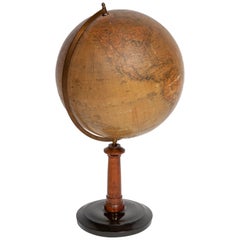
Globe Table Terrestrial Swedish
Located in BUNGAY, SUFFOLK
A Swedish 12 inch terrestrial globe, circa 1900. Measure: height 59cm Just purchased more information to follow.
Paper