Early 20th Century Russian and Scandinavian Rugs

to
22
Width
to
Length
to
405
38
11
9
4
3
2
1
1
1
6
234
2,210
2,095
1,490
181
193
15
61
42
78
176
222
112
6
6
404
398
183
5
4
376
29
405
405
405
191
99
99
96
78
6
4
3
2
2
Period: Early 20th Century
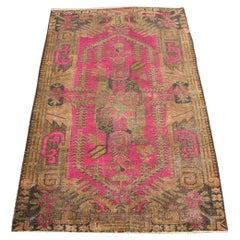
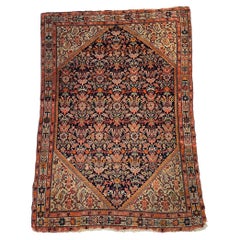
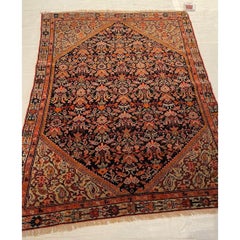
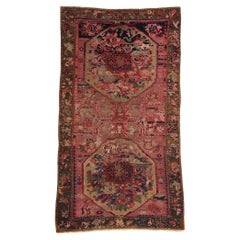
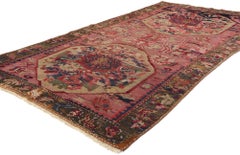
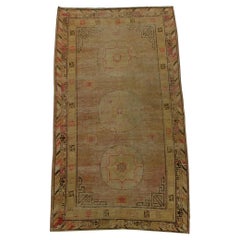
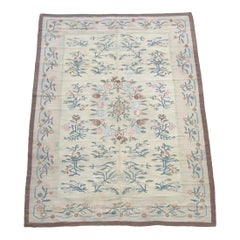
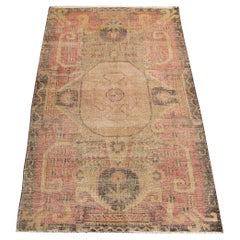
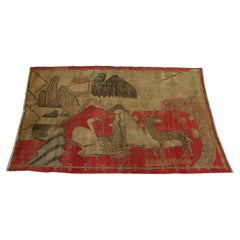
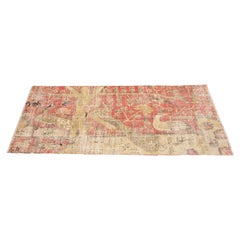
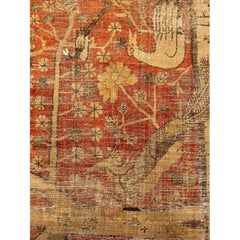
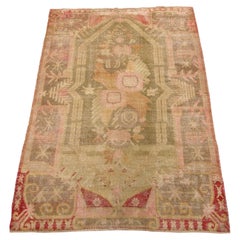
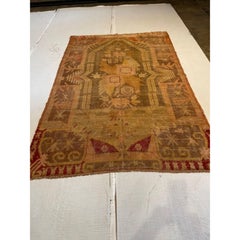
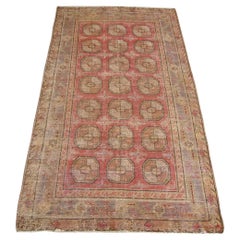
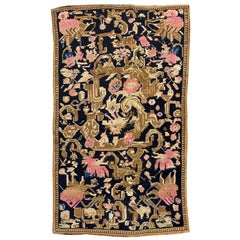
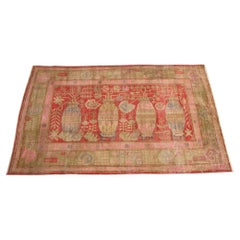
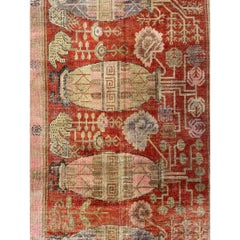
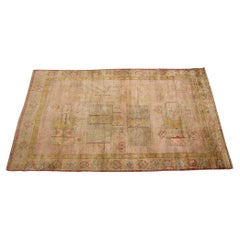
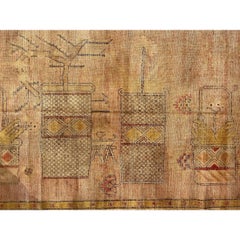
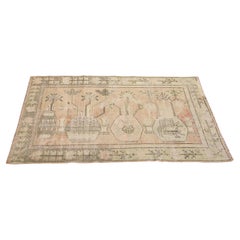
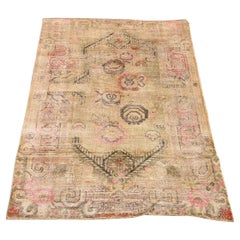
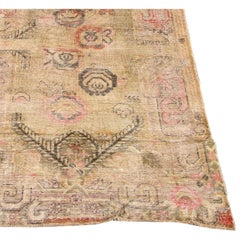
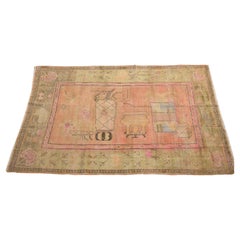
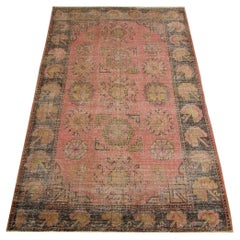
Early 20th Century Antique Samarkand Rug

Early 20th Century Antique Samarkand Rug

Located in Los Angeles, US

Antique Samarkand Rugs: The desert oasis of Khotan was an important stop on the Silk Road. The people of Khotan were expert carpet weavers who produced high quality antique rugs and ...

Category

Other Antique Early 20th Century Russian and Scandinavian Rugs

Materials

Wool, Cotton

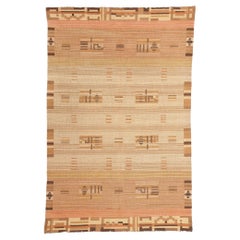
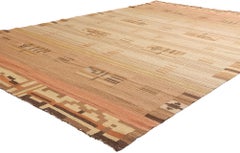
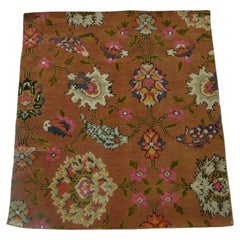
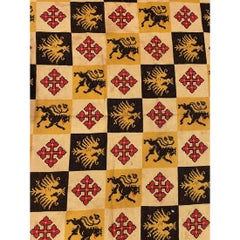
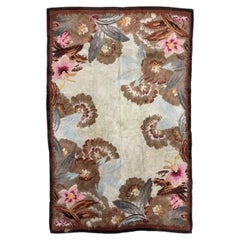
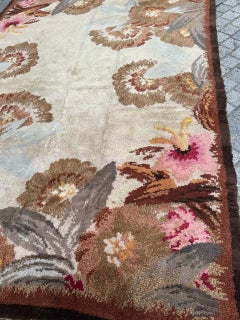
Beautiful antique French Art Deco Rug

Beautiful antique French Art Deco Rug

Located in Saint Ouen, FR

Very nice 1920-1930 French hand made velvet carpet with beautiful modern and Art Deco (Nouveau) design and Beautiful colours , wool velvet on cotton foundation ✨✨✨ "Experience the ...

Category

French Modern Vintage Early 20th Century Russian and Scandinavian Rugs

Materials

Wool, Cotton

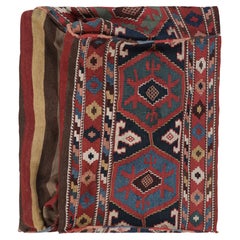
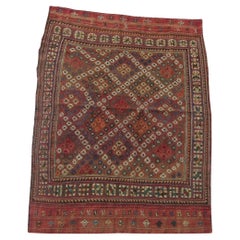
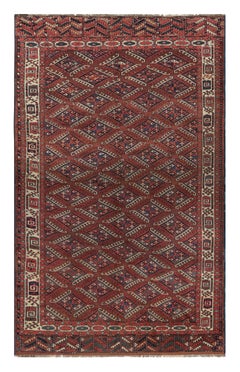
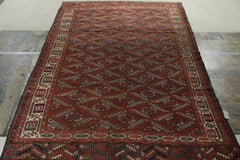
Hand-Knotted Antique Russian Rug in Red, White Tribal Pattern by Rug & Kilim

Hand-Knotted Antique Russian Rug in Red, White Tribal Pattern by Rug & Kilim

Located in Long Island City, NY

Hand-knotted in fine quality wool for textural strength and aesthetic appeal, this 6x10 Yamut relishes the extravagance of suede like tactility that exemplifies the all over geometri...

Category

Russian Tribal Vintage Early 20th Century Russian and Scandinavian Rugs

Materials

Wool

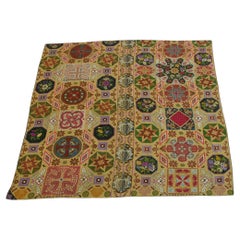
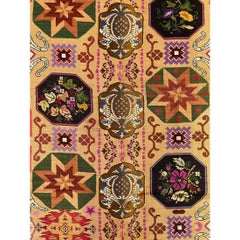
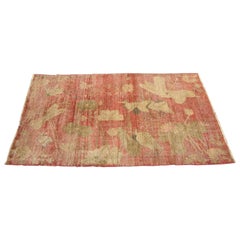
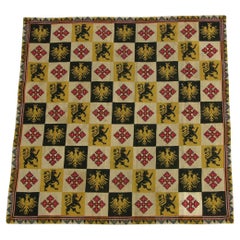
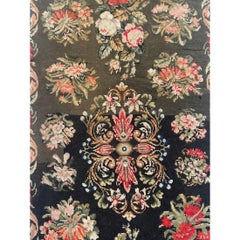
1920s Antique Floral Design Part Silk Needlework Rug

1920s Antique Floral Design Part Silk Needlework Rug

Located in Los Angeles, US

Needlepoint rugs were created using the traditional needlework weaving technique that is used to make everyday items from furniture to carpets and artwork. However, it has a fascinating history both as a hobby and as an industry. When many people think of carpets, they think of pile carpets or flat weave kilims, but needlepoint has also been used to create beautiful carpets. These carpets are durable and an important part of carpet history. Archaeologists and scholars consider the roots of needlepoint to have been around 1500 BC. They consider the first needlepoint to include the fine diagonal stitches that were used to sew tents together by the ancient Egyptians. The art eventually evolved into tapestry weaving. However, a tapestry weaving differs significantly from needlepoint in that it uses a loom and vertical warp. Tapestry weaving is closer to the weaving of kilims and pile rugs than canvas work. However, some still include tapestry weaving in the category of needlepoint because of the fine work that appeared during the late Renaissance. It can have a similar appearance to the untrained eye. Technically, tapestry weaving and needlepoint are not the same, and they do not use the same technique. The first actual needlepoint rugs and needle-points began to appear in the late Renaissance. Needlepoint is worked by creating stitches on a stiff canvas. The canvas is typically made from jute or linen and is quite durable. Pieces from the Renaissance were used to cover footstools, chairs, pillows, bed headboards, and other furnishings. They were also used as table coverings and wall coverings. You could also find them on many small items such as purses, shoes, and various adornments for clothing. During the Renaissance, the craft reached a high level of skill, and the designs became incredibly detailed and realistic. They mimicked many of the subjects and styles of famous paintings of the time. They created florals, still life designs, scenes, and geometric tiled pieces. Some of them mimicked the designs found in Persian Carpets. Needlepoint reached its peak popularity in the 19th century when it was considered a proper occupation for a lady. Needlepoint and embroidery held a similar place in societal status at the time. During this time, the work became finer, with some of the canvas reaching a high level of detail. The level of detail is determined by counting the number of mesh in an inch. During this time petit point by French needlewomen could have a mesh count as high as 45 mesh. This allowed women to create highly intricate designs with incredible levels of detail. It is possible to find many antique pieces of needlepoint besides rugs. Needlepoint rugs were popular in France and Spain, where the technique was adapted to create highly intricate designs that mimicked the designs in architecture and fashion. They were popular because they were durable, and it could be fashioned into a variety of items. The canvases themselves were durable, and the wool that they used was also strong, which means that many of the pieces were able to withstand daily use. We have many artifacts that have survived from this time period. Needlepoint rugs are important collectibles because they are different from the pile rugs and kilims that are typically found on the market. Needlepoint carpets are special because they take many hours to create, especially larger works. Needlepoint pieces of any type became popular throughout Europe during the 19th century. It is still a popular hobby today, but perhaps one of the most interesting stories is that of the Portuguese needlewomen of Arraiolos. The story of these women and their beautiful carpets begins in 1492. Needlepoint was a popular occupation in Spain, which had a large population of Moors and Jews. They were an integral part of Spanish culture. However, in 1492, Queen Isabella of Spain issued a proclamation that gave these ethnic groups the order to pack their bags and board ships headed...

Category

Renaissance Revival Vintage Early 20th Century Russian and Scandinavian Rugs

Materials

Wool, Silk

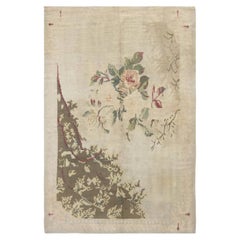
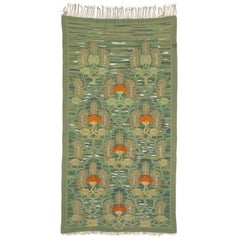
Norwegian Wall Hanging, 1920

Norwegian Wall Hanging, 1920

Located in New York, NY

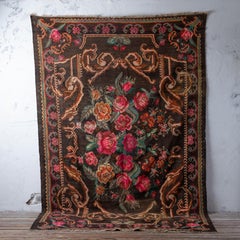
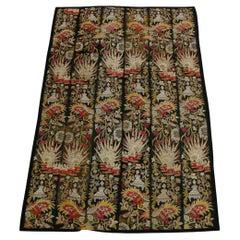
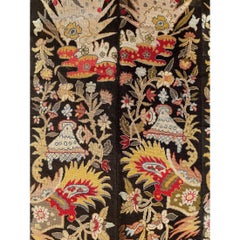
Norwegian wall hanging Norway, circa 1920. Possibly designed by Frida Hansen. Polychrome composition with floral motif.

Category

Norwegian Vintage Early 20th Century Russian and Scandinavian Rugs

Materials

Wool

Antique Bessarabian Geometric Design

Antique Bessarabian Geometric Design

Located in Los Angeles, US

Antique Bessarabian Rugs / Kilims in both pile and tapestry weaving technique are some of the more beautiful carpets to have been produced in Europe. Many of the Bessarabian Kilims w...

Category

Asian Other Antique Early 20th Century Russian and Scandinavian Rugs

Materials

Wool, Cotton

Antique Caucasian Soumak

Antique Caucasian Soumak

Located in WEST HOLLYWOOD, CA

Rug Number 27105 Size 8' 11" X 10' 0" Design Soumak Collection Antique/Vintage Material Wool Texture Flat Weave Origin Russia Age Antique/Vintage

Category

Russian Antique Early 20th Century Russian and Scandinavian Rugs

Materials

Wool

Early 20th Century Antique Jerusalem Rug

Early 20th Century Antique Jerusalem Rug

Located in Los Angeles, US

Israeli Rugs – Israel is home to a surprisingly large and well-established carpet-weaving community. Area Carpet weavers in Israel had very serious traditions that were cultural, tec...

Category

Asian Other Antique Early 20th Century Russian and Scandinavian Rugs

Materials

Wool, Cotton

Antique Bessarabian Floral Rug

Antique Bessarabian Floral Rug

Located in Los Angeles, US

Antique Bessarabian Rugs / Kilims in both pile and tapestry weaving technique are some of the more beautiful carpets to have been produced in Europe. Many of the Bessarabian Kilims w...

Category

Other Antique Early 20th Century Russian and Scandinavian Rugs

Materials

Wool, Cotton

Antique Fine Persian Baluch Rug

Antique Fine Persian Baluch Rug

Located in Los Angeles, US

Baluch Rugs – Antique Baluch rugs are a unique phenomenon in the world of antique Oriental rugs. Rather than originating from one specific, easily identified region, Baluch rugs are ...

Category

Asian Tribal Vintage Early 20th Century Russian and Scandinavian Rugs

Materials

Wool

1990s Savonnerie Area Rug-10'0" X 8'0"

1990s Savonnerie Area Rug-10'0" X 8'0"

Located in Los Angeles, US

21th Century Authentic Savonnerie Area Rug 10'0" X 8'0", handmade and hand-knotted, wool on cotton foundation, reproduction

Category

Asian Empire Antique Early 20th Century Russian and Scandinavian Rugs

Materials

Wool, Cotton

Zabihi Collection Early 20th Century Antique Shirvan Rug

Zabihi Collection Early 20th Century Antique Shirvan Rug

Located in New York, NY

1930s Caucasian Scatter size rug Details rug no. 31651 size 3' 1" x 4' 9" (94 x 145 cm)

Category

Caucasian Kazak Early 20th Century Russian and Scandinavian Rugs

Materials

Wool

Antique Gabeh Rug 6.2x4.0

Antique Gabeh Rug 6.2x4.0

Located in Los Angeles, US

Antique Gabeh Rug 6.2x4.0, handmade and hand-knotted,

Category

Other Antique Early 20th Century Russian and Scandinavian Rugs

Materials

Wool, Cotton

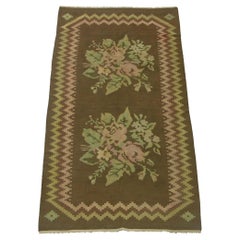
1900 Antique Bessarabian Flat Weave Kilim Rug

1900 Antique Bessarabian Flat Weave Kilim Rug

Located in Los Angeles, US

This antique Bessarabian kilim from circa 1900 exemplifies the floral decorative tradition of Eastern European flat weave textiles. The composition centers on a symmetrical botanical...

Category

Asian Neoclassical Antique Early 20th Century Russian and Scandinavian Rugs

Materials

Wool

Mid 18th Century Antique Bessarabian Floral Rug

Mid 18th Century Antique Bessarabian Floral Rug

Located in Los Angeles, US

Antique Bessarabian Rugs / Kilims in both pile and tapestry weaving technique are some of the more beautiful carpets to have been produced in Europe. Many of the Bessarabian Kilims w...

Category

Other Antique Early 20th Century Russian and Scandinavian Rugs

Materials

Wool, Cotton

Dramatic Large Scale 20th Century Antique Russian Karabagh Square Rug

Dramatic Large Scale 20th Century Antique Russian Karabagh Square Rug

Located in New York, NY

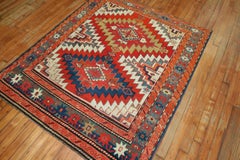
An early 20th century geometric Karabagh rug with coral blue, green accents on an ivory ground, circa 1920. Measures: 4'3" x 5'.

Category

Russian Futurist Early 20th Century Russian and Scandinavian Rugs

Materials

Wool

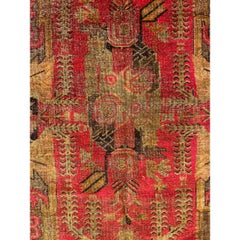
1900s Antique Khotan Samarkand Rug

1900s Antique Khotan Samarkand Rug

Located in Los Angeles, US

Antique Samarkand Rugs: The desert oasis of Khotan was an important stop on the Silk Road. The people of Khotan were expert carpet weavers who produced high quality antique rugs and ...

Category

Other Antique Early 20th Century Russian and Scandinavian Rugs

Materials

Wool, Cotton

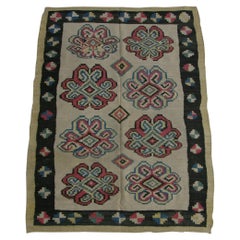
Bessarabian Kilim Rug, c.1920s

Bessarabian Kilim Rug, c.1920s

Located in Savannah, GA

A Bessarabian Kilim rug, circa 1920s. 76 by 117 inches

Category

Moldovan Other Vintage Early 20th Century Russian and Scandinavian Rugs

Materials

Wool

Antique Malayer Rug 4.9 X 3.5

Antique Malayer Rug 4.9 X 3.5

Located in Los Angeles, US

Antique Malayer Rug 4.9 X 3.5 , handmade and hand-knotted, tribal rug , Wool on cotton foundation, authentic Persian Carpet

Category

Tribal Antique Early 20th Century Russian and Scandinavian Rugs

Materials

Wool, Cotton

Antique Collectible Woolen Needlework

Antique Collectible Woolen Needlework

Located in Los Angeles, US

Needlepoint rugs were created using the traditional needlework weaving technique that is used to make everyday items from furniture to carpets and artwork. However, it has a fascinating history both as a hobby and as an industry. When many people think of carpets, they think of pile carpets or flat weave kilims, but needlepoint has also been used to create beautiful carpets. These carpets are durable and an important part of carpet history. Archaeologists and scholars consider the roots of needlepoint to have been around 1500 BC. They consider the first needlepoint to include the fine diagonal stitches that were used to sew tents together by the ancient Egyptians. The art eventually evolved into tapestry weaving. However, a tapestry weaving differs significantly from needlepoint in that it uses a loom and vertical warp. Tapestry weaving is closer to the weaving of kilims and pile rugs than canvas work. However, some still include tapestry weaving in the category of needlepoint because of the fine work that appeared during the late Renaissance. It can have a similar appearance to the untrained eye. Technically, tapestry weaving and needlepoint are not the same, and they do not use the same technique. The first actual needlepoint rugs and needle-points began to appear in the late Renaissance. Needlepoint is worked by creating stitches on a stiff canvas. The canvas is typically made from jute or linen and is quite durable. Pieces from the Renaissance were used to cover footstools, chairs, pillows, bed headboards, and other furnishings. They were also used as table coverings and wall coverings. You could also find them on many small items such as purses, shoes, and various adornments for clothing. During the Renaissance, the craft reached a high level of skill, and the designs became incredibly detailed and realistic. They mimicked many of the subjects and styles of famous paintings of the time. They created florals, still life designs, scenes, and geometric tiled pieces. Some of them mimicked the designs found in Persian Carpets. Needlepoint reached its peak popularity in the 19th century when it was considered a proper occupation for a lady. Needlepoint and embroidery held a similar place in societal status at the time. During this time, the work became finer, with some of the canvas reaching a high level of detail. The level of detail is determined by counting the number of mesh in an inch. During this time petit point by French needlewomen could have a mesh count as high as 45 mesh. This allowed women to create highly intricate designs with incredible levels of detail. It is possible to find many antique pieces of needlepoint besides rugs. Needlepoint rugs were popular in France and Spain, where the technique was adapted to create highly intricate designs that mimicked the designs in architecture and fashion. They were popular because they were durable, and it could be fashioned into a variety of items. The canvases themselves were durable, and the wool that they used was also strong, which means that many of the pieces were able to withstand daily use. We have many artifacts that have survived from this time period. Needlepoint rugs are important collectibles because they are different from the pile rugs and kilims that are typically found on the market. Needlepoint carpets are special because they take many hours to create, especially larger works. Needlepoint pieces of any type became popular throughout Europe during the 19th century. It is still a popular hobby today, but perhaps one of the most interesting stories is that of the Portuguese needlewomen of Arraiolos. The story of these women and their beautiful carpets begins in 1492. Needlepoint was a popular occupation in Spain, which had a large population of Moors and Jews. They were an integral part of Spanish culture. However, in 1492, Queen Isabella of Spain issued a proclamation that gave these ethnic groups the order to pack their bags and board ships headed...

Category

Other Antique Early 20th Century Russian and Scandinavian Rugs

Materials

Wool

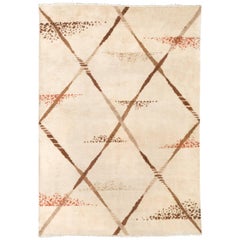
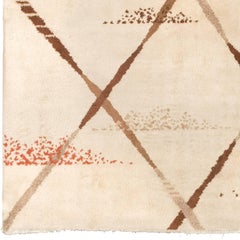
Early 20th Century Beige and Brown Geometric Swedish Pile Rug

Early 20th Century Beige and Brown Geometric Swedish Pile Rug

Located in New York, NY

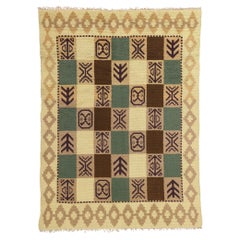
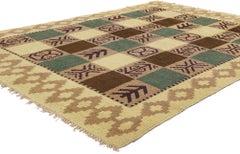
Early 20th Century Beige and Brown Geometric Swedish Pile Rug Sweden, circa 1920 A soft neutral rug featuring a warm ivory field crossed by an open diamond lattice in varying shades...

Category

Swedish Scandinavian Modern Early 20th Century Russian and Scandinavian Rugs

Materials

Wool

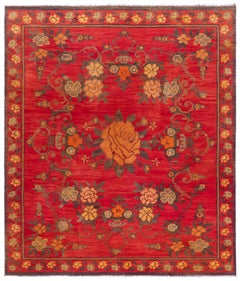
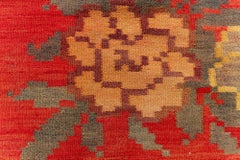
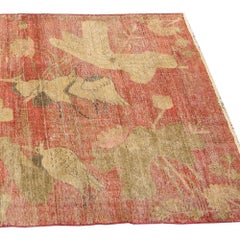
Doris Leslie Blau Antique Bessarabian Russian Flatweave Rug In Crimson - c. 1920

Doris Leslie Blau Antique Bessarabian Russian Flatweave Rug In Crimson - c. 1920

Located in New York, NY

This striking antique Bessarabian rug from the 1920s showcases the region's signature floral artistry rendered in bold, graphic form. Set against a vibrant red field, large stylized ...

Category

European Bessarabian Vintage Early 20th Century Russian and Scandinavian Rugs

Materials

Wool

1920's Antique Pink Rose Caucasian Karabakh Carpet

1920's Antique Pink Rose Caucasian Karabakh Carpet

Located in Dallas, TX

61160 Antique Caucasian Karabagh Rose Rug, 04'02 x 07'06. Caucasian Karabagh rose rugs, originating from the Karabakh region in the South Caucasus, boast...

Category

Kazak Early 20th Century Russian and Scandinavian Rugs

Materials

Wool

1930's Impi Sotavalta Iltalaulu Finnish Flatweave Carpet

1930's Impi Sotavalta Iltalaulu Finnish Flatweave Carpet

By Impi Soltavata

Located in Dallas, TX

78464 Impi Sotavalta Finnish Flatweave Rug, 06'04 x 09'09. Impi Sotavalta, a notable Finnish textile artist, is renowned for her flatweave rugs that ble...

Category

Finnish Scandinavian Modern Early 20th Century Russian and Scandinavian Rugs

Materials

Wool

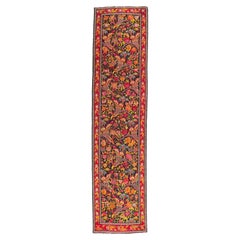
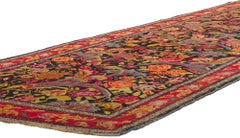
Antique Caucasian Russian Karabakh Rug Runner

Antique Caucasian Russian Karabakh Rug Runner

Located in Dallas, TX

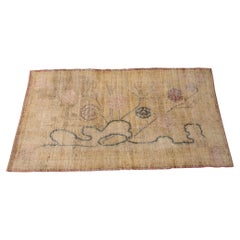
78186 antique Caucasian Rose Karabakh Hallway Runner, 03'10 x 16'00. This hand-knotted wool antique Caucasian Karabakh carpet runner is poised to impress with its effortless beauty and vibrant colors. The abrashed field displays features an all-over rose and floral pattern. It is enclosed with a stylized botanical border flanked with an inner and outer running water guard border. ?Perfect for a hallway, long entry, grand foyer, designer entryway, galley kitchen, corridor, long stair landing, grand parlor, home office, private library, conservatory, wine cellar, executive suite, theater room, billiards room, game room, bedroom, study, studio, sitting room, sunroom or it would make a lovely accent next to a buffet in a dining room, behind the sofa table in the living room, or by a long vestibule in a hotel lobby. Well-suited for a wide range of interior styles: English Chintz, Victorian, English Manor House, Tudor, Swedish Farmhouse, Southern Living, gypsy, jet-setter, Rustic, Traditional, Artisan, English Country, London Proper, Georgian, Arts & Crafts, Neoclassical, Gustavian, Cabin, Lodge, Industrial, Old World, Regency, European Cottage, Bungalow, Craftsman, Colonial Revival, Eclectic, Modern, and Contemporary. Whether its placed in a country cabin, rustic farmhouse or Bohemian abode, this Caucasian floral rug will complement nearly any interior with panache. Flaunt your florals and celebrate the beauty of a rose garden in bloom all year. Similar to: Bessarabian Rose...

Category

Russian Bohemian Early 20th Century Russian and Scandinavian Rugs
Materials

Wool

Zabihi Collection Antique Caucasian Kuba Rug, 4'4'' x 5'4''

Zabihi Collection Antique Caucasian Kuba Rug, 4'4'' x 5'4''

Located in New York, NY

Finely woven early 20th century handmade Kuba rug in easy-going earthy palette. 4'4'' x 5'4''

Category

Caucasian Agra Early 20th Century Russian and Scandinavian Rugs
Materials

Wool

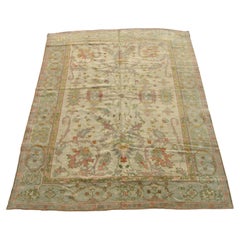
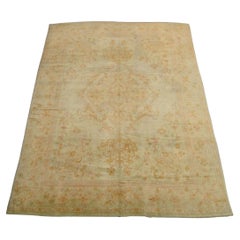
1920s Antique Fine Turkish Oushak Rug

1920s Antique Fine Turkish Oushak Rug

Located in Los Angeles, US

Antique Turkish Oushak rugs have been woven in Western Turkey since the beginning of the Ottoman period. Historians attributed to them many of the great masterpieces of early Turkish...

Category

Asian Tribal Antique Early 20th Century Russian and Scandinavian Rugs
Materials

Wool

Antique 19th Century Samarkand Rug

Antique 19th Century Samarkand Rug

Located in Los Angeles, US

Antique Samarkand Rugs: The desert oasis of Khotan was an important stop on the Silk Road. The people of Khotan were expert carpet weavers who produced high quality antique rugs and ...

Category

Other Antique Early 20th Century Russian and Scandinavian Rugs
Materials

Wool, Cotton

Early 20th Century Antique Floral Bessarabian Kilim Rug

Early 20th Century Antique Floral Bessarabian Kilim Rug

Located in Los Angeles, US

Antique rugs that are called “Kilim rugs”, primarily refer to a type of flat weave rug that was produced without knotted pile. Because these antique rugs are found across the globe, ...

Category

Other Early 20th Century Russian and Scandinavian Rugs
Materials

Wool, Cotton

1900 Antique Tribal Khotan Samarkand Rug

1900 Antique Tribal Khotan Samarkand Rug

Located in Los Angeles, US

Antique Samarkand Rugs: The desert oasis of Khotan was an important stop on the Silk Road. The people of Khotan were expert carpet weavers who produced high quality antique rugs and ...

Category

Other Antique Early 20th Century Russian and Scandinavian Rugs
Materials

Wool, Cotton

Antique Samarkand Rug with Animal Print Design

Antique Samarkand Rug with Animal Print Design

Located in Los Angeles, US

Antique Samarkand Rugs: The desert oasis of Khotan was an important stop on the Silk Road. The people of Khotan were expert carpet weavers who produced high quality antique rugs and ...

Category

Asian Other Antique Early 20th Century Russian and Scandinavian Rugs
Materials

Wool, Cotton

Antique Oushak Rug 11.3x8.2

Antique Oushak Rug 11.3x8.2

Located in Los Angeles, US

Antique Turkish Oushak rugs have been woven in Western Turkey since the beginning of the Ottoman period. Historians attributed to them many of the great masterpieces of early Turkish...

Category

Other Antique Early 20th Century Russian and Scandinavian Rugs
Materials

Wool, Cotton

1900s Antique Animal Samarkand Rug

1900s Antique Animal Samarkand Rug

Located in Los Angeles, US

Antique Samarkand Rugs: The desert oasis of Khotan was an important stop on the Silk Road. The people of Khotan were expert carpet weavers who produced high quality antique rugs and ...

Category

Asian Tribal Antique Early 20th Century Russian and Scandinavian Rugs
Materials

Wool, Cotton

Antique 1920 Samarkand Rug

Antique 1920 Samarkand Rug

Located in Los Angeles, US

Antique Samarkand Rugs: The desert oasis of Khotan was an important stop on the Silk Road. The people of Khotan were expert carpet weavers who produced high quality antique rugs and ...

Category

Other Vintage Early 20th Century Russian and Scandinavian Rugs
Materials

Wool, Cotton

Antique Shirvan Rug 6.10x3.5

Antique Shirvan Rug 6.10x3.5

Located in Los Angeles, US

Shirvan rugs – The historic Khanate or administrative district of Shirvan produced many highly decorative antique rugs that have a formality and stylistic complexity that is found in...

Category

Other Antique Early 20th Century Russian and Scandinavian Rugs
Materials

Wool, Cotton

Mehraban Vintage Russian Kazak Runner

Mehraban Vintage Russian Kazak Runner

Located in WEST HOLLYWOOD, CA

This Vintage Russian Kazak Runenr rug features five red octagonal guls outlined with royal blue latch-hooks edges. Each gul is filled with an eight-point star of wisdom motif on a be...

Category

Russian Vintage Early 20th Century Russian and Scandinavian Rugs
Materials

Wool

1900 Antique Uzbek Khotan Samarkand Rug

1900 Antique Uzbek Khotan Samarkand Rug

Located in Los Angeles, US

Antique Samarkand Rugs: The desert oasis of Khotan was an important stop on the Silk Road. The people of Khotan were expert carpet weavers who produced high quality antique rugs and ...

Category

Uzbek Other Antique Early 20th Century Russian and Scandinavian Rugs
Materials

Wool, Cotton

1920s Antique Botanical Flat Weave Bessarabian Rug

1920s Antique Botanical Flat Weave Bessarabian Rug

Located in Los Angeles, US

Antique Bessarabian Rugs / Kilims in both pile and tapestry weaving technique are some of the more beautiful carpets to have been produced in Europe. Many of the Bessarabian Kilims w...

Category

Other Early 20th Century Russian and Scandinavian Rugs
Materials

Wool, Cotton

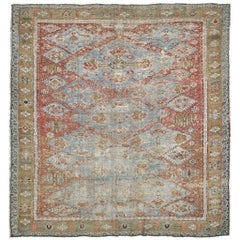
Bobyrug’s Nice Little Antique Karabagh Rug

Bobyrug’s Nice Little Antique Karabagh Rug

Located in Saint Ouen, FR

Discover the timeless elegance of a charming early 20th-century Karabagh rug. Immerse yourself in its exquisite decorative design and vibrant colors – from the rich dark brown backdr...

Category

Armenian Kazak Early 20th Century Russian and Scandinavian Rugs
Materials

Wool

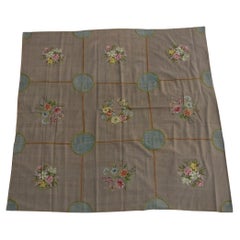
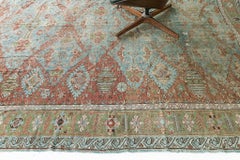
1920s Antique Needlepoint Rug - 6'7'' X 6'5''

1920s Antique Needlepoint Rug - 6'7'' X 6'5''

Located in Los Angeles, US

Needlepoint rugs were created using the traditional needlework weaving technique that is used to make everyday items from furniture to carpets and artwork. However, it has a fascinating history both as a hobby and as an industry. When many people think of carpets, they think of pile carpets or flat weave kilims, but needlepoint has also been used to create beautiful carpets. These carpets are durable and an important part of carpet history. Archaeologists and scholars consider the roots of needlepoint to have been around 1500 BC. They consider the first needlepoint to include the fine diagonal stitches that were used to sew tents together by the ancient Egyptians. The art eventually evolved into tapestry weaving. However, a tapestry weaving differs significantly from needlepoint in that it uses a loom and vertical warp. Tapestry weaving is closer to the weaving of kilims and pile rugs than canvas work. However, some still include tapestry weaving in the category of needlepoint because of the fine work that appeared during the late Renaissance. It can have a similar appearance to the untrained eye. Technically, tapestry weaving and needlepoint are not the same, and they do not use the same technique. The first actual needlepoint rugs and needle-points began to appear in the late Renaissance. Needlepoint is worked by creating stitches on a stiff canvas. The canvas is typically made from jute or linen and is quite durable. Pieces from the Renaissance were used to cover footstools, chairs, pillows, bed headboards, and other furnishings. They were also used as table coverings and wall coverings. You could also find them on many small items such as purses, shoes, and various adornments for clothing. During the Renaissance, the craft reached a high level of skill, and the designs became incredibly detailed and realistic. They mimicked many of the subjects and styles of famous paintings of the time. They created florals, still life designs, scenes, and geometric tiled pieces. Some of them mimicked the designs found in Persian Carpets. Needlepoint reached its peak popularity in the 19th century when it was considered a proper occupation for a lady. Needlepoint and embroidery held a similar place in societal status at the time. During this time, the work became finer, with some of the canvas reaching a high level of detail. The level of detail is determined by counting the number of mesh in an inch. During this time petit point by French needlewomen could have a mesh count as high as 45 mesh. This allowed women to create highly intricate designs with incredible levels of detail. It is possible to find many antique pieces of needlepoint besides rugs. Needlepoint rugs were popular in France and Spain, where the technique was adapted to create highly intricate designs that mimicked the designs in architecture and fashion. They were popular because they were durable, and it could be fashioned into a variety of items. The canvases themselves were durable, and the wool that they used was also strong, which means that many of the pieces were able to withstand daily use. We have many artifacts that have survived from this time period. Needlepoint rugs are important collectibles because they are different from the pile rugs and kilims that are typically found on the market. Needlepoint carpets are special because they take many hours to create, especially larger works. Needlepoint pieces of any type became popular throughout Europe during the 19th century. It is still a popular hobby today, but perhaps one of the most interesting stories is that of the Portuguese needlewomen of Arraiolos. The story of these women and their beautiful carpets begins in 1492. Needlepoint was a popular occupation in Spain, which had a large population of Moors and Jews. They were an integral part of Spanish culture. However, in 1492, Queen Isabella of Spain issued a proclamation that gave these ethnic groups the order to pack their bags and board ships headed...

Category

Other Vintage Early 20th Century Russian and Scandinavian Rugs
Materials

Wool

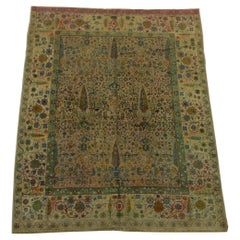
1920 Antique English Fragment Rug 3'6'' X 4'3''

1920 Antique English Fragment Rug 3'6'' X 4'3''

Located in Los Angeles, US

Ca.1920 Antique English Fragment Rug 4'3'' X 3'6'', handmade and hand-knotted piece , came from Europe to america back in 1950s and was made by weavers in Europe around 1920s. Englis...

Category

Asian Other Vintage Early 20th Century Russian and Scandinavian Rugs
Materials

Wool, Cotton

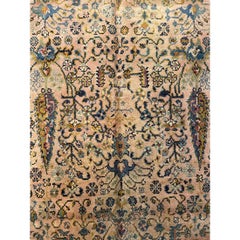
Vintage Central Asian Style Samarkand Rug

Vintage Central Asian Style Samarkand Rug

Located in Los Angeles, US

Antique Samarkand Rugs: The desert oasis of Khotan was an important stop on the Silk Road. The people of Khotan were expert carpet weavers who produced high quality antique rugs and ...

Category

Other Antique Early 20th Century Russian and Scandinavian Rugs
Materials

Wool, Cotton

19th Century Antique Tribal Khotan Samarkand 8'9'' X 5'8''

19th Century Antique Tribal Khotan Samarkand 8'9'' X 5'8''

Located in Los Angeles, US

Antique Samarkand Rugs: The desert oasis of Khotan was an important stop on the Silk Road. The people of Khotan were expert carpet weavers who produced high quality antique rugs and ...

Category

Asian Tribal Antique Early 20th Century Russian and Scandinavian Rugs
Materials

Wool, Cotton

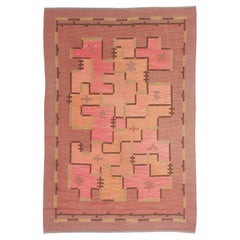
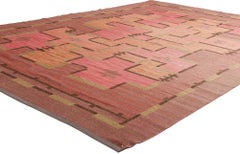
The Nordic Construct: A Vintage Finnish Art Deco Masterpiece of Bauhaus Elegance

The Nordic Construct: A Vintage Finnish Art Deco Masterpiece of Bauhaus Elegance

By Impi Sotavalta

Located in Dallas, TX

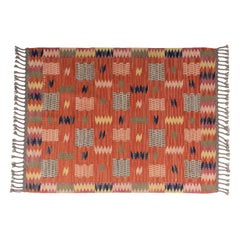
78476 Impi Sotavalta Finnish Flatweave Rug, 06'06 x 09'07. Bold yet disciplined, this handwoven Finnish flatweave captures the intellectual elegance of early 20th-century design at its most refined. At once architectural and expressive, it channels the confident geometry of Art Deco through the restrained clarity of Bauhaus philosophy. The striated brick red and mauve backdrop glows with a softened intensity, creating a foundation that feels grounded, cultivated, and deeply considered. This is not merely a rug—it is a design statement intended for interiors where art, architecture, and lifestyle intersect. At the heart of the exceptional composition, an abstract composite emerges from superimposed geometric fragments. Angular blocks, stepped forms, and cross-like emblems interlock with deliberate asymmetry, creating a dynamic tension that feels both cerebral and playful. The blunt outlining reinforces structure, while subtle tonal shifts soften the rigidity, allowing this extraordinary masterpiece to breathe. There is movement here—an orchestrated rhythm that reveals itself slowly, rewarding the attentive eye. Symbolically, the interlocking forms evoke construction, progress, and human ingenuity—hallmarks of the modernist era in which Finnish designers sought to harmonize craft with innovation. The stepped shapes suggest elevation and momentum, while the iconic cross motifs imply balance and alignment. Earth-infused hues—dusty rose, muted terracotta, soft olive, and warm clay—temper the geometry with warmth, ensuring the design feels inviting rather than austere. It is this rare balance between intellect and intimacy that defines its appeal. Placed within a curated interior—whether a refined modernist residence, a gallery-like living space, or a thoughtfully layered Scandinavian-inspired retreat—this exquisite work of art becomes an anchor of cultivated taste. Pieces of this conceptual clarity and chromatic confidence are increasingly sought by collectors who value design history and artisanal authenticity. This is woven modernism at its most elegant: intentional, expressive, and unmistakably distinguished. Rendered in variegated shades of brick red, mauve, brown, pink, orange, and tan with other accent colors. Possibly produced by Suomen Kasityon Ystavat...

Category

Finnish Scandinavian Modern Early 20th Century Russian and Scandinavian Rugs
Materials

Wool

1900 Antique Central Asian Samarkand Rug

1900 Antique Central Asian Samarkand Rug

Located in Los Angeles, US

Antique Samarkand Rugs: The desert oasis of Khotan was an important stop on the Silk Road. The people of Khotan were expert carpet weavers who produced high quality antique rugs and ...

Category

Other Antique Early 20th Century Russian and Scandinavian Rugs
Materials

Wool, Cotton

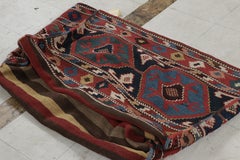
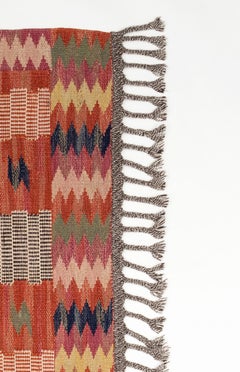
Antique Russian Tribal Bag Kilim with Geometric Patterns - Rug & Kilim

Antique Russian Tribal Bag Kilim with Geometric Patterns - Rug & Kilim

Located in Long Island City, NY

Handwoven in wool circa 1920-1930, this 2x9 Kilim is an antique Russian bag—a collectible textile once used by nomadic tribes in their daily life. On the Design: This archaic piece...

Category

Russian Vintage Early 20th Century Russian and Scandinavian Rugs
Materials

Wool

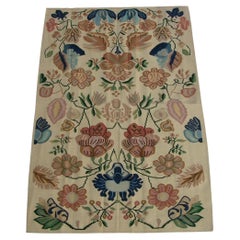
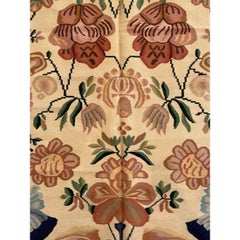
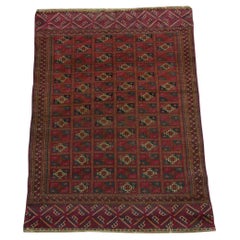
Doris Leslie Blau Antique Bessarabian Russian Soft Beige Flatweave Carpet

Doris Leslie Blau Antique Bessarabian Russian Soft Beige Flatweave Carpet

Located in New York, NY

This elegant antique Bessarabian carpet from the 1920s is a quintessential example of Eastern European textile artistry, known for its painterly aesthetic and soft palette. Hand-wove...

Category

Russian Bessarabian Vintage Early 20th Century Russian and Scandinavian Rugs
Materials

Wool

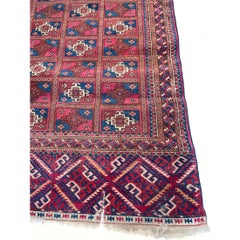
Early-19th Century Antique Decorative Khotan Samarkand Rug 8'10'' X 5'3''

Early-19th Century Antique Decorative Khotan Samarkand Rug 8'10'' X 5'3''

Located in Los Angeles, US

Early-19th Century Antique Decorative Khotan Samarkand Rug 8'10'' x 5'3'

Category

Asian Tribal Antique Early 20th Century Russian and Scandinavian Rugs
Materials

Wool, Cotton

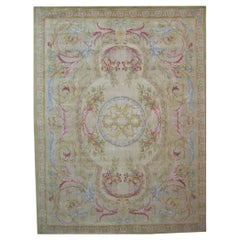
Antique Needlework Animal Print Design Rug

Antique Needlework Animal Print Design Rug

Located in Los Angeles, US

Needlepoint rugs were created using the traditional needlework weaving technique that is used to make everyday items from furniture to carpets and artwork. However, it has a fascinat...

Category

Asian Other Antique Early 20th Century Russian and Scandinavian Rugs
Materials

Cotton

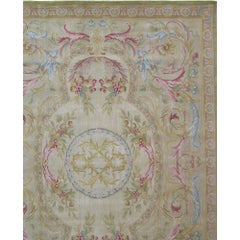
Antique Khotan Samarkand Rug-7'5'' X 4'5''

Antique Khotan Samarkand Rug-7'5'' X 4'5''

Located in Los Angeles, US

Up for sale is an Antique Khotan Samarkand Rug, from Uzbekistan, circa the 1900s.

Category

Uzbek Tribal Antique Early 20th Century Russian and Scandinavian Rugs
Materials

Wool, Cotton

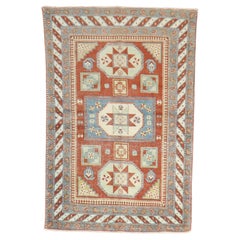
Antique Nomadic Sumak Rug - 5'10'' X 4'3''

Antique Nomadic Sumak Rug - 5'10'' X 4'3''

Located in Los Angeles, US

Antique Nomadic Rugs: – To most people the concept of the area rug, especially the pile rug, is virtually synonymous with the Orient, above all P...

Category

Tribal Vintage Early 20th Century Russian and Scandinavian Rugs
Materials

Wool

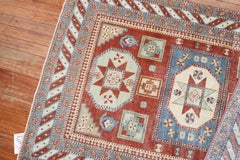
1900s Uzbek Samarkand Pictorial Rug-8'10'' X 5'8''

1900s Uzbek Samarkand Pictorial Rug-8'10'' X 5'8''

Located in Los Angeles, US

Ca.1900 Authentic Uzbek Samarkand Woolen Rug 8'10'' X 5'8'', tribal and traditional, antique and vintage, very good condition, wool on cotton foundation.

Category

Uzbek Tribal Antique Early 20th Century Russian and Scandinavian Rugs
Materials

Wool, Cotton

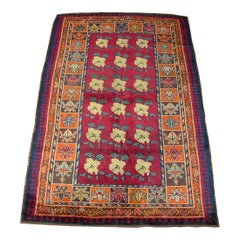
1920s Antique Needlepoint Runner

1920s Antique Needlepoint Runner

Located in Los Angeles, US

Needlepoint rugs were created using the traditional needlework weaving technique that is used to make everyday items from furniture to carpets and artwork. However, it has a fascinat...

Category

Other Vintage Early 20th Century Russian and Scandinavian Rugs
Materials

Wool, Cotton

Antique Oushak Rug 13.0x9.3

Antique Oushak Rug 13.0x9.3

Located in Los Angeles, US

Antique Turkish Oushak rugs have been woven in Western Turkey since the beginning of the Ottoman period. Historians attributed to them many of the great masterpieces of early Turkish...

Category

Other Antique Early 20th Century Russian and Scandinavian Rugs

Materials

Wool, Cotton

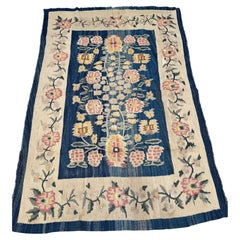
Antique 1920 Floral Samarkand Rug

Antique 1920 Floral Samarkand Rug

Located in Los Angeles, US

Antique Samarkand Rugs: The desert oasis of Khotan was an important stop on the Silk Road. The people of Khotan were expert carpet weavers who produced high quality antique rugs and ...

Category

Other Vintage Early 20th Century Russian and Scandinavian Rugs
Materials

Wool, Cotton

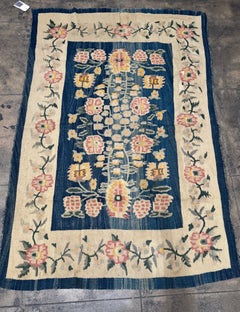
Antique Samarkand Rugs: The desert oasis of Khotan was an important stop on the

Antique Samarkand Rugs: The desert oasis of Khotan was an important stop on the

Located in Los Angeles, US

Antique Samarkand Rugs: The desert oasis of Khotan was an important stop on the Silk Road. The people of Khotan were expert carpet weavers who produced high quality antique rugs and ...

Category

Other Vintage Early 20th Century Russian and Scandinavian Rugs
Materials

Wool, Cotton

Mid-19th Century Khotan Samarkand

Mid-19th Century Khotan Samarkand

Located in Los Angeles, US

Antique Samarkand Rugs: The desert oasis of Khotan was an important stop on the Silk Road. The people of Khotan were expert carpet weavers who produced high quality antique rugs and ...

Category

Other Antique Early 20th Century Russian and Scandinavian Rugs
Materials

Wool, Cotton

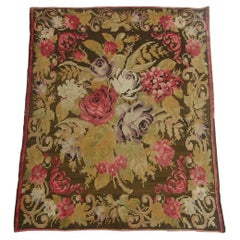
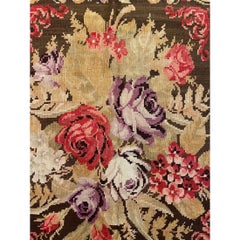
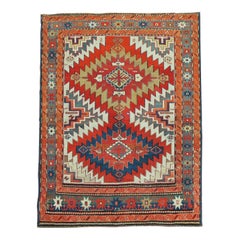
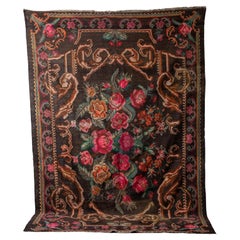
Early 20th Century Antique Bessarabian Rug

Early 20th Century Antique Bessarabian Rug

Located in Los Angeles, US

Antique Bessarabian Rugs / Kilims in both pile and tapestry weaving technique are some of the more beautiful carpets to have been produced in Europe. Many of the Bessarabian Kilims w...
Category

Other Antique Early 20th Century Russian and Scandinavian Rugs
Materials
Wool, Cotton