Want more images or videos?
Request additional images or videos from the seller
1 of 10

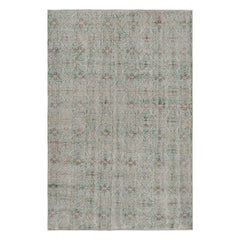
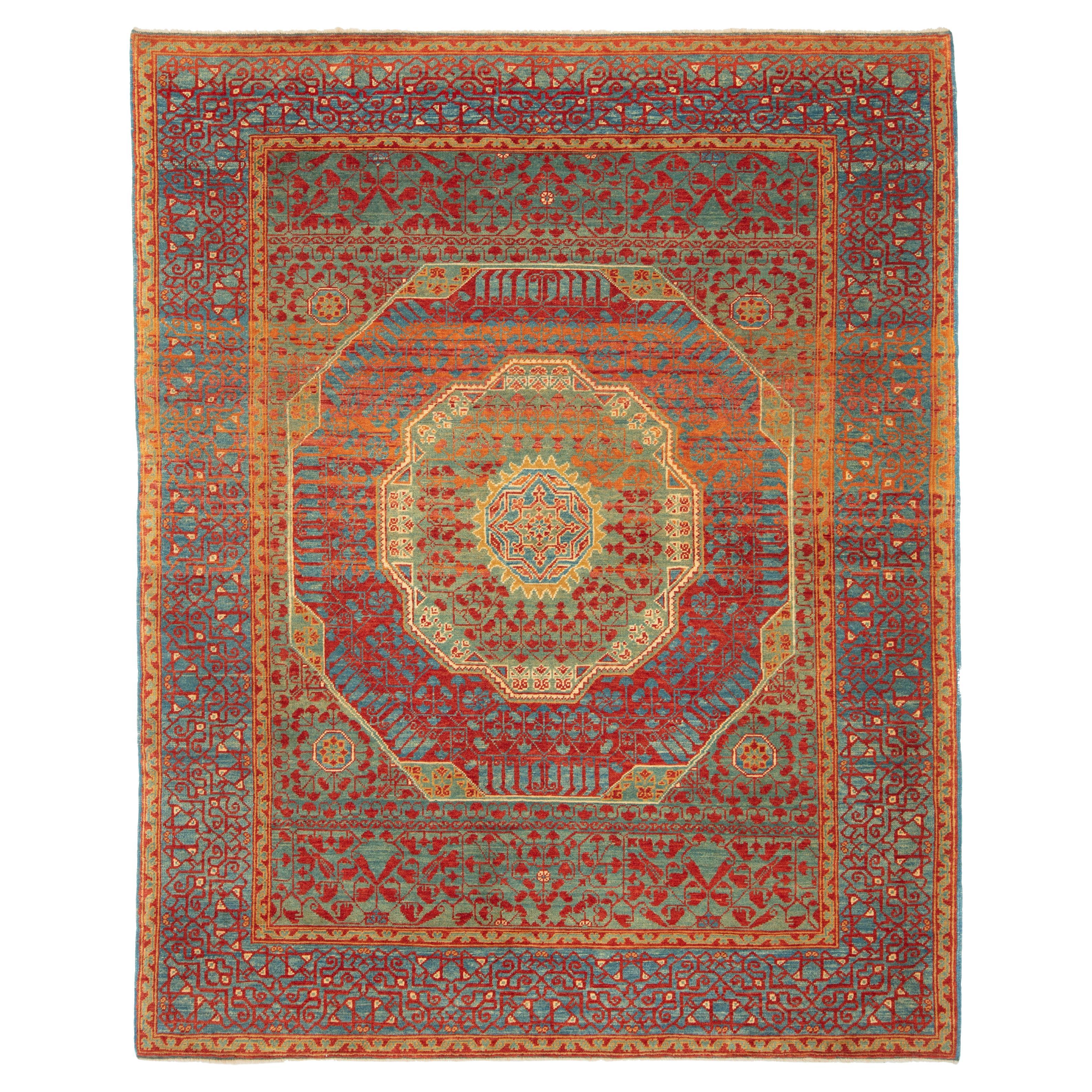
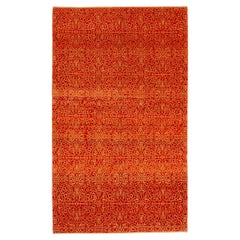
Ararat Rugs Modern Rug with Mamluk Geometric Design, Natural Dyed Carpet

$4,520
£3,382.79
€3,953.90
CA$6,387.10
A$6,447.26
CHF 3,704.61
MX$78,148.53
NOK 42,879.03
SEK 43,798.50
DKK 29,556.51

About the Item

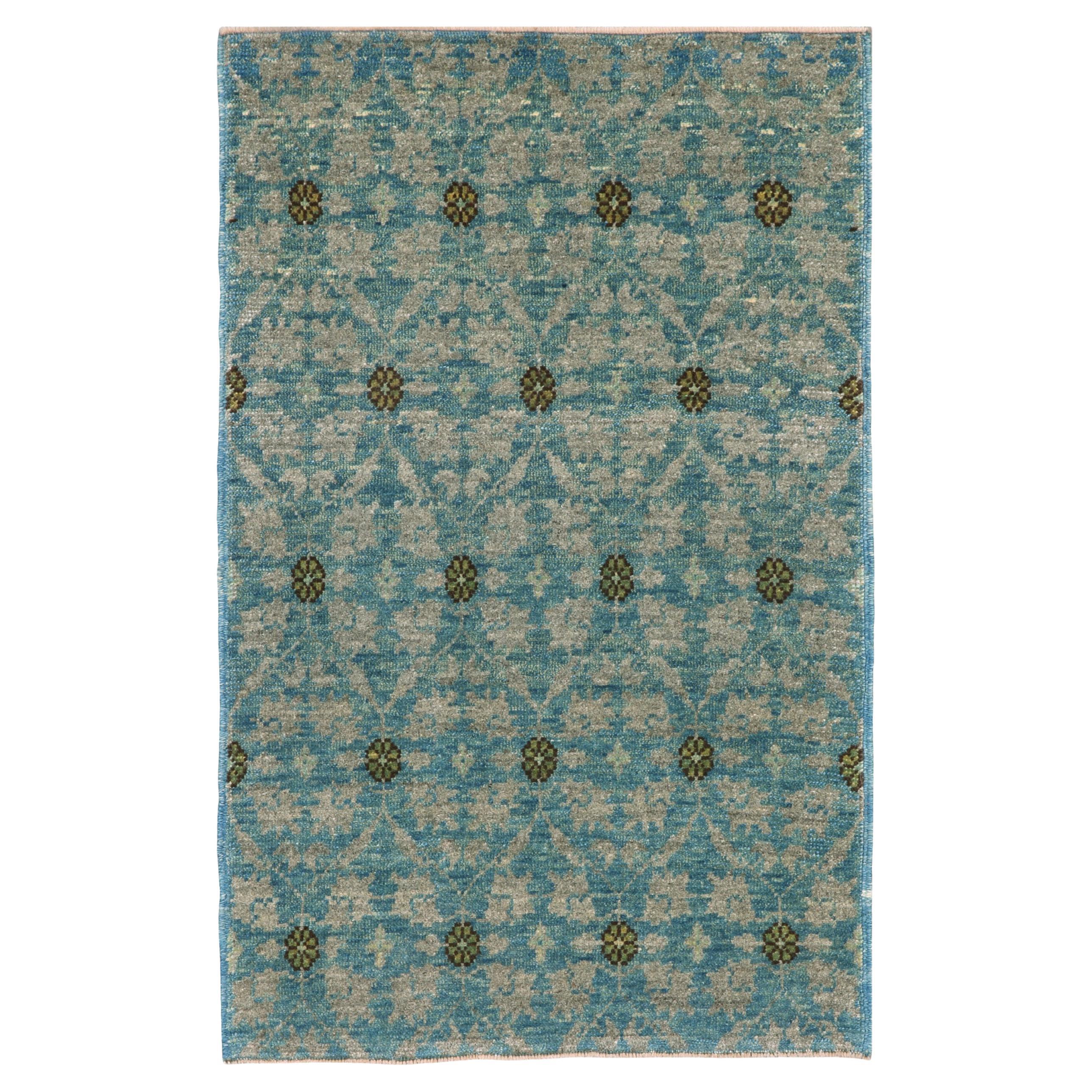
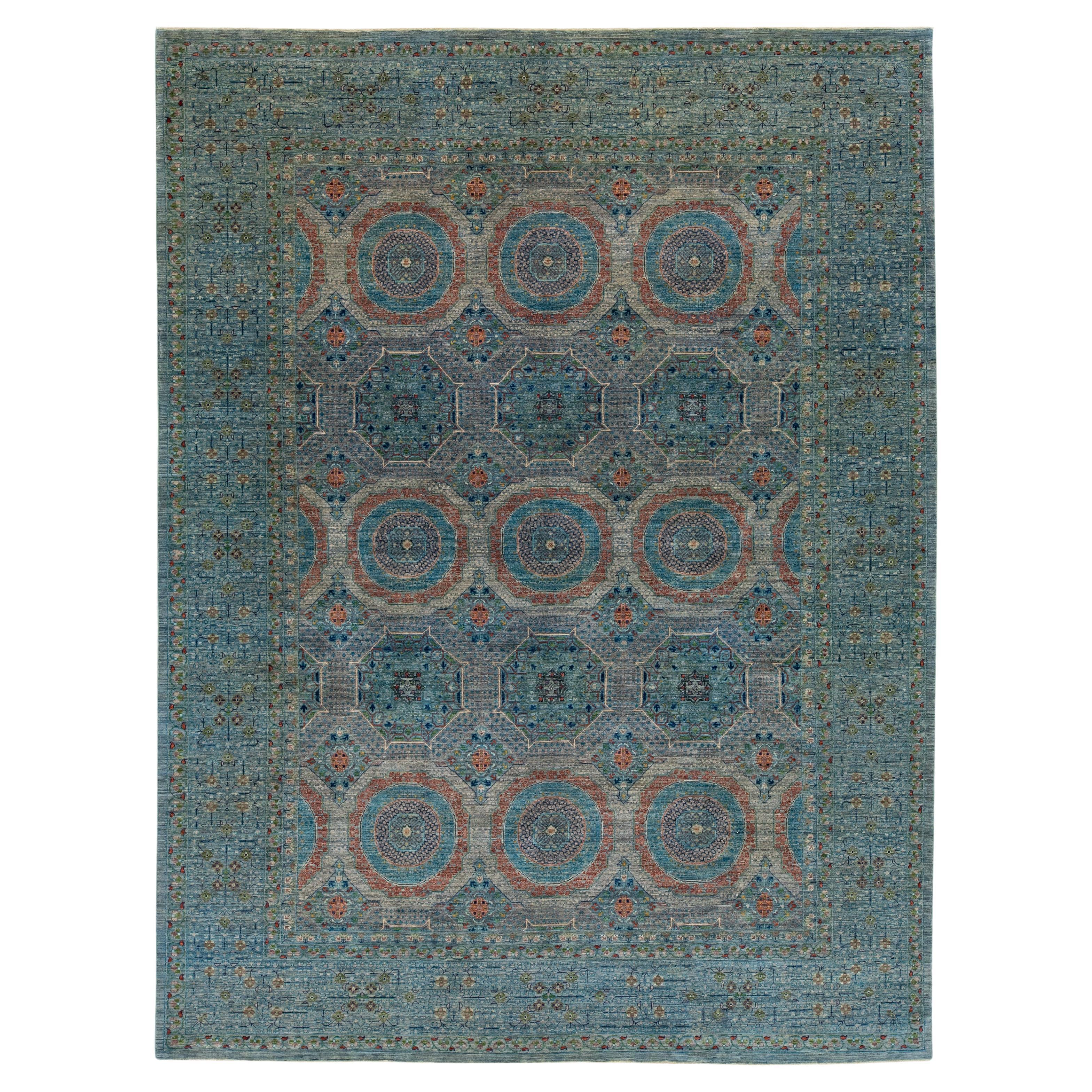
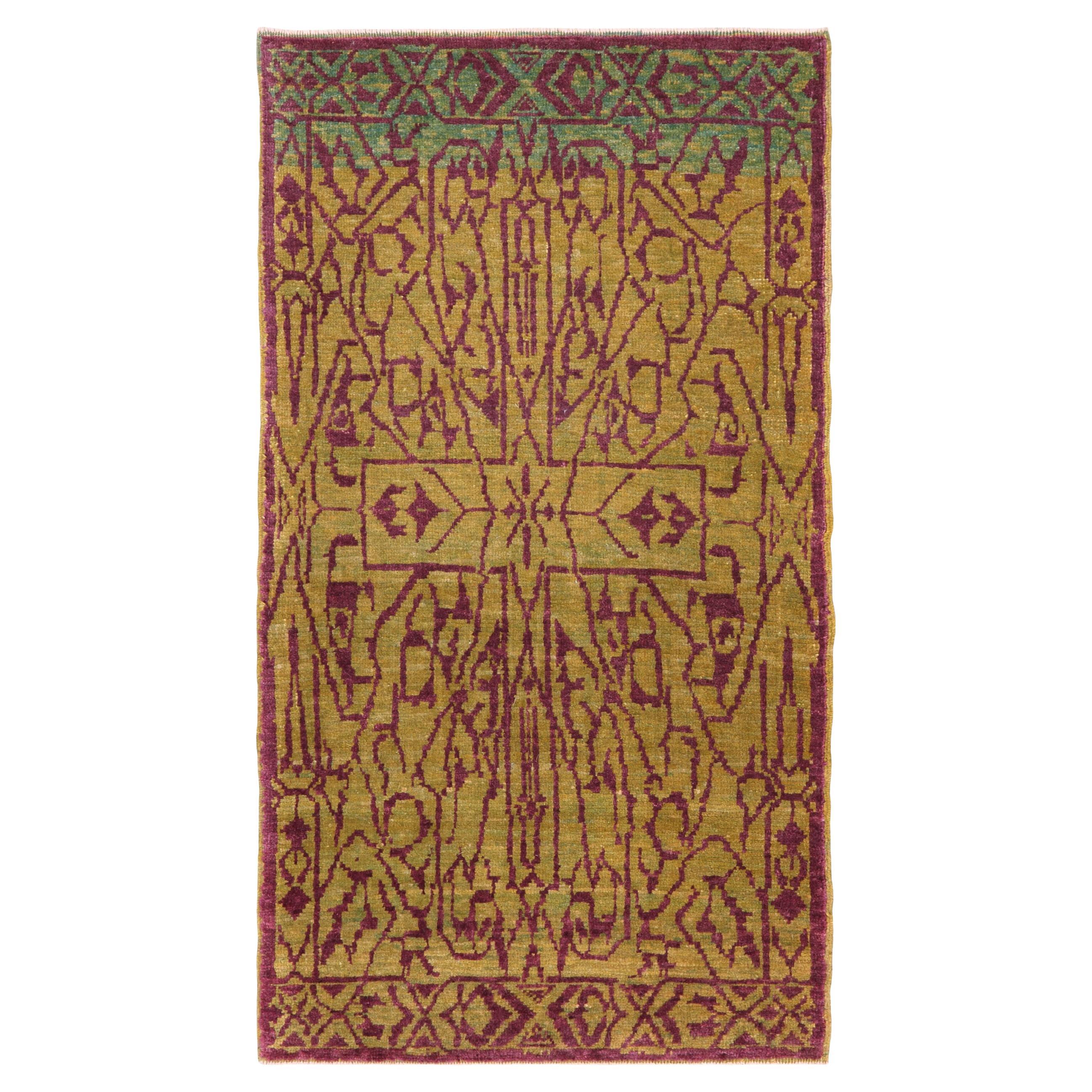
This rug has an interpreted design composed of a geometric lattice pattern taken from a part of the Mamluk rug, filling the field elegantly, has the impression that it is only part of a larger scheme designed 15th-century rug from the Mamluk era, Cairo region, Eygpt. Mamluk carpets originated in a physical environment that lacked the combination of abundant marginal grazing land and a temperate climate with cool winters that were common to most carpet-weaving areas in the Islamic world. While related to a broader tradition of Turkish weaving centered in Anatolia, far to the north, the designs of these carpets include atypical elements, such as stylized papyrus plants, that are deeply rooted in Egyptian tradition. Their unusual composition and layout probably represent an attempt to develop a distinctive product that could in effect establish a “Mamluk brand” in the lucrative European export market. The uncharacteristic color scheme—devoid of the undyed white pile and employing a limited range of three or five hues in much the same value—also suggests a conscious attempt to create a particular stylistic identity. Also virtually unique in the world of Islamic carpets is the S-spun wool. It has been argued that the tradition of clockwise wool spinning originated in Egypt because of the earlier Egyptian tradition of spinning flax into linen thread. Details of the plant’s botanical structure make it impossible to spin flax fiber in the more common counterclockwise direction utilized throughout the Middle East for wool and cotton. Mamluk carpets with the color combinations seen in the Simonetti are now generally accepted as part of an earlier tradition that has many links to the weaving of Anatolia, Iran, and Syria. The “three-color” Mamluk carpets, well represented in the Metropolitan’s collection, represent a later development that continued well after the Ottoman conquest of Egypt in 1517. Many such carpets may have been produced well into the seventeenth century, and possibly even later. (Walter B. Denny in [Ekhtiar, Soucek, Canby, and Haidar 2011]). The design of the rug is interpreted by our designers from our Mamlouk-type rugs collection and soft colors are used for this rug. Color summary: 2 colors in total; Feldgrau 414 (Chamomile - Indigo) Bamboo Beige 99 (Only Specially Washed) Group: Islamic Rugs Family Area: Mamluk Material of Pile: Natural Dyed Hand-spun Wool Material Warp / Weft: Wool on Wool Structure: Symmetrical knot on depressed warp inclining to the right Knots Density: 39x39 Production Place: Adiyaman Weight: 9.70kg Location: Istanbul Dimensions: 4 ft 9 in x 6 ft 4 in ( 145cm x 194cm )
  • Creator:
    Ararat Rugs (Manufacturer)
  • Dimensions:
    Width: 57.09 in (145 cm)Length: 76.38 in (194 cm)
  • Style:
    Revival (In the Style Of)
  • Materials and Techniques:
    Natural Fiber,Organic Material,Wool,Hand-Knotted,Hand-Woven,Vegetable Dyed
  • Place of Origin:
  • Period:
  • Date of Manufacture:
    2022
  • Production Type:
    New & Custom(One of a Kind)
  • Estimated Production Time:
    Available Now
  • Condition:
  • Seller Location:
    Tokyo, JP
  • Reference Number:
    1stDibs: LU8206241841962

More From This Seller

View All
Ararat Rugs Modern Rug with Mamluk Geometric Design, Natural Dyed Carpet

Ararat Rugs Modern Rug with Mamluk Geometric Design, Natural Dyed Carpet

By Ararat Rugs

Located in Tokyo, JP

This rug has an interpreted design composed of a geometric lattice pattern taken from a part of the Mamluk rug, filling the field elegantly, has the impression that it is only part of a larger scheme designed 15th-century rug from the Mamluk era, Cairo region, Eygpt. Mamluk carpets originated in a physical environment that lacked the combination of abundant marginal grazing land and a temperate climate with cool winters that were common to most carpet-weaving areas in the Islamic world. While related to a broader tradition of Turkish weaving centered in Anatolia, far to the north, the designs of these carpets include atypical elements, such as stylized papyrus plants, that are deeply rooted in Egyptian tradition. Their unusual composition and layout probably represent an attempt to develop a distinctive product that could in effect establish a “Mamluk brand” in the lucrative European export market. The uncharacteristic color scheme—devoid of the undyed white pile and employing a limited range of three or five hues in much the same value—also suggests a conscious attempt to create a particular stylistic identity. Also virtually unique in the world of Islamic carpets is the S-spun wool. It has been argued that the tradition of clockwise wool spinning originated in Egypt because of the earlier Egyptian tradition of spinning flax into linen thread. Details of the plant’s botanical structure make it impossible to spin flax fiber in the more common counterclockwise direction utilized throughout the Middle East for wool and cotton. Mamluk carpets with the color combinations seen in the Simonetti are now generally accepted as part of an earlier tradition that has many links to the weaving of Anatolia, Iran, and Syria. The “three-color” Mamluk carpets, well represented in the Metropolitan’s collection, represent a later development that continued well after the Ottoman conquest of Egypt in 1517. Many such carpets may have been produced well into the seventeenth century, and possibly even later. (Walter B. Denny in [Ekhtiar, Soucek, Canby, and Haidar 2011]). The design of the rug is interpreted by our designers from our Mamlouk-type rugs collection and vivid colors are used for this rug. Color summary: 2 colors in total; Imperial Red 426 (Madder Root) Sunray Color 405 (Henna) Group: Islamic Rugs...

Category

21st Century and Contemporary Turkish Revival Turkish Rugs

Materials

Wool, Natural Fiber, Organic Material
Ararat Rugs Modern Rug with Mamluk Jerrehian Border Design, Natural Dyed Carpet

Ararat Rugs Modern Rug with Mamluk Jerrehian Border Design, Natural Dyed Carpet

By Ararat Rugs

Located in Tokyo, JP

The source of the rug comes from the possession of Endre Unger, which was sold at Sotheby’s in 1992. That rug with the central star was designed in the early 16th-century rug by Maml...

Category

21st Century and Contemporary Turkish Revival Turkish Rugs

Materials

Wool, Natural Fiber, Organic Material
Ararat Rugs Mamluk Wagireh Rug with Geometric Design Revival Carpet Natural Dyed

Ararat Rugs Mamluk Wagireh Rug with Geometric Design Revival Carpet Natural Dyed

By Ararat Rugs

Located in Tokyo, JP

This geometric lattice pattern rug has the impression that it is only part of a larger scheme designed 15th-century rug from the Mamluk era, Cairo region, Eygpt. These designs have o...

Category

21st Century and Contemporary Turkish Revival Turkish Rugs

Materials

Wool, Natural Fiber, Organic Material
Ararat Rugs Mamluk Wagireh Rug with Geometric Design Doormat Size Revival Carpet

Ararat Rugs Mamluk Wagireh Rug with Geometric Design Doormat Size Revival Carpet

By Ararat Rugs

Located in Tokyo, JP

This geometric lattice pattern rug has the impression that it is only part of a larger scheme-designed 15th-century rug from the Mamluk era, Cairo region, Eygpt. These designs have o...

Category

21st Century and Contemporary Turkish Revival Turkish Rugs

Materials

Wool, Natural Fiber, Organic Material
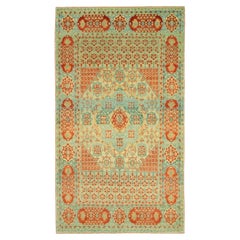
Ararat Rugs The Simonetti Mamluk Carpet 16th C. Revival Rug, Square Natural Dyed

Ararat Rugs The Simonetti Mamluk Carpet 16th C. Revival Rug, Square Natural Dyed

By Ararat Rugs

Located in Tokyo, JP

The source of carpet comes from the book How to Read - Islamic Carpets, Walter B. Denny, The Metropolitan Museum of Art, New York 2014 fig.61,62. The five-star-medallion carpet was d...

Category

21st Century and Contemporary Turkish Revival Turkish Rugs

Materials

Wool, Natural Fiber, Organic Material
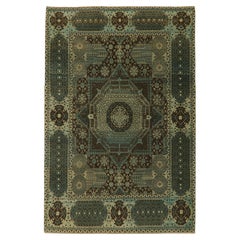
Ararat Rugs The Simonetti Mamluk Carpet 16th C. Revival Rug, Square Natural Dyed

Ararat Rugs The Simonetti Mamluk Carpet 16th C. Revival Rug, Square Natural Dyed

By Ararat Rugs

Located in Tokyo, JP

The source of carpet comes from the book How to Read - Islamic Carpets, Walter B. Denny, The Metropolitan Museum of Art, New York 2014 fig.61,62. The five-star-medallion carpet was d...

Category

21st Century and Contemporary Turkish Revival Turkish Rugs

Materials

Wool, Natural Fiber, Organic Material
You May Also Like

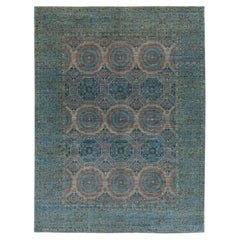
Hand-Knotted Modern Mamluk Wool Rug, Geometric Design, 9'1\" x 12'1\"

Hand-Knotted Modern Mamluk Wool Rug, Geometric Design, 9'1\" x 12'1\"

Located in Norwalk, CT

This Mamluk wool rug boasts a gray background intricately embellished with an array of multicolored geometric patterns. Hand-knotted and contemporary in design, it highlights blue ac...

Category

21st Century and Contemporary Pakistani Modern Central Asian Rugs

Materials

Wool

Vintage Zeki Müren Rug, with Geometric Patterns, from Rug & Kilim

Vintage Zeki Müren Rug, with Geometric Patterns, from Rug & Kilim

Located in Long Island City, NY

Handknotted in wool, this 5x8 vintage Art Deco rug originates from Turkey, circa 1960-1970, and is believed to be among the works of mid-century artist Zeki Múren. On the Design: ...

Category

Vintage 1960s Turkish Art Deco Turkish Rugs

Materials

Wool

Modern Moroccan Geometric Patterned Wool Rug 13'5''x18'

Modern Moroccan Geometric Patterned Wool Rug 13'5''x18'

By Amara Rugs

Located in Torrance, CA

Elevate your home with this stunning hand-knotted wool rug from Afghanistan, featuring a bold yet elegant geometric diamond pattern in a serene sky-blue and ivory palette. Perfectly ...

Category

21st Century and Contemporary Afghan Bohemian Central Asian Rugs

Materials

Wool

6.4x9.8 Ft Vintage Handmade Turkish Area Rug with Geometric Design, 100% Wool

6.4x9.8 Ft Vintage Handmade Turkish Area Rug with Geometric Design, 100% Wool

Located in Spring Valley, NY

A finely hand-knotted vintage Turkish rug from 1980s. The rug is made of medium wool pile on wool foundation. It is heavy and lays flat on the floor, in very good condition with no i...

Category

Vintage 1980s Turkish Rustic Turkish Rugs

Materials

Wool

Fine Transitional Rug by Keivan Woven Arts With Stylized Geometric Motifs

Fine Transitional Rug by Keivan Woven Arts With Stylized Geometric Motifs

By Keivan Woven Arts

Located in Atlanta, GA

Light tan and bright yellow and very finely woven Transitional rug in the tan background and bright yellow highlights, Keivan Woven Arts / rug AN-115305, country of origin / type: Tu...

Category

2010s Turkish Oushak Turkish Rugs

Materials

Wool

Muted Turkish Rug Antique Oushak with Geometric Design Floating Design

Muted Turkish Rug Antique Oushak with Geometric Design Floating Design

Located in Atlanta, GA

This antique Turkish Oushak rug features a muted design and soft colors of light green, cream and salmon. The large, multi-banded border frames the designs floating in the central fi...

Category

Vintage 1930s Turkish Oushak Turkish Rugs

Materials

Wool