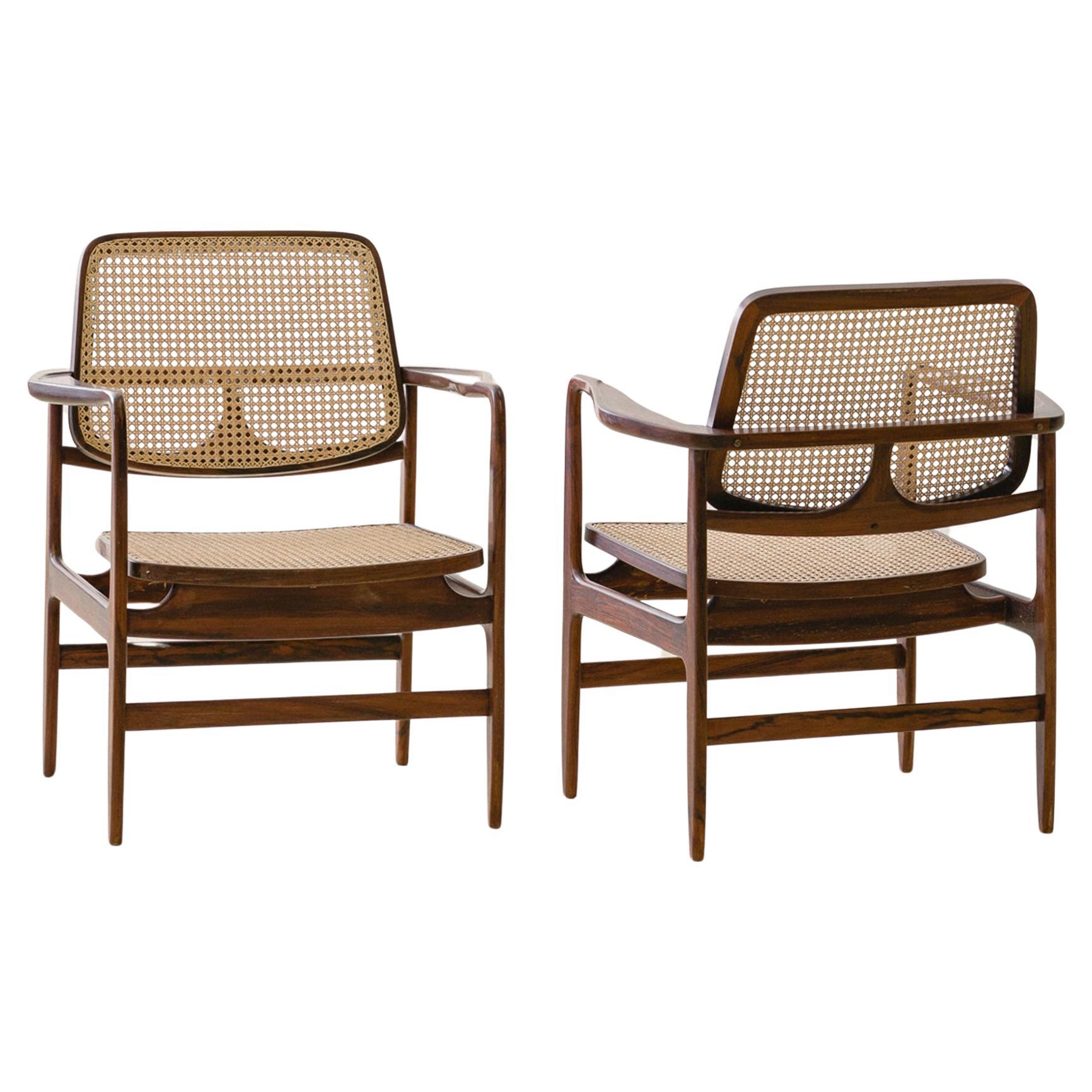
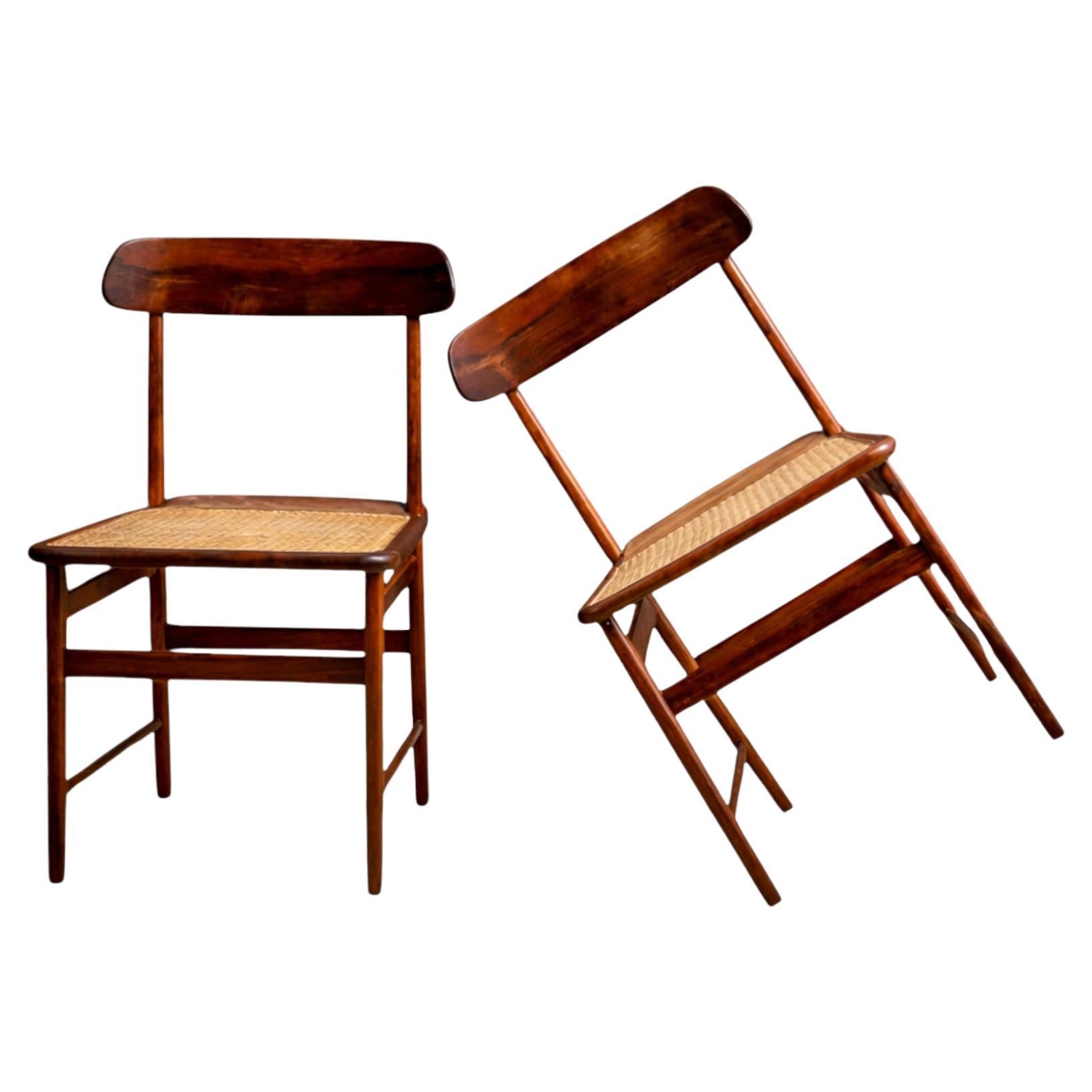
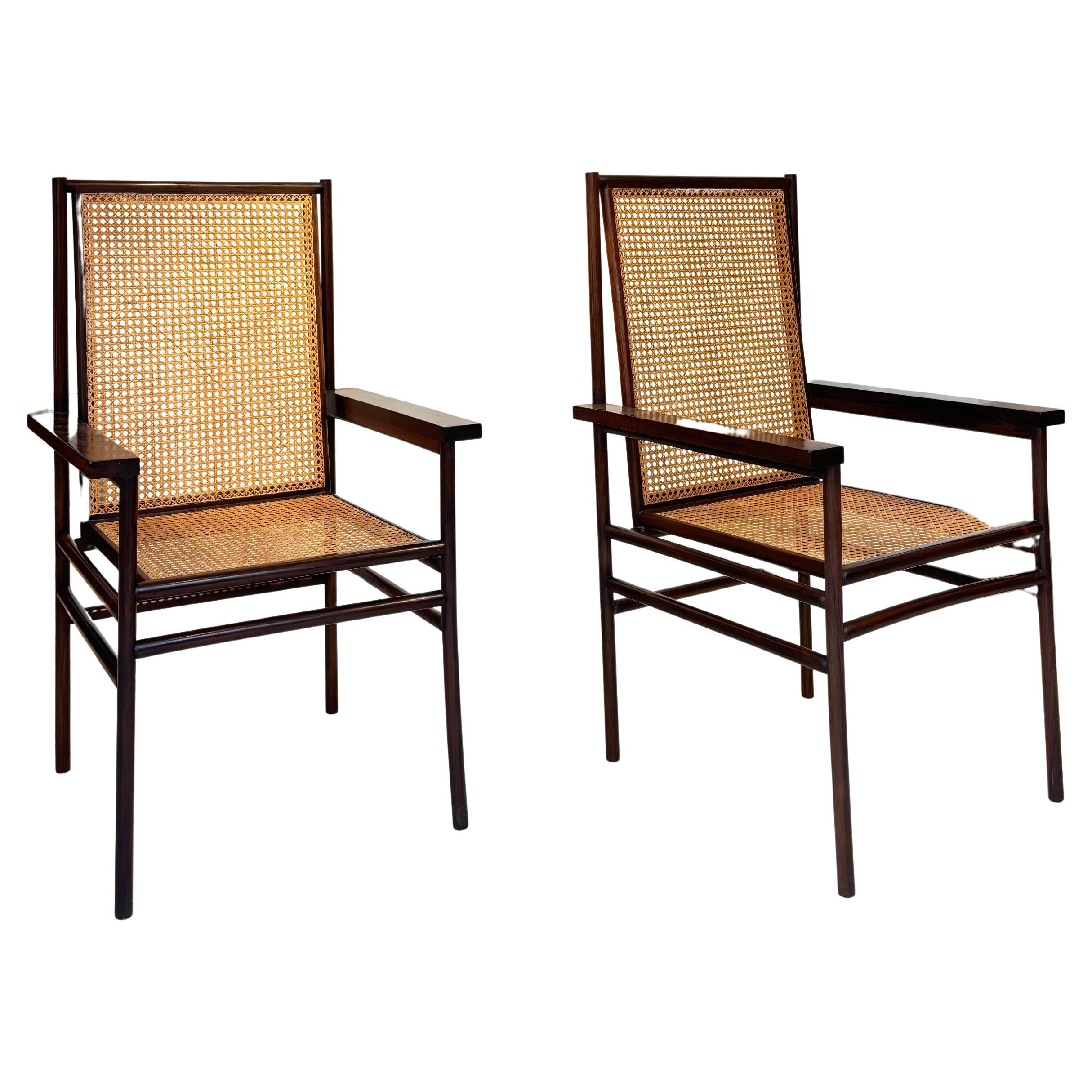
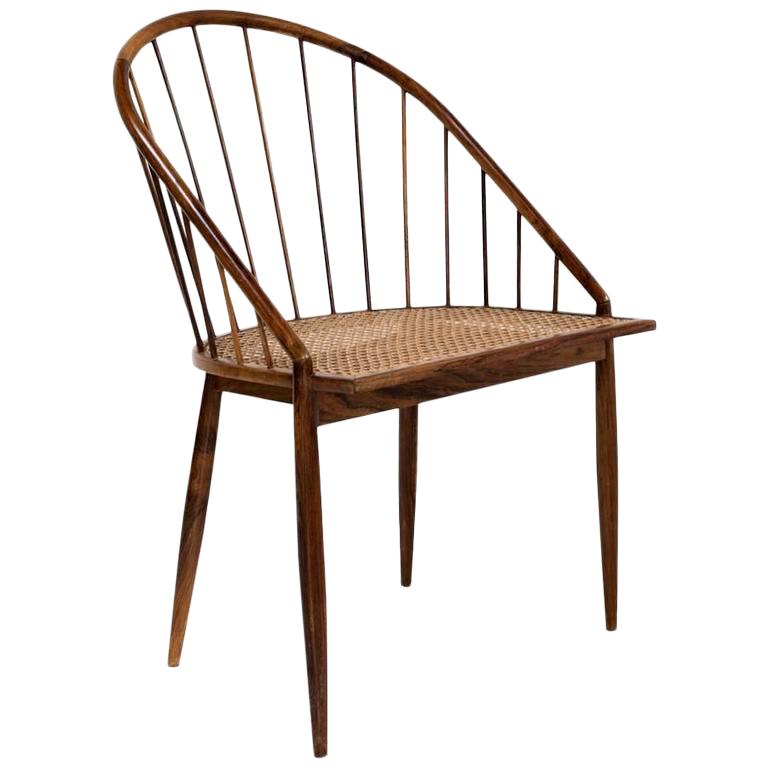
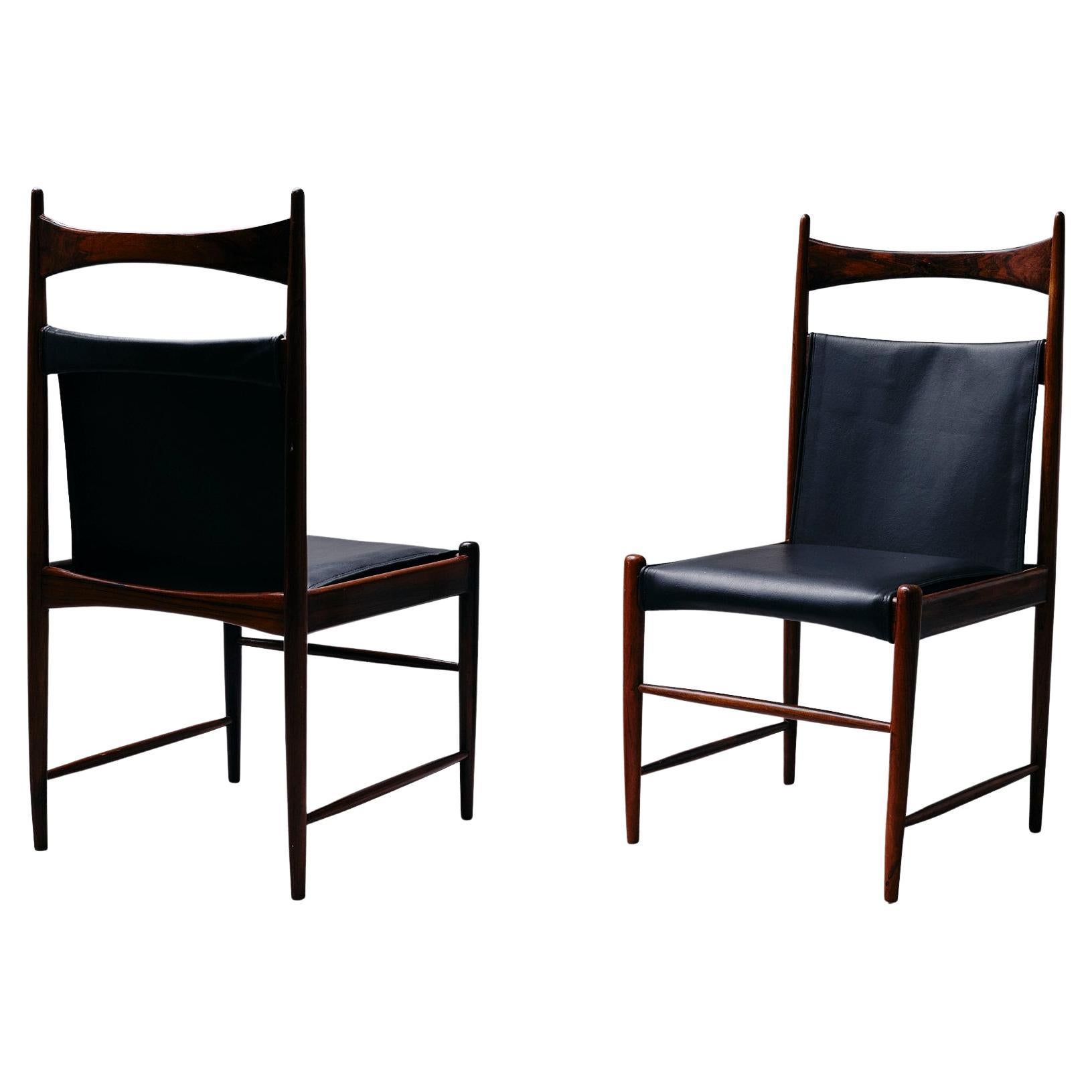
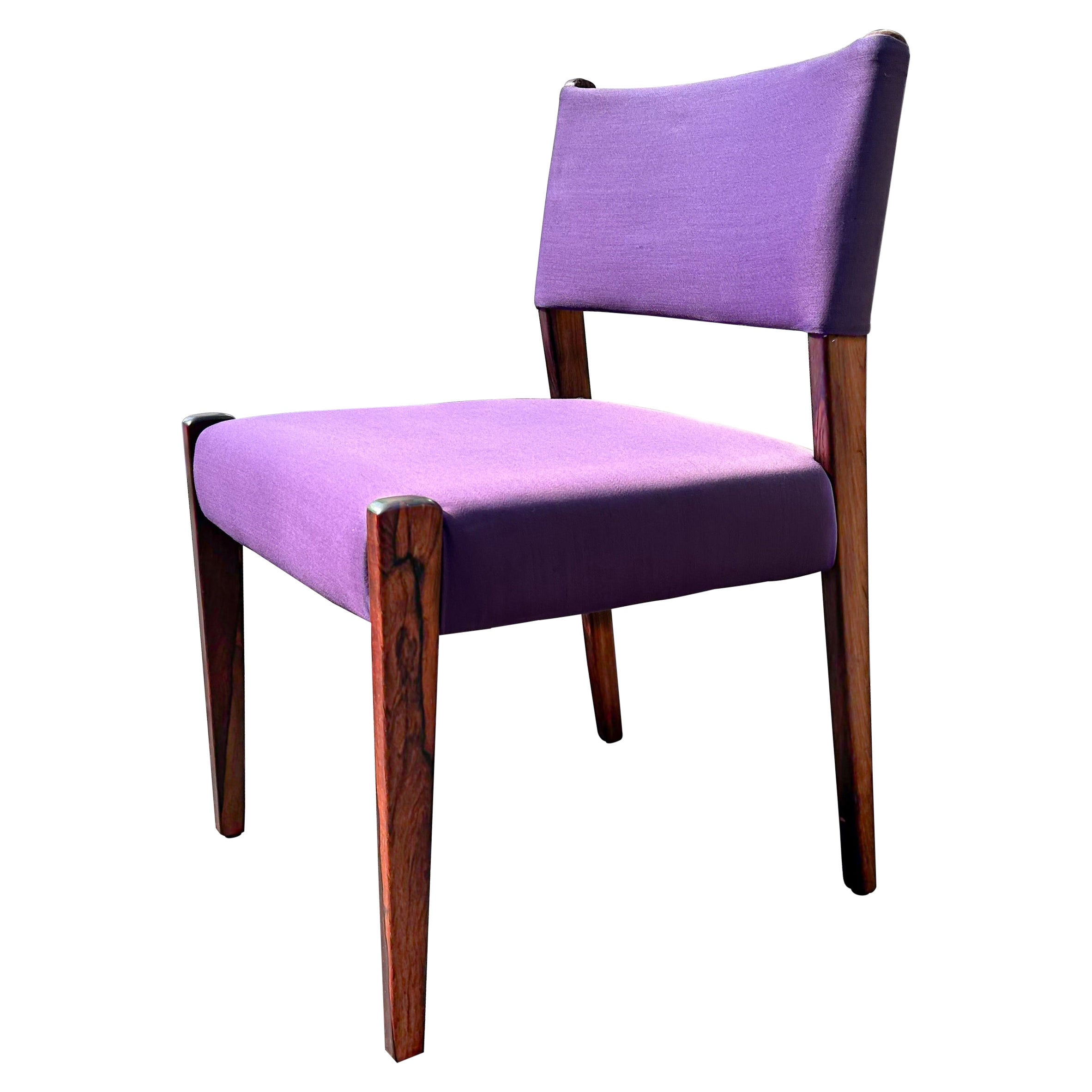
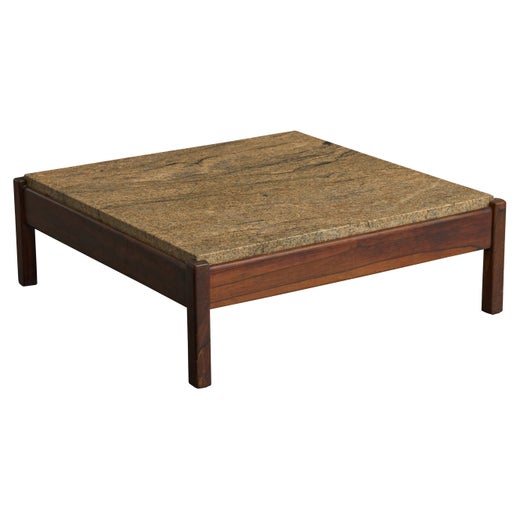
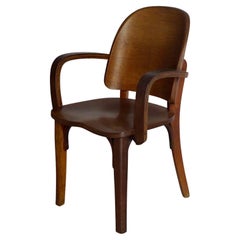
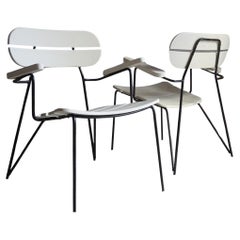
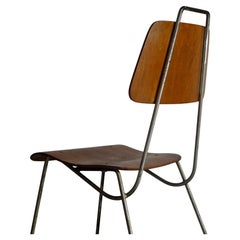
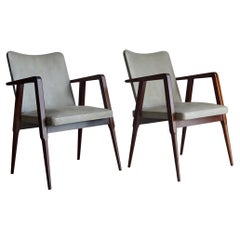
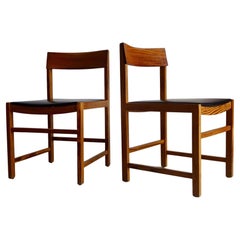
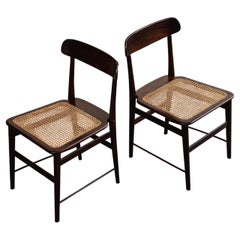
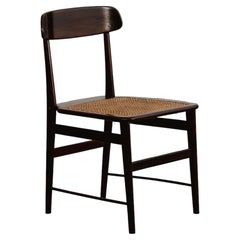
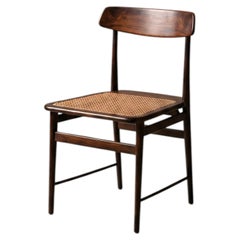
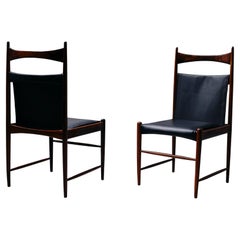
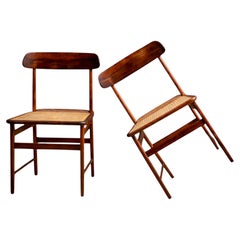
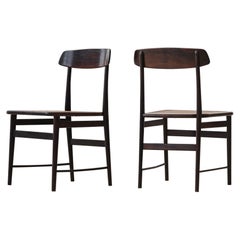
The prolific architect and designer Sergio Rodrigues is often called the "father of modern Brazilian design," but it is the second adjective in that phrase that deserves emphasis: Rodrigues’s great achievement was to create furniture in a style that captured the spirit, character and personality of his country.
Modernity came slowly to 20th-century Brazil, politically and culturally. The nation finally realized genuine constitutional democracy in 1945, ushering in a new, progressive era in the arts. More often than not, the luxurious furnishings of that time and place, with their gleaming wood, soft leathers and inviting shapes, share a sensuous, uniquely Brazilian quality that distinguishes them from the more rectilinear output of American mid-century modernists and Scandinavian makers of the same era. Until that time in Brazil, heavy furniture based on historical European models had been the norm.
In the late 1940s, designer Joaquim Tenreiro introduced sleek, minimalist chairs and cabinets; José Zanine Caldas, now best known for his later artisanal work, created plywood furnishings for mass production; the Italian architect Lina Bo Bardi, a former editor for the Gio Ponti-founded magazine Domus — and a furniture designer with talent, imagination and a social conscience — set up shop in São Paulo, designing elegant, flexible chairs set on slim metal frames.
This was the heady scene into which Rodrigues, the son of an artistically prominent Rio de Janeiro family, arrived after graduating in 1952 from the national university. He moved to Curitiba and helped establish the furniture manufacturer Móveis Artesanal with Italian designer Carlo Hauner and Austrian architect Martin Eisler — as well as Carlo’s brother Ernesto Hauner — which eventually rebranded as Forma. Later, Rodrigues relocated to Rio de Janeiro where he founded Oca in 1955, a company that would become the preeminent maker and retailer of modernist furniture in Brazil.
When architects Lúcio Costa and Oscar Niemeyer were tasked in 1956 with the whirlwind project to plan, design and build the new capital, Brasília, in five years, they used Rodrigues’s early chairs, with their softly-contoured lines and caned seats and backrests, to furnish many of the buildings.
Rodrigues would realize the true expression of his talents in — and garner international awards and acclaim with — his Mole chair of 1957. The word mole means "soft" in Portuguese, but can be interpreted as "easygoing" or even "listless." The chair, which is also known as the Sheriff chair, features a sturdy, generously proportioned frame of the native South American hardwood jacaranda, upholstered with overstuffed leather pads that flap like saddlebags across the arms, seat, and backrest.
Rodrigues's Mole chair invites sprawling — perfect for the social milieu of the bossa nova and caipirinha cocktails; where a languorous afternoon spent chatting and joking is the apex of enjoyment. The seat won first prize at the IV Concorso Internazionale del Mobile in Cantù, Italy, in 1961, and ISA Bergamo acquired the rights to manufacture a modified version of Rodrigues’s original design.
In 1963, Rodrigues established a shop called Meia-Pataca, which sold simpler and more affordable furniture he had designed, such as his Tonico seating, which was intended for student housing.
Most of the estimated 1,200 armchairs, sofas, tables, storage cabinets and dining tables Rodrigues created in his long career are imbued, in one way or another, with the air of robust relaxation that defines the Mole chair. He was a designer who was true to the temperament of his people.
Find vintage Sergio Rodrigues furniture for sale on 1stDibs.