Royal House Antiques
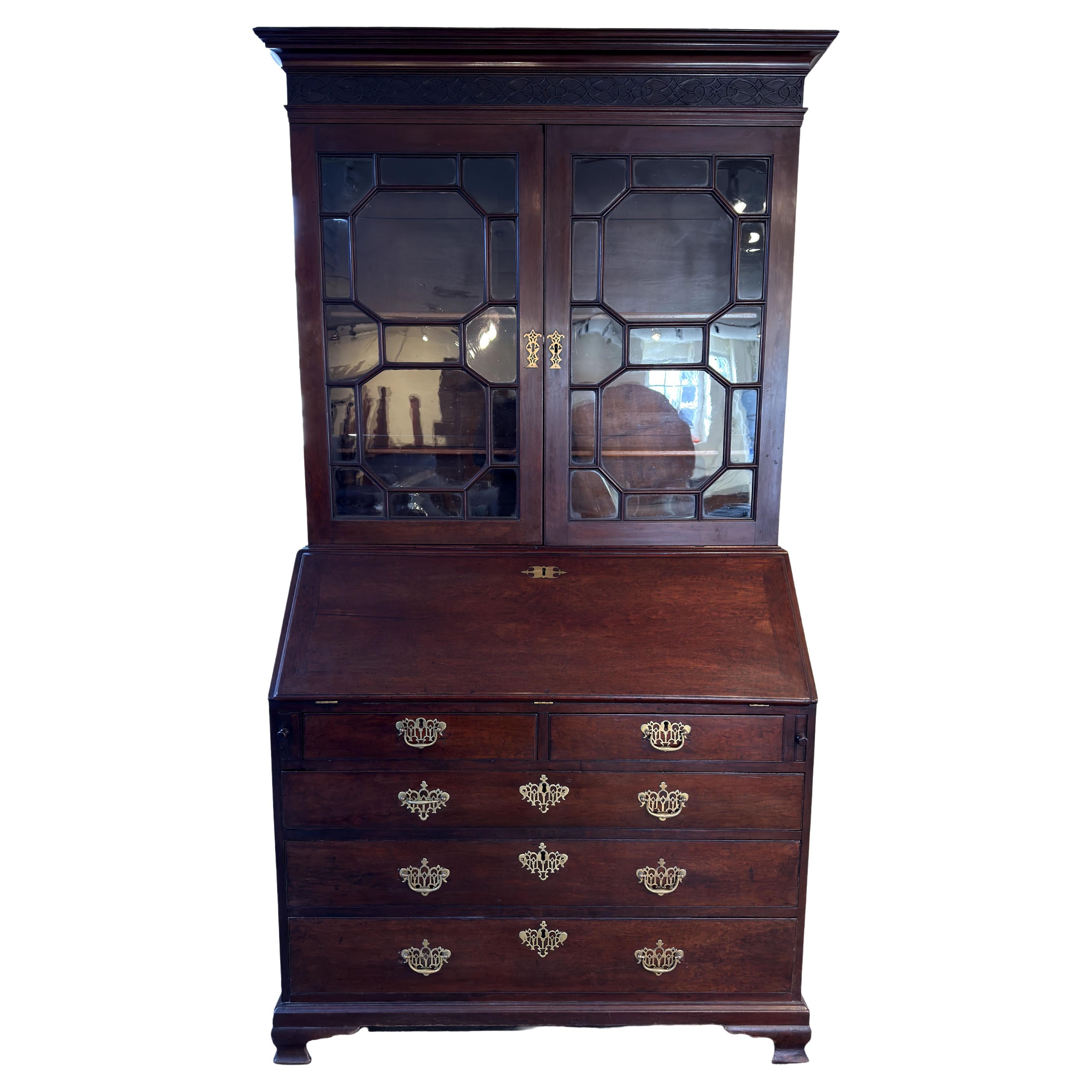
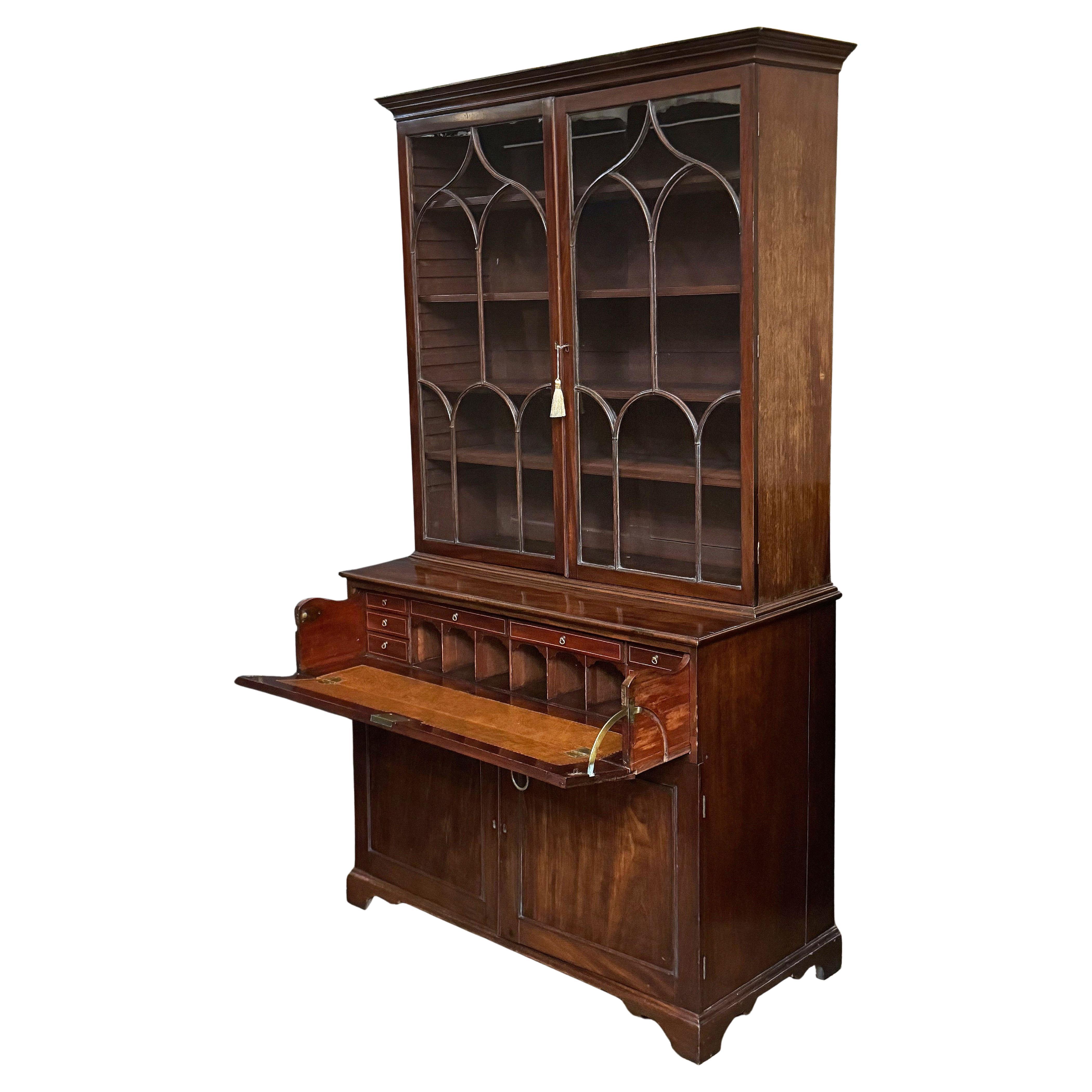
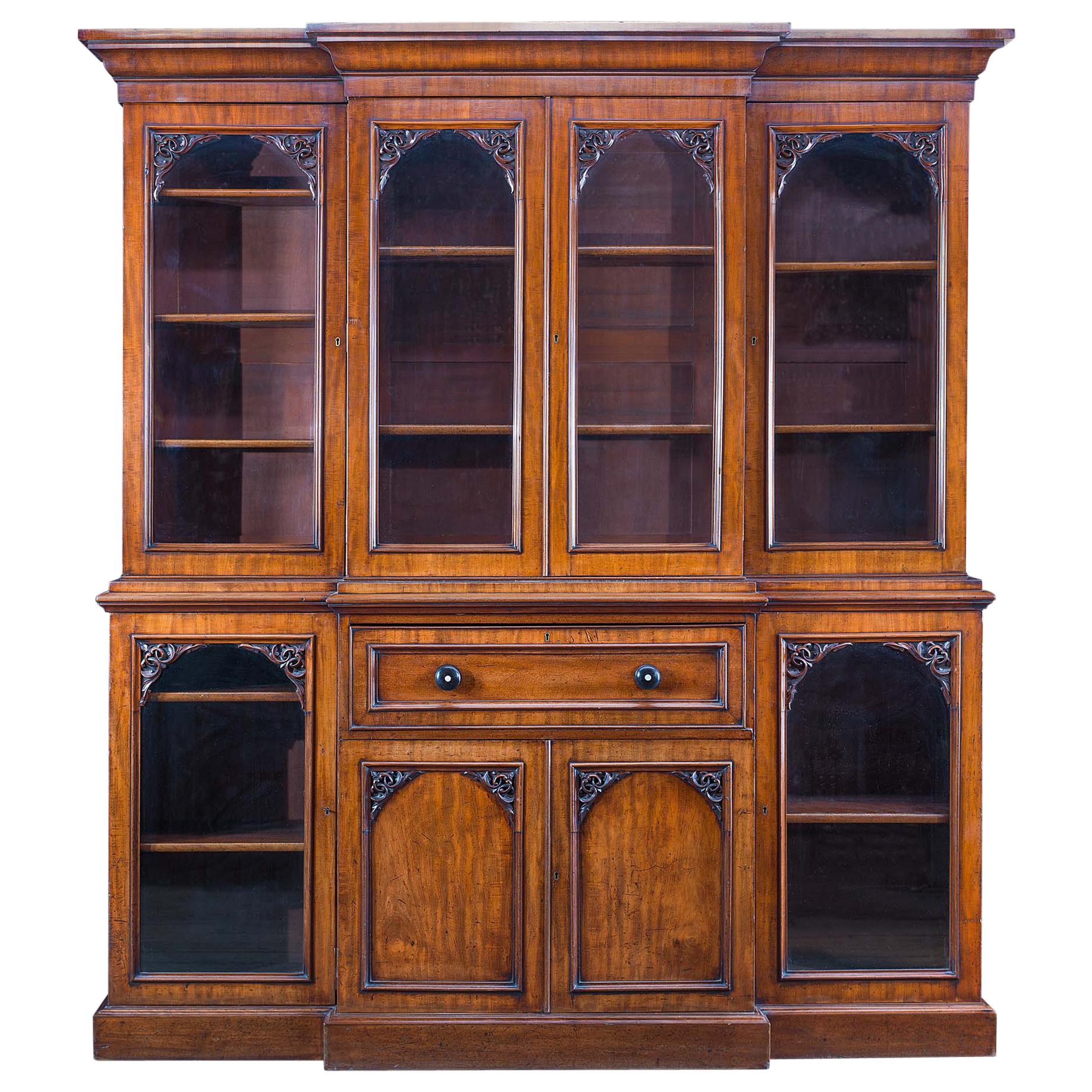
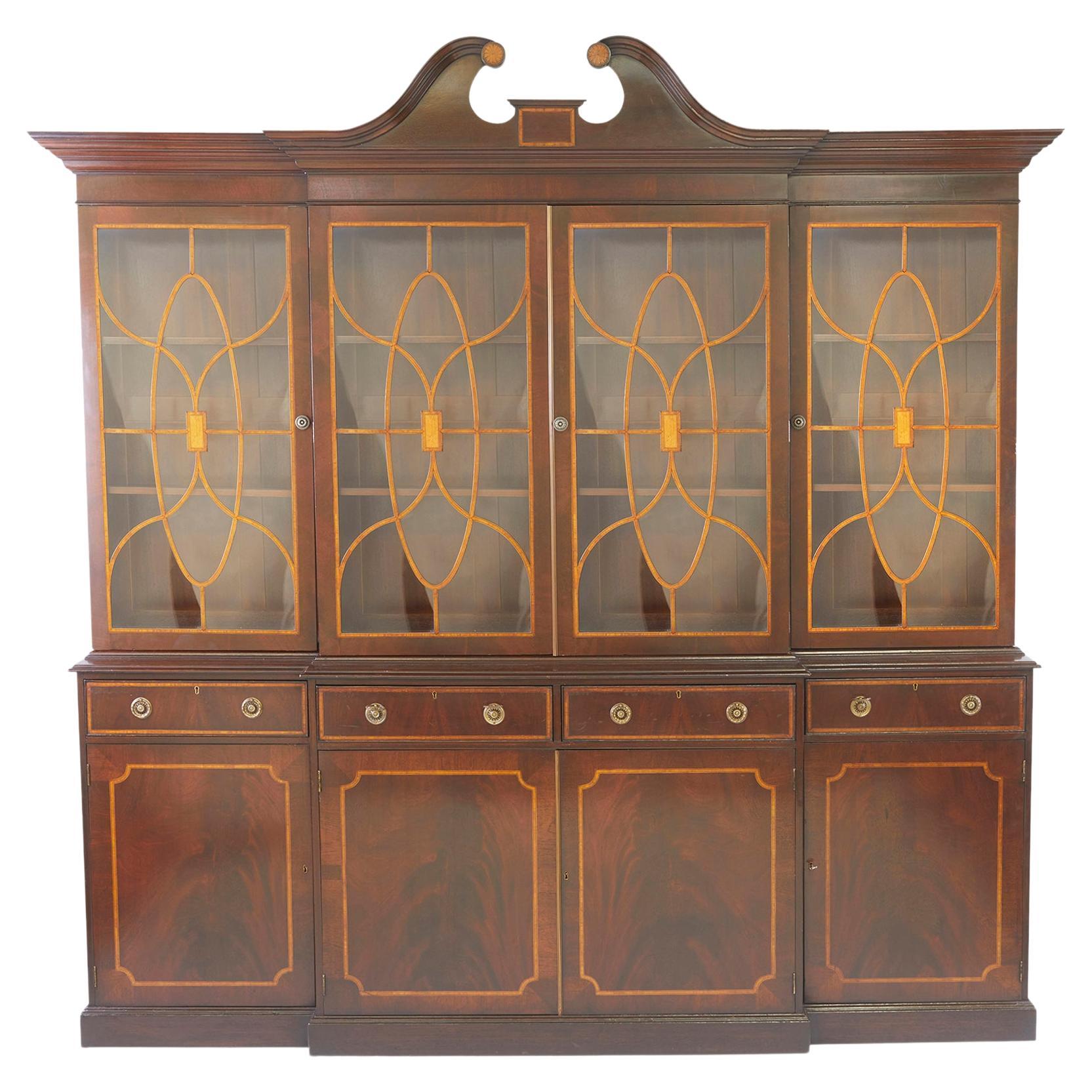
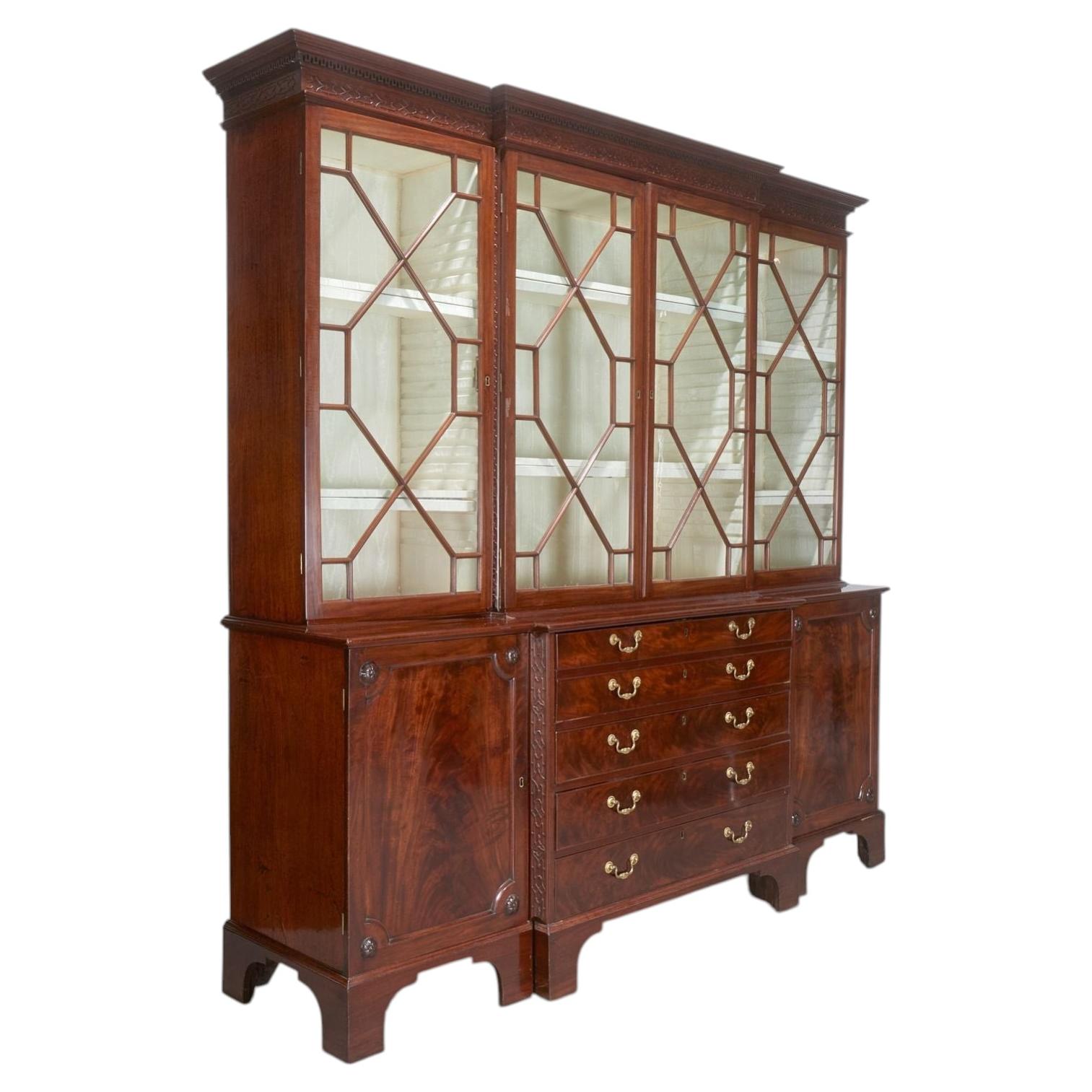
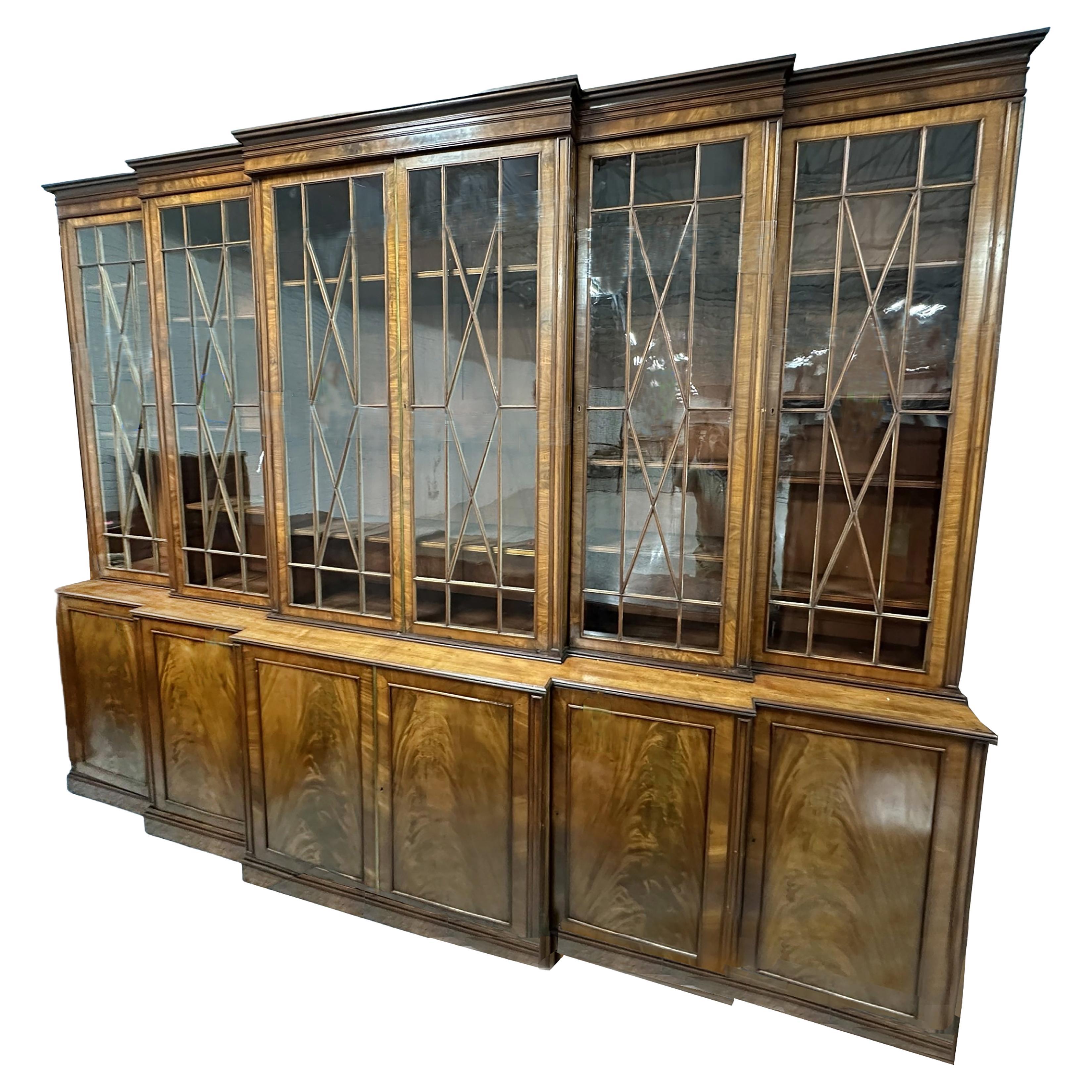
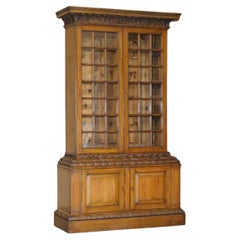
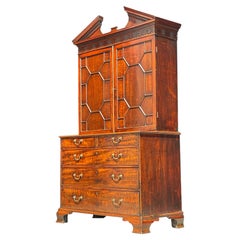
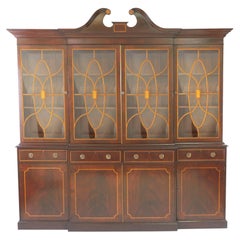
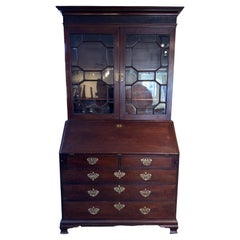
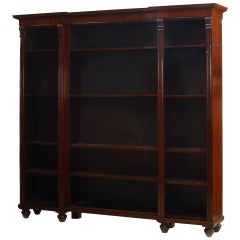
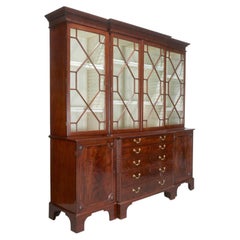
Royal House Antiques is delighted to offer for sale this highly collectable, restored, Victorian circa 1860-1880, Pine and oak very large Library Bookcase with Campaign drawers to the base which is from the original design by Samuel Pepys 1666 which is part of a huge suite
Please note the delivery fee listed is just a guide, it covers within the M25 only for the UK and local Europe only for international, if you would like an accurate quote, please send me your postcode and I’ll provide you with the exact price.
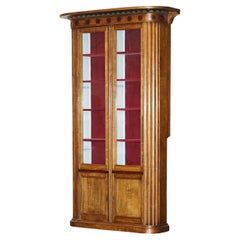
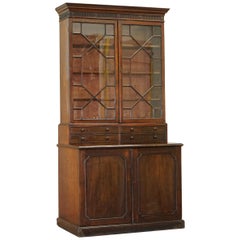
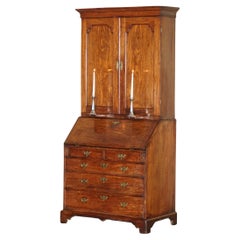
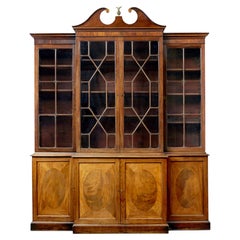
Where to start! This bookcase is part of a large suite as mentioned, in total the suite measures exactly 10 meters wide, it is a very very substantial suite and won't be found again, this sale is for the piece listed above alone with the other three bookcases each being listed under my other items, I have in total a massive four bay quad bookcase which is glazed top and bottom, a very large two bay bookcase again glazed top and bottom, a matching size two bay bookcase but with a cupboard base which houses a campaign bank of drawers, and lastly a smaller two bay one piece bookcase with cupboard base
This style of bookcase was designed by Samuel Pepys in 1666 its basically the birthplace of the free-standing bookcase as we know it today, in 2016 they celebrated their 350th anniversary, these are mid 19th century examples hand made by a master craftsman, every single piece of wood has been hand cut, it is exquisite craftmanship that you rarely see in period pine and oak
I will include below the history of the pieces in their original form, these bookcases are historically important, the originals are in the Samuel Pepys Library in the Magdalene College of Oxford university, there is one in the Victorian and Albert Museum.
This is the only one I have seen with the campaign drawers to the base, it offers huge amounts of storage as you can see in the pictures
This piece has been restored to include a deep clean, hand condition wax and hand polish, there will be age and use related patina marks as you would expect from a piece this age, the shelves and glass all look to be original, I will have new keys made prior to dispatch which should work with all the locks
Purchasing a piece this size is a real investment, there is time work and cost involved but once that's completed, the new owner with be the steward of a very substantial and important antique that could easily house multiple personal library's
Dimensions
Height:- 286.5cm top to bottom, top section alone 209.5cm, base 77cm
Width:- 218.5cm at the very top, 219cm in the middle and 225.5cm at the base
Depth:- 48cm at the top, 46cm in the middle, 53.5cm at the very bottom
Please note all measurements are taken at the widest point, if you would like any additional or specific measurements please ask
Samuel Pepy
350th Anniversary year 2016 marks the 350th Anniversary of the Great Fire of London, which Pepys so famously recorded in his diary.
This year also marks the 350th birthday of Pepys’ first two bookcases, or ‘presses’ as he called them.
Pepys noted in July 1666 that he had lost the use of his books due to their being stacked up on chairs. Instead of emulating a library in an aristocratic house by fitting shelving to the walls in his modest lodgings on Seething Lane, Pepys decided upon a flexible (and affordable) approach to the storage of his books. He commissioned a ship’s Master Joiner, Thomas Simpson, to help create a radical new design. The freestanding ‘flat pack’ oak book presses, which can be dismantled and moved using the carrying handles fitted to the sides, indicate Pepys’ ambition to move into bigger and better accommodation. During Pepys’ lifetime, the presses were moved around as he changed his place of residence. However, the presses have never been moved from the Pepys Building since their arrival at Magdalene in 1724. During the Great Fire of London in September 1666, when the first two book presses were almost brand new, Pepys had them sent across the River Thames to Deptford for safe keeping. A few weeks after the fire, Thomas Simpson returned to help ‘set them up’ again in Seething Lane.
The book presses are a representation of Pepys’ understanding of book conservation and a reflection of his astuteness. By employing the services of a ship’s master joiner, Pepys used his naval connections to ensure a ‘good deal’ for the materials and workmanship, and the presses are reminiscent of ship’s furniture, for example the deep carving patterns in the wood. The wooden feet prevent damp and rodent damage, and the glazed fronts allow the books to be shown to their best advantage. This type of book storage was revolutionary, and the presses are now considered to be the oldest of their type with these particular features. Of course, books in the 17th century were still a symbol of status and the notion of books as aesthetically beautiful objects to enhance a room’s decoration was an important one. This idea, combined with Pepys’ love of order and organisation, leads to an obsession with achieving aesthetic perfection, and the overall look of the library was extremely important to him. The books are stored in order of height, going against contemporary practice of shelving books by subject matter. Although this seems a very illogical idea, we can be grateful to Pepys for his predilection for symmetry of form: by having books of the same size next to each other, the books are well supported and thus the bindings remain in a good condition to the present day.
Pepys repeatedly vowed to himself in his diary that he would not buy any books which he did not have room for in his presses, but throughout his lifetime and as his wealth increased, he commissioned more presses to be made in the same design to house his ever-growing book collection. Although at first glance the presses look identical, there are slight differences: the later presses do not have adjustable shelving, whilst the early ones do.
Any questions please feel free to ask before you bid.
Condition
Please view the very detailed pictures as they form part of the description around condition
Please note vintage period and original items such as leather seating will always have natural patina in the form of cracking creasing and wear, we recommend regular waxing to ensure no moisture is lost, also hand dyed leather is not recommended to sit in direct sunlight for prolonged periods of time as it will dry out and fade.