Venetian school, 18th century
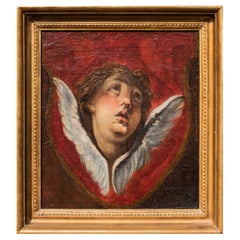
Study with the head of a cherub
Measures: Oil on canvas, 45.5 x 41 cm - with frame 54.5 x 49.5 cm
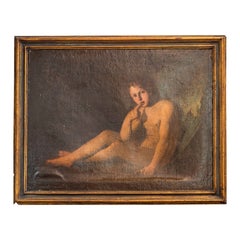
The present qualifies as a study or preparatory sketch by virtue of the structural and figural layout; by reason of formal and substantial evidence, it can be traced back to the mature neo-Venetian style, which in the eighteenth century had begun to produce figurations of extreme typological pathetism and formal expressionism. The contemporary painting experience of Tiepolo commanded the Venetian art scene, once the lesson of Pier Francesco Mola (1612-1666) was overruled.
The delicate putto head offered here, in which a cherub is recognizable due to the happy iconographic solution of the wings placed under the angel's face, is outlined with a vigorous vitalism. A foreshortened point of view illuminates his face in a grazing way, probing his features with strong shadows and with a youthful blush that orange his cheeks. The veristic perfection with which the artist arranges the semblant is of marvelous expressiveness. The eyes are swollen with intensity, and together with the general setting of the head they denounce a conscious reflection on the physiognomy, peculiar within the emerging context of Venetian painting.
The painting in question is affected by the large-scale productions, both monumental and perspective, at the time in vogue in the territory of the Serenissima. Conceived through a vision from below, the portrait reveals from the Venetian Rococo that particular predilection for the open and clear, airy ways, denounced in the first instance by Tiepolo. The conscious detachment from the Cortona-style decorativism and from the repeated layout solutions then in vogue allow us to approach the present to the production of Francesco Fontebasso...
Category
Antique 18th Century Italian Rococo Paintings