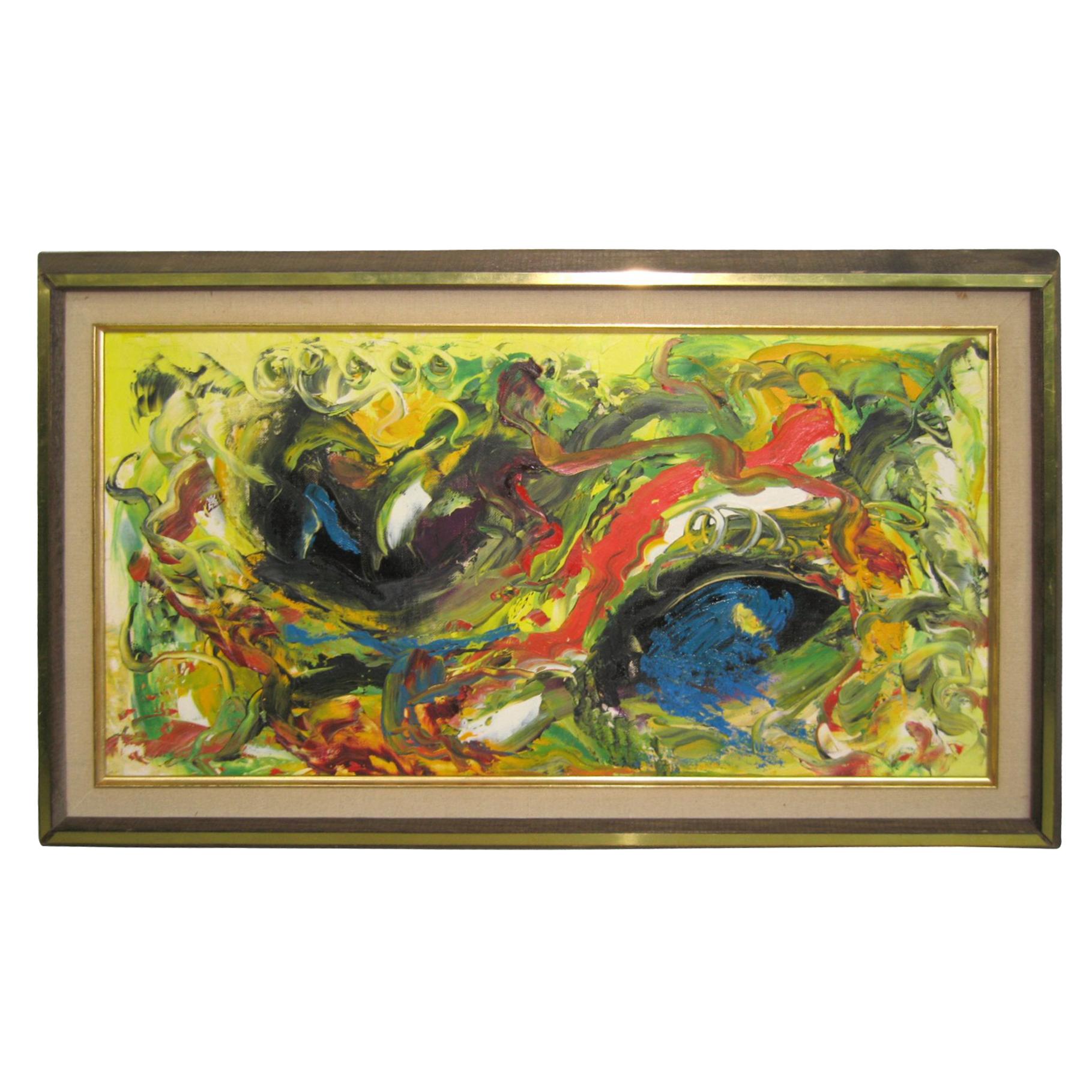
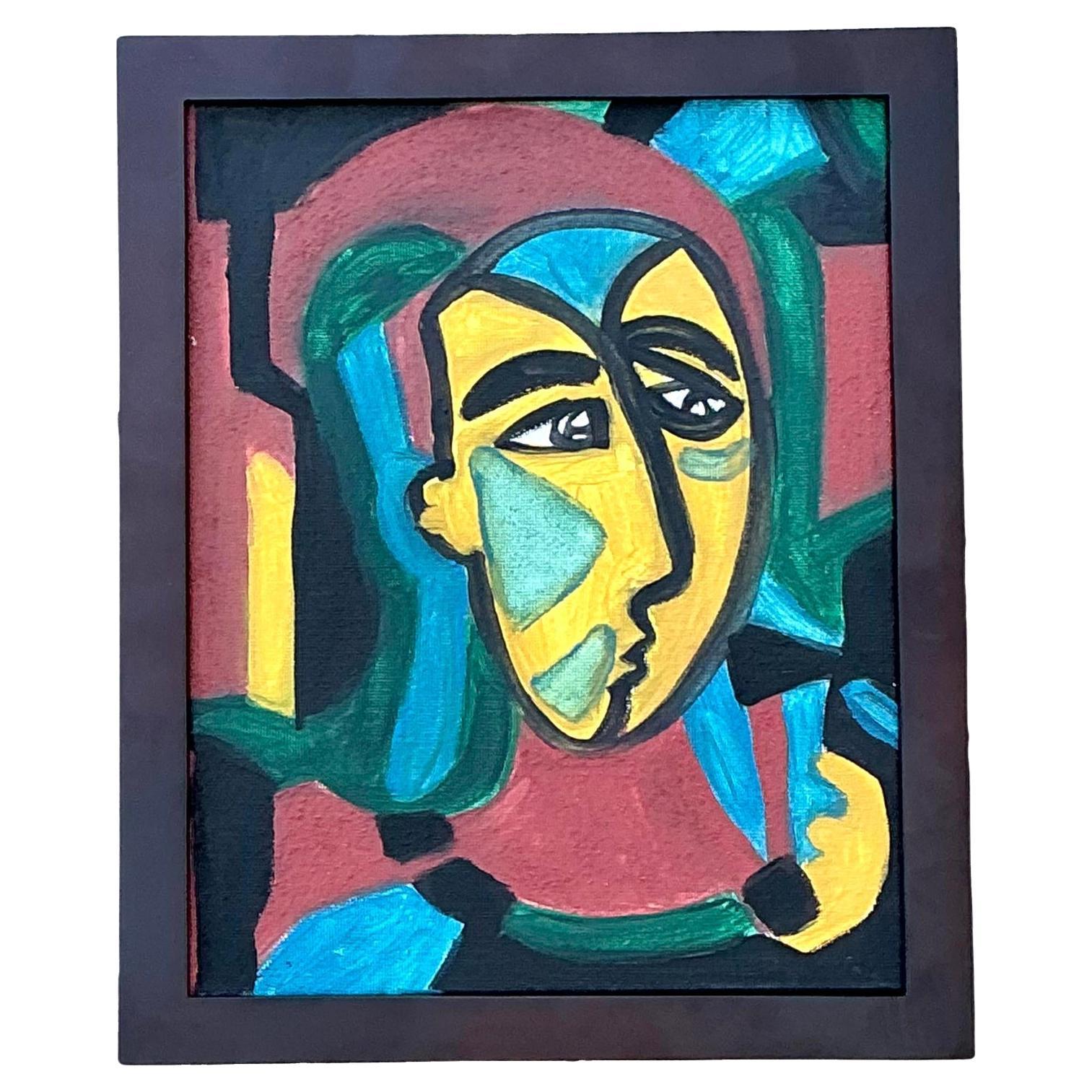
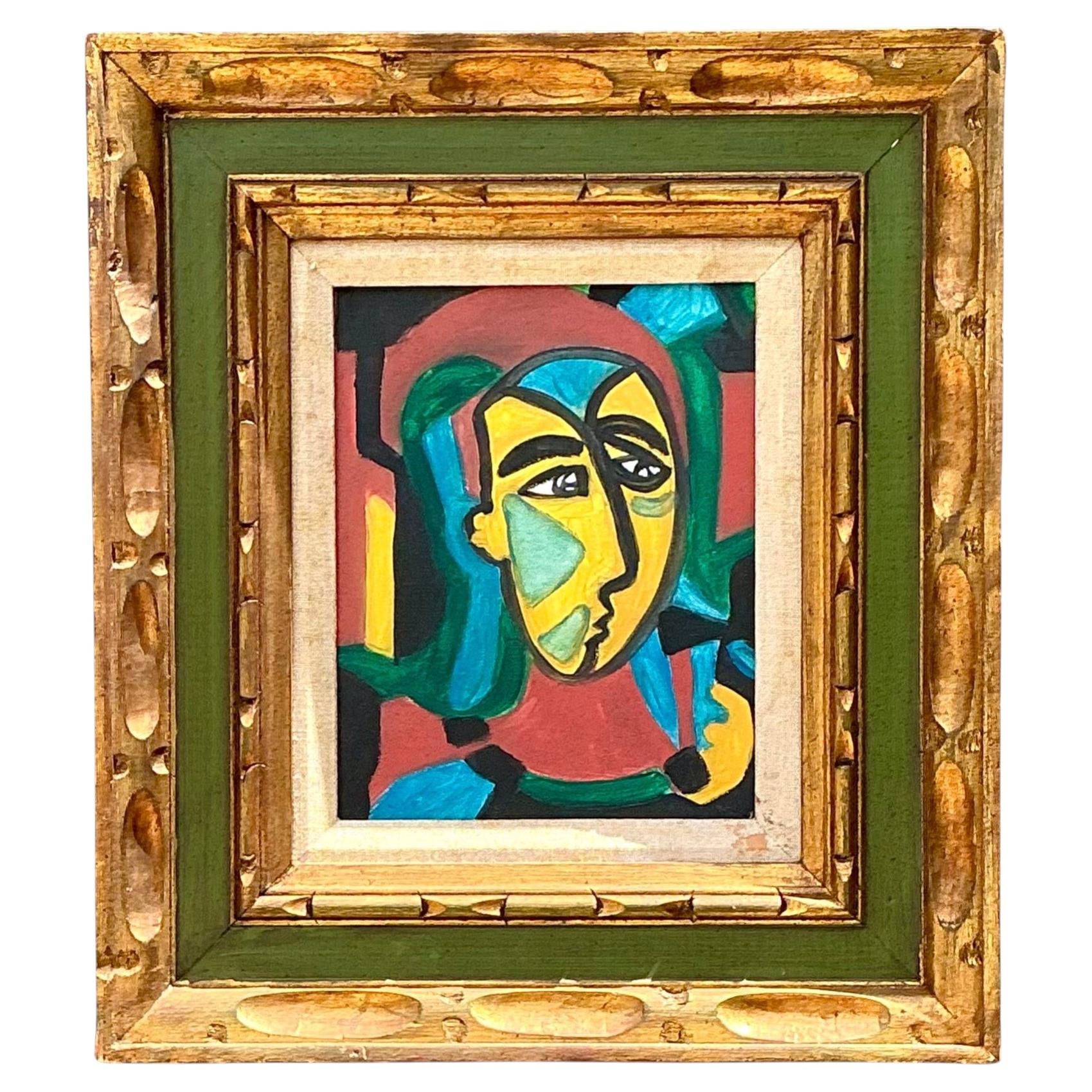
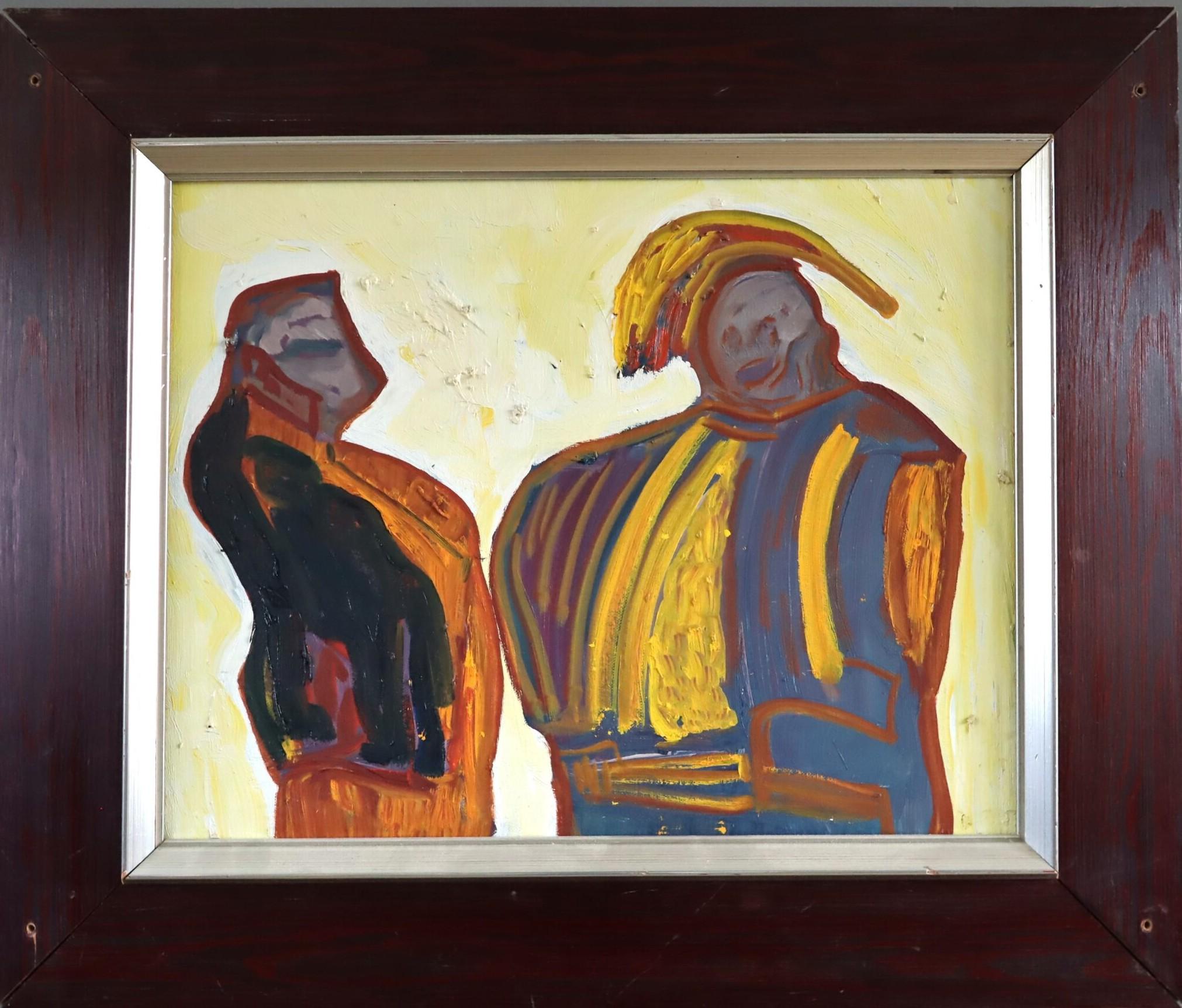
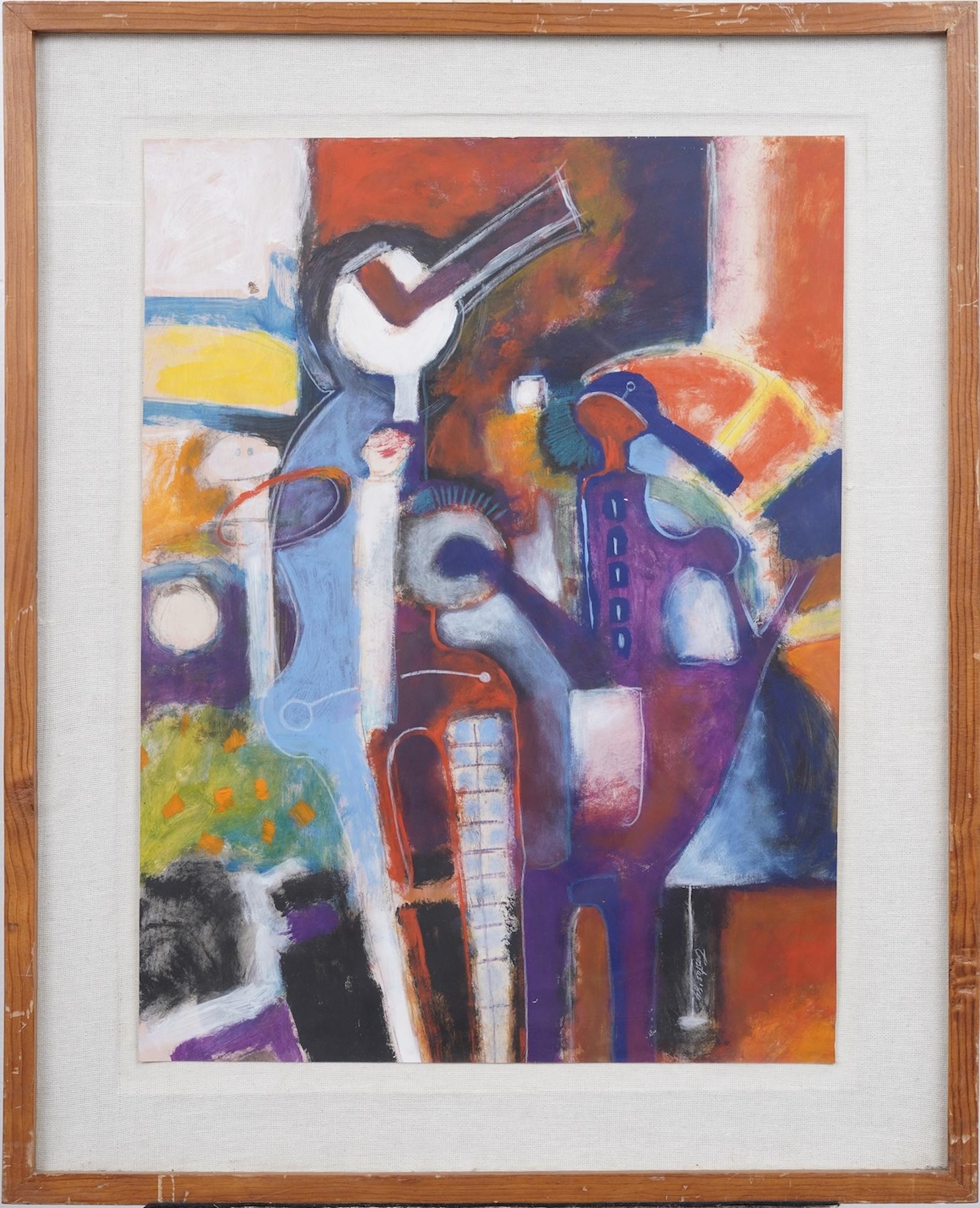
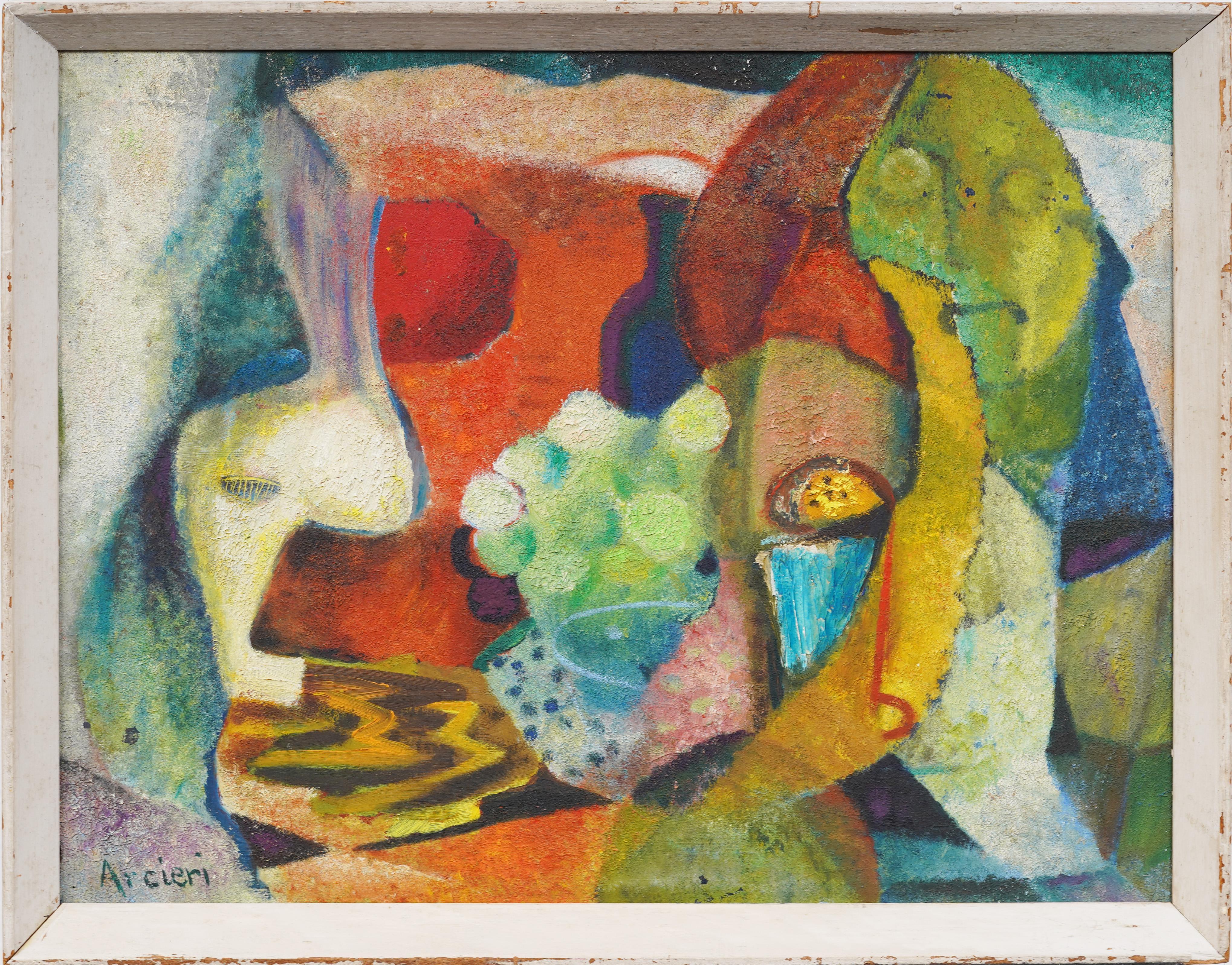
American Post-War Abstract Oil Painting, Modern Style, Framed
Located in Queens, NY
American Post-War Design abstract art, oil painting with shades of purple on white in a silver frame.
Category
20th Century American Modern Paintings
Materials
Paint
American Post-War Abstract Oil Painting, Modern Style, Framed
Located in Queens, NY
American Post-War Design abstract art, oil painting with shades of purple on white in a silver frame.
Paint
American Post-War Abstract Oil Painting, Modern Style, 20th Century
Located in Queens, NY
American Post-War Design abstract art oil painting with shades of beige in a dark metallic frame.
Metal
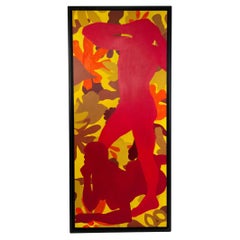
American Abstract Pop Art Oil Painting, Modern, Late 20th Century
Located in Queens, NY
American modern vertical abstract Pop Art style oil painting of 2 nude silhouetted figures rendered in hot colors of red, orange, and yellow in a black frame
Paint
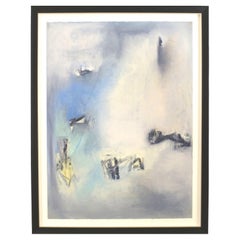
American Post-War Abstract Oil Painting, Modern Style, Framed
Located in Queens, NY
American Post War design abstract art, oil painting w/ shades of color ranging from green to blue to gray in a black frame.
Paint
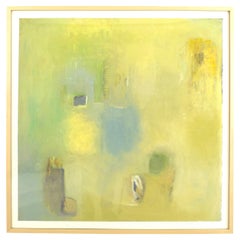
American Post-War Abstract Oil Painting, Modern Style, Framed
Located in Queens, NY
American Post-War Design abstract art, oil painting with shades of lime green in a pine frame.
Paint
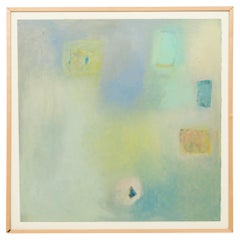
American Post-War Abstract Oil Painting, Modern Style, Framed
Located in Queens, NY
American Post-War Design abstract art, oil painting with shades of pale green and blue in a pine frame.
Paint
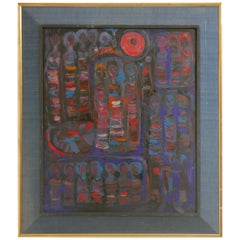
American Midcentury Abstract Modernist Painting with Figures
Located in San Francisco, CA
A bold and colorful midcentury abstract / modernist painting with figures signed on the reverse "Gerard" Framed in blue linen and giltwood. Canvas: 20 x ...
Canvas, Paint
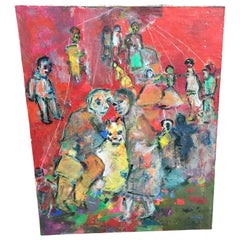
Mid-Century Abstract Oil On Canvas Painting
Located in Haddonfield, NJ
Mid-Century Abstract Oil On Canvas Painting
Canvas
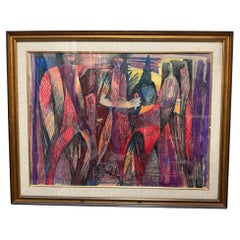
Abstract Painting Of Human Figures By Augusto Marin
Located in Guaynabo, PR
This is an Abstract Painting by Augusto Marin. The painting is made of Crayons on paper. It depicts four elongated stylized human figures standing up and...
Wood, Paper, Crayon
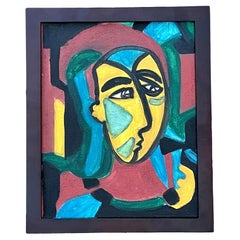
Vintage Original Abstract Figurative Oil on Canvas
Located in West Palm Beach, FL
This original figurative abstract oil painting captures the spirit of early 20th-century Modernism with a bold, contemporary twist. Drawing influence from Cubist and Fauvist traditio...
Canvas, Wood, Paint
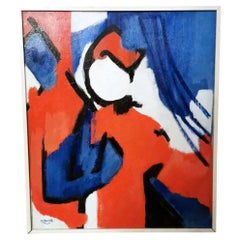
French Symbolic Expressionism Oil Painting Depicting French Revolution
Located in Prato, Tuscany
We kindly suggest that you read the entire description, as with it we try to give you detailed technical and historical information to ensure the authenticity of our objects. Painting oil painting on canvas is made with mixed technique brush and spatula; the author used traditional brushes for a first draft giving shape to the whole drawing with an expert, loose wrist play and with sure and decisive brushstrokes; the representation, in this case, is not a pure exercise of virtuosity, in fact, the author communicates us his intimate essence manifesting it through the language of colors, shapes, and composition. The artist finished his work with the technique of spatula painting, named after the protagonist's instrument, redistributing the colors densely and consistently, making the painting take on a special body and depth. The painting is signed but we are unable to give definite information about the author, however, we confirm its extraordinary aesthetic and engaging vividness; the painting was made in 1989 in the author's studio in Paris whose intentions were to celebrate the 200th anniversary of the French Revolution (1789). The painter was inspired by both French Expressionism and Symbolism; Expressionism exalts the emotional value of art; it is the artist's desire to communicate inner feelings, while with Symbolism, painters tend to go beyond the objective representation of reality to focus instead on the subjective vision, in which inner feelings, emotions, and experiences are evoked above all. Our painting is overflowing with the symbolism of the French Revolution; it is practically an evocative essence of it. This important and overwhelming historical event is powerfully present in the soul of the artist who wanted to overbearingly communicate to us his deepest emotions by transposing them entirely in the painting with strong and vivid colors, he did not want to simply allude or hint but to express, indeed "shout" his own deep interiority. In his intentions, the painting schematically and symbolically represents a standard-bearer of the French Revolution wearing the classic "Phrygian" hat. The author used only the three colors white, red, and blue that characterized the flags of the French Revolution; they were the new banners, which opposed the traditional emblem of the monarchy, the lilies on a white field. Three were the colors because three were the goals of the Revolution: liberty, equality, and fraternity, and they represented the three classes into which French society of the time was divided: the clergy (blue), the nobility (white), and the third state (red). The "Phrygian" cap (Latin for pileus) painted in red in the painting also has a high symbolic value, In Roman times it was worn by the " freedmen" to show that they were now freed slaves but in the French Revolution it became the very symbol of Liberty; a similar cap was worn by the freed Marseilles convicts in 1792, and was the symbol of the Jacobins during the French Revolution. Due to this fact, in addition to its historical meaning of freedom, it was later adopted as a symbol of the revolution itself, a symbol immortalized on the "Marianne," the very emblem of France, in Eugène Delacroix's famous painting "Liberty Leading the People...
Canvas, Wood
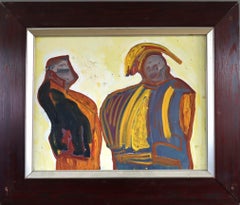
Mid Century Modern Vintage Abstract Figurative Oil Painting - The Exchange
Located in Bristol, GB
THE EXCHANGE Size: 56 x 66 cm (including frame) Oil on canvas A captivating and expressive mid-century figurative painting depicting two stylised figures standing in quiet dialogue,...
Oil, Canvas