Want more images or videos?
Request additional images or videos from the seller
1 of 10

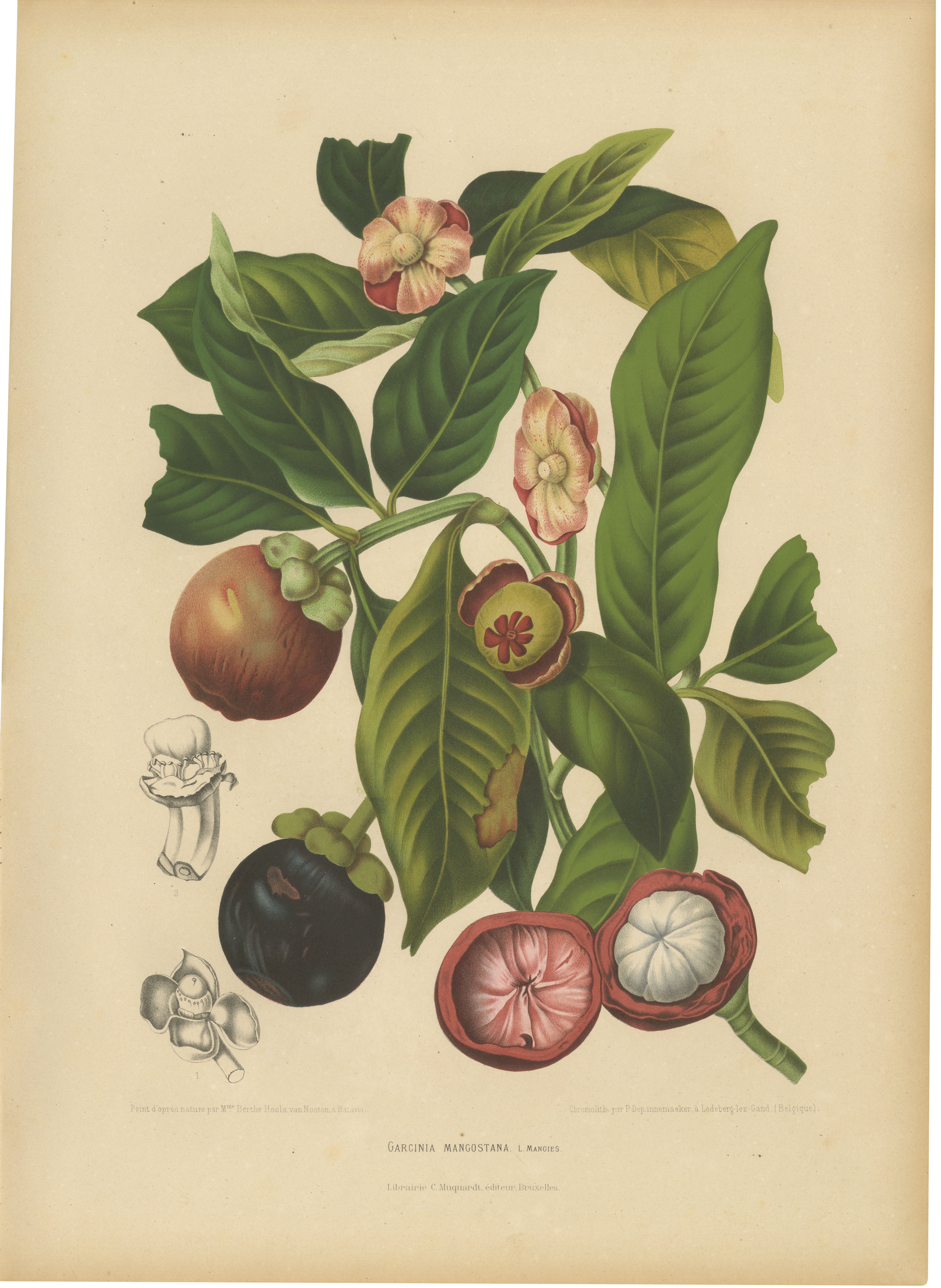
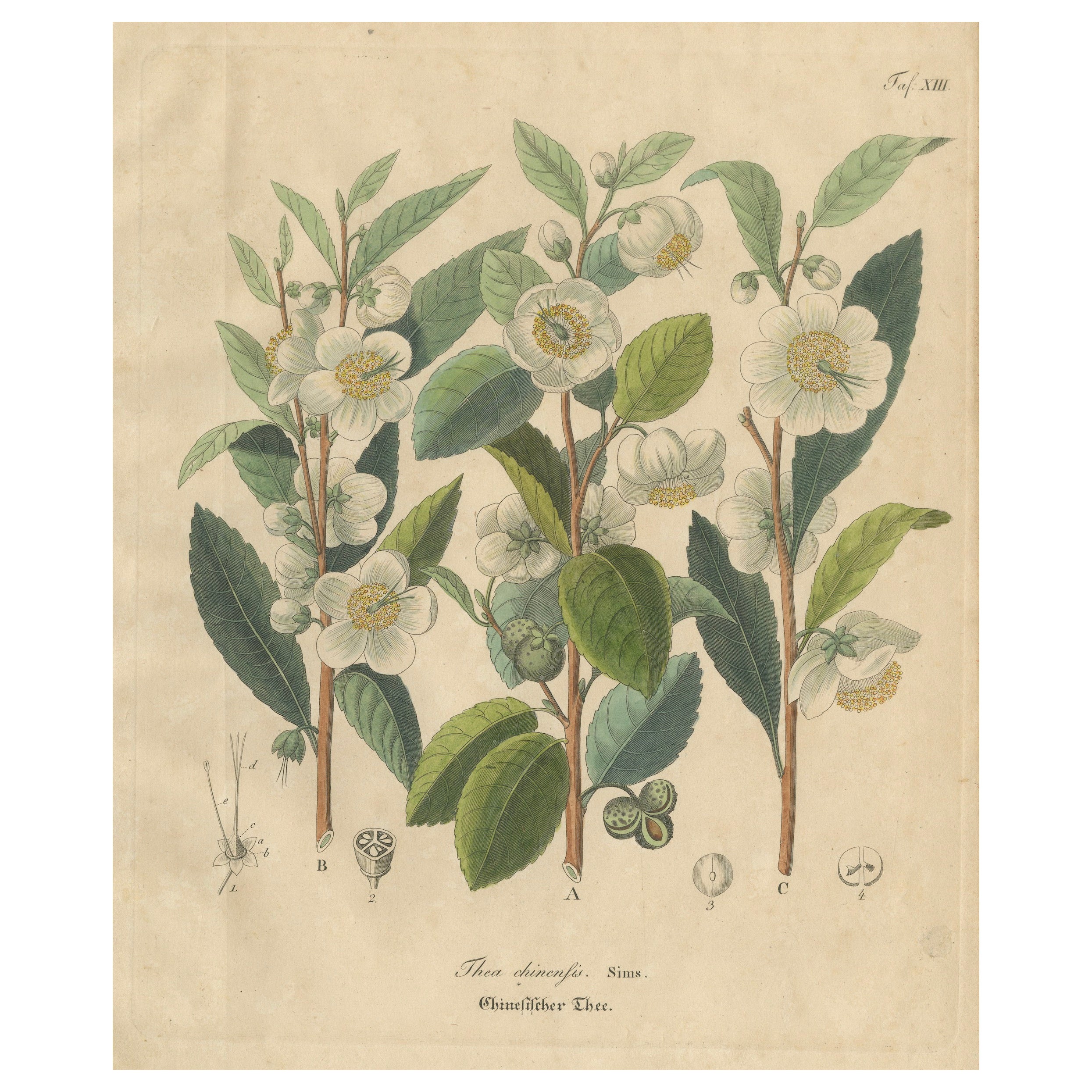
Antique Botany Print of a Mangosteen Tree by Plenck, 'circa 1790'

$413.01
£305.28
€350VAT Included
CA$573.12
A$583.43
CHF 335.99
MX$7,030.93
NOK 3,899.92
SEK 3,934.78
DKK 2,668.31

About the Item

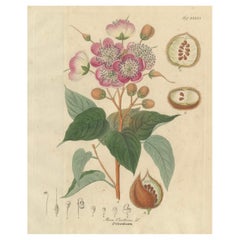
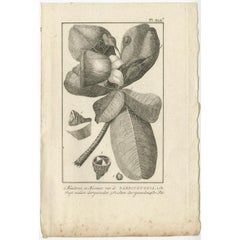
Antique botany print titled 'Garcinia Mangostana'. Hand colored engraving of a mangosteen tree. This print originates from 'Icones Plantarum Medicinalium (..)' by Joseph Jacob Plenck. Published between 1788 and 1803.
  • Dimensions:
    Height: 19.1 in (48.5 cm)Width: 13.39 in (34 cm)Depth: 0.02 in (0.5 mm)
  • Materials and Techniques:
    Paper,Engraved
  • Place of Origin:
  • Period:
  • Date of Manufacture:
    circa 1790
  • Condition:
    General age-related toning. Small stamp at bottom right. Minor wear, blank verso. Please study images carefully.
  • Seller Location:
    Langweer, NL
  • Reference Number:
    Seller: BG-12512-581stDibs: LU3054319952612

More From This Seller

View All
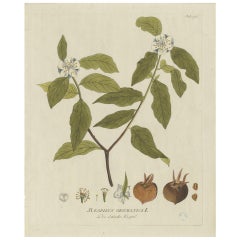
Antique Botany Print of the Mespilus Germanica by Plenck 'circa 1790'

Antique Botany Print of the Mespilus Germanica by Plenck 'circa 1790'

Located in Langweer, NL

Antique botany print titled 'Mespilus Germanica'. Hand colored engraving of the mespilus germanica, also known as the medlar or common medlar. This print originates from 'Icones Plan...

Category

Antique Late 18th Century Prints

Materials

Paper

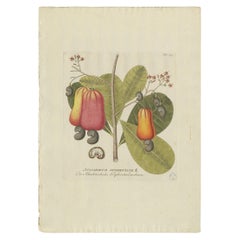
Antique Botany Print of a Cashew Tree by Plenck, 'circa 1790'

Antique Botany Print of a Cashew Tree by Plenck, 'circa 1790'

Located in Langweer, NL

Antique botany print titled 'Anacardium Occidentale'. Hand colored engraving of a cashew tree. This print originates from 'Icones Plantarum Medicinalium (..)' by Joseph Jacob Plenck....

Category

Antique Late 18th Century Dutch Prints

Materials

Paper

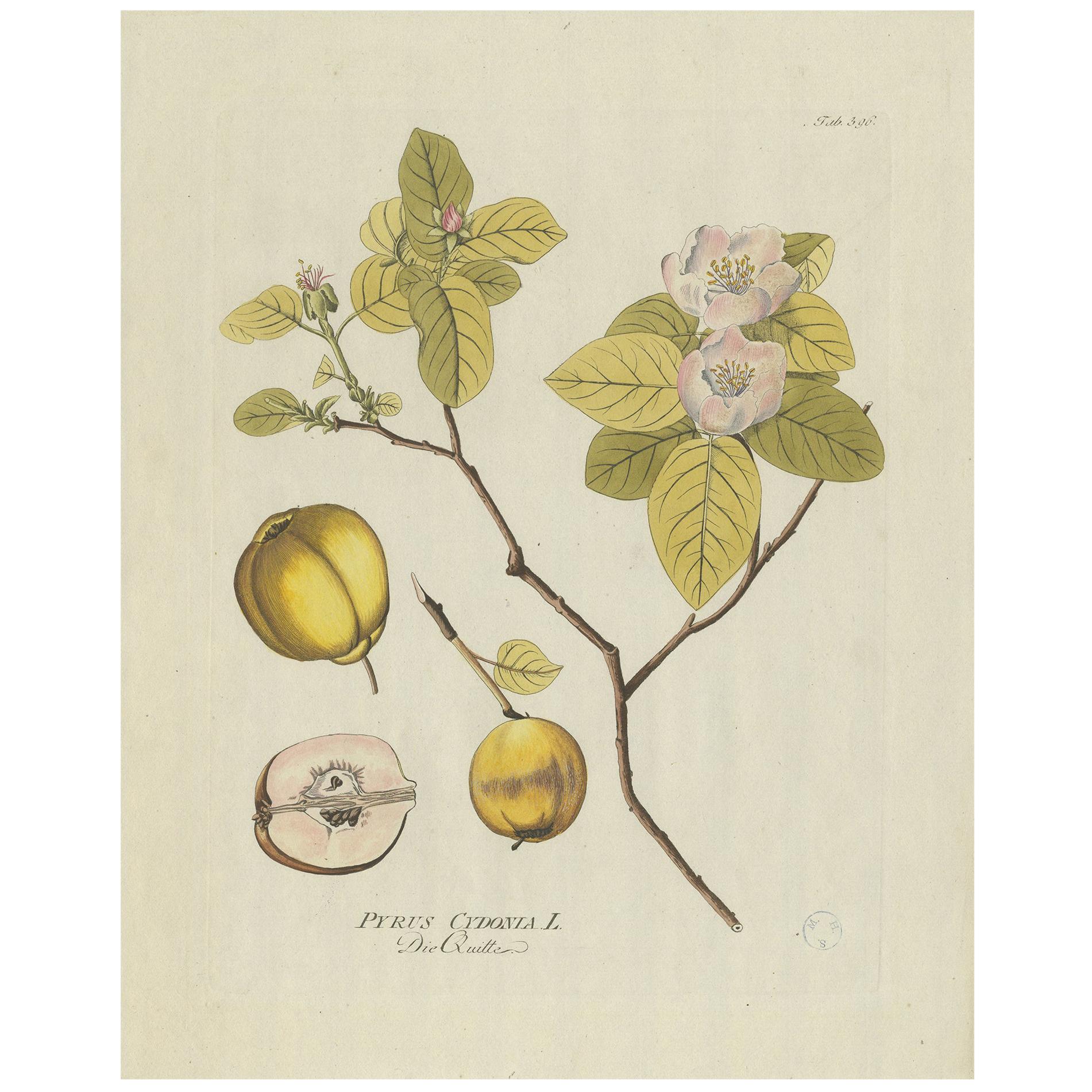
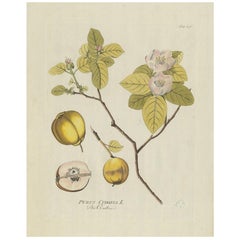
Antique Botany Print of a Quince Tree by Plenck, 'circa 1790'

Antique Botany Print of a Quince Tree by Plenck, 'circa 1790'

Located in Langweer, NL

Antique botany print titled 'Pyrus Cydonia'. Hand colored engraving of a quince tree. This print originates from 'Icones Plantarum Medicinalium (..)' by Joseph Jacob Plenck. Publishe...

Category

Antique Late 18th Century Prints

Materials

Paper

Antique Mahogany Botanical Print, Swietenia Mahagoni, c.1831

Antique Mahogany Botanical Print, Swietenia Mahagoni, c.1831

Located in Langweer, NL

Antique Mahogany Botanical Print, Swietenia Mahagoni, c.1831 Description: This finely detailed botanical engraving illustrates Swietenia Mahagoni, the mahogany tree, including its d...

Category

Antique 1830s German Prints

Materials

Paper

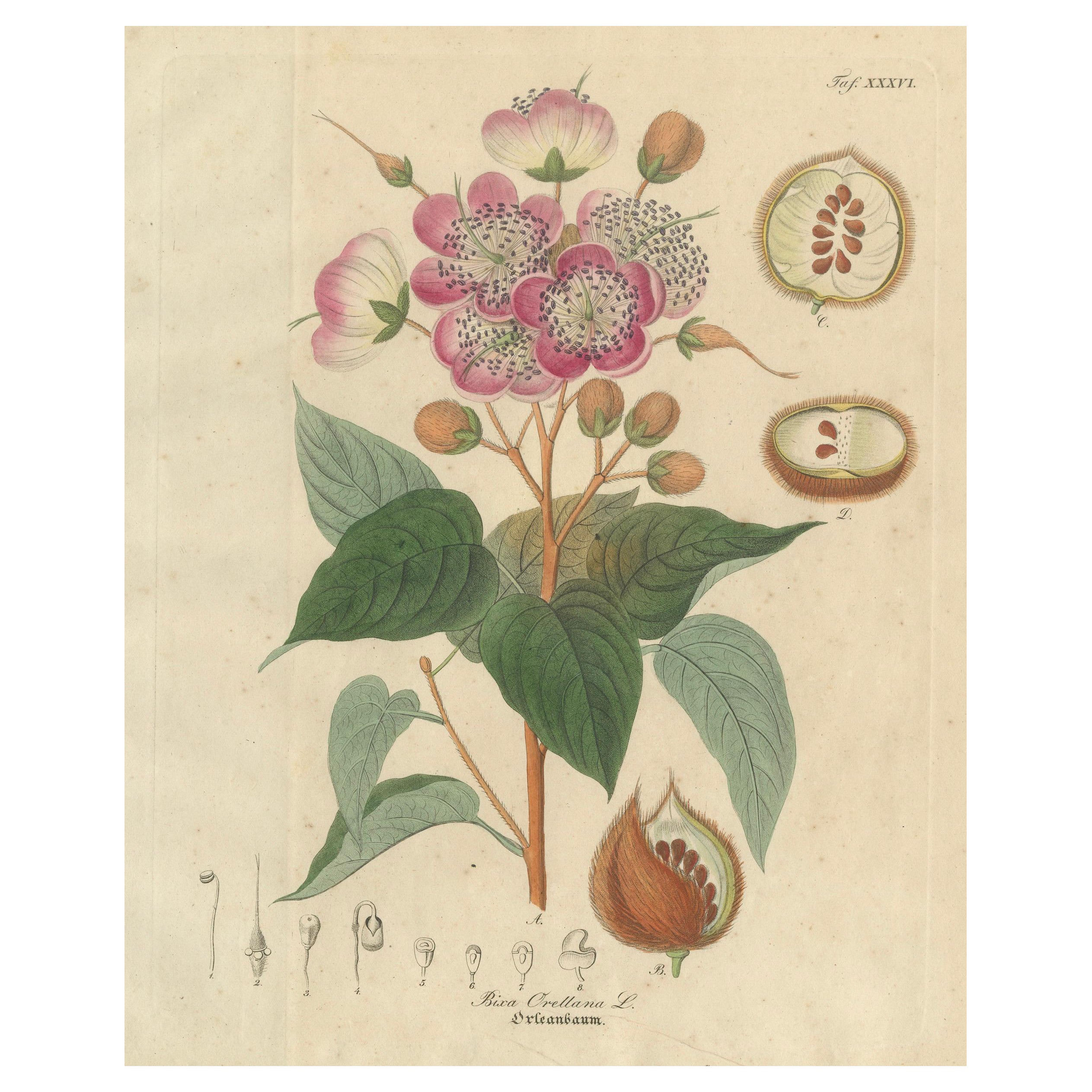
Antique Bixa Orellana Botanical Print, Copper Engraving, c.1831

Antique Bixa Orellana Botanical Print, Copper Engraving, c.1831

Located in Langweer, NL

Antique Bixa Botanical Print, Bixa Orellana (Annatto), c.1831 Description: This vibrant botanical engraving illustrates Bixa Orellana, the annatto plant, valued for its seeds which ...

Category

Antique 1830s German Prints

Materials

Paper

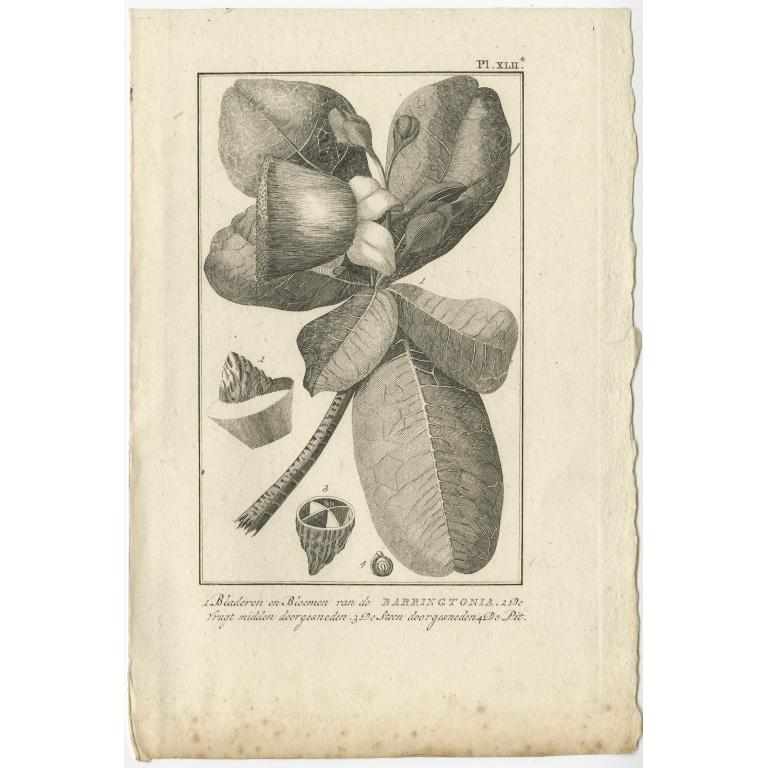
Antique Botany Print of The Barringtonia Plant by Cook, 1803

Antique Botany Print of The Barringtonia Plant by Cook, 1803

Located in Langweer, NL

The antique botany print, titled 'Bladeren en Bloemen van de Barringtonia,' portrays the leaves and flowers of the Barringtonia plant. This plant, renowned for its unique feature of ...

Category

Antique 19th Century Prints

Materials

Paper

You May Also Like

Early 19th Century Botanical Engraving by John Curtis

Early 19th Century Botanical Engraving by John Curtis

Located in Seaford, GB

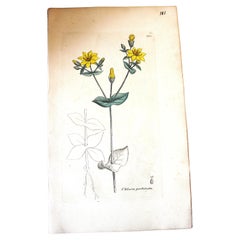
Early 19th Century Botanical Engraving by John Curtis – Hand Coloured Natural History Plate An original early 19th-century hand-coloured botanical engraving from the celebrated natural history publications of John Curtis (1791–1862), one of Britain’s most respected botanical and entomological illustrators. This beautifully detailed plate illustrates a flowering plant in scientific profile, showing bloom structure, leaves, buds, and root system with precision typical of early Victorian natural history illustration. Curtis’s work bridges science and art — created for study, yet prized today for its elegance and balance. These engravings formed part of the golden age of British botanical publishing, when artists collaborated with engravers and colourists to produce plates that were both accurate and visually refined. Each impression was printed from an engraved plate and then carefully coloured by hand, meaning no two examples are ever exactly identical. The composition has the clarity collectors seek: • Central botanical specimen • Naturalistic colour palette • Fine line engraving • Period scientific titling This makes it ideal as a single framed piece or as part of a gallery wall of antique botanical studies. About John Curtis John Curtis was a leading figure in British natural history illustration. He is best known for British Entomology and botanical works that combined taxonomic accuracy with graceful composition. His engravings are held in major museum collections and remain highly collectable in the decorative arts market. Period Early 19th century, circa 1820–1840. Technique Copperplate engraving with original hand colouring on laid paper. Condition Good antique condition consistent with age. Light toning and minor handling marks may be present, as expected with early 19th-century works on paper. Please see the images. Why Collect Curtis Botanical Prints...

Category

Antique Early 19th Century British George III Prints
Materials

Paper

European Fruit Peach Botanical Wall Art Chromo, circa 19th Century

European Fruit Peach Botanical Wall Art Chromo, circa 19th Century

Located in New York, NY

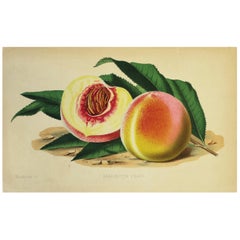
A beautiful original "Barrington Peach" botanical color chromo print (aka, Chromolithography), by artist: J L Macfarland del, circa 19th century, Europe. Item is original, not a repr...

Category

Antique Late 19th Century French Prints

Materials

Paper

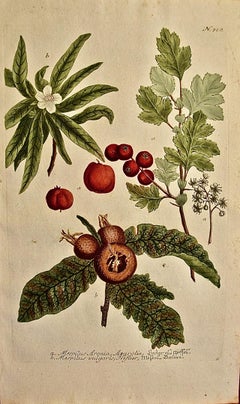
Flowering Medlar Tree: An 18th C. Hand-colored Botanical Engraving by Weinmann

Flowering Medlar Tree: An 18th C. Hand-colored Botanical Engraving by Weinmann

By Johann Wilhelm Weinmann

Located in Alamo, CA

This hand-colored botanical mezzotint and line engraving by Johann Wilhelm Weinmann (1683-1741) is entitled "A. Mespilus Aronia Azarolie B. Mespilus Vulgaris Neflier". It is plate 7...

Category

Mid-18th Century Naturalistic Still-life Prints

Materials

Engraving, Mezzotint

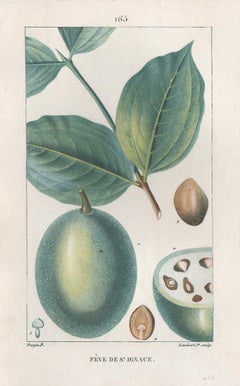
Feve de St Ignace (Strychnos ignatii), French botanical flower engraving, 1818

Feve de St Ignace (Strychnos ignatii), French botanical flower engraving, 1818

By After Pierre Turpin

Located in Melbourne, Victoria

French botanical flower engraving, 1818. Colour-printed stipple engraving by J Lambert after Pierre Turpin (1775-1840) From Francois Pierre Chaumeton's 'Flore Medicale' which portrayed a variety of flowers, trees and herbs which could be used for treating illnesses. The engravings were produced during the great period of French colour printing using the stipple-engraving process pioneered by the great botanical artist Pierre-Jospeh Redoute. The artist is the celebrated Pierre Jean Francois Turpin...

Category

Early 19th Century Victorian More Prints

Materials

Engraving

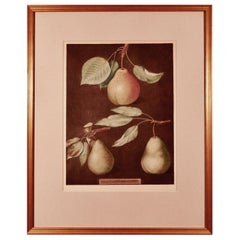
George Brookshaw Print of Pears from Pomona Britannica, Dated 1807

George Brookshaw Print of Pears from Pomona Britannica, Dated 1807

By George Brookshaw

Located in Downingtown, PA

George Brookshaw Pomona Britannica Aquatint of Pears, Plate LXXXVI 1807 This hand-colored aquatint of pears is Plate LXXXVI from George Brookshaw’s Pomona Britannica, the most ambit...

Category

Antique Early 19th Century English Georgian Prints

Materials

Paper

Early 19th Century Botanical Engraving by John Curtis

Early 19th Century Botanical Engraving by John Curtis

Located in Seaford, GB

Early 19th Century Botanical Engraving by John Curtis – Hand Coloured Natural History Plate An original early 19th-century hand-coloured botanical engraving from the celebrated natural history publications of John Curtis (1791–1862), one of Britain’s most respected botanical and entomological illustrators. This beautifully detailed plate illustrates a flowering plant in scientific profile, showing bloom structure, leaves, buds, and root system with precision typical of early Victorian natural history illustration. Curtis’s work bridges science and art — created for study, yet prized today for its elegance and balance. These engravings formed part of the golden age of British botanical publishing, when artists collaborated with engravers and colourists to produce plates that were both accurate and visually refined. Each impression was printed from an engraved plate and then carefully coloured by hand, meaning no two examples are ever exactly identical. The composition has the clarity collectors seek: • Central botanical specimen • Naturalistic colour palette • Fine line engraving • Period scientific titling This makes it ideal as a single framed piece or as part of a gallery wall of antique botanical studies. About John Curtis John Curtis was a leading figure in British natural history illustration. He is best known for British Entomology and botanical works that combined taxonomic accuracy with graceful composition. His engravings are held in major museum collections and remain highly collectible in the decorative arts market. Period Early 19th century, circa 1820–1840. Technique Copperplate engraving with original hand colouring on laid paper. Condition Good antique condition consistent with age. Light toning and minor handling marks may be present, as expected with early 19th-century works on paper. Please see the images. Why Collect Curtis Botanical Prints...

Category

Antique Early 19th Century British George III Prints

Materials

Paper