Antique Chromolithograph of Hungarian Puszta with Horses and Herdsman, ca. 1890
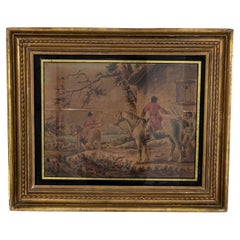
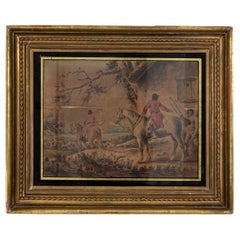
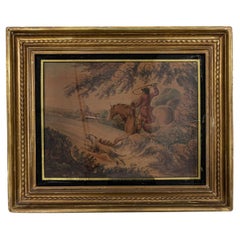
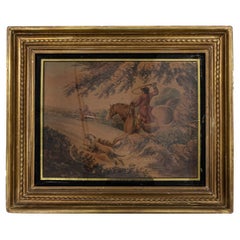
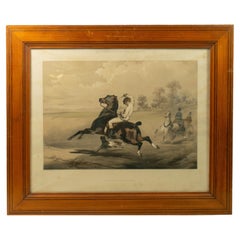
This dynamic chromolithograph, titled “Die Puszta,” offers a vivid depiction of traditional rural life on the Hungarian Great Plain, also known as the Puszta. Produced around 1890, the image captures the wild, open expanse of the Hungarian steppe with its iconic flat landscape, dramatic sky, and spirited equestrian culture. Chromolithography, a richly layered color printing technique popular in the late 19th century, was ideally suited to convey the energy, detail, and atmosphere seen in this work.
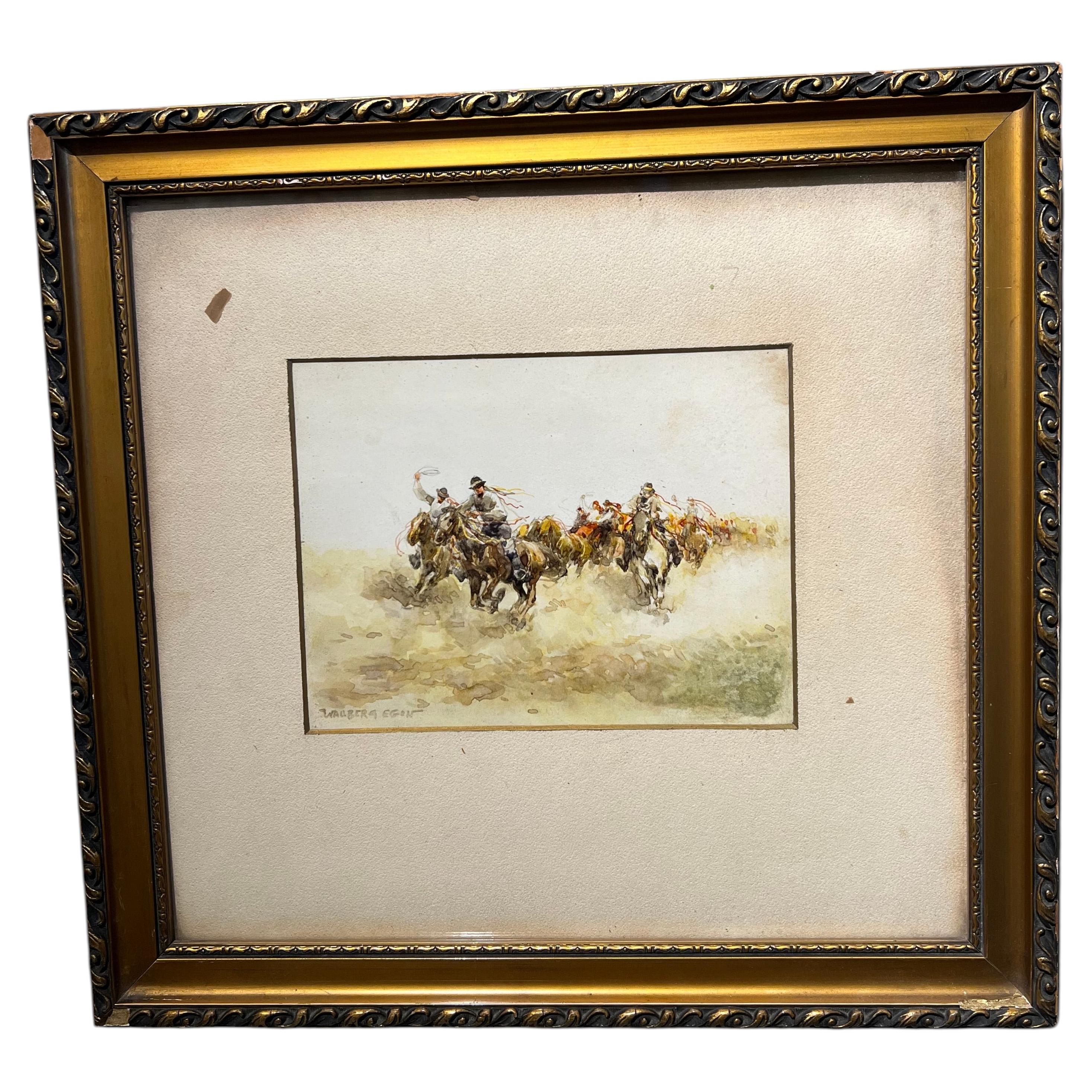
The foreground bursts with motion as a mounted herdsman—likely a 'csikós', the famed Hungarian horse wrangler—skillfully drives a group of spirited horses across the open grassland. His pose, with whip raised mid-swing, adds theatrical tension and animates the entire composition. The horses themselves are captured mid-stride, with a variety of colors and postures that highlight the power and grace of these animals, deeply woven into the Hungarian identity.
In the middle ground, a thatched-roof farmhouse, livestock, and a traditional well crane (*gémeskút*) root the scene in the agrarian lifestyle of the region. Smoke rising in the distance and grazing animals dotting the wetlands further enhance the authenticity and atmosphere of the print. The sunset sky—rendered in soft tones of orange, lavender, and steel blue—adds drama and depth, suggesting the quiet majesty of life on the plains.
This print is a valuable visual record of a vanishing pastoral culture and would be of particular interest to collectors of Hungarian history, equestrian art, or 19th-century rural European scenes. It is equally appealing for those drawn to strong narrative compositions and decorative art with movement and character.
Condition Report:
Fair condition. Bright, well-preserved coloring. There is a faint vertical printing artifact near the center, common in large chromolithographic sheets of this period. Light toning or small foxed spots may be present in the margins. No tears or repairs noted.
Framing Tips:
To complement the earthy tones and rustic theme, choose a dark wood or distressed oak frame. A warm beige or sage green mat will highlight the natural palette and harmonize with the landscape. Museum glass is recommended for UV protection and clarity. This artwork is well-suited for spaces with traditional, country, or vintage styling, and makes a dramatic statement in studies, hallways, or any equestrian-themed setting.