Want more images or videos?
Request additional images or videos from the seller
1 of 9

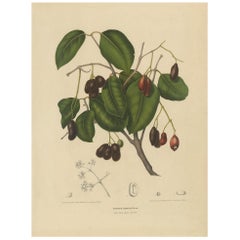
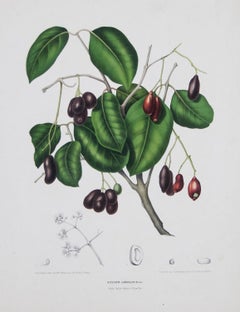
Antique Java Plum Botanical Chromolithograph by Hoola van Nooten, c. 1880

$1,400.17
£1,036.75
€1,190VAT Included
CA$1,950.23
A$1,984.11
CHF 1,137.09
MX$23,889.91
NOK 13,290.52
SEK 13,348.85
DKK 9,074.25

About the Item

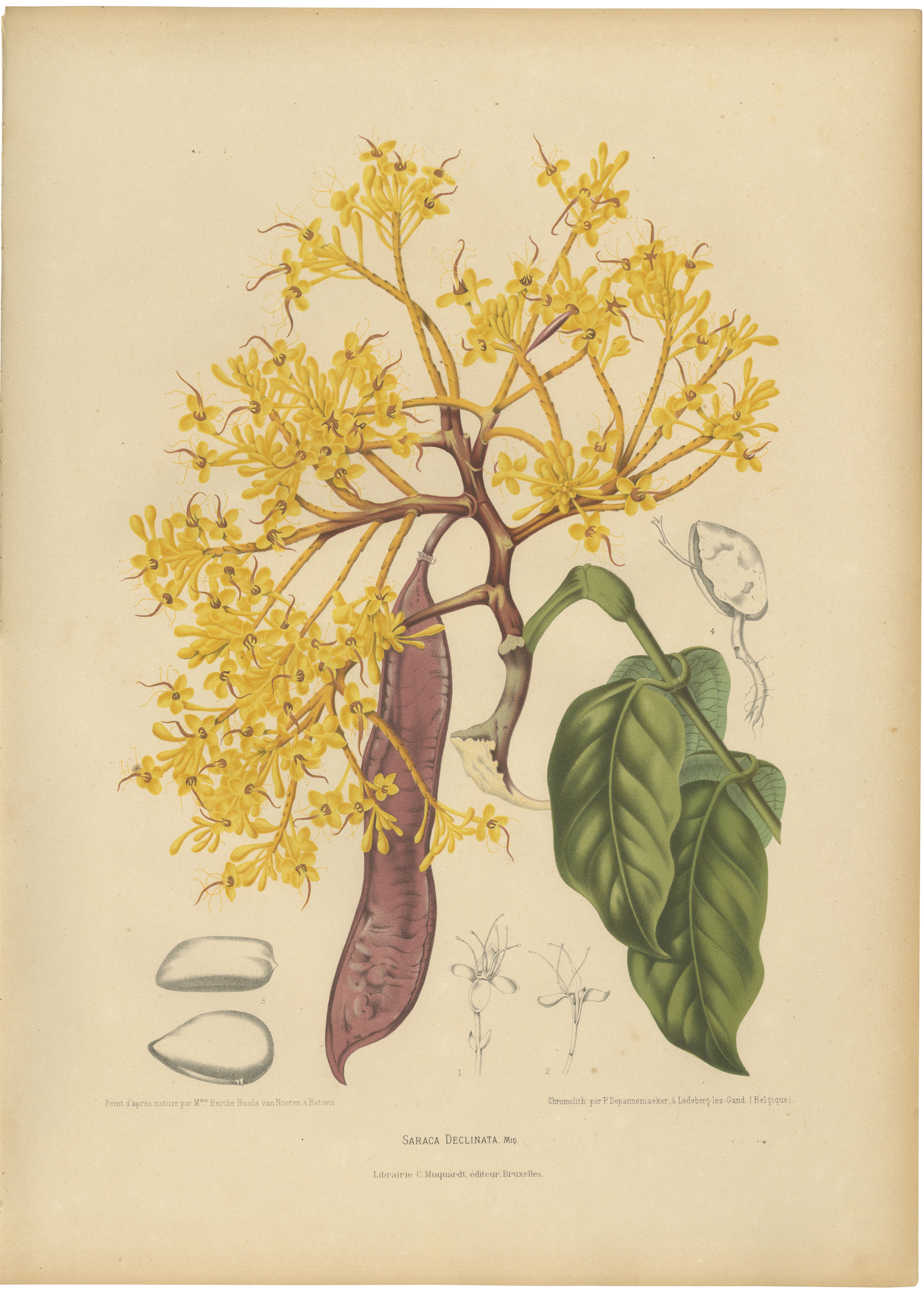
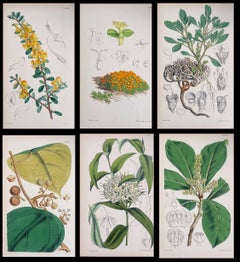
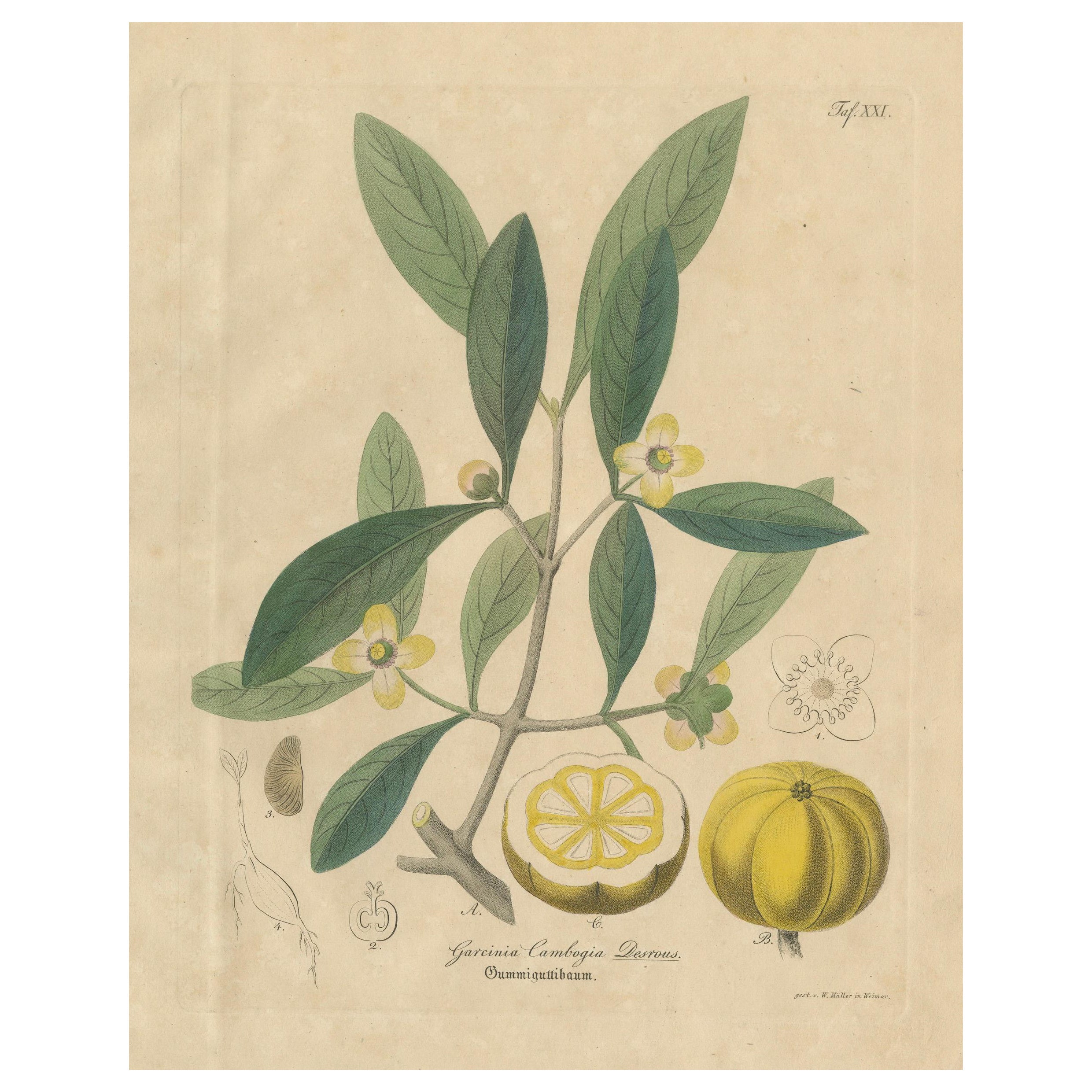
Antique Java Plum Botanical Chromolithograph by Hoola van Nooten, c. 1880 Description: A beautiful original antique botanical chromolithograph depicting Syzygium jambolanum Dec., now generally accepted as Syzygium cumini, commonly known as the Java Plum, Java Black Plum, Jamun, Jambolan, or Malabar Plum. One of the most important tropical fruit trees of South and Southeast Asia, the species is celebrated for its glossy evergreen foliage and abundant clusters of deep purple fruits. Native to the Indian subcontinent, the Java Plum became widely established throughout Indonesia and the Dutch East Indies, where it was cultivated for its sweet yet pleasantly astringent fruit. Rich in colour and flavour, the fruit has long been enjoyed fresh, preserved, or used in traditional beverages and has also been valued in traditional medicine for centuries. The composition beautifully illustrates fruiting branches laden with ripening and mature fruits, together with detailed botanical studies of the flowers, seed, and fruit in section. The elegant arrangement of the rich purple fruit against the lustrous green foliage makes this one of the most refined and decorative fruit plates in Berthe Hoola van Nooten's celebrated botanical masterpiece. The artwork was painted from life on the island of Java by the distinguished Dutch botanical artist Berthe Hoola van Nooten (1817–1892). It was published in her masterpiece, Fleurs, Fruits et Feuillages Choisis de l'Ile de Java, widely regarded as one of the finest nineteenth-century botanical publications devoted to the flora of the Dutch East Indies. Printed in rich chromolithography by P. De Pannemaeker of Ghent, this plate was issued in the third edition published in Brussels by Librairie Européenne C. Muquardt around 1880. Today, the Java Plum remains one of the most admired tropical fruit trees throughout Indonesia, India, Malaysia and beyond. This original antique print combines botanical importance with timeless decorative appeal and is an outstanding example of Victorian botanical art. This is an original antique print, printed circa 1880, and not a modern reproduction or later copy. Artist: Berthe Hoola van Nooten (1817–1892) Publication: Fleurs, Fruits et Feuillages Choisis de l'Ile de Java Publisher: Librairie Européenne C. Muquardt, Brussels Printer: P. De Pannemaeker, Ghent Date: Circa 1880 Medium: Original chromolithograph on wove paper. Condition: Good antique condition with age-related toning, occasional foxing and light handling wear consistent with age. Please examine all photographs carefully, as they form part of the description. Please note that any framed images are for display inspiration only. The print is sold unframed. Framed mock-ups are not always shown to exact scale and are intended solely to illustrate how the artwork may look when displayed. Keywords: original antique print, original chromolithograph, botanical print, Syzygium cumini, Syzygium jambolanum, Java Plum, Jamun, Jambolan, Java Black Plum, Malabar Plum, tropical fruit, exotic fruit, Indonesian botanical art, Java, Indonesia, Dutch East Indies, Berthe Hoola van Nooten, Victorian botanical illustration, nineteenth century botanical print, antique botanical wall art, natural history print, scientific illustration, P. De Pannemaeker, Muquardt Brussels, museum quality botanical art, rare botanical print, collectible botanical print, circa 1880 This is a desirable fruit subject with strong appeal throughout Asia due to the popularity of the Java Plum. While slightly less iconic than Mango, Cashew or Durian, it is a handsome and recognizable tropical fruit plate that fits comfortably in the upper-middle tier of the Hoola van Nooten series.
  • Dimensions:
    Height: 21.86 in (55.5 cm)Width: 15.75 in (40 cm)Depth: 0.4 in (1 cm)
  • Materials and Techniques:
  • Place of Origin:
  • Period:
  • Date of Manufacture:
    circa 1880
  • Condition:
    Good antique condition with age-related toning, occasional foxing and light handling wear consistent with age. Please examine all photographs carefully, as they form part of the description.
  • Seller Location:
    Langweer, NL
  • Reference Number:
    Seller: BG-14326-321stDibs: LU3054351121452

More From This Seller

View All
Sizygium Jambolanum – Java Plum Botanical Lithograph c.1863

Sizygium Jambolanum – Java Plum Botanical Lithograph c.1863

Located in Langweer, NL

Sizygium Jambolanum – Java Plum Botanical Lithograph c.1863 This antique botanical print depicts Syzygium cumini, commonly known as the Malabar plum, Java plum, black plum, or jambolan. The lithograph shows a detailed branch laden with clusters of ripening fruits in various stages, from reddish-purple to deep black, hanging gracefully among glossy, broad elliptical leaves with pronounced veins. Below the main illustration are precise scientific drawings showing the flower structure, fruit cross-sections, and seeds, highlighting the botanical characteristics essential for study and classification. This lithograph originates from ‘Fleurs, fruits et feuillages choisis de la flore et de la Pomone de l' Ile de Java peints d'après nature’ by Berthe Hoola Van...

Category

Antique Late 19th Century Dutch Prints

Materials

Paper

Original Antique Botanical Chromolithograph of the Asian Fruit Langsat, c.1880

Original Antique Botanical Chromolithograph of the Asian Fruit Langsat, c.1880

Located in Langweer, NL

Title: Original Antique Botanical Chromolithograph of Langsat (Lansium domesticum), c. 1880 Description: A beautiful original antique botanical chromolithograph depicting Lansium do...

Category

Antique Late 19th Century Belgian Prints

Materials

Paper

Antique Cashew Tree Botanical Chromolithograph by Hoola van Nooten, c. 1880

Antique Cashew Tree Botanical Chromolithograph by Hoola van Nooten, c. 1880

Located in Langweer, NL

Title: Antique Cashew Tree Botanical Chromolithograph by Hoola van Nooten, c. 1880 Description: A superb original antique botanical chromolithograph depicting Anacardium occidentale...

Category

Antique Late 19th Century Belgian Prints

Materials

Paper

Antique Mango Botanical Chromolithograph by Hoola van Nooten, c. 1880

Antique Mango Botanical Chromolithograph by Hoola van Nooten, c. 1880

Located in Langweer, NL

Title: Antique Mango Botanical Chromolithograph by Hoola van Nooten, c. 1880 Description: A magnificent original antique botanical chromolithograph depicting Mangifera indica L., th...

Category

Antique Late 19th Century Belgian Prints

Materials

Paper

You May Also Like

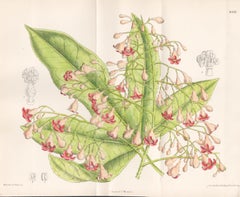
Brachychiton Acerifolius, Australian plant, antique botanical lithograph print

Brachychiton Acerifolius, Australian plant, antique botanical lithograph print

By John Nugent Fitch after Matilda Smith

Located in Melbourne, Victoria

'Brachychiton Acerifolius', native to Australia. Antique botanical lithograph with original hand-colouring , 1912, lithographed by John ...

Category

Early 20th Century Naturalistic Still-life Prints

Materials

Lithograph

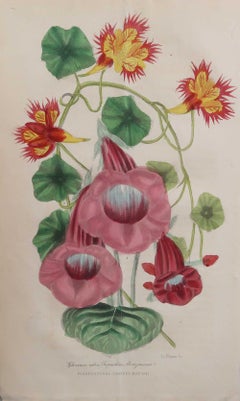
Original Antique Botanical Print- Gloxina Rubra. 1841

Original Antique Botanical Print- Gloxina Rubra. 1841

Located in St Annes, Lancashire

Great image of Gloxina Rubra Lithograph with original hand colour Published 1841 Unframed. Free shipping

Category

Antique 1840s English Victorian Prints

Materials

Paper

Early 19th Century Botanical Engraving by John Curtis

Early 19th Century Botanical Engraving by John Curtis

Located in Seaford, GB

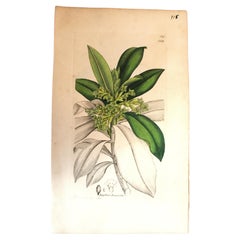
Early 19th Century Botanical Engraving by John Curtis – Hand Coloured Natural History Plate An original early 19th-century hand-coloured botanical engraving from the celebrated natural history publications of John Curtis (1791–1862), one of Britain’s most respected botanical and entomological illustrators. This beautifully detailed plate illustrates a flowering plant in scientific profile, showing bloom structure, leaves, buds, and root system with precision typical of early Victorian natural history illustration. Curtis’s work bridges science and art — created for study, yet prized today for its elegance and balance. These engravings formed part of the golden age of British botanical publishing, when artists collaborated with engravers and colourists to produce plates that were both accurate and visually refined. Each impression was printed from an engraved plate and then carefully coloured by hand, meaning no two examples are ever exactly identical. The composition has the clarity collectors seek: • Central botanical specimen • Naturalistic colour palette • Fine line engraving • Period scientific titling This makes it ideal as a single framed piece or as part of a gallery wall of antique botanical studies. About John Curtis John Curtis was a leading figure in British natural history illustration. He is best known for British Entomology and botanical works that combined taxonomic accuracy with graceful composition. His engravings are held in major museum collections and remain highly collectable in the decorative arts market. Period Early 19th century, circa 1820–1840. Technique Copperplate engraving with original hand colouring on laid paper. Condition Good antique condition consistent with age. Light toning and minor handling marks may be present, as expected with early 19th-century works on paper. Please see the images. Why Collect Curtis Botanical Prints...

Category

Antique Early 19th Century British George III Prints

Materials

Paper

Feve de St Ignace (Strychnos ignatii), French botanical flower engraving, 1818

Feve de St Ignace (Strychnos ignatii), French botanical flower engraving, 1818

By After Pierre Turpin

Located in Melbourne, Victoria

French botanical flower engraving, 1818. Colour-printed stipple engraving by J Lambert after Pierre Turpin (1775-1840) From Francois Pierre Chaumeton's 'Flore Medicale' which portrayed a variety of flowers, trees and herbs which could be used for treating illnesses. The engravings were produced during the great period of French colour printing using the stipple-engraving process pioneered by the great botanical artist Pierre-Jospeh Redoute. The artist is the celebrated Pierre Jean Francois Turpin...

Category

Early 19th Century Victorian More Prints

Materials

Engraving