Want more images or videos?
Request additional images or videos from the seller
1 of 10

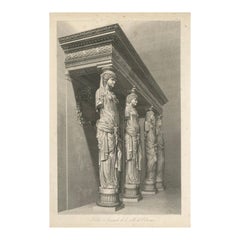
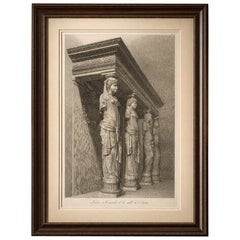
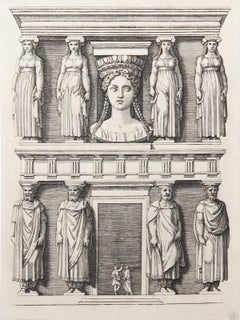
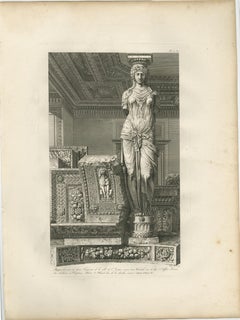
Architectural Engraving of a Caryatid, Cabinet d'Henri IV, by Baltard, ca.1800

$564.77
£418.19
€480VAT Included
CA$786.65
A$800.31
CHF 458.66
MX$9,636.27
NOK 5,360.88
SEK 5,384.41
DKK 3,660.20

About the Item

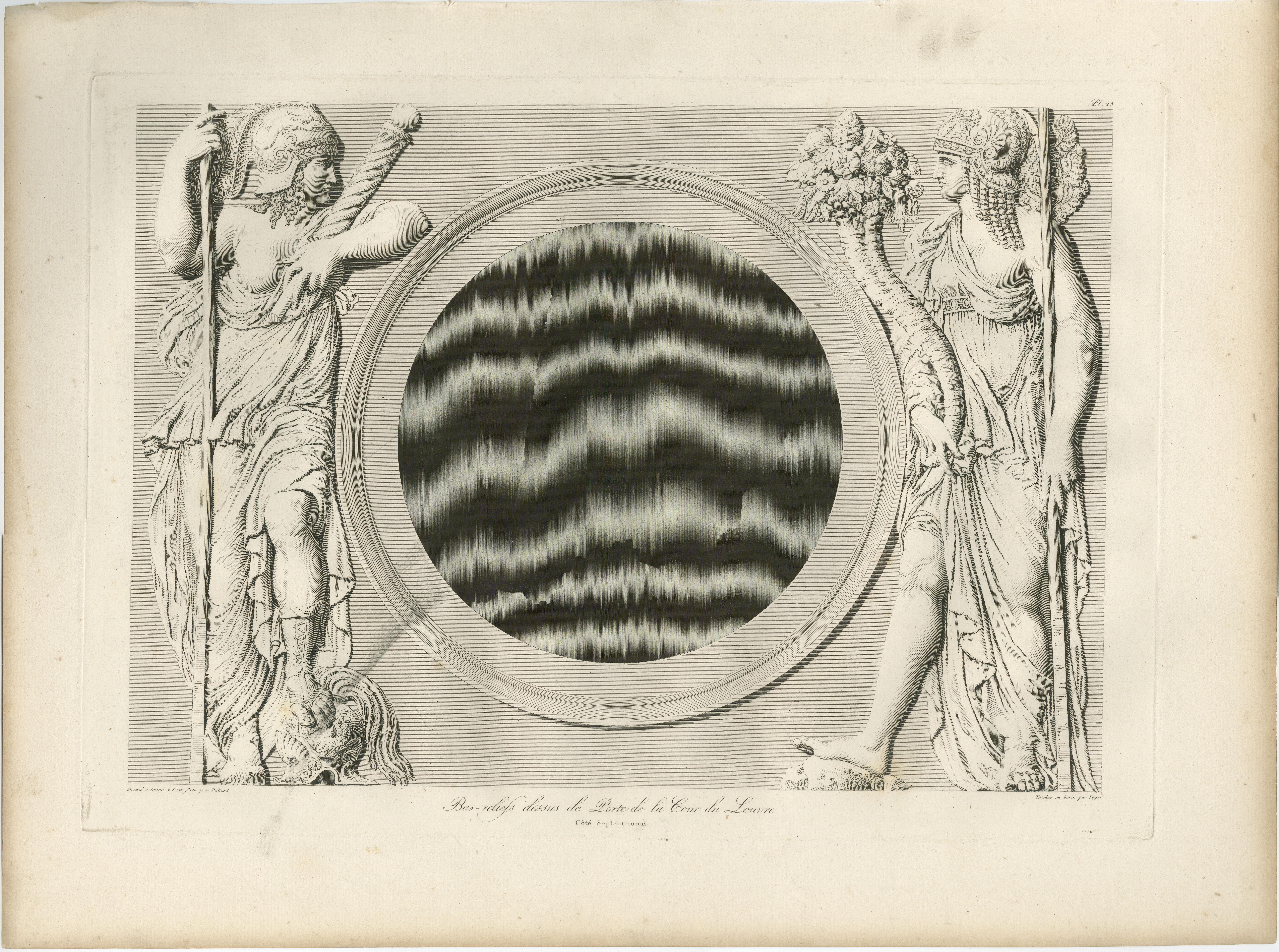
Antique Architectural Engraving of a Caryatid, Cabinet d'Henri IV, by Baltard, 18th Century This engraving depicts a richly detailed caryatid figure surrounded by fragments of classical ornamentation, including sculpted reliefs of fruit garlands, mythological animals, and decorative panels. The plate is numbered “Pl. 27 bis” in the upper right. At the lower margin, the inscription reads: “Rapprochemens de divers Fragments de la salle de l’Institut, savoir: 1: une Cariatide vue de face; 2: Soffites, Larmier, Arc doublaux et Chapiteau Pilastre; 3: Plafond doré de la chambre nommée, Cabinet d’Henri IV.” This identifies the subject as architectural fragments recorded in the Salle de l’Institut in Paris, particularly from the celebrated Cabinet d’Henri IV. The work is signed “Baltard del. et sculp.,” confirming that it was both drawn and engraved by Louis-Pierre Baltard (1764–1846), an influential French architect, engraver, and designer. Baltard produced a number of architectural engravings that documented notable French interiors and historic decorative schemes, making this plate part of an important corpus of late 18th- and early 19th-century architectural studies. The engraving shows a front-facing caryatid supporting an entablature, flanked by elaborately ornamented blocks carved with garlands of fruit and foliage, lion heads, and a stylized animal figure. The richly coffered ceiling is rendered with meticulous detail, demonstrating Baltard’s precision as both architect and engraver. Condition report: The print is in good condition with a strong, clear impression. Minor age toning and scattered foxing are visible, particularly in the margins, consistent with age. The sheet retains wide margins with deckled edges. A visible plate mark frames the image. Framing tips: This engraving would present beautifully in a dark walnut or ebonized wood frame with a wide cream or ivory mount to emphasize the fine architectural details. For a refined classical accent, consider double matting with a thin inner line in muted green or terracotta to echo the neoclassical theme.
  • Dimensions:
    Height: 22.84 in (58 cm)Width: 16.74 in (42.5 cm)Depth: 0.01 in (0.2 mm)
  • Materials and Techniques:
    Paper,Engraved
  • Place of Origin:
  • Period:
  • Date of Manufacture:
    circa 1800
  • Condition:
    The print is in good condition with a strong, clear impression. Minor age toning and scattered foxing are visible, particularly in the margins, consistent with age. The sheet retains wide margins with deckled edges.
  • Seller Location:
    Langweer, NL
  • Reference Number:
    Seller: BG-065391stDibs: LU3054346743752

More From This Seller

View All
Antique Caryatid Sculpture of the Louvre Interior – Baltard Paris 1803

Antique Caryatid Sculpture of the Louvre Interior – Baltard Paris 1803

Located in Langweer, NL

Antique Caryatid Sculpture of the Louvre Interior – Baltard Paris 1803 Description: This impressive early 19th-century architectural engraving originates from the rare French publication Paris et ses Monuments, mesurés, dessinés et gravés, created by the architect and engraver Louis-Pierre Baltard and published in Paris in 1803. Baltard’s monumental work was dedicated to Napoleon Bonaparte and aimed to systematically document the architectural treasures of Paris through precise measurements and carefully executed engravings. The publication is regarded as one of the most important early visual surveys of Parisian monuments during the Napoleonic era. The present plate depicts a monumental caryatid sculpture placed within an elaborate Renaissance architectural interior associated with the Louvre Palace. Caryatids—sculpted female figures used as architectural supports—derive from ancient Greek architecture and were widely revived during the Renaissance. French Renaissance architects and sculptors embraced these classical motifs to evoke the authority and elegance of antiquity, particularly in royal architectural projects such as the Louvre. The figure stands gracefully upon a decorated pedestal, her body wrapped in flowing classical drapery that clings to the form beneath. The folds of the garment are rendered with exceptional delicacy, demonstrating the sculptural style associated with the French Renaissance and the influence of the School of Fontainebleau. The figure’s calm expression and symmetrical stance reinforce the classical ideals of harmony and balance that characterized Renaissance architectural decoration. Behind the statue Baltard carefully renders fragments of richly ornamented architectural elements, including carved friezes, decorative panels, and sections of an elaborate coffered ceiling. These architectural fragments display dense Renaissance ornamentation: fruit garlands, geometric borders, classical motifs, and sculptural reliefs. One decorative panel features a small sculptural figure framed within a classical border, while surrounding carvings display vegetal ornament and antique-inspired patterns typical of the decorative programs commissioned by the French monarchy during the 16th century. The composition reflects Baltard’s method of presenting architectural studies through carefully arranged fragments that highlight the richness of Renaissance ornamentation. Rather than documenting a single viewpoint, the engraver often grouped significant sculptural and architectural details together to illustrate their artistic and structural relationships. This approach allowed artists, architects, and scholars of the early 19th century to study the details of French Renaissance architecture with remarkable clarity. Executed with masterful copperplate engraving, the plate displays extraordinary technical precision. Baltard used fine burin work to reproduce the textures of carved stone, the subtle depth of architectural moldings, and the soft fall of drapery across the sculpture. The dense hatchings and controlled shading create a convincing sense of depth and mass, producing a striking trompe-l'œil effect that makes the architectural fragments appear almost sculptural on the page. Architectural engravings of this quality were intended as both documentation and inspiration. During the early 19th century they served as important visual references for architects and artists studying the achievements of Renaissance design. Today they remain highly sought after by collectors of architectural prints, historians of French art, and interior designers seeking authentic classical imagery. This is an original print from the year of publication, not a later reproduction. The print is offered unframed, allowing the buyer freedom to select framing appropriate to their interior or collection. Any framed examples shown in photographs are for visual inspiration only. Condition: Good antique condition with general age-related toning and occasional light foxing. Wide margins preserved. Strong impression with visible plate mark. Minor handling wear consistent with age. Framing tips: This engraving displays beautifully with a generous ivory or warm off-white mat and a dark walnut, ebonized, or gilded frame. The vertical composition and sculptural subject make it particularly suitable for classical interiors, libraries, or architectural gallery walls. Technique: copperplate engraving Maker: Louis-Pierre Baltard, Paris, 1803 Keyword block: antique architectural print, caryatid sculpture engraving, baltard paris monuments, louvre renaissance architecture, french neoclassical engraving, paris monument print 1803, classical caryatid sculpture, french renaissance ornament print, architectural study engraving, louvre palace decoration print, institut de france architecture, antique paris architecture print...

Category

Antique Early 19th Century French Prints

Materials

Paper

Caryatids of the Institut de France – Engraving by Louis-Pierre Baltard, c.1800

Caryatids of the Institut de France – Engraving by Louis-Pierre Baltard, c.1800

Located in Langweer, NL

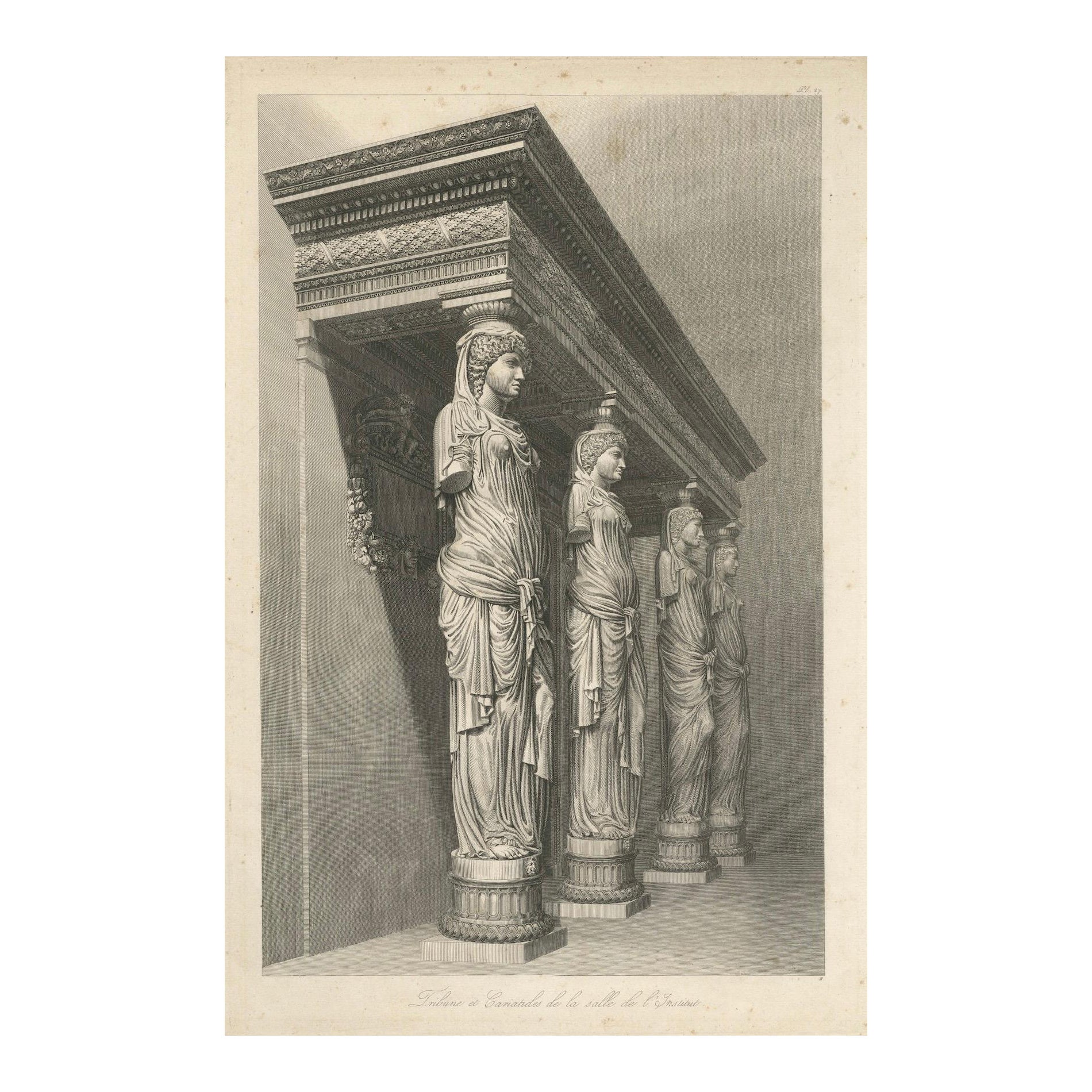
Caryatids of the Institut de France – Engraving by Louis-Pierre Baltard, c.1800 An exquisite architectural engraving by Louis-Pierre Baltard (1764–1846), titled Tribune et Cariatide...

Category

Antique Early 1800s French Prints

Materials

Paper

Antique Caryatid Sculpture Print, Louvre Institut Tribune – Baltard 1803

Antique Caryatid Sculpture Print, Louvre Institut Tribune – Baltard 1803

Located in Langweer, NL

Antique Caryatid Sculpture Print, Louvre Institut Tribune – Baltard 1803 Description: This striking early 19th-century architectural engraving originates from the rare and important French publication *Paris et ses Monuments, mesurés, dessinés et gravés*, created by the architect and engraver Louis-Pierre Baltard and published in Paris in 1803. The monumental work aimed to document the most significant architectural monuments of Paris with exceptional precision, combining artistic mastery with measured architectural study. Baltard dedicated the publication to Napoleon Bonaparte, reflecting the era’s fascination with classical architecture and the systematic documentation of national monuments. The engraving is titled *Tribune et Caryatides de la Salle de l’Institut* and depicts a magnificent architectural composition featuring caryatid figures supporting a richly ornamented entablature. Caryatids are sculpted female figures used as architectural supports, a motif that originated in ancient Greek architecture and was widely revived during the Renaissance and Neoclassical periods. The composition presents three monumental draped female statues standing in profile beneath an elaborately decorated architectural canopy. Each figure stands upon an ornate pedestal and supports the heavy entablature above, creating a powerful illusion of structural weight balanced by elegant sculptural grace. The figures are shown with finely carved classical drapery that falls in rhythmic folds, emphasizing the sculptural form beneath. Their poses, garments, and hairstyles evoke antique prototypes, reflecting the Renaissance admiration for classical antiquity that deeply influenced French architecture. The scene represents decorative sculpture associated with the Louvre complex and the Institut de France during the early modern period. At the time Baltard produced this publication, the Institut de France had been housed within the Louvre Palace before its relocation to the Collège des Quatre-Nations in 1805. Baltard’s engravings aimed to record these architectural treasures with almost scientific accuracy, preserving important details of French Renaissance decoration for future architects, artists, and historians. The extraordinary detail achieved in the engraving demonstrates Baltard’s mastery of copperplate engraving techniques. Using delicate burin work, he reproduced the texture of carved stone, deep shadows of architectural recesses, and the subtle folds of classical drapery. The result is a convincing trompe-l'œil effect that gives the flat sheet the appearance of sculpted relief and architectural depth. Architectural prints such as this served not only as documentation but also as inspiration for artists and architects studying classical ornament and Renaissance design. Today they remain highly valued by collectors of architectural prints, historians of French art, and interior designers seeking authentic classical imagery. This is an original print from the year of publication, not a later reproduction. The print is offered unframed, allowing the buyer full freedom of framing choice according to personal or interior design preferences. Any framed examples shown in photographs are for visual inspiration only. Condition: Good antique condition with general age-related toning and occasional light foxing. Wide margins preserved. Strong, dark impression with visible plate mark. Minor handling wear consistent with age. Framing tips: This engraving frames beautifully with a generous ivory or cream mat and a dark walnut, black lacquer, or gilded frame. The strong architectural perspective and sculptural subject make it particularly effective in library interiors, classical interiors, or gallery walls focused on architectural studies. Technique: copperplate engraving Maker: Louis-Pierre Baltard, Paris, 1803 Keyword block: antique architectural print, caryatid sculpture engraving, baltard paris monuments, louvre architectural print, institut de france engraving, french neoclassical architecture, caryatid column sculpture, paris monument engraving, 1803 copperplate engraving, french renaissance architecture print, classical sculpture engraving, louvre palace decoration, architectural study print, antique paris architecture print...

Category

Antique Early 19th Century French Prints

Materials

Paper

Statue of Roman Empress Agrippina in Rome, Etching on Paper, 1660

Statue of Roman Empress Agrippina in Rome, Etching on Paper, 1660

Located in Langweer, NL

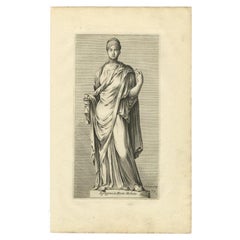
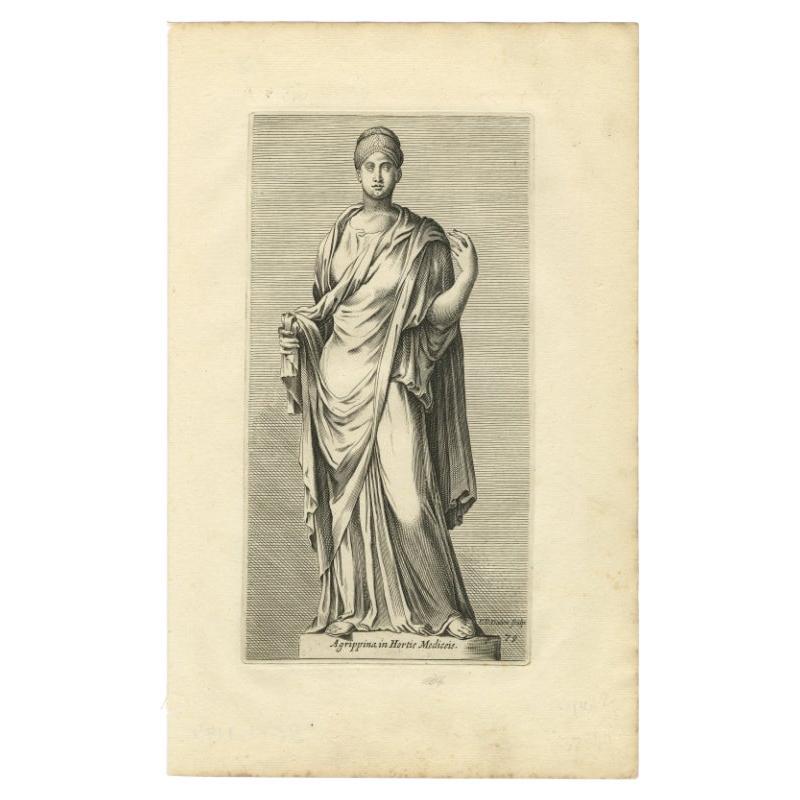
Antique print, titled: 'Agrippina in Hortis Mediceis.' - Statue of Agrippina in Rome. Agrippina was a Roman Empress. From the 1660 Dutch edition of 'Icones et Segmenta Nobil. Signorum et Statuarum quae Romae extant' by Francois Perrier...

Category

Antique 17th Century Prints

Materials

Paper

Original Antique Engraving of a Statue of a Sabine Woman in Rome, Italy

Original Antique Engraving of a Statue of a Sabine Woman in Rome, Italy

Located in Langweer, NL

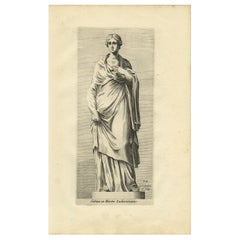
Antique print, titled: 'Sabina in Hortis Ludovisianis.' - Statue of a Sabine woman in Rome. The Sabines were an Italic tribe which lived in the central Apennines of ancient Italy. From the 1660 Dutch edition of 'Icones et Segmenta Nobil. Signorum et Statuarum quae Romae extant' by Francois Perrier. This first Dutch edition was published by Nicolaas Visscher, printed in 1660 (Amsterdam). Although Perrier was French, he fell in love with Rome when he traveled there first in 1628 and then returning in 1635 and remaining for 10 years. While there, he completed this series of 100 views of Roman statuary in the various palaces and gardens, including the Medici and Vatican gardens and the Palazzo Farnese. Artists and Engravers: Made by 'Cornelis van Dalen...

Category

Antique 1660s Prints

Materials

Paper

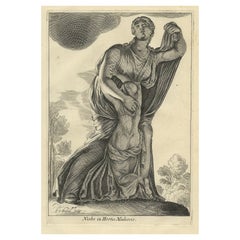
Original Antique Engraving of the Statue of Niobe in Rome, Italy, 1660

Original Antique Engraving of the Statue of Niobe in Rome, Italy, 1660

Located in Langweer, NL

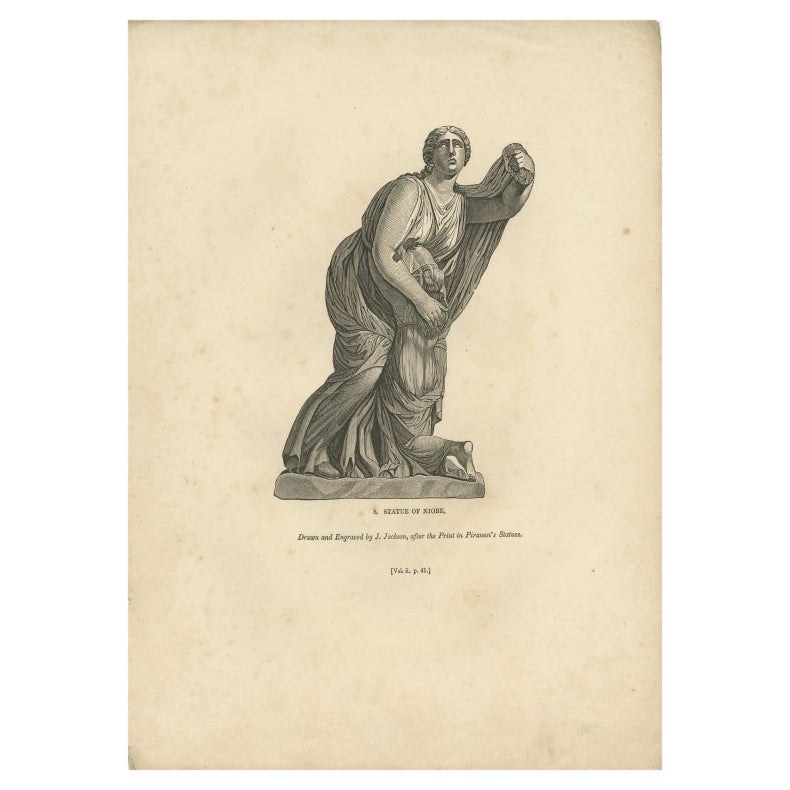
Antique print, titled: 'Niobe in Hortis Mediceis.' - Statue of Niobe in Rome. In Greek mythology, Niobe was a daughter of Tantalus and Dione. From the 1660 Dutch edition of 'Icones ...

Category

Antique 1660s Decorative Art

Materials

Paper

You May Also Like

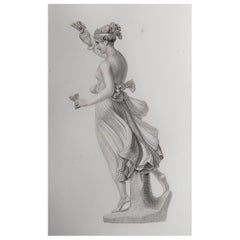
Original Antique Print of The Greek Goddess, Hebe. Dated 1833

Original Antique Print of The Greek Goddess, Hebe. Dated 1833

Located in St Annes, Lancashire

Wonderful image of Hebe Fine steel engraving. Published by Fisher. Dated 1833 Unframed.

Category

Antique 1830s English Neoclassical Prints

Materials

Paper

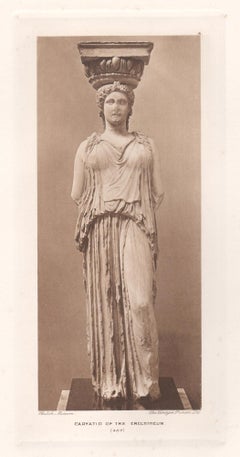
Caryatid of the Erechtheum, British Museum Greek Classical photogravure

Caryatid of the Erechtheum, British Museum Greek Classical photogravure

Located in Melbourne, Victoria

'Caryatid of the Erechtheum' Photogravure from a collection of photogravures depicting Greek and Roman marbles and bronzes in the British museum. Plate number above top right corner...

Category

1910s Other Art Style Portrait Prints

Materials

Photogravure

La Facade aux Cariatide, Heliogravure by Marcantonio Raimondi

La Facade aux Cariatide, Heliogravure by Marcantonio Raimondi

By Marcantonio Raimondi

Located in Long Island City, NY

Marcantonio Raimondi, After by Amand Durand, Italian (1480 - 1534) - La Facade aux Cariatide, Year: 1875, Medium: Heliogravure on Laid Paper, Size: 13 x 9.5 in. (33.02 x 24.13 cm)...

Category

1870s Old Masters Prints and Multiples

Materials

Etching