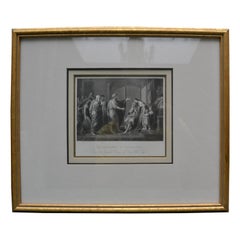
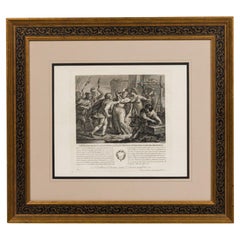
Antique Biblical Engravings – Christ and the Adulterous Woman & The Stoning of St. Stephen, 18th c.
Description:
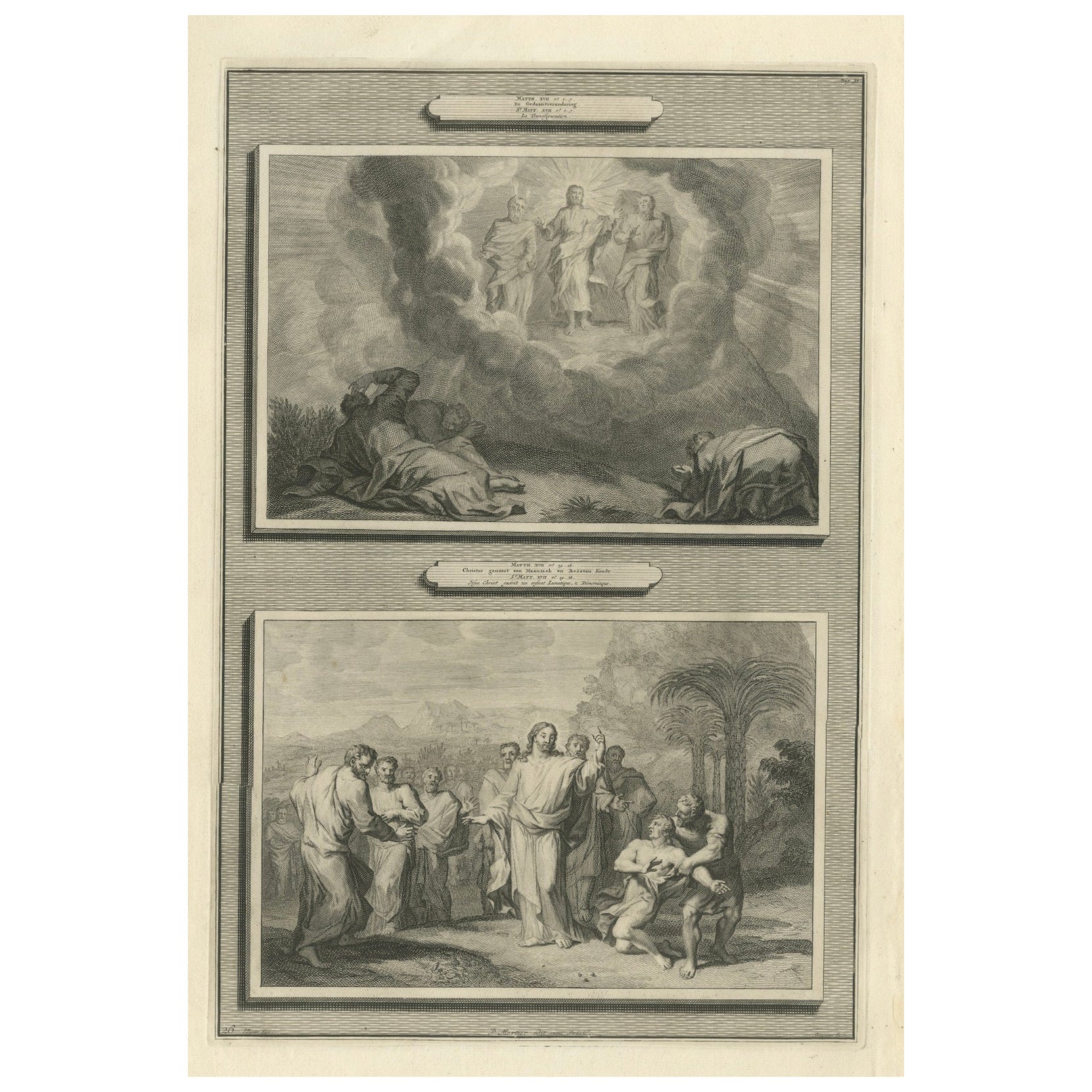
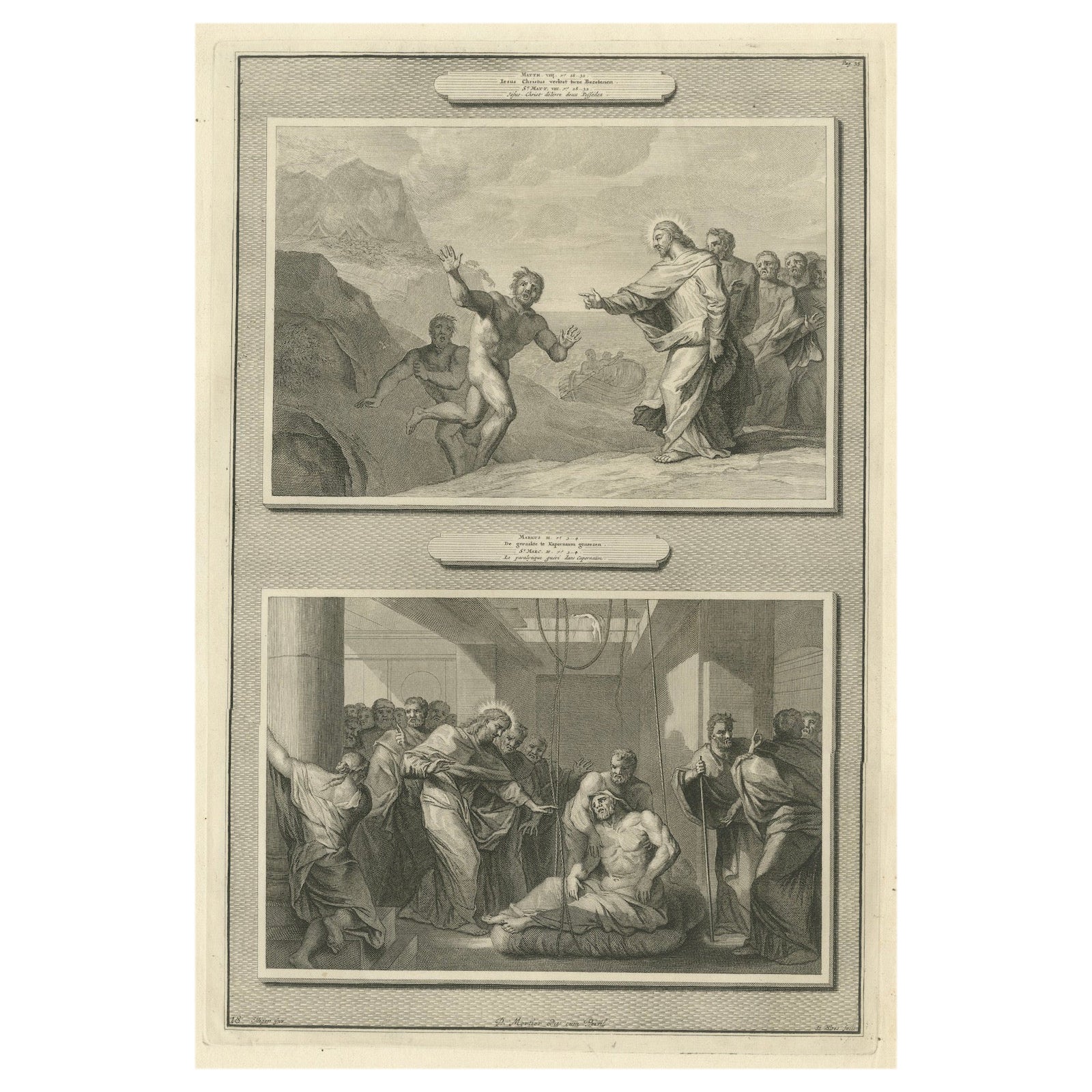
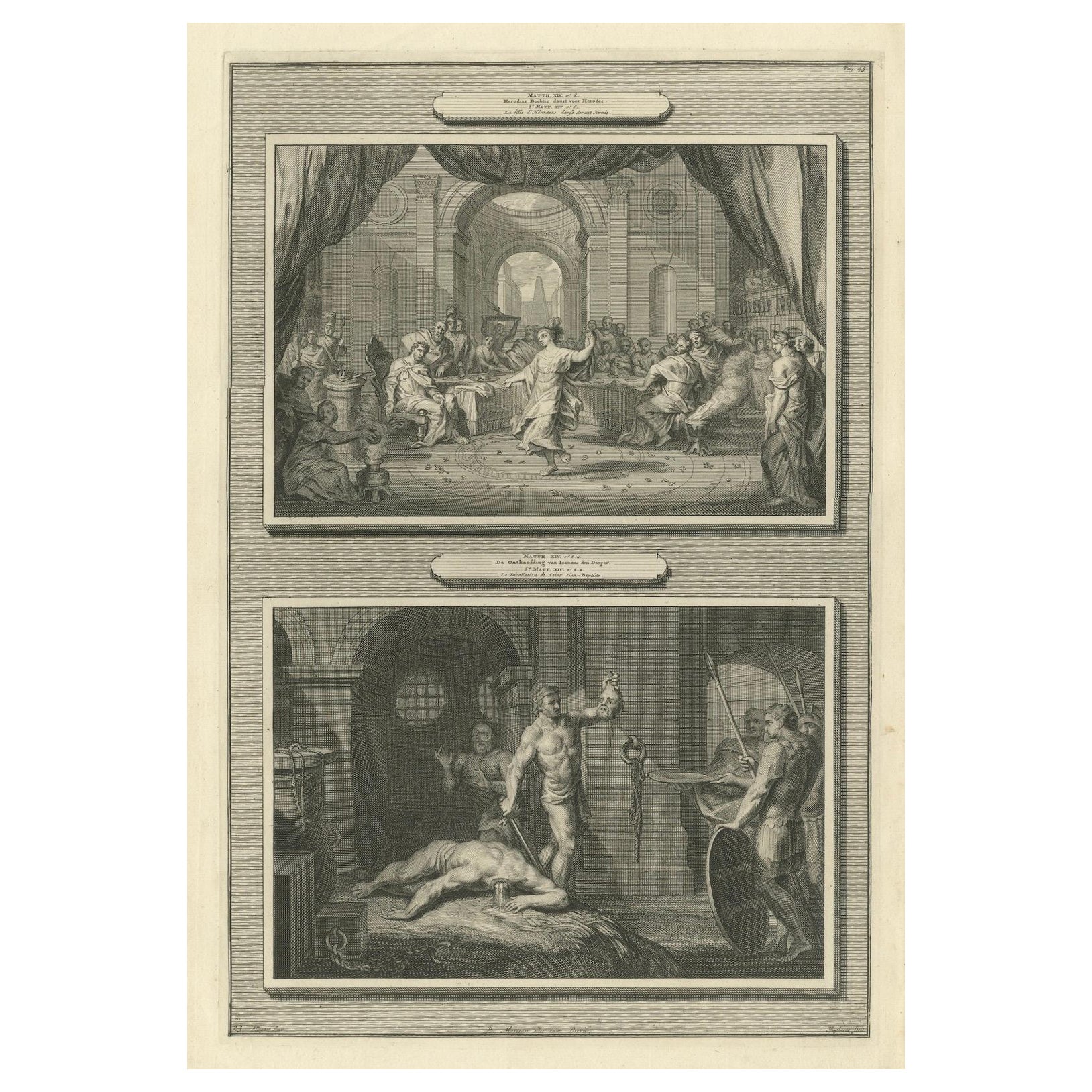
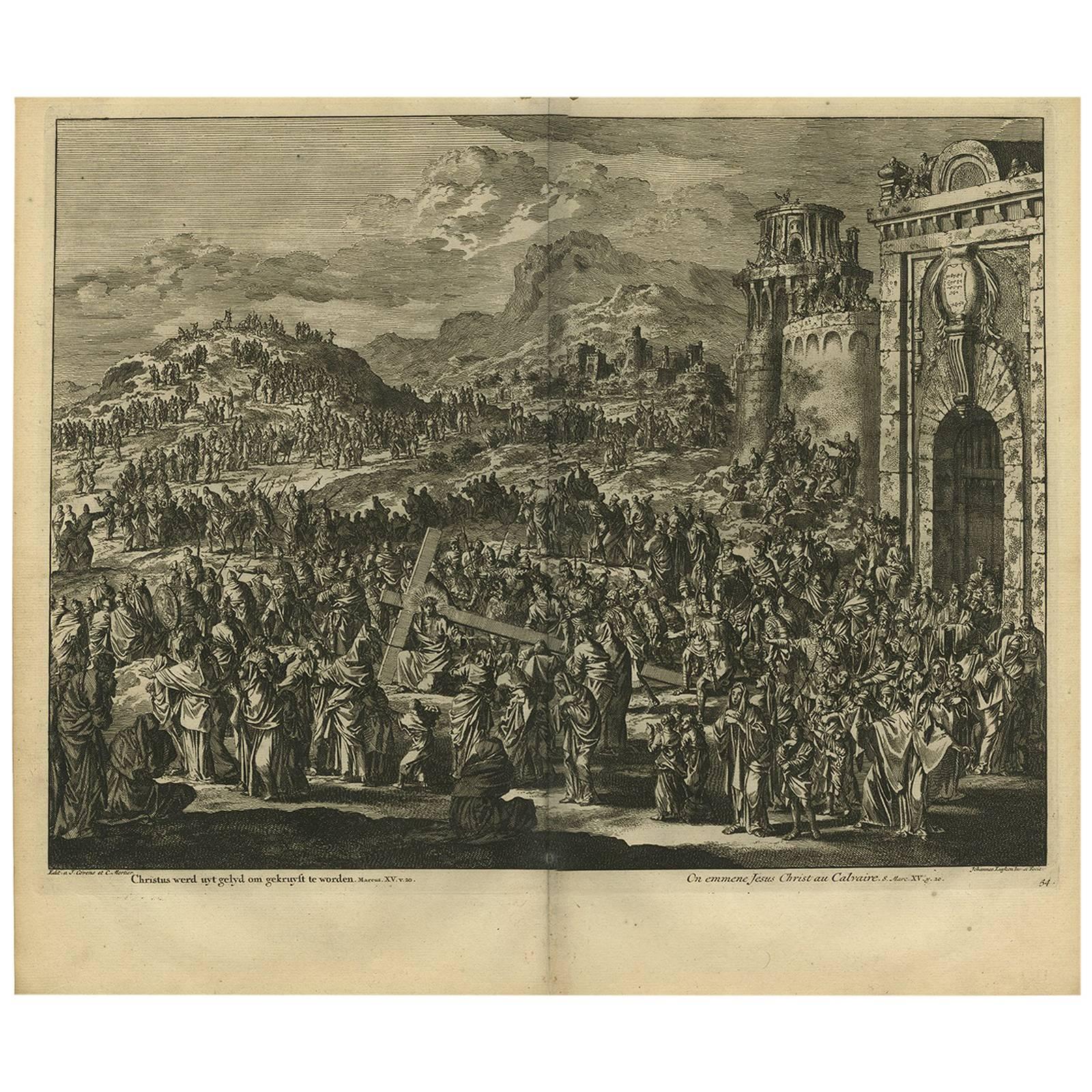
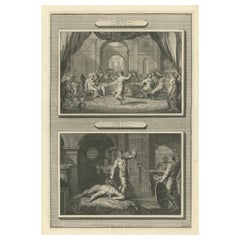
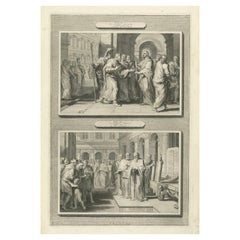
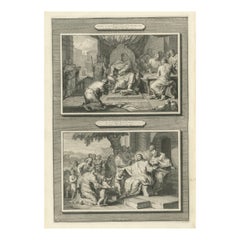
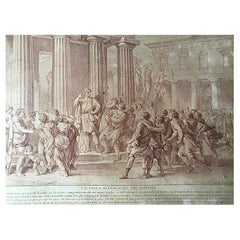
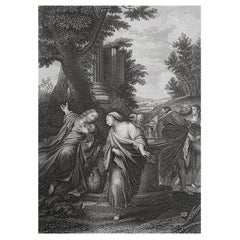
This striking engraving sheet, published by Pieter Mortier around 1700, presents two powerful New Testament episodes rendered with great dramatic intensity. The upper scene depicts Christ and the woman taken in adultery, as narrated in John 8:3–11. A group of scribes and Pharisees bring before Christ a woman accused of adultery, testing Him by demanding a judgment. Christ bends down and writes in the dust, then utters His famous words: “He that is without sin among you, let him first cast a stone at her.” The engraving captures the moment of tense anticipation: the accusers lean forward, while Christ calmly points downward, emphasizing both His authority and compassion. The woman, humbly bowed, becomes the focal point of divine mercy against human judgment. The architectural background of colonnades and a classical square reinforces the solemn, judicial atmosphere of the event.
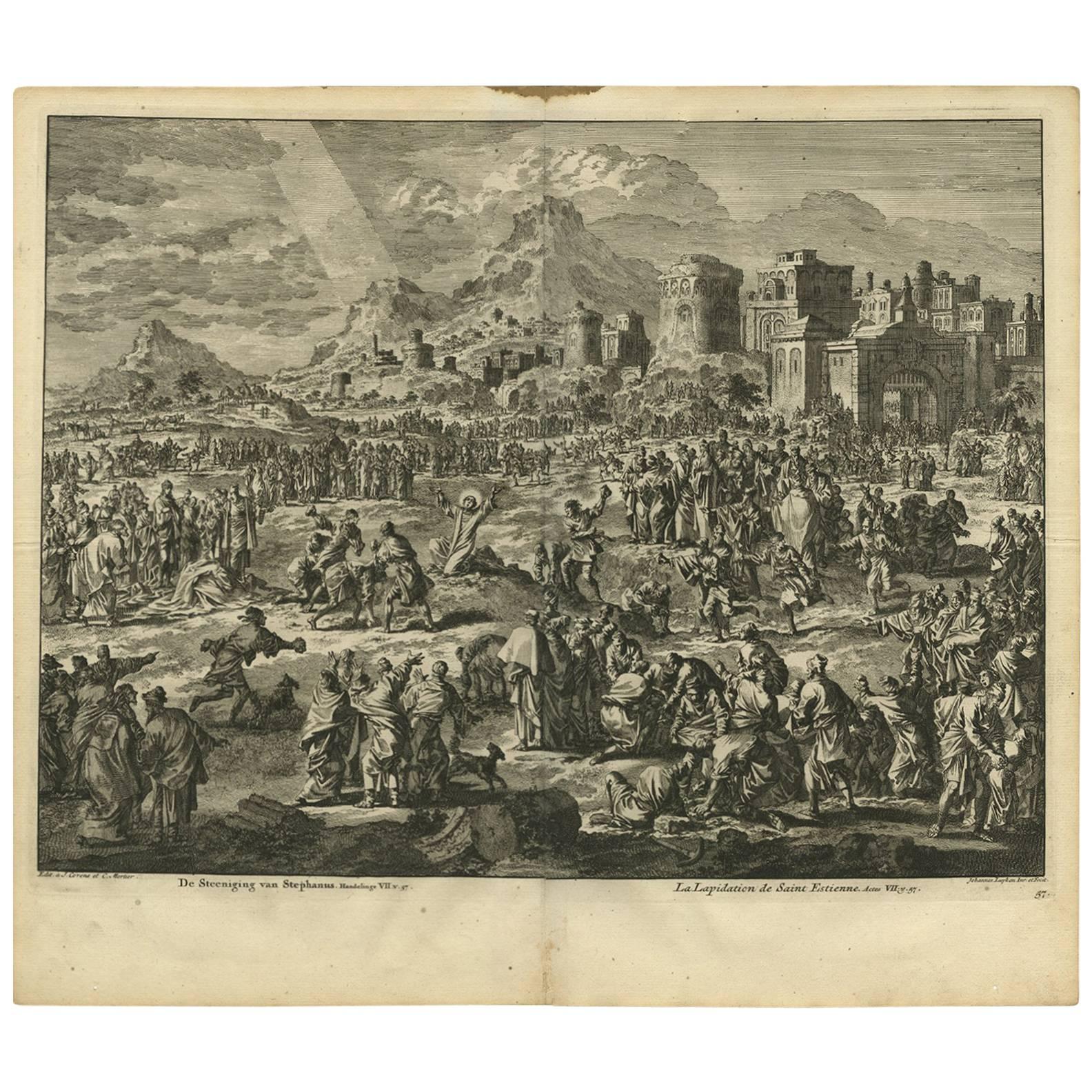
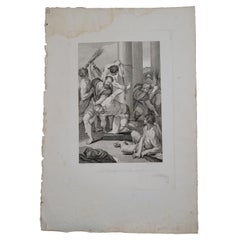
The lower scene shifts from Christ’s teaching to one of the earliest martyrdoms of the Christian church: the stoning of St. Stephen, recorded in Acts 7:55–60. Here, Stephen, the first Christian martyr, is dragged into the city and violently attacked by a furious crowd. The artist conveys chaos through energetic gestures—arms raised, stones hurled—contrasted with Stephen’s serene, upward gaze as he commends his spirit to God. Christ appears above as witness to Stephen’s faith, underscoring the link between suffering and salvation. The architectural setting, with its grand arches and crowded square, heightens the tension between worldly condemnation and divine vindication.
Together, these engravings embody the themes of judgment, mercy, and martyrdom central to Christian teaching. They invite reflection not only on the fragility of human justice but also on the strength of faith in the face of violence. For collectors, scholars, or those interested in biblical iconography, the sheet offers an exceptional example of the artistry and moral intensity of Mortier’s biblical series.
Condition: Very good, with sharp impressions and clean lines. Light toning and faint spotting in the margins, consistent with age. Wide margins preserved. Verso blank.
Framing tips: A tall vertical frame will preserve the unity of the sheet, presenting both biblical episodes together as intended. A soft ivory mat will highlight the engraving’s detail, while a dark walnut or gilt frame provides appropriate gravitas. For a more contemporary look, black wood or ebonized framing draws the eye to the dramatic contrasts within the scenes.
Technique: Engraving
Maker: Pieter Mortier (publisher), Amsterdam, ca. 1700