Want more images or videos?
Request additional images or videos from the seller
1 of 9

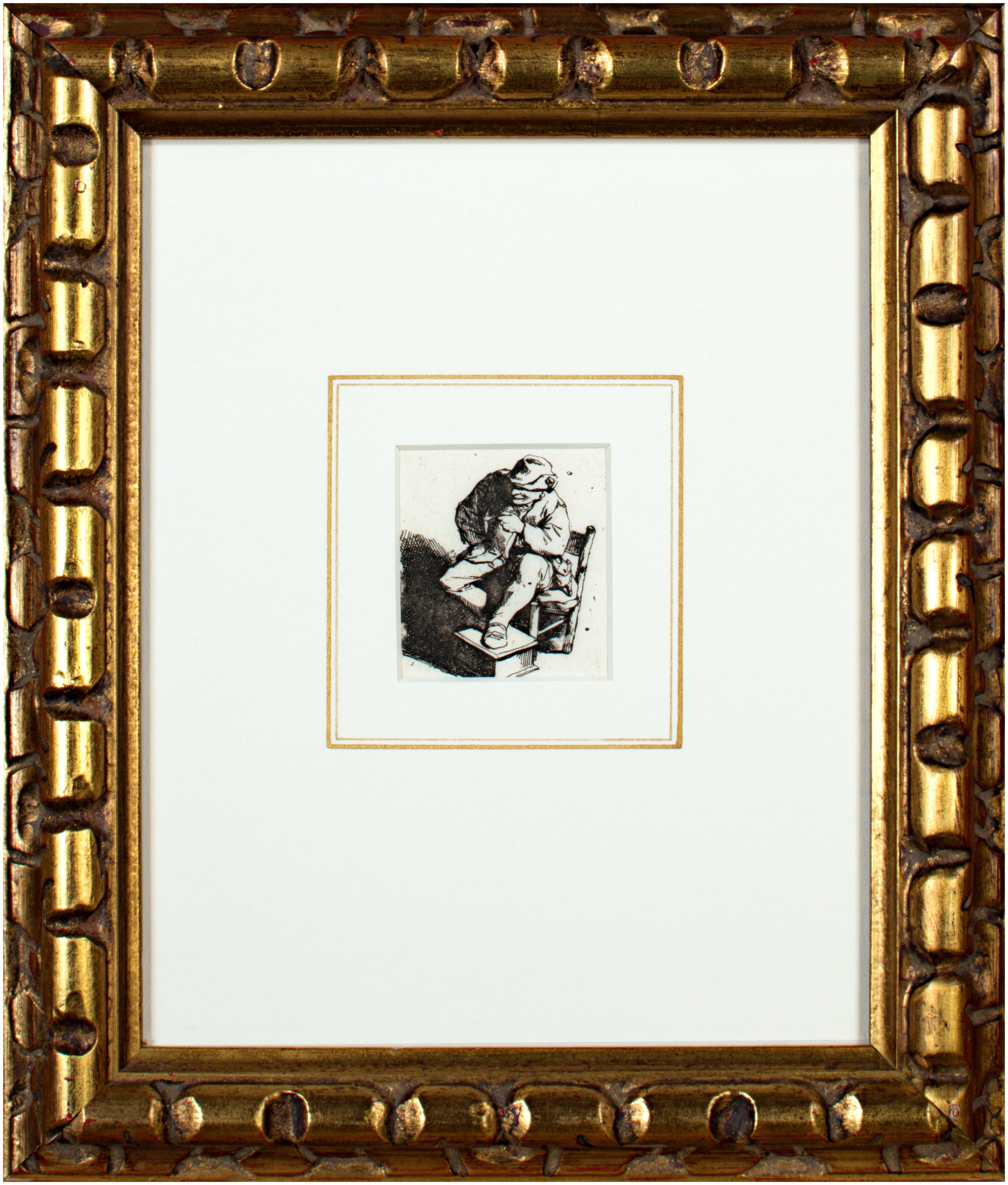
Bloemaert Style Figure Study – Man with Jug, 18thC Dutch Etching, Van den Bosch

$465.29
£345.67
€395VAT Included
CA$652.06
A$660.22
CHF 375.60
MX$8,023.78
NOK 4,439.77
SEK 4,416.44
DKK 3,011.78

About the Item

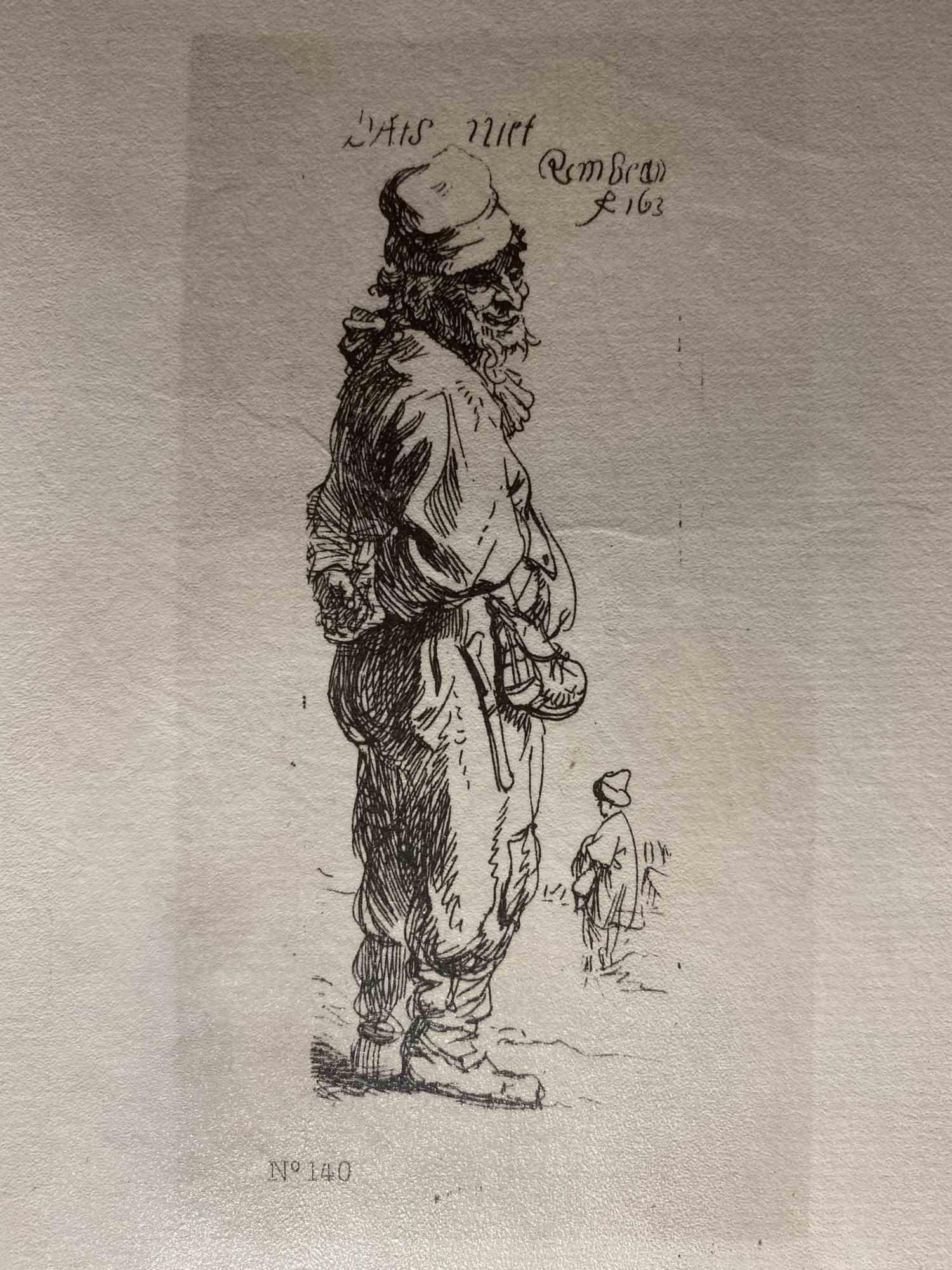
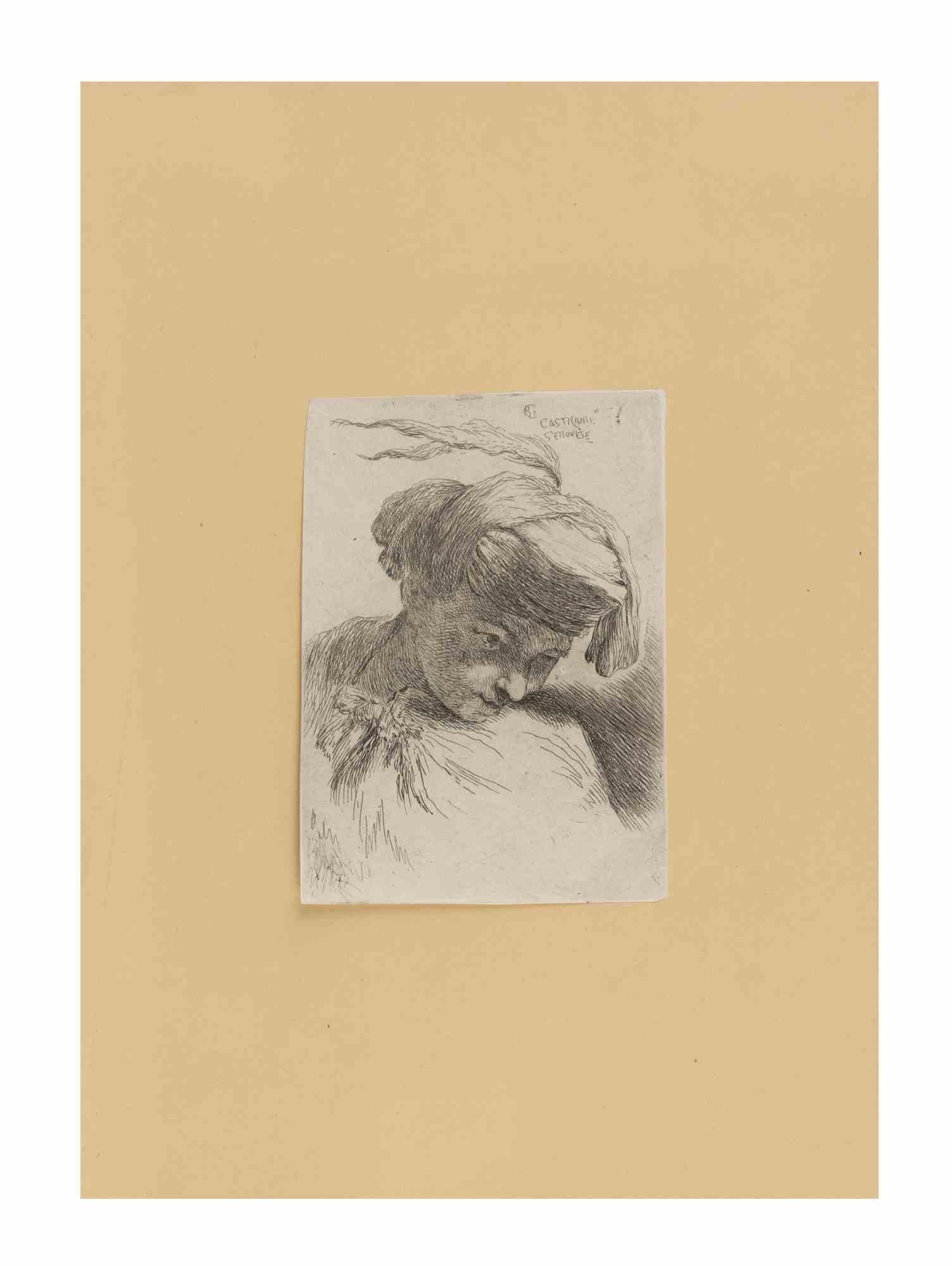
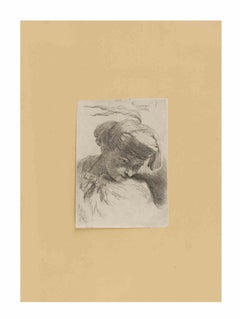
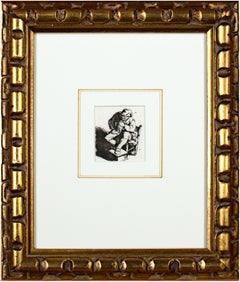
Bloemaert Style Figure Study – Man with Jug, 18thC Dutch Etching, Van den Bosch Etching by Anthonie van den Bosch after Abraham Bloemaert, not to be confused with the chiaroscuro woodcut versions by Hermanus Fock, executed from a different plate. This etching is a strong, well-inked impression with crisp plate mark, indicating an early to mid printing from the plate. A refined and intimate 18th-century etching depicting a characterful half-length figure holding a jug, executed by Anthonie van den Bosch (1763–1838) after a composition by the influential Dutch master Abraham Bloemaert (1564/66–1651). This evocative genre study reflects Bloemaert’s enduring impact on later printmakers, translating his expressive figure style into a lighter, linear graphic language. The composition presents a man in a soft cap, turned slightly in profile, his gaze directed outward while he grips a rounded vessel with both hands. The simplicity of the scene is deceptive; the expressive linework captures subtle facial features and gesture, lending the figure a quiet narrative presence. The restrained use of line, combined with delicate shading, gives the print an almost sketch-like immediacy—suggesting it may have been intended as a study or adaptation of Bloemaert’s original design. Van den Bosch, active in the late 18th and early 19th centuries, was known for translating earlier Dutch Golden Age compositions into accessible prints. His interpretation here is notably more structured and somewhat stiffer than the freer, more painterly chiaroscuro woodcut versions produced by Hermanus Fock (1766–1822), offering collectors an interesting comparative perspective between two printmakers engaging with the same source material. The print sits elegantly within wide margins, emphasizing its status as a collected sheet—possibly from a portfolio or academic series of studies after Old Masters. The warm tonality of the paper, combined with light age patina, enhances its decorative appeal, making it particularly suitable for understated, classical interiors or curated gallery walls. The print is tipped in loosely in a light matting board for protection. A fine example of Dutch revival printmaking, this piece bridges the 17th-century artistic tradition of Bloemaert with the refined sensibilities of late 18th-century graphic art, appealing to collectors of Old Master prints, Dutch art, and characterful genre studies. Condition: Good antique condition with even age toning to the paper and some light foxing within the image area. Wide margins preserved. Overall well-preserved impression. Framing tips: Beautifully suited to a warm-toned mount such as ivory or soft cream with a thin gold or dark walnut frame. A slightly wider mat will enhance the intimacy of the central image and elevate its presence on the wall. Technique: Etching Maker: Anthonie van den Bosch, Netherlands, after Abraham Bloemaert, c. late 18th century
  • Dimensions:
    Height: 4.73 in (12 cm)Width: 3.82 in (9.7 cm)Depth: 0.01 in (0.2 mm)
  • Style:
    Baroque (In the Style Of)
  • Materials and Techniques:
    Paper,Engraved
  • Place of Origin:
  • Period:
  • Date of Manufacture:
    circa 1800
  • Condition:
    Good antique condition with even age toning to the paper and some light foxing within the image area. Wide margins preserved. Overall well-preserved impression.
  • Seller Location:
    Langweer, NL
  • Reference Number:
    Seller: BG-14278-191stDibs: LU3054349365842

More From This Seller

View All
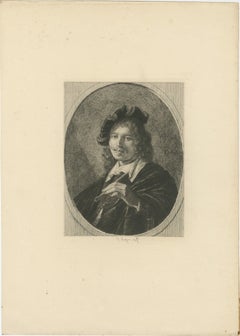
Portrait of Gerrit Dou — Etching by Paul Adolphe Rajon after Dutch Master, 1876

Portrait of Gerrit Dou — Etching by Paul Adolphe Rajon after Dutch Master, 1876

Located in Langweer, NL

Portrait of Gerrit Dou — Etching by Paul Adolphe Rajon after Dutch Master Description: This refined 19th-century etching depicts the celebrated Dutch Golden Age painter Gerrit Dou (...

Category

Antique 19th Century British Prints

Materials

Paper

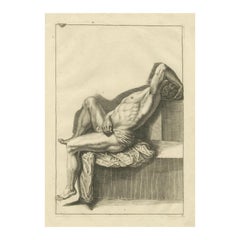
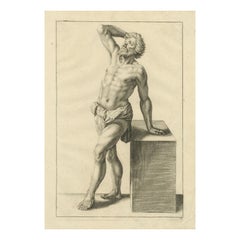
Academic Male Figure Study after de Lairesse German Drawing Manual, c1745

Academic Male Figure Study after de Lairesse German Drawing Manual, c1745

Located in Langweer, NL

Academic Male Figure Study after de Lairesse German Drawing Manual c1745 This finely engraved academic study of the male nude originates from the German edition of Gérard de Lairess...

Category

Antique Mid-18th Century German Prints

Materials

Paper

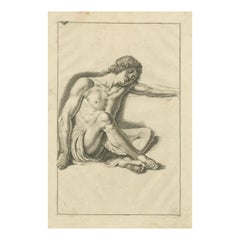
Seated Male Nude with Outstretched Arm after de Lairesse German Manual, c1745

Seated Male Nude with Outstretched Arm after de Lairesse German Manual, c1745

Located in Langweer, NL

Seated Male Nude with Outstretched Arm after de Lairesse German Manual c1745 Description: This expressive academic study of the male nude originates from the German edition of Gérar...

Category

Antique Mid-18th Century German Prints

Materials

Paper

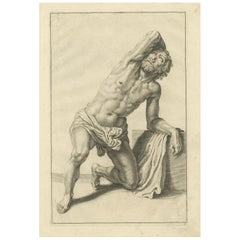
Kneeling Male Nude Study after de Lairesse German Drawing Manual, c1745

Kneeling Male Nude Study after de Lairesse German Drawing Manual, c1745

Located in Langweer, NL

Kneeling Male Nude Study after de Lairesse German Drawing Manual c1745 Description: This expressive academic study of the male nude originates from the German edition of Gérard de L...

Category

Antique Mid-18th Century German Prints

Materials

Paper

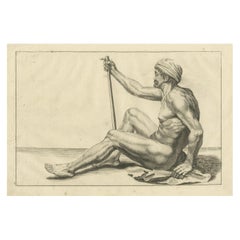
Seated Male Nude with Staff after de Lairesse German Drawing Manual, c1745

Seated Male Nude with Staff after de Lairesse German Drawing Manual, c1745

Located in Langweer, NL

Seated Male Nude with Staff after de Lairesse German Drawing Manual c1745 This refined academic study of the male nude originates from the German edition of Gérard de Lairesse’s inf...

Category

Antique Mid-18th Century German Prints

Materials

Paper

You May Also Like

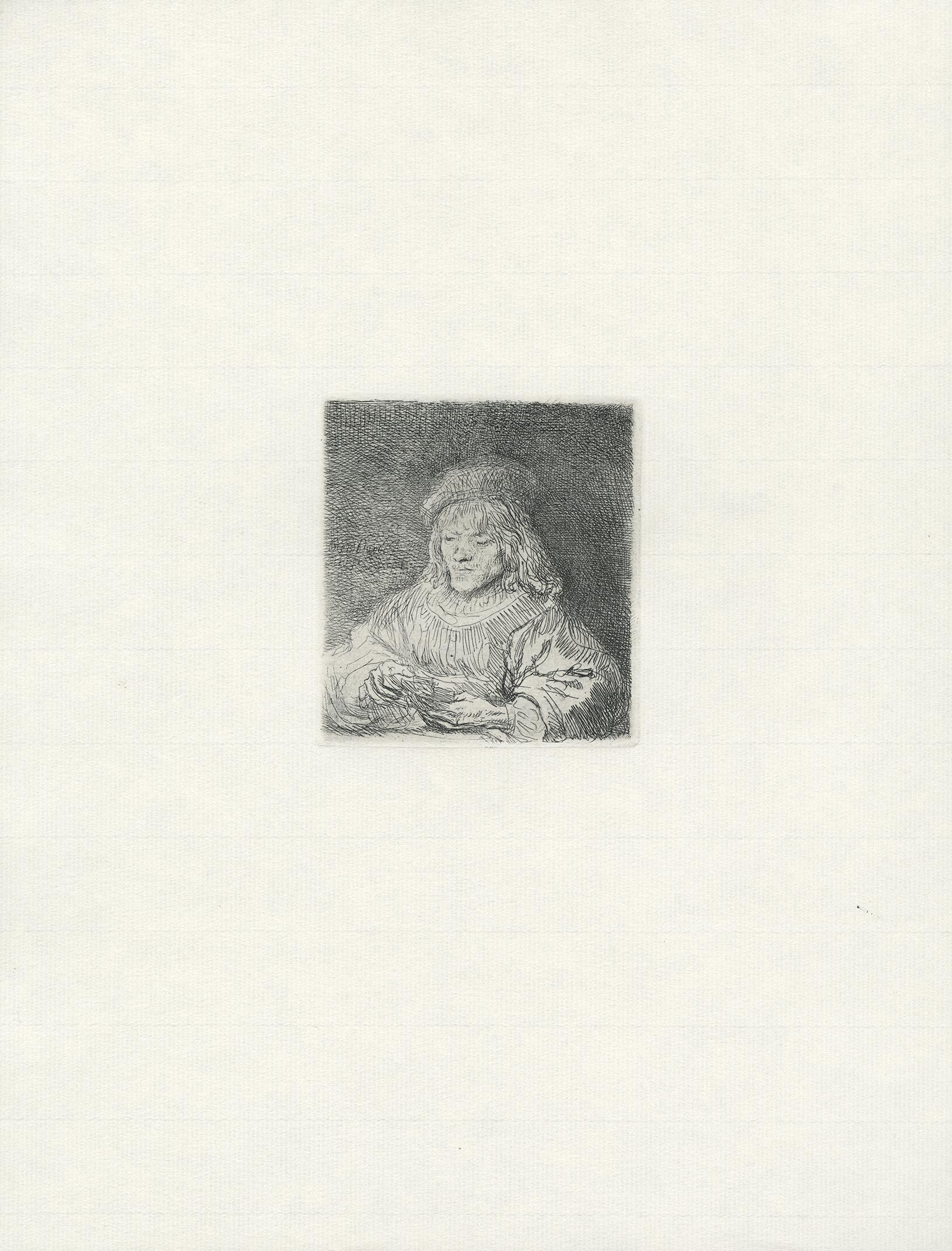
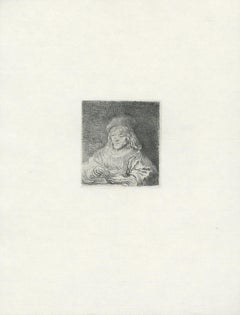
The Card Player Etching, Dutch School, Signed, Circa 1640, Framed

The Card Player Etching, Dutch School, Signed, Circa 1640, Framed

By Rembrandt van Rijn

Located in Milwaukee, WI

Etching on Ingres D'arches off-white laid paper, signed and dated Fourth and final state Posthumous Impression, 1998 3.5 x 3.12 in (8.89 x 7.92 cm) Framed 17.88 x 17.63 in

Category

1640s Dutch School Portrait Prints

Materials

Etching

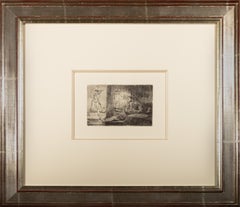
The Smoker and the Drinker

The Smoker and the Drinker

By Adriaen van Ostade

Located in San Francisco, CA

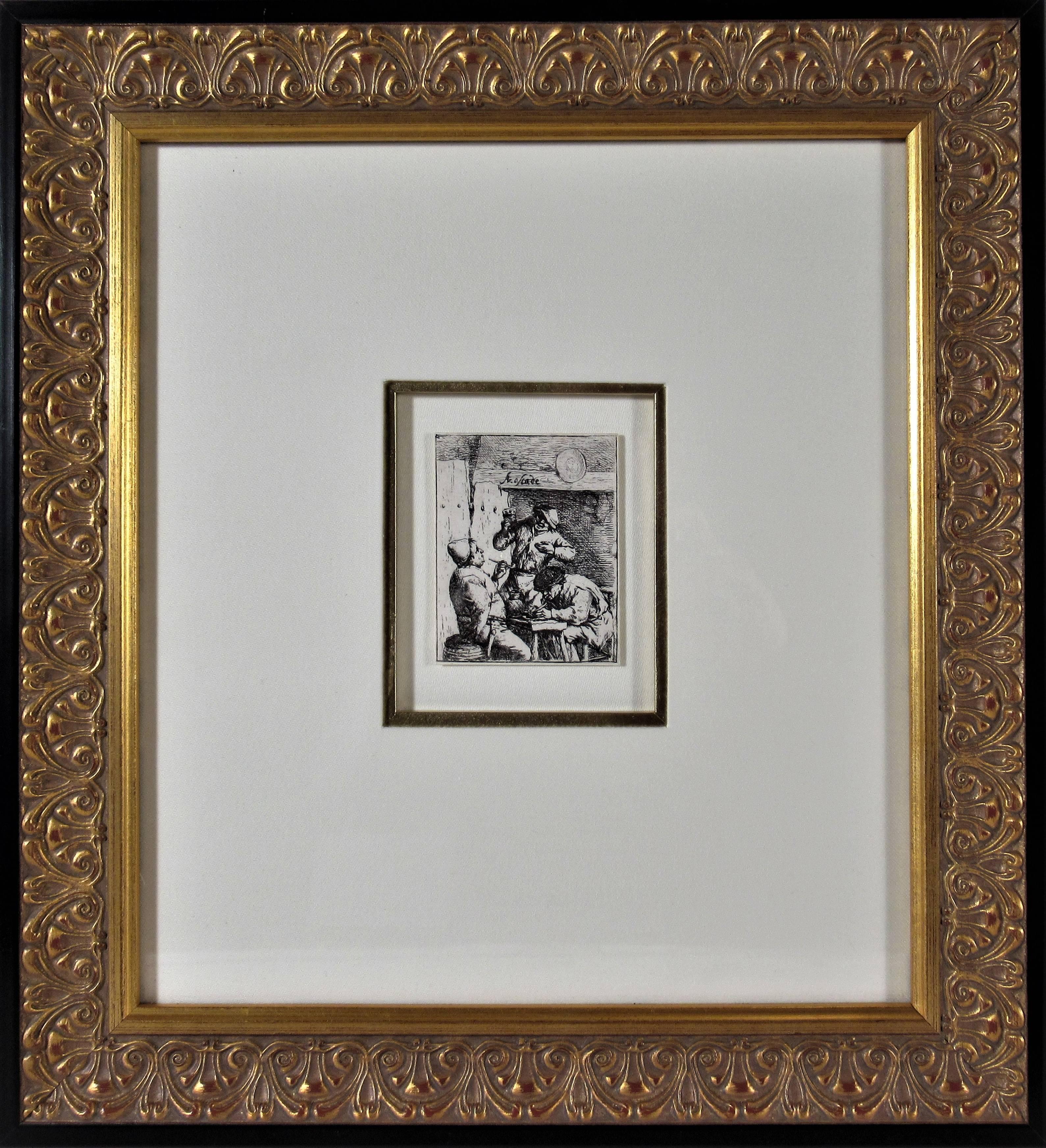
Artist: Adriaen Van Ostade (Dutch, 1610-1685) Title: The Smoker and the Drinker Year: 1650 Medium: Etching Paper: Laid paper Image (plate mark) size...

Category

Late 17th Century Old Masters Figurative Prints

Materials

Etching

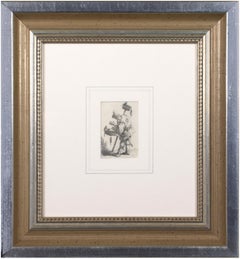
17th century etching black and white figurative character print expressive

17th century etching black and white figurative character print expressive

By Jan Gillisz van Vliet

Located in Milwaukee, WI

Jan Gillisz van Vliet (1605–1668) was a Dutch Golden Age artist and student of Rembrandt. He worked with Rembrandt between 1628 and 1637, inspired by his master's work. Like Rembrandt, van Vliet made a series of beggar figures, though often with a greater degree of satire and expressiveness. For example, this image of a rat catcher...

Category

1630s Old Masters Figurative Prints

Materials

Etching

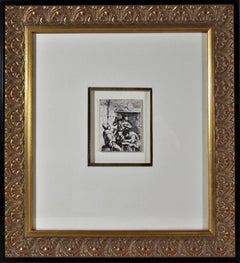
'The Smoker (Le Fumeur)' original etching by Cornelis-Pietersz Bega

'The Smoker (Le Fumeur)' original etching by Cornelis-Pietersz Bega

By Cornelis Bega

Located in Milwaukee, WI

'The Smoker (Le Fumeur)' is an original etching by the celebrated Dutch painter and printmaker Cornelis-Pietersz Bega. It presents a genre scene of the type Bega was best known for: Bega's principal subjects were genre representations of taverns, domestic interiors and villages. He depicted nursing mothers, prostitutes, drunks, gamblers and fools such as quack doctors and alchemists. In this case, he shows a man seated on a chair with his foot on a flat stool and holding a smoking pipe. For Bega, this representation was more of a caricature than it was an image of a specific person, and such genre scenes would have held allegorical and symbolic meaning for the seventeenth-century viewer. During the seventeenth century, the Dutch of all levels of society consumed tobacco and alcohol, and these were an important part of the Dutch economy and a major source of wealth. At the same time, however, moralists and ministers sought to curb intoxication: they openly described drinking and smoking as sinful, immoral, and a general threat to one’s reputation. This paradox is reflected in prints such as this, which inherently carry the national pride of the Dutch economy alongside a moral warning in a print that could be just as easily consumed and collected. 2.5 x 2.25 inches, print 12.38 x 10.38 inches, frame Framed to conservation standards using archival materials including 100 percent rag matting and mounting materials. Housed in a gold finish Spanish-style wood moulding. Overall good and stable condition; margins cut to plate; some wrinkling in the corners from previous mounting; housed in a new custom frame. Cornelis Bega was born into prosperous circumstances. His mother, Maria Cornelis, inherited half the estate (gold, silver, paintings, drawings and prints) and all of the red chalk drawings of her father, Cornelis Cornelisz van Haarlem, a renowned Mannerist artist. Bega's father was Pieter Jansz Begijn (d 1648), a gold and silversmith. Like other family members, Bega was probably Catholic. Houbraken's claim that Bega studied with Adriaen van Ostade is likely to be correct; this was probably before 24 April 1653, when Bega joined Vincent Laurentsz. van der Vinne in Frankfurt for a journey through Germany, Switzerland and France. Bega had returned to Haarlem by 1 September 1654, at which time he joined the Guild of St Luke; he was already a competent draughtsman, as indicated by his first extant dated work, Interior with a Nursing Mother (1652; Frankfurt am Main, Städel. Kstinst.), and by a remarkable double portrait (Amsterdam, Rijksmuseum) drawn by him and Leendert van der Cooghen in 1654. Bega painted, drew, etched and made counterproofs in a wide variety of materials on different types of small-scale supports. He may have been the first Dutch artist to make monotypes, but this remains controversial. Approximately 160 paintings, 80 drawings and six monotypes by Bega have been catalogued, as well as around 34 etchings. Bega's principal subjects were genre representations of taverns, domestic interiors and villages. He depicted nursing mothers, prostitutes, drunks, smokers, gamblers and fools such as quack doctors and alchemists. Less common subjects include the ridiculed or pestered woman, as in Two Figures and Mother with a Spirits Bottle (c. 1662; Gouda, Stedel, Museum Catharina Gasthuis) and The Inn (etching), as well as witty satires on traditional scenes of middle-class music-makers, such as the Music Lesson (1663; Paris, Petit Palace). Bega's early paintings, such as the Weaver's Family (c. 1652; St Petersburg, Hermitage), are freely executed, dark and coarse, recalling the many-figured peasant subjects of van Ostade. Between c. 1660 and 1664 he began to paint genre scenes with fewer figures, which are finely articulated, colourful and psychologically expressive, for example Two Men Singing (1662; Dublin, N.G.). His exquisite, late fijnschilderen ('fine painting') manner, evident in The Alchemist (1663; Malibu, Getty Museum), compares well with that of Gerrit Dou. As a draughtsman Bega is noted for his single-figure studies, executed mainly in black and white chalk on blue paper or red chalk on white paper. None of the studies, which were drawn naer het leven (from life), seem to relate to a painting or etching. Bega traded drawings or shared models with other artists of the Haarlem school, including van der Cooghen, Gerrit Berckheyde, Dirck Helmbreker and Cornelis Visscher. These artists drew chalk figure studies in a very similar style, characterised by regular and precise parallel shading and well-defined forms; their drawings, especially those of Bega and Berckheyde, have been frequently confused. Unlike the realistic figure studies, Bega's etchings depict interiors with figures or single figures in the manner of van Ostade; the compositions, often with masterful chiaroscuro effects, reflect most closely the paintings of the 1650s. Bega is likely to have remained in Haarlem, where he paid dues to the Guild in 1661. He probably died from the plague; fees for his expensive funeral at St. Bavo's were paid on 30 August 1664. Among the artists he influenced were Thomas Wijck, Jan Steen, Richard Brakenburg (1650-1702) and Cornelis Dusart. Painters such as R. Oostrzaen ( fl ?1656) and Jacob Toorenvliet...

Category

17th Century Old Masters Figurative Prints
Materials

Paper, Etching