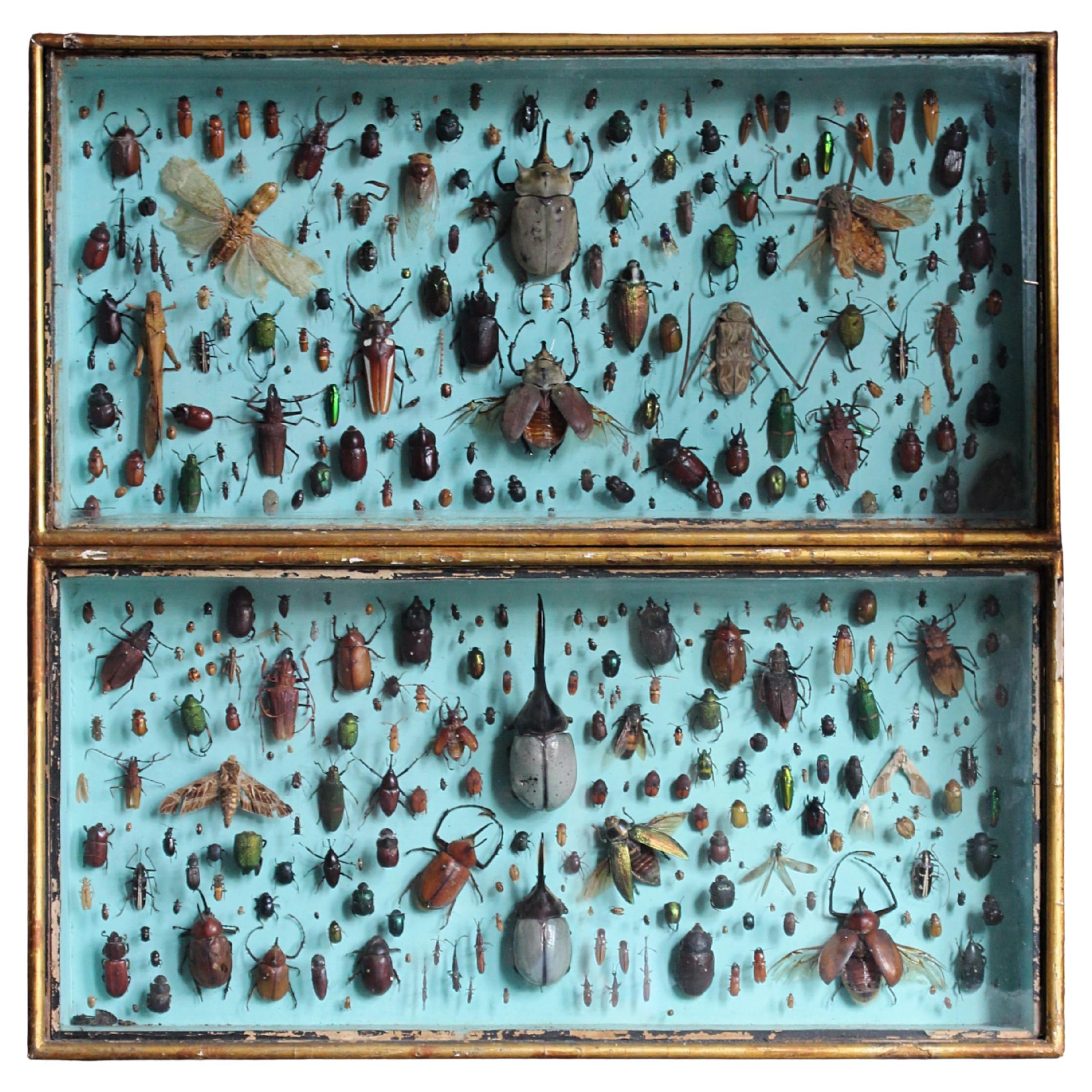
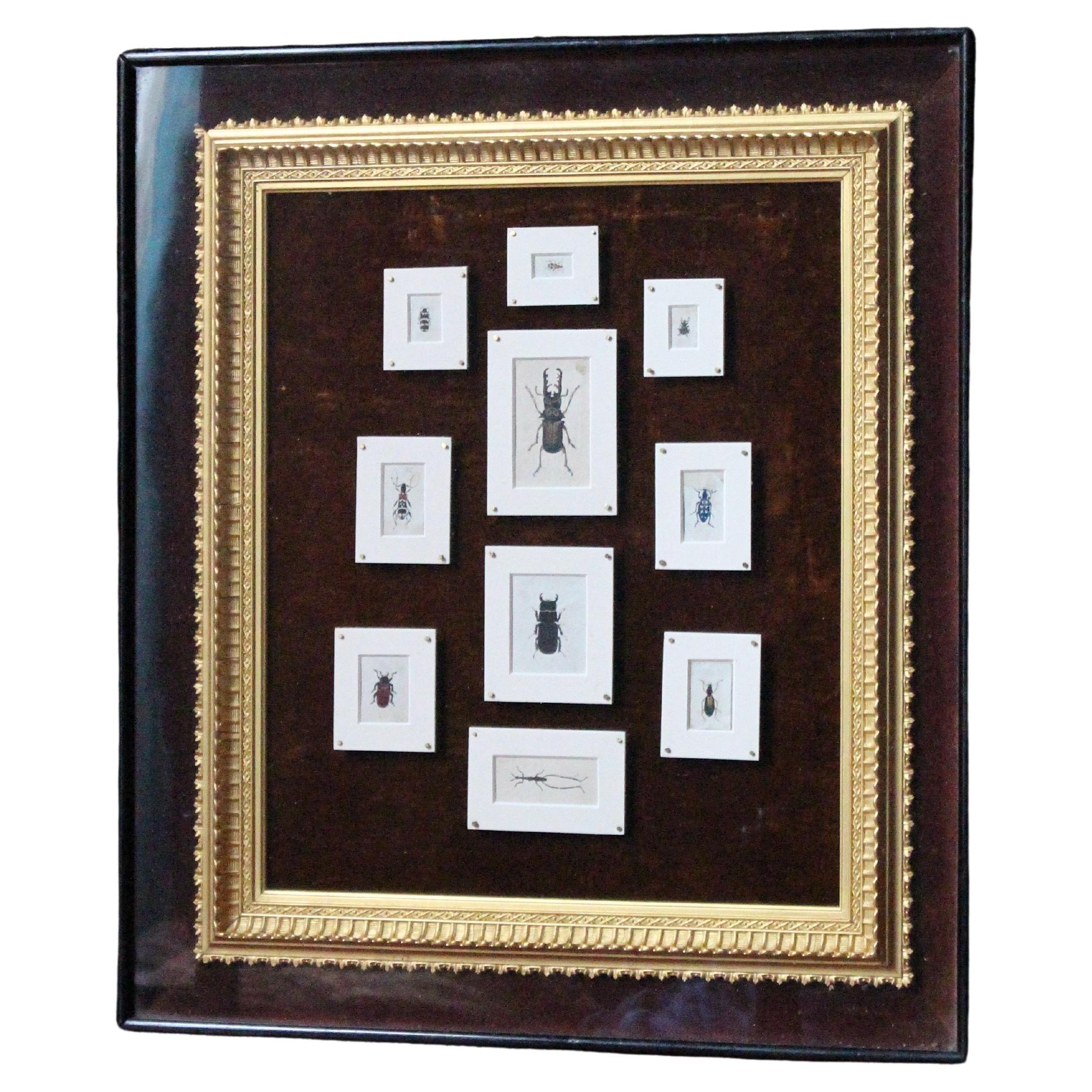
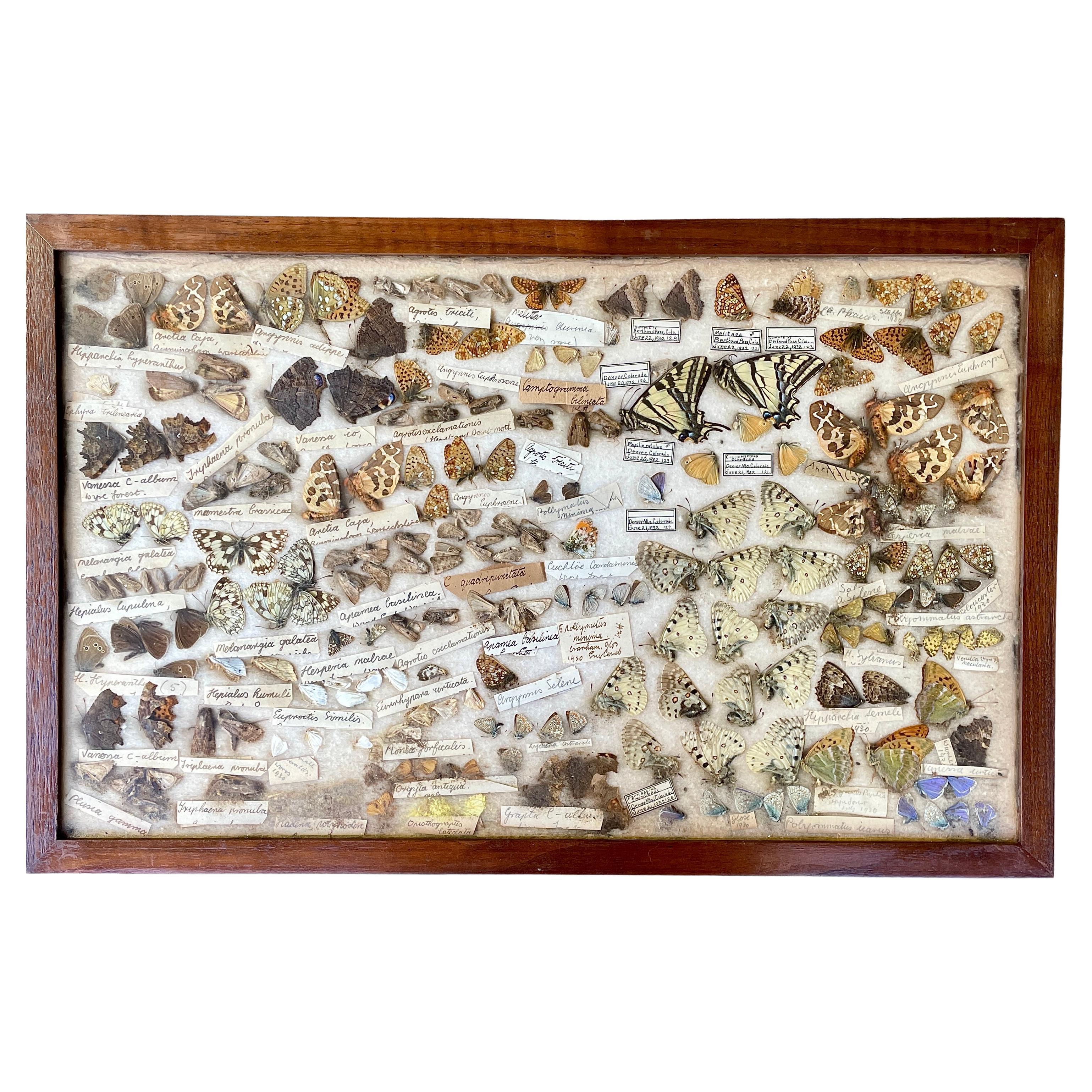
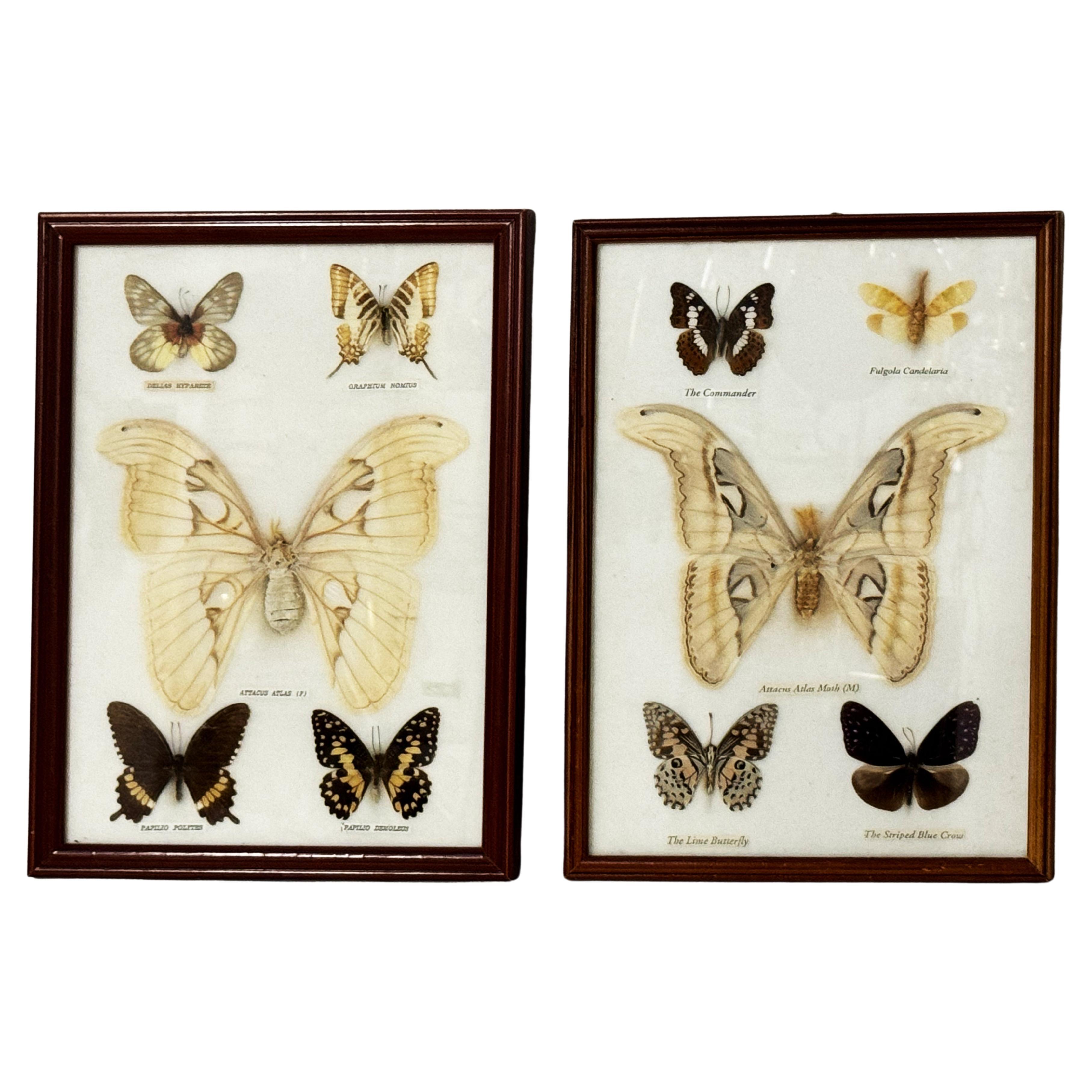
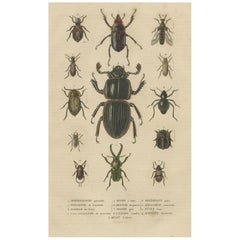
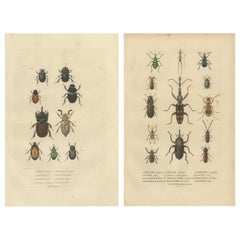
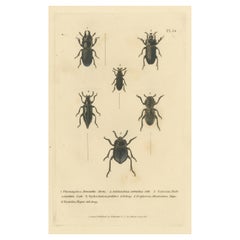
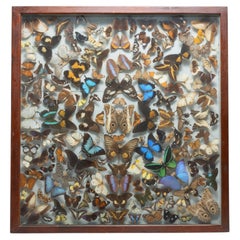
The images are finely detailed engravings of beetles from a 19th-century scientific collection. Each beetle is rendered with precision, showcasing their unique physical characteristics, such as the segmentation of their bodies, the texture of their carapaces, the patterns and colors of their wing covers (elytra), and the varying shapes and lengths of their antennae and legs.
The species, as labeled in the engravings, are as follows:
From the first image:
1. **Apidie** - Possibly a reference to the Apidae family, which includes bees, but in this context, it likely refers to a type of beetle.
2. **Attelabe** - Likely a variant of the name for beetles in the family Attelabidae, known as leaf-rolling beetles.
3. **Bousier** - Common French name for dung beetles, which are part of the Scarabaeidae family.
4. **Cétoine** - Refers to beetles in the subfamily Cetoniinae, known as flower beetles.
5. **Geotrupe** - A genus of earth-boring dung beetles.
6. **Hanneton** - Common French name for beetles in the family Scarabaeidae, particularly the June beetles or May bugs.
7. **Oryctes** - A genus that includes the rhinoceros beetles.
8. **Trichie** - Refers to beetles in the genus Trichius, which are often found in flowers and resemble small bumblebees.
From the second image:
1. **Attelabe** - Again, likely referring to the Attelabidae family of leaf-rolling beetles.
2. **Calosoma** - A genus of ground beetles...
Category
Antique 1840s Prints