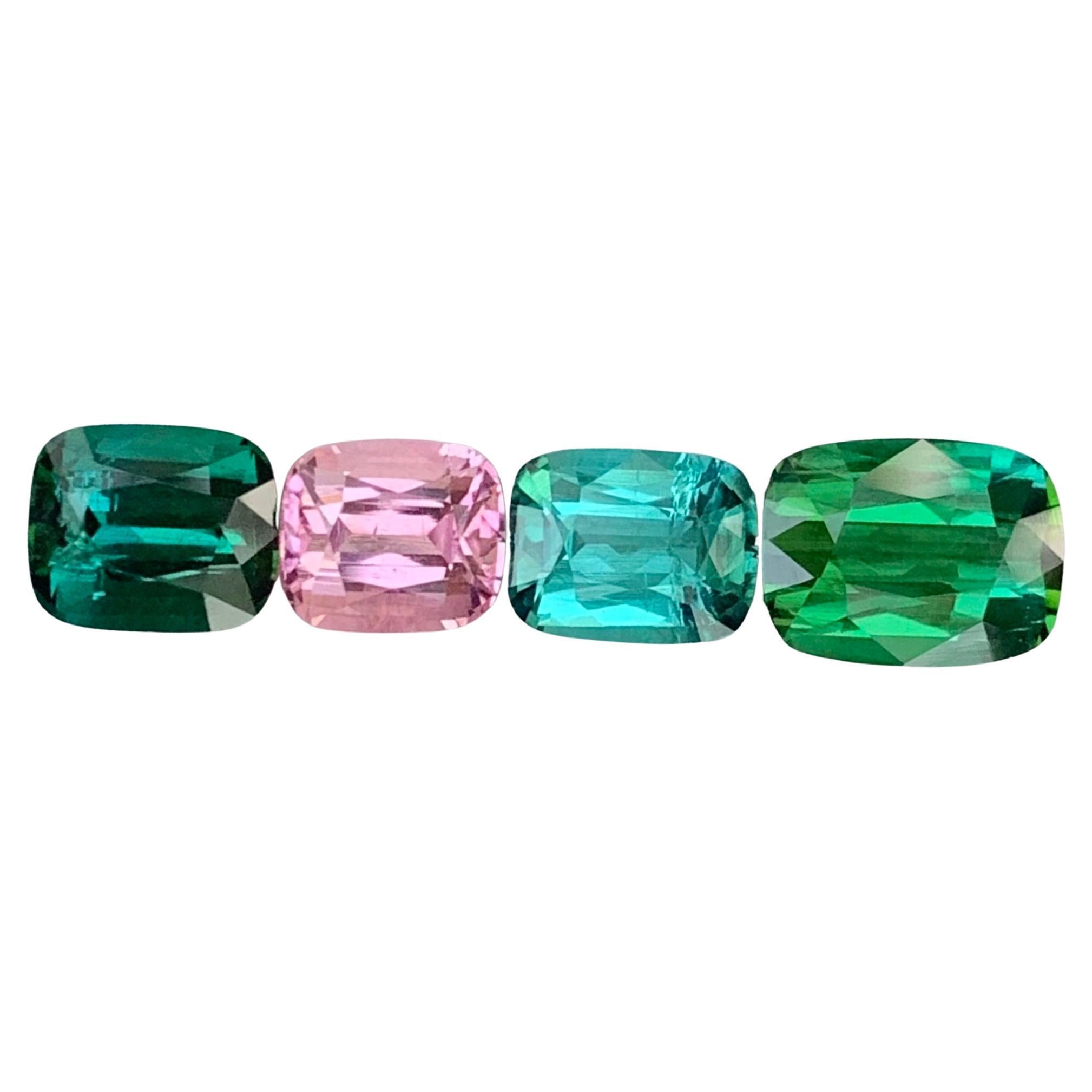
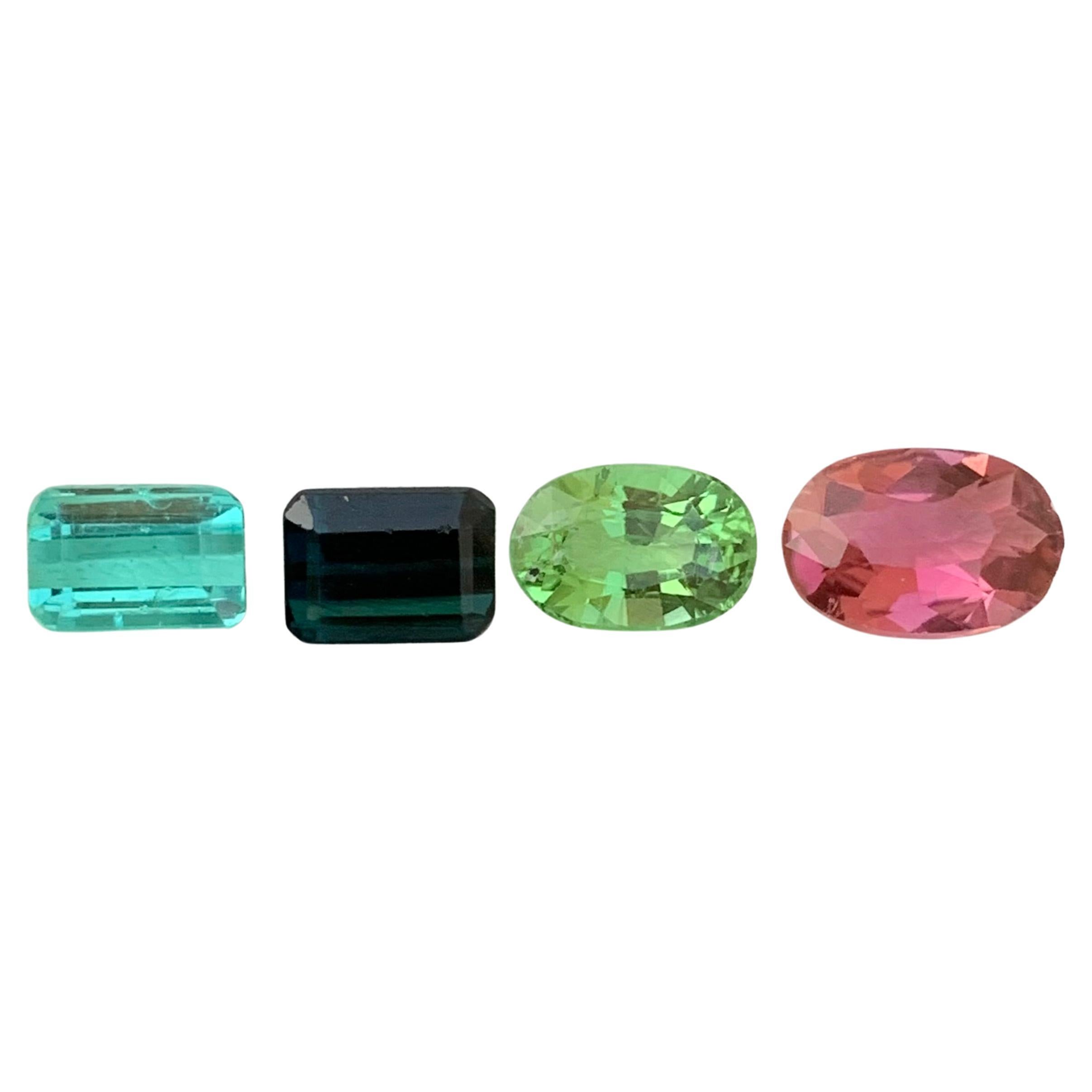
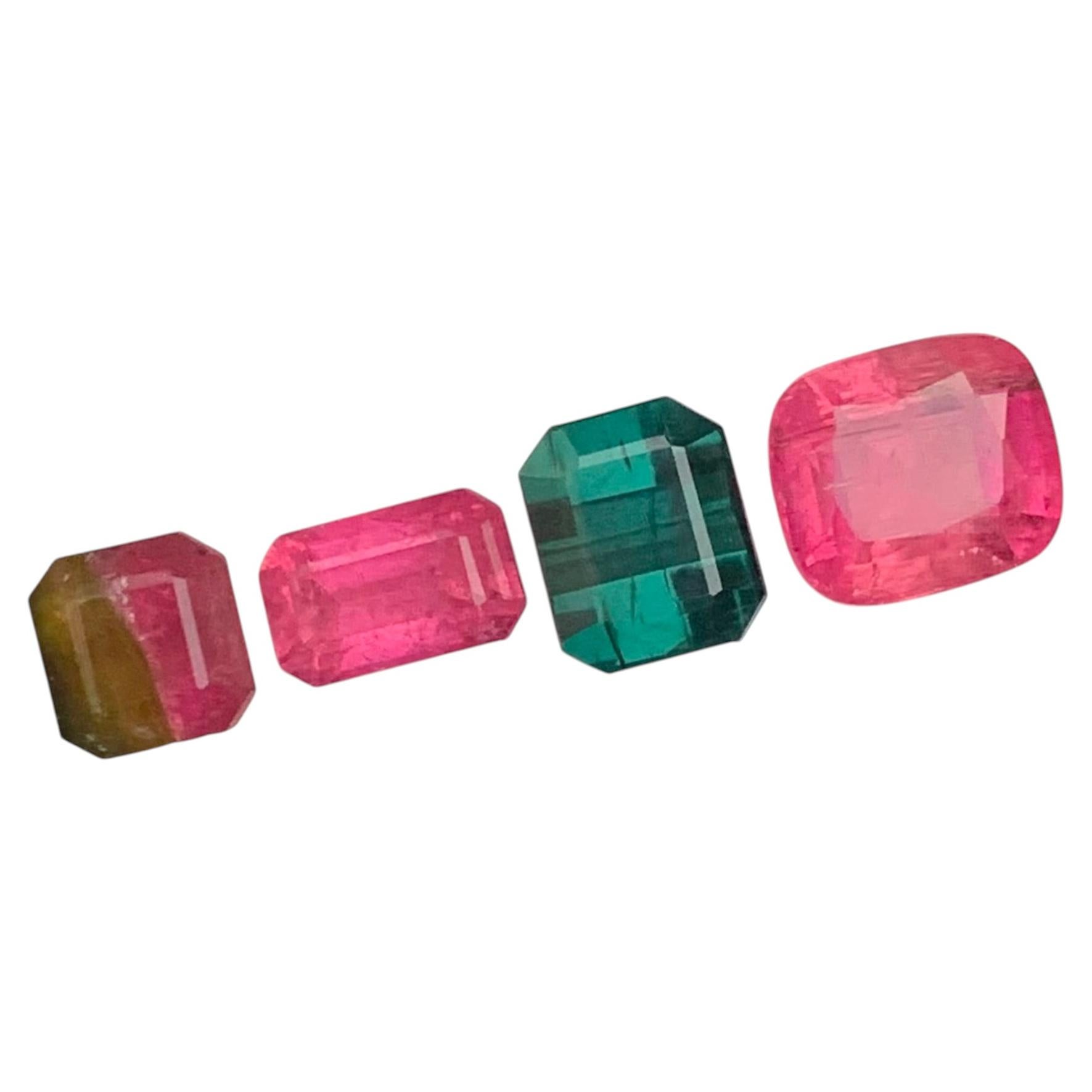
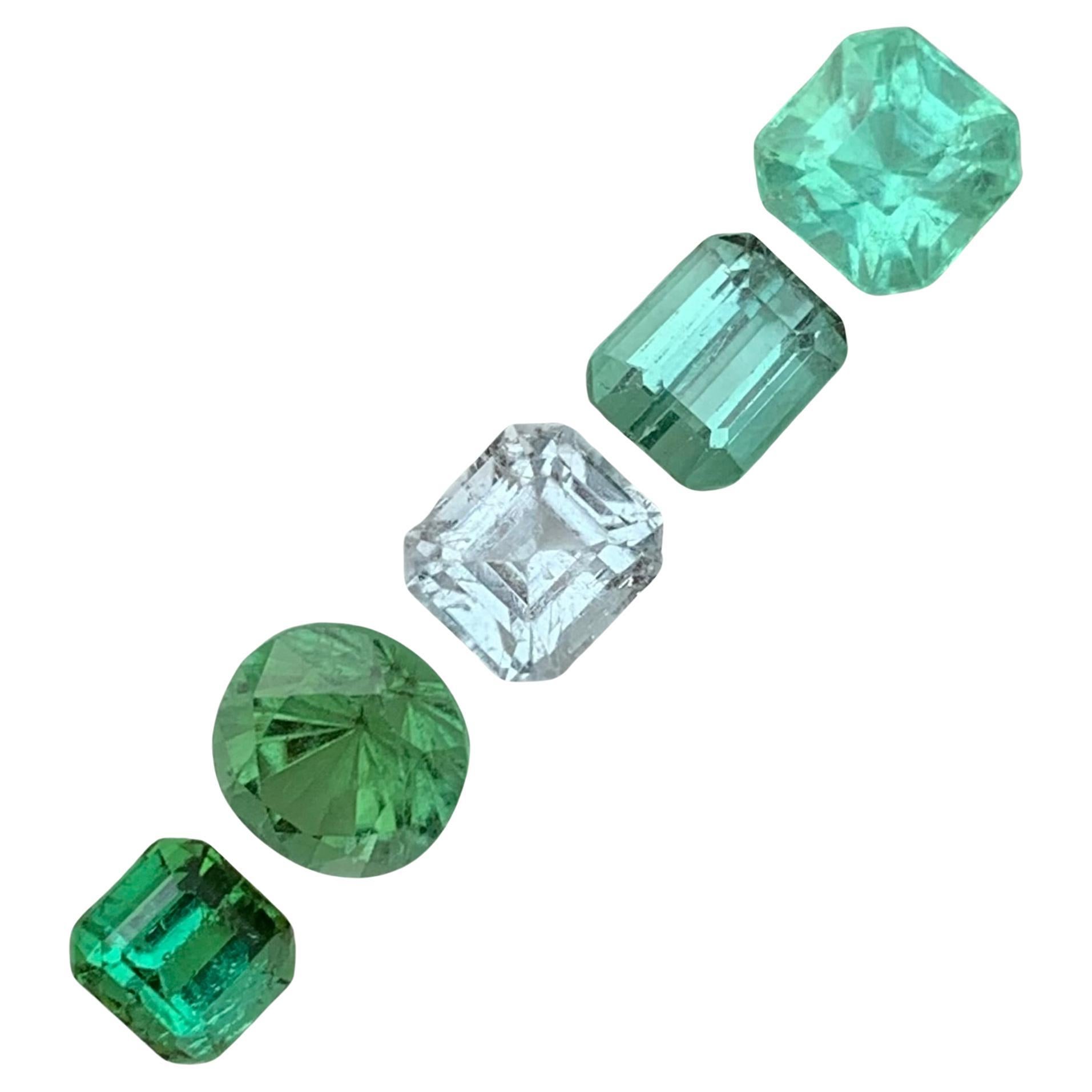
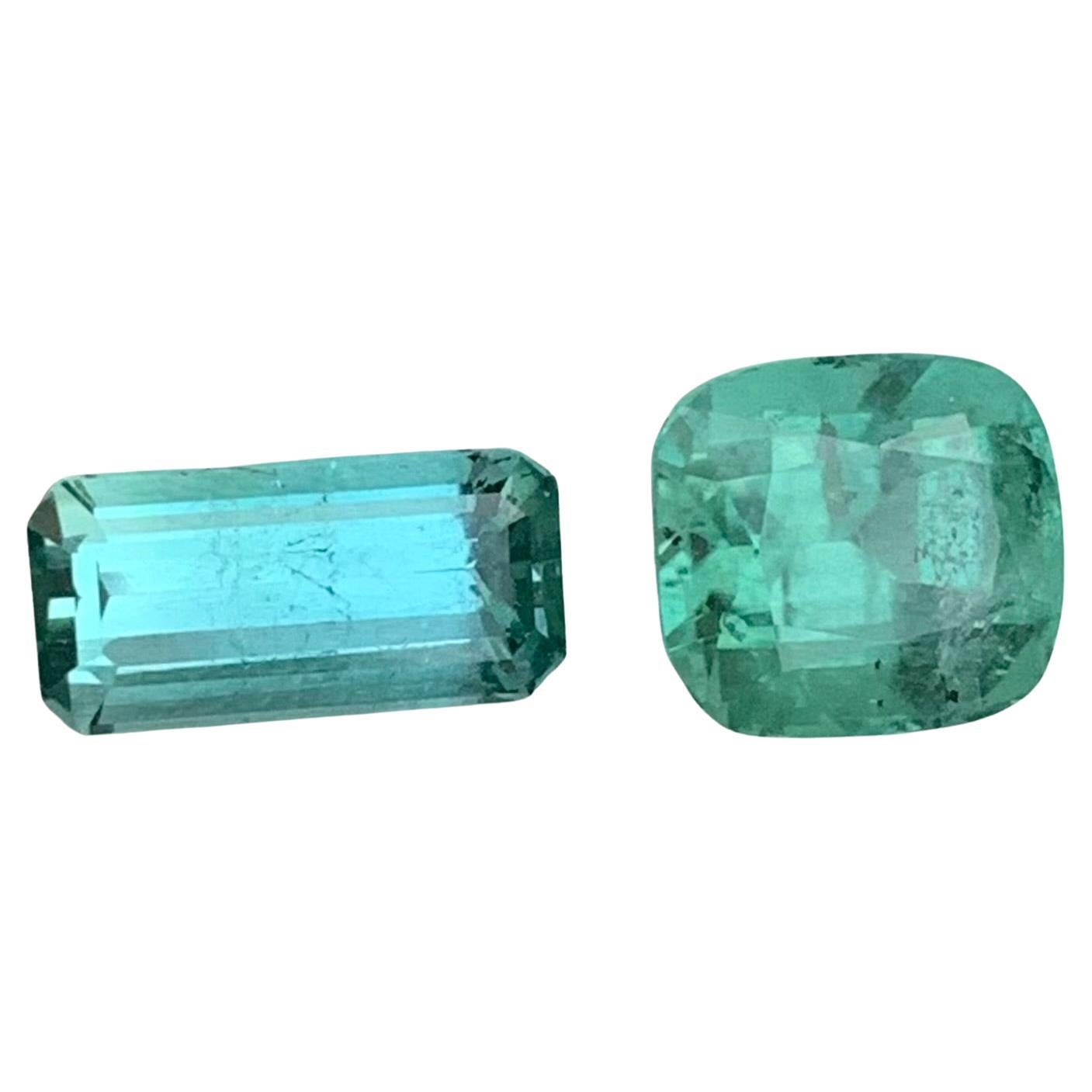
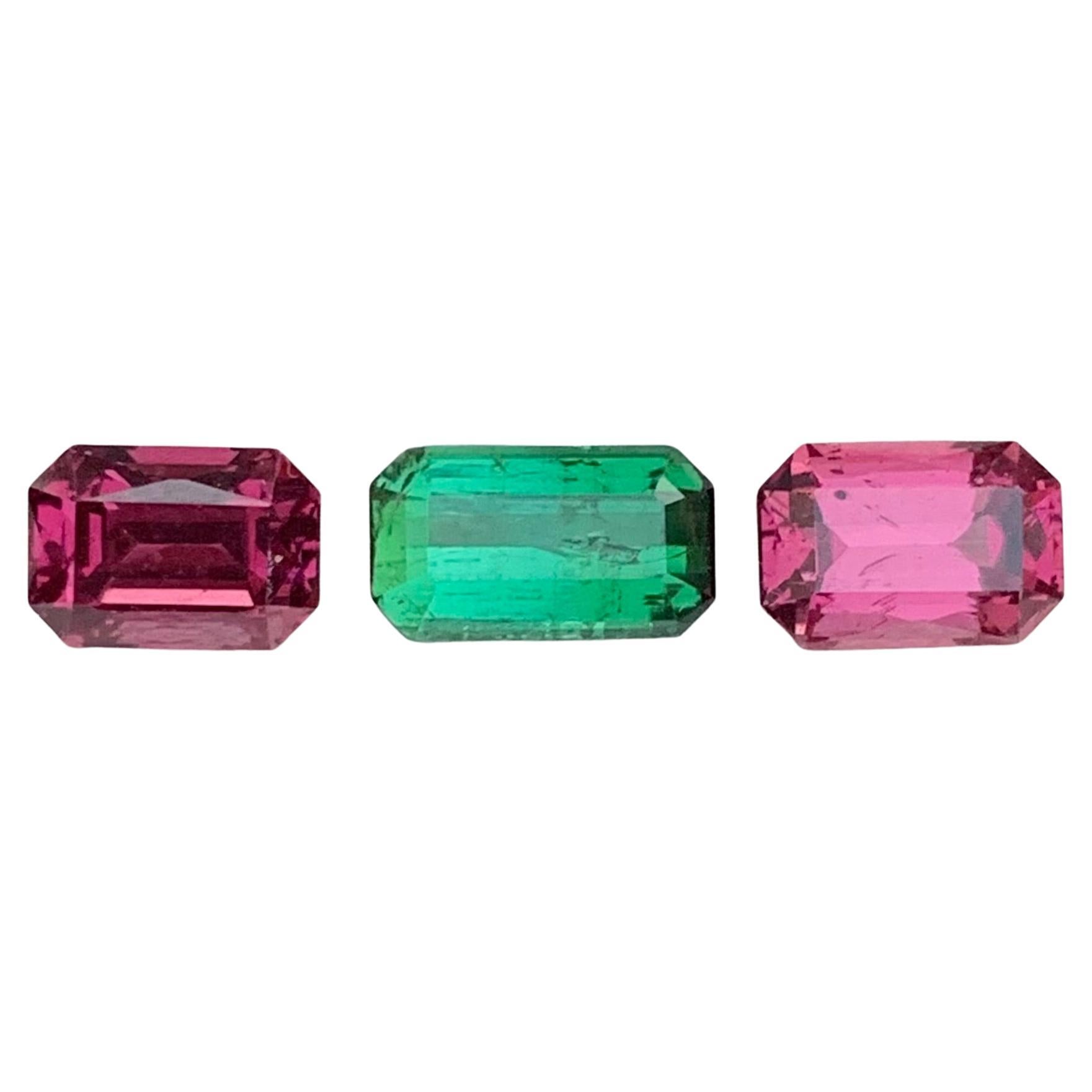
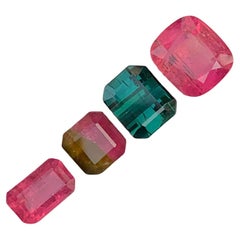
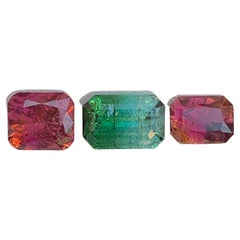
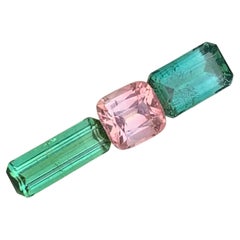
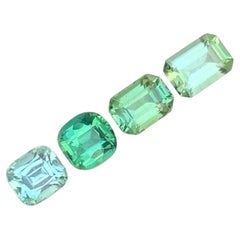
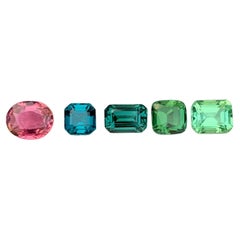
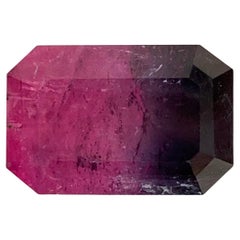
Loose Tourmaline
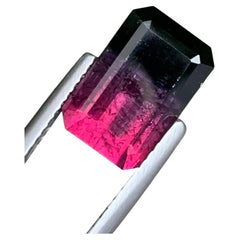
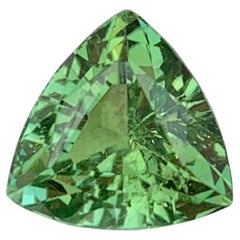
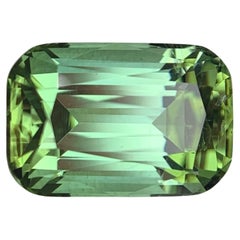
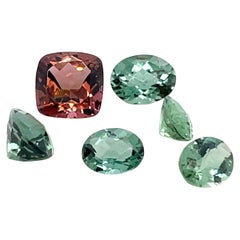
Weight: 4.25 Carats
Size: 1.85 , 1.35 , 0.95 Carats
Origin: Kunar Afghanistan
Shape: Emerald, Trillion, Cushion
Treatment: Non
Color: Pink , Green & Red
Tourmaline, a captivating gemstone known for its stunning range of colors, holds a fascinating geological origin and diverse metaphysical properties. Comprising a complex crystalline structure, tourmaline derives its name from the Sinhalese term "tura mali," meaning "stone of mixed colors," reflecting its abundant color variations.
This gemstone occurs in various hues such as pink, green, blue, red, watermelon (a combination of pink and green), and even multicolored specimens. The diversity in color arises due to the presence of different mineral elements within its structure. For instance, iron produces black to bluish-black shades, while manganese leads to reds and pinks.
Not only cherished for its aesthetic appeal, but tourmaline is also believed to possess metaphysical properties across various cultures. Some attribute it to be a stone promoting inspiration, self-confidence, and balance. Others associate specific colors with different chakras, believing that tourmaline can aid in aligning these energy centers.
Beyond its mystical associations, tourmaline is valued in scientific and industrial applications. Its unique pyroelectric and piezoelectric properties make it integral in manufacturing electronic devices like pressure sensors and batteries.
Brazil, Sri Lanka, and Madagascar are among the primary sources of this gemstone. The Paraíba tourmaline, discovered in Brazil in the late 20th century, garnered attention for its vibrant neon blue or green hues and rarity, making it highly sought after among collectors and enthusiasts.
Whether adorning jewelry pieces or serving technological purposes, tourmaline's allure continues to captivate both gem aficionados and scientists alike. Its diverse colors, geological formations, and purported metaphysical attributes contribute to the enduring fascination with this remarkable gemstone.