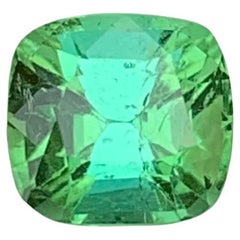
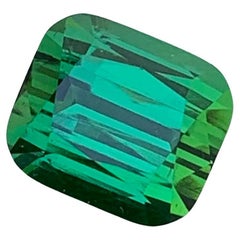
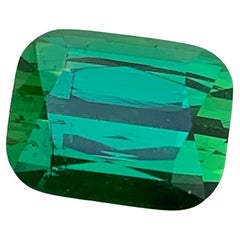
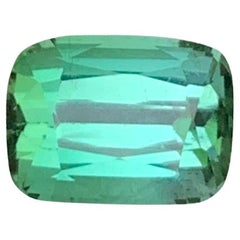
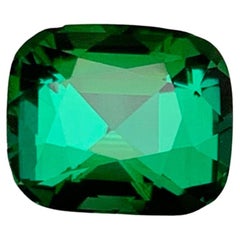
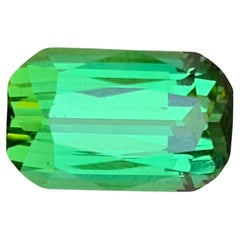
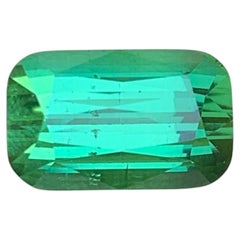
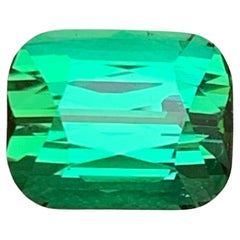
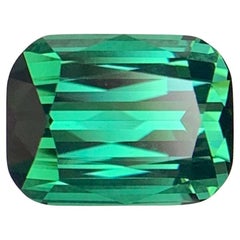
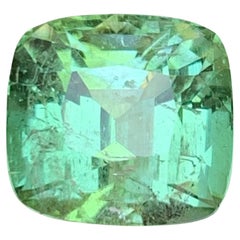
Loose Tourmaline
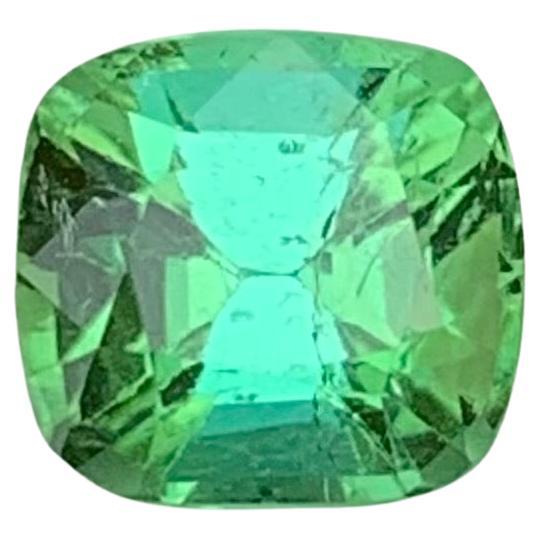
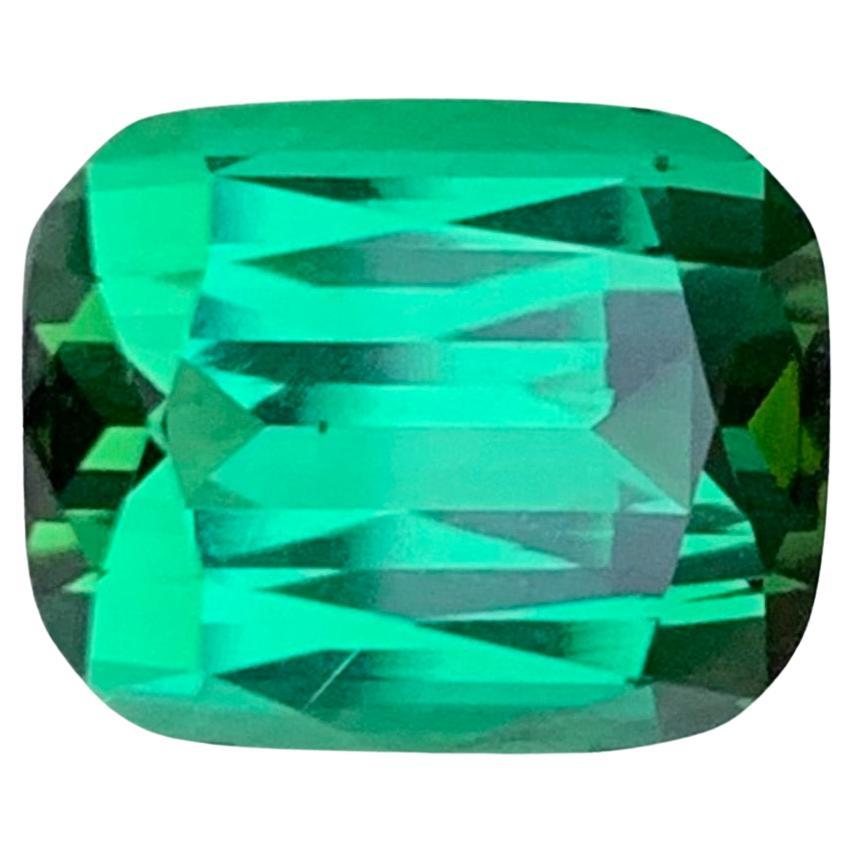
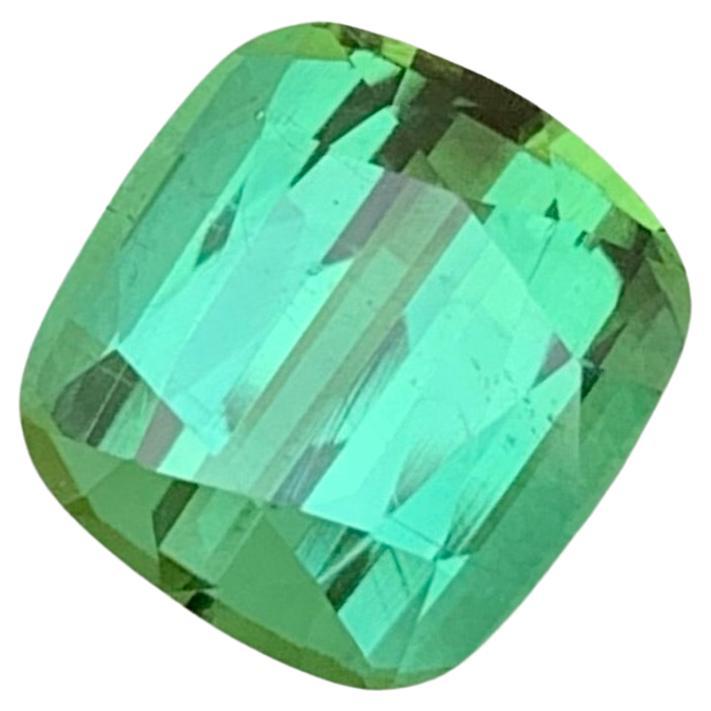
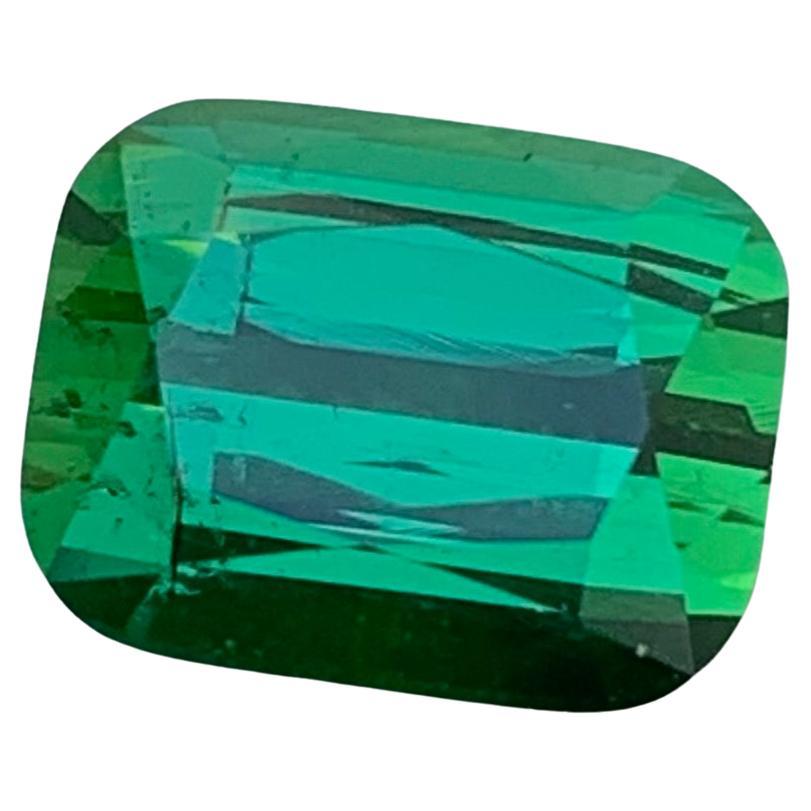
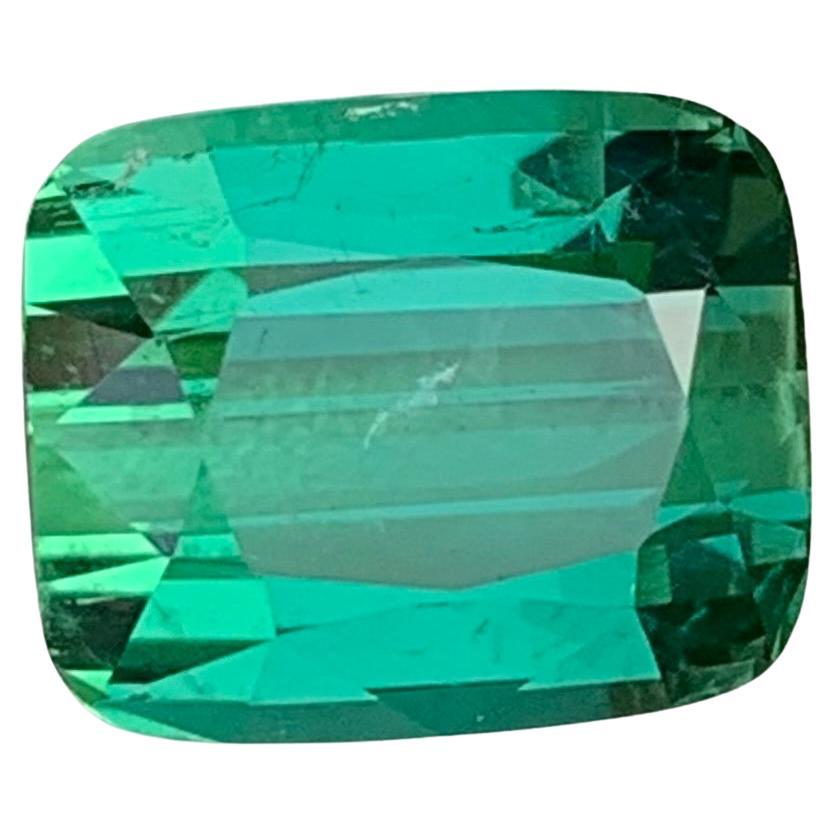
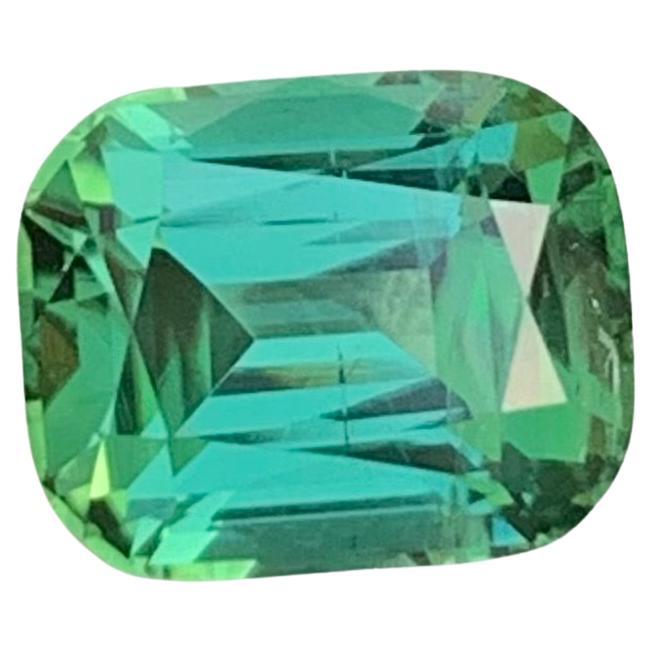
Weight: 3.0 Carats
Dimension: 9.5x7x5 Mm
Origin: Kunar Afghanistan
Shape: Cushion
Color: Mint Green
Treatment: Non
Certificate: On Demand
Tourmaline is a gemstone with a remarkable spectrum of colors, showcasing an unparalleled diversity among gemstones. Its name is derived from the Singhalese phrase "tura mali," meaning "stone of mixed colors," reflecting its wide array of hues and shades.
This gemstone belongs to a complex mineral group with numerous varieties, each displaying unique color combinations and properties. The most common tourmaline colors include pink, green, blue, red, and multicolored specimens known as watermelon tourmaline due to their resemblance to the fruit's coloration.
Tourmaline's diverse colors stem from its intricate crystal structure and various trace elements present during its formation. For instance, iron-rich tourmalines typically exhibit black or dark brown shades, while manganese can produce hues of pink or red. Additionally, the presence of lithium within the crystal structure contributes to the gem's vibrant colors.
Brazil, Afghanistan, Nigeria, and Madagascar are among the primary sources of tourmaline, with each region often yielding specific colors or variations prized by collectors and jewelry enthusiasts.
Beyond its aesthetic appeal, tourmaline carries unique properties. Some believe it possesses metaphysical attributes, such as promoting creativity, enhancing concentration, and protecting against negative energies. It's considered a stone that aligns with the body's energy centers, fostering balance and spiritual growth.
The versatility of tourmaline makes it a sought-after gemstone in the jewelry industry. It's fashioned into various cuts, including faceted gemstones, cabochons, and beads, allowing jewelry designers to create stunning and colorful pieces.
Certain tourmaline varieties, like rubellite (red tourmaline) and paraiba tourmaline (distinguished by its vivid blue-green hue), command high prices due to their rarity and intense color saturation.
Throughout history, tourmaline has been revered across cultures. Ancient civilizations believed it to possess mystical powers and protective qualities, using it as a talisman for warding off negative energies and promoting healing.
In essence, tourmaline's kaleidoscope of colors, coupled with its cultural significance and perceived metaphysical properties, has secured its place as a beloved gemstone cherished for its beauty and believed beneficial energies.