Want more images or videos?
Request additional images or videos from the seller
1 of 5

Pietro Campana
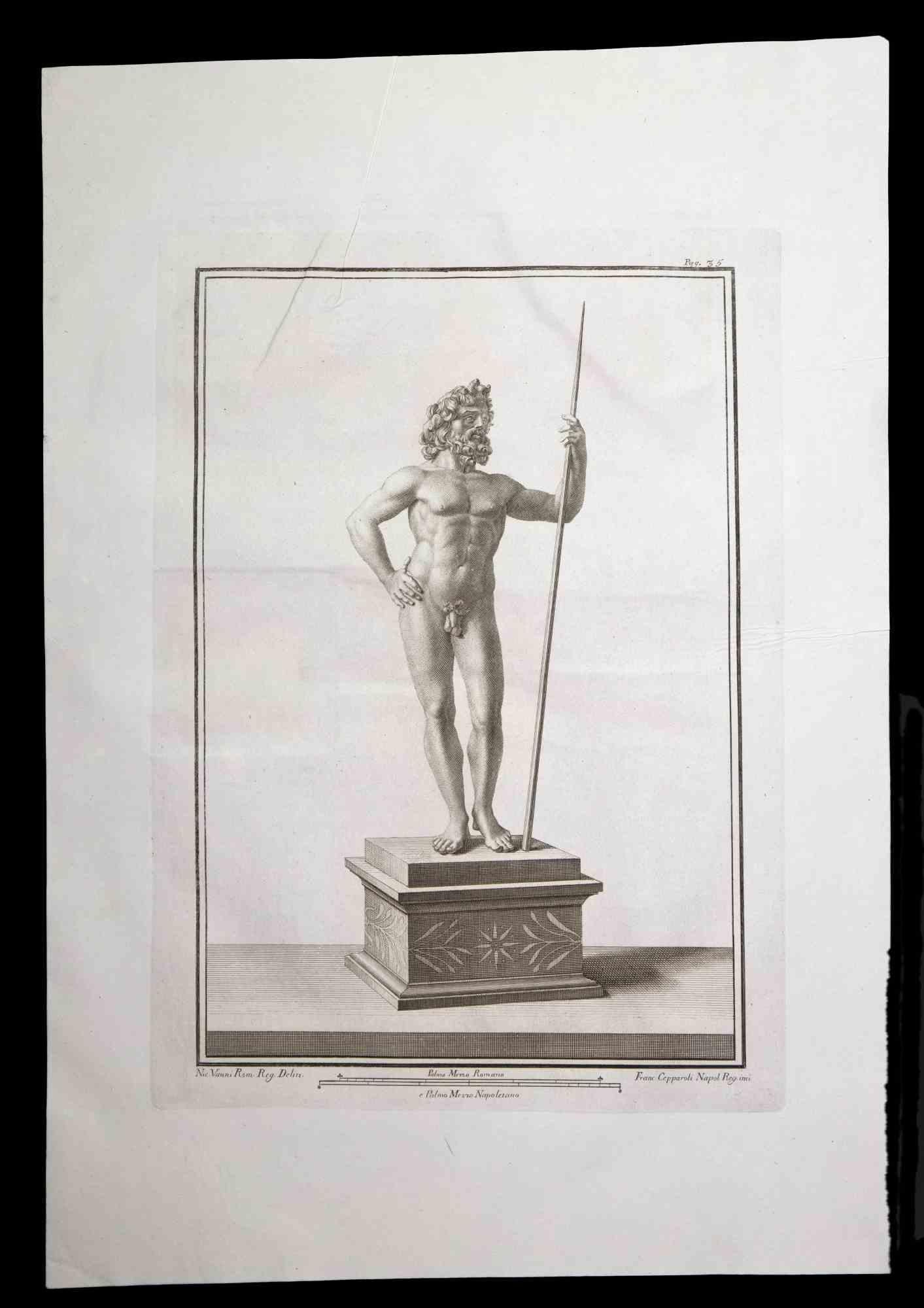
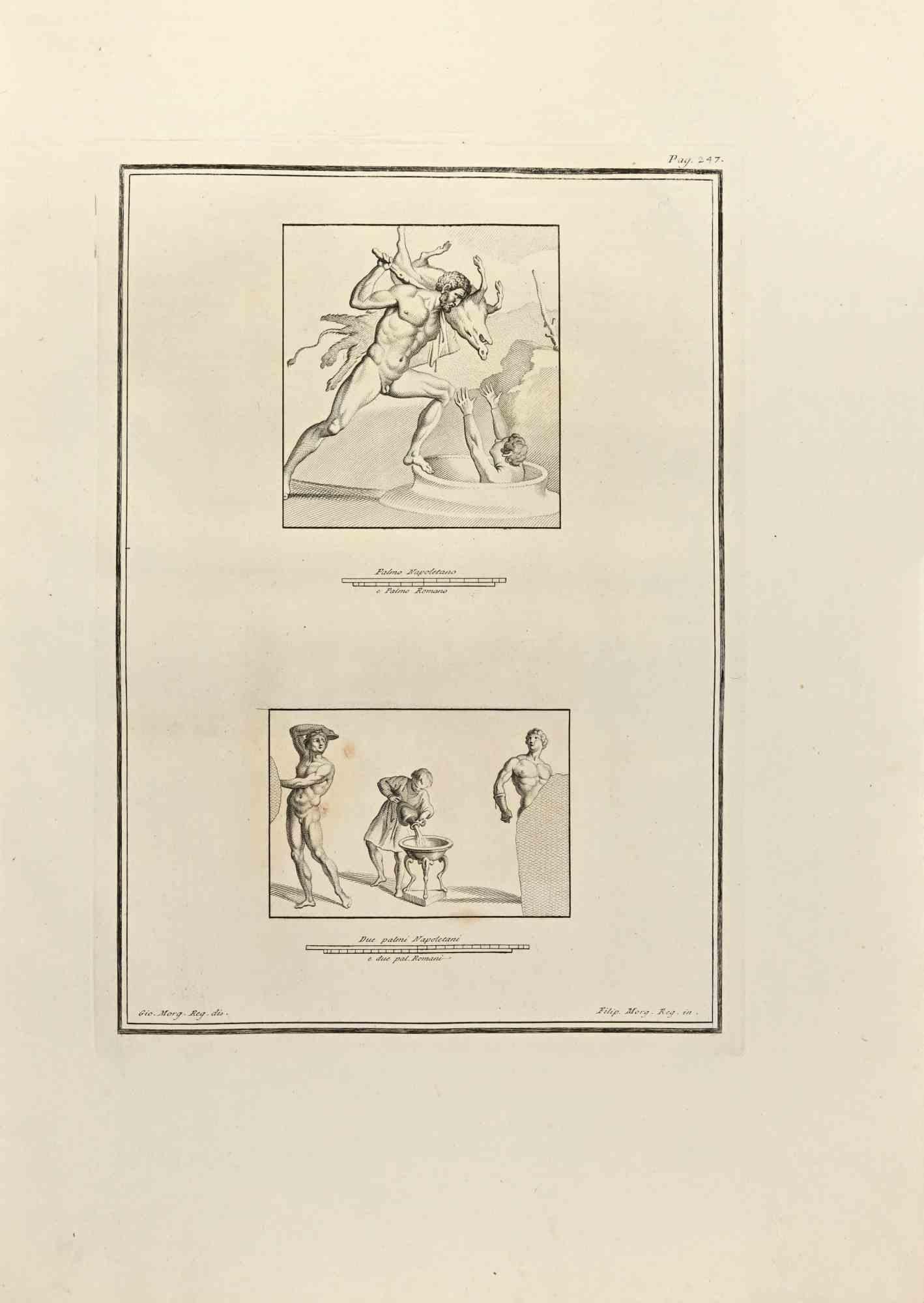
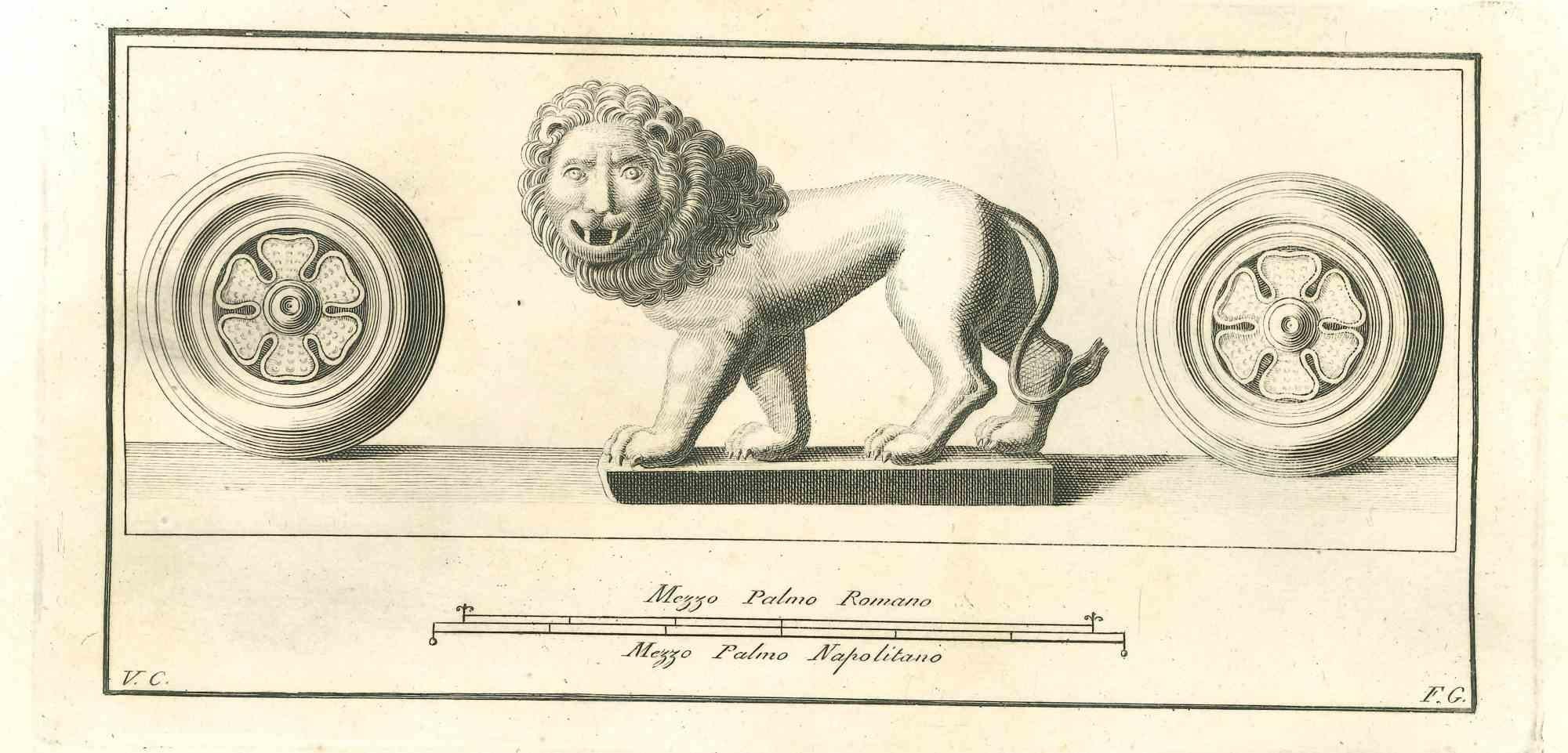
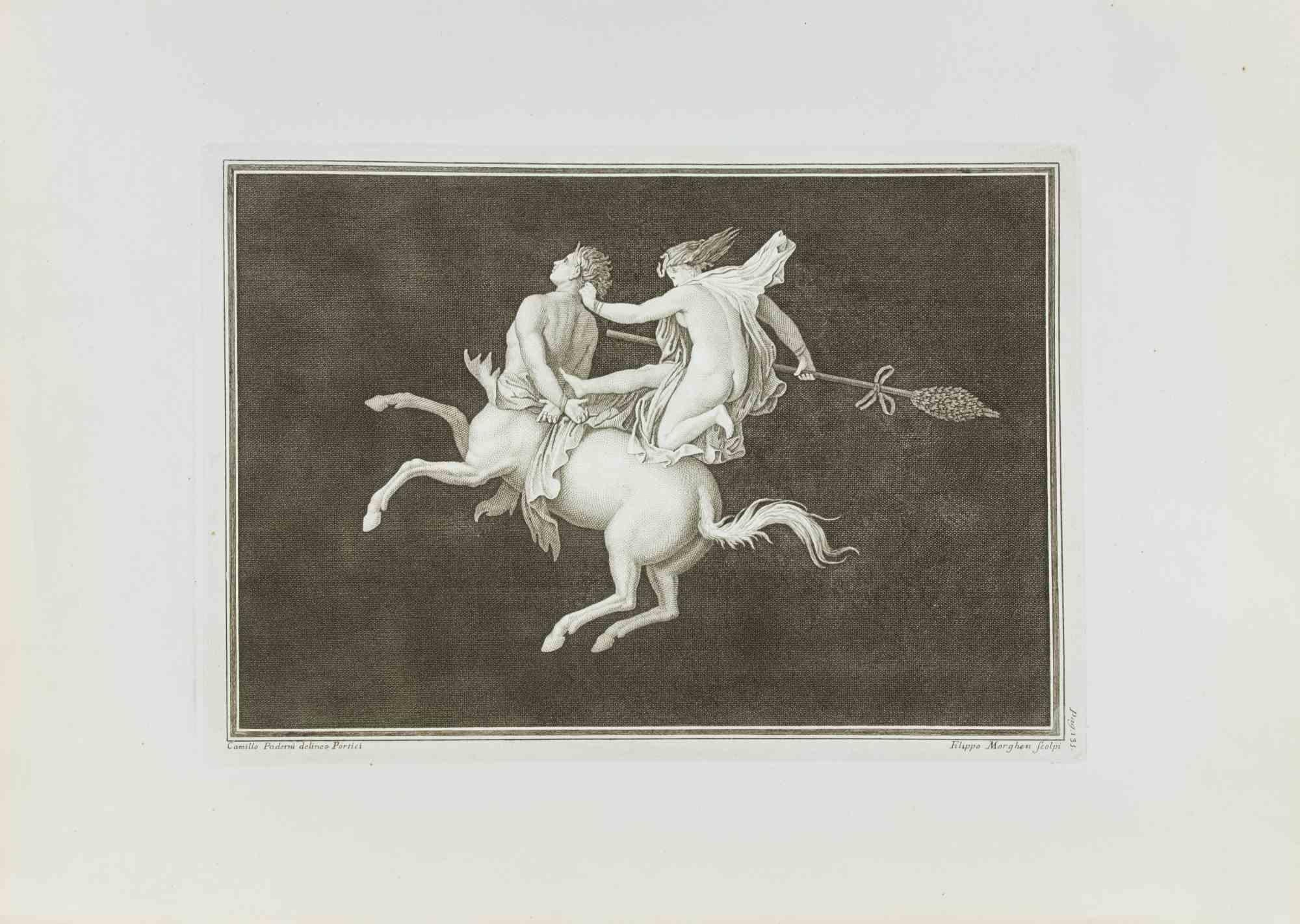
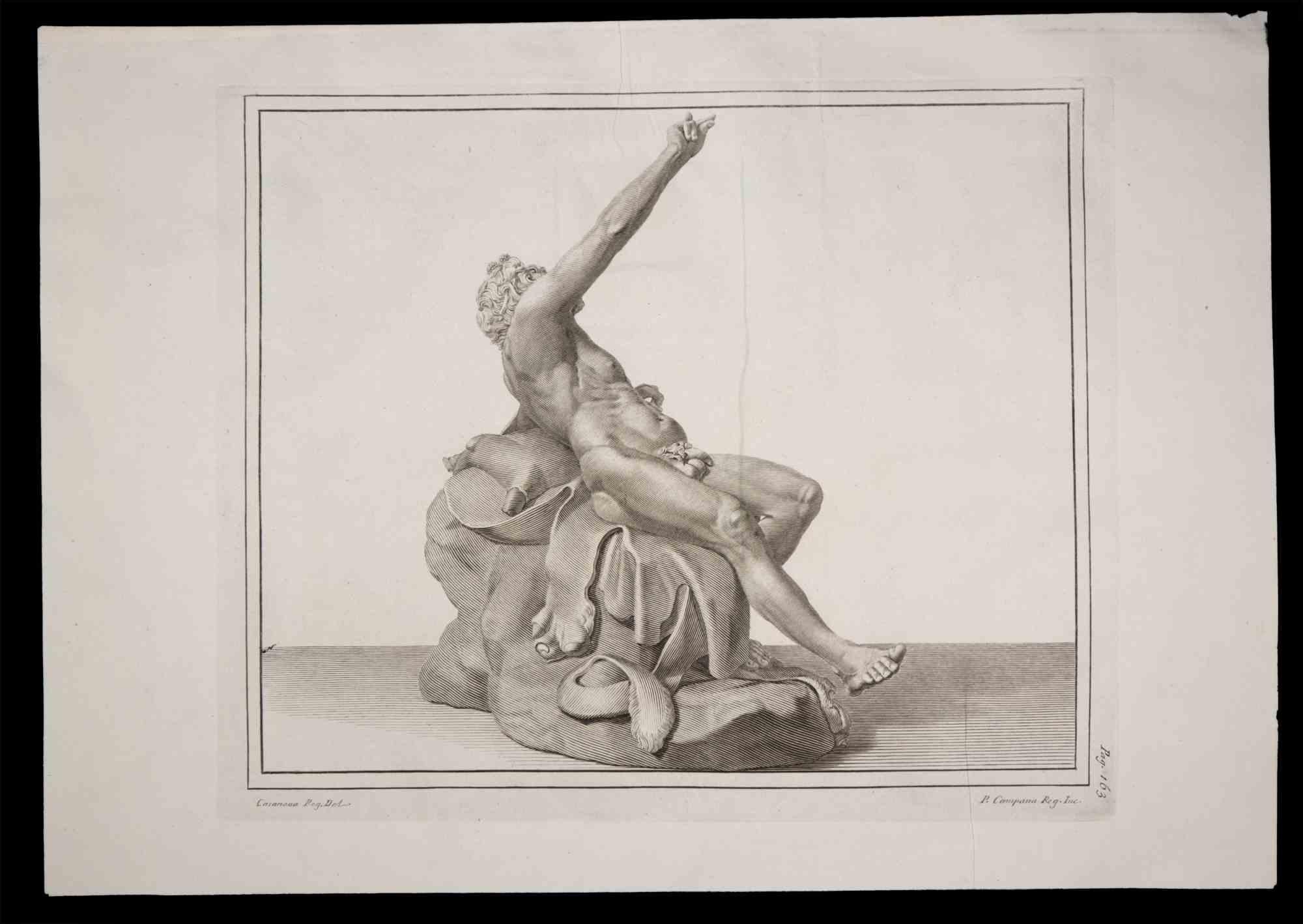
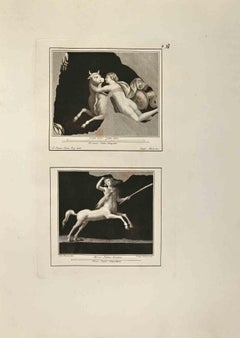
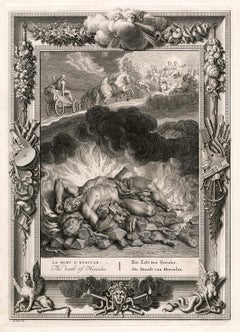
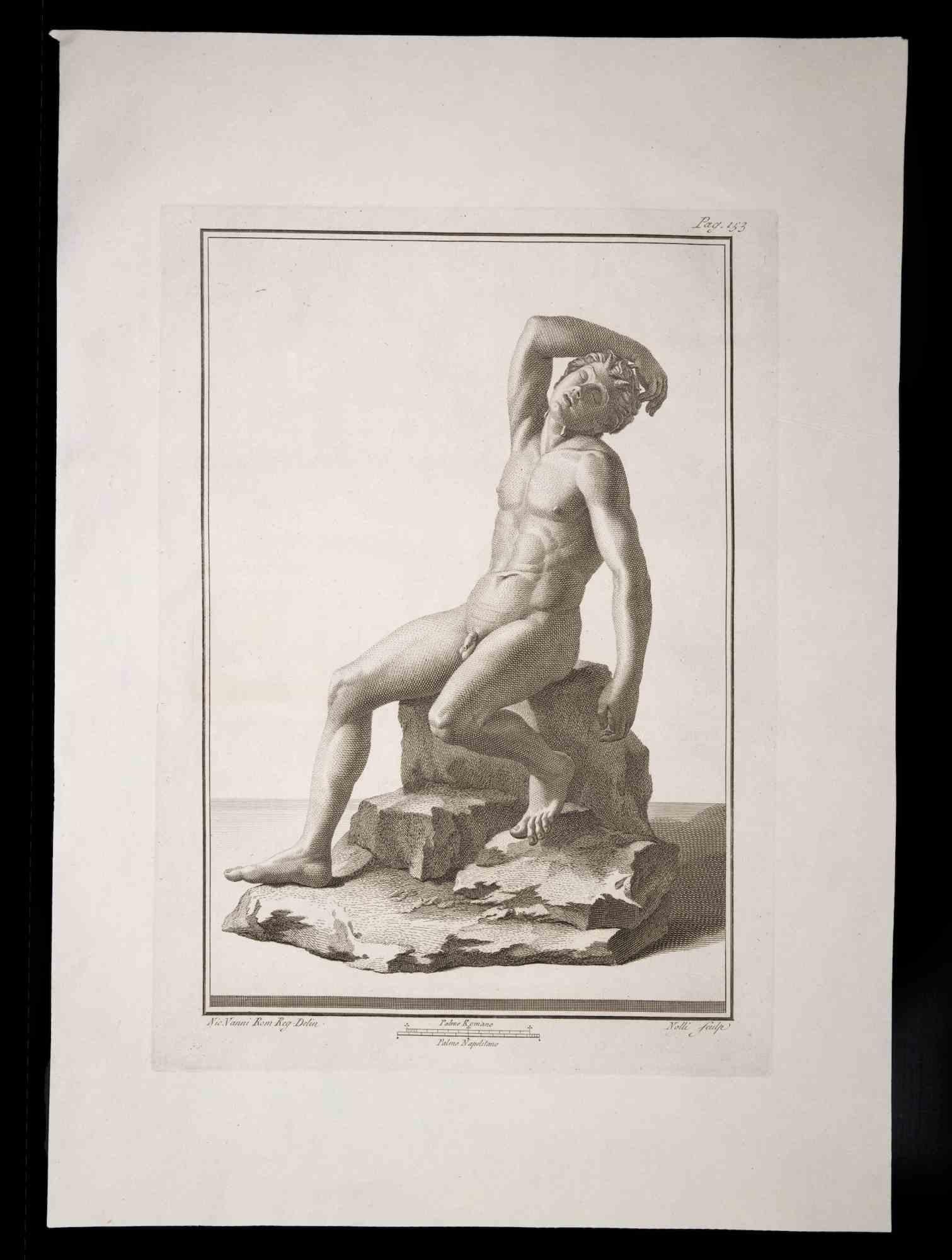
Hercules and Lion - Etching by Pietro Campana - 18th Century

Late 18th Century

$590.24
£436.07
€500VAT Included
CA$818.82
A$830.95
CHF 479.03
MX$10,061.42
NOK 5,560
SEK 5,619.47
DKK 3,812.58

About the Item

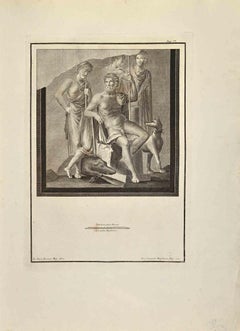
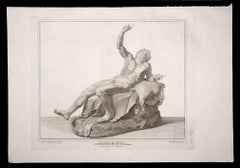
Hercules and Lion from "Antiquities of Herculaneum" is an etching on paper realized by Pietro Campana in the 18th Century. Signed on the plate. Good conditions and aged. The etching belongs to the print suite “Antiquities of Herculaneum Exposed” (original title: “Le Antichità di Ercolano Esposte”), an eight-volume volume of engravings of the finds from the excavation of the ruins of Herculaneum in the Kingdom of Naples (now Campania, Italy). It was published between 1757 and 1792 by the Regia Stamperia, and copies were delivered to selected recipients across Europe. Despite the title, the Antiquity of Herculaneum shows objects from all the excavations undertaken by the Bourbons in the Gulf of Naples. These include Pompeii, Stabia and two sites of Herculaneum: Resina and Portici. The Bourbon King Carlo appointed fifteen scholars creating a new “Herculaneum Academy” to study the artifacts and publish the results of the archaeological excavations of the sites. The engravings are of high quality and the accompanying text shows a large scholarship. They were realized by 25 prominent artists involved by the King to prepare drawings and engravings on the finds, among which we can find Giovanni Elia Morghen, Carlo Nolli, Luigi Vanvitelli, and Giovanni Battista Casanova. The “Antiquities” was designed more to amaze readers with the quality of the objects in the collection of the King of Naples than to be used in research., following and increasing the interest of 18th-century society for the classical culture and Art in particular. Through the exaltation of the classical concept of proportions and harmony, the book was of inspiration to the neoclassical movement in Europe, giving artists and decorators access to a huge shop of Hellenistic motifs.
  • Creator:
    Pietro Campana (1727 - 1765, Spanish)
  • Creation Year:
    Late 18th Century
  • Dimensions:
    Height: 14.38 in (36.5 cm)Width: 20.08 in (51 cm)Depth: 0.04 in (1 mm)
  • Medium:
  • Movement & Style:
  • Period:
  • Framing:
    Framing Options Available
  • Condition:
    Insurance may be requested by customers as additional service, contact us for more information.
  • Gallery Location:
    Roma, IT
  • Reference Number:
    Seller: T-1365741stDibs: LU650311562882

More From This Seller

View All
Heracles and Cupid - Etching by  Giuseppe Aloja - 18th Century

Heracles and Cupid - Etching by Giuseppe Aloja - 18th Century

By Giuseppe Aloja

Located in Roma, IT

Heracles and Cupid from "Antiquities of Herculaneum" is an etching on paper realized by Giuseppe Aloja in the 18th Century. Signed on the plate. Good conditions with some folding. ...

Category

18th Century Old Masters Figurative Prints

Materials

Etching

Hercules Labors - Etching by Filippo Morghen - 18th Century

Hercules Labors - Etching by Filippo Morghen - 18th Century

By Filippo Morghen

Located in Roma, IT

Hercules Labors from "Antiquities of Herculaneum" is an etching on paper realized by Filippo Morghen in the 18th Century. Signed on the plate. Good conditions with some folding. T...

Category

18th Century Old Masters Figurative Prints

Materials

Etching

You May Also Like

Meleager and the Calydonian Boar Antique Engraving, Montfaucon 1721

Meleager and the Calydonian Boar Antique Engraving, Montfaucon 1721

Located in Langweer, NL

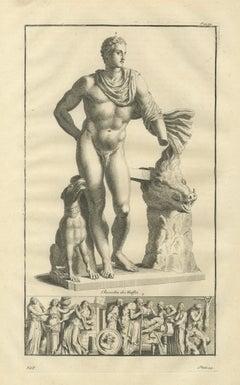
Meleager and the Calydonian Boar Antique Engraving, Montfaucon 1721 This original early eighteenth-century copper engraving depicts the classical hero Meleager standing beside the head of the Calydonian Boar, accompanied by a hunting dog. The image reproduces a celebrated ancient sculpture and originates from Bernard de Montfaucon’s monumental antiquarian publication *L’Antiquité expliquée et représentée en figures*, published in Paris in 1721. Montfaucon’s work is considered one of the earliest systematic studies of classical antiquities and played a crucial role in shaping Enlightenment understanding of ancient art and mythology. The engraving illustrates Meleager, the heroic hunter of Greek mythology, famed for slaying the monstrous Calydonian Boar sent by Artemis to devastate the countryside of Calydon. Presented in contrapposto stance, the hero embodies classical ideals of proportion, strength, and restrained movement. Drapery falls naturally over one shoulder, while the severed boar’s head rests upon a sculptural support beside him, symbolizing triumph over chaos and the restoration of order. The attentive hunting dog reinforces the narrative identity of the figure and emphasizes the heroic hunting theme central to the myth. Below the principal sculpture, a secondary frieze presents additional classical scenes and figures derived from antique reliefs, reflecting Montfaucon’s scholarly method of comparing ancient artworks within a single visual plate. Such engravings served as essential references for artists, architects, and collectors throughout the eighteenth century, influencing the development of Neoclassicism across Europe. Executed with refined precision typical of Parisian copperplate engraving, the print displays delicate cross-hatching, balanced composition, and sculptural clarity. Today, plates from Montfaucon’s publication are prized for both their academic importance and their strong decorative presence, equally suited to classical interiors, libraries, or contemporary gallery walls. This original antique engraving is offered unframed, allowing flexibility to select a frame that best complements the intended interior. Condition: Good antique condition with age-related toning and light discoloration consistent with early eighteenth-century paper. Minor edge wear and handling marks mainly confined to the margins. Plate impression visible. Blank verso. Framing tips: A dark walnut or gilt frame with a generous ivory mat enhances the sculptural quality of the figure. For a modern aesthetic, a slim black gallery frame with deep mat spacing creates a refined museum-style presentation. Technique: Copper engraving Maker: Bernard de Montfaucon, France, Paris, 1721 Keywords: Meleager engraving, Calydonian boar print, classical mythology engraving, Montfaucon antiquité expliquée, antique classical sculpture print, Greek mythology art...

Category

Antique 1720s British Prints
Materials

Paper

Antique Engraving of the Statue of the Mythologic Hero Meleager, Rome. 1660

Antique Engraving of the Statue of the Mythologic Hero Meleager, Rome. 1660

Located in Langweer, NL

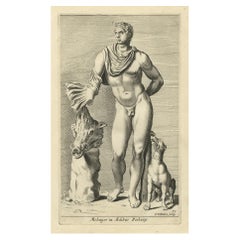
Description: Antique print, titled: 'Meleager in Aedibus Pichinys.' Statue of Meleager in Rome. In Greek mythology, Meleager was a hero venerated in his temenos at Calydon in Aetolia. He was already famed as the host of the Calydonian boar hunt in the epic tradition that was reworked by Homer. From the 1660 Dutch edition of 'Icones et Segmenta Nobil. Signorum et Statuarum quae Romae extant' by Francois Perrier...

Category

Antique 1660s Prints

Materials

Paper

18th century etching figurative neoclassical mythology scene dynamic

18th century etching figurative neoclassical mythology scene dynamic

By Alexander Runciman

Located in Milwaukee, WI

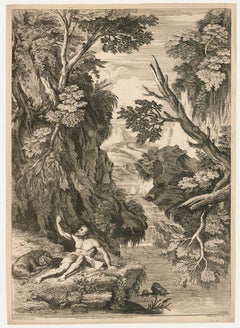
"Cormar Attacking a Spirit on the Waters" is an etching by eighteenth-century Scottish artist Alexander Runciman, signed in plate on the lower edge of the etching, "ARunciman inv. &a...

Category

1770s Academic Figurative Prints

Materials

Etching, Paper, Ink