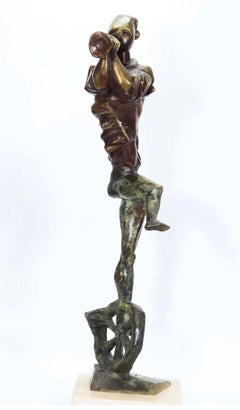
Arbit Blatas
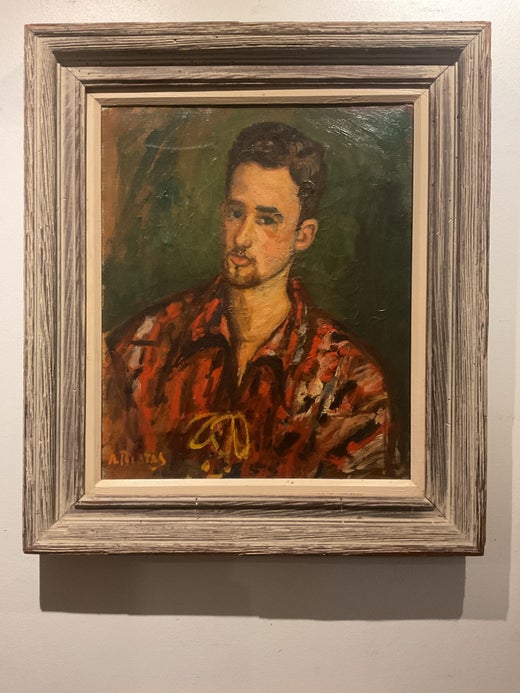
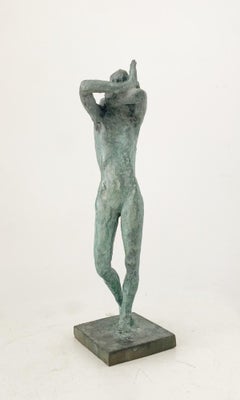
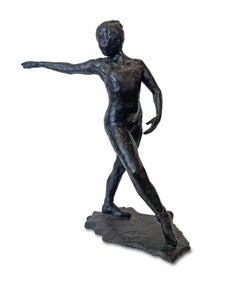
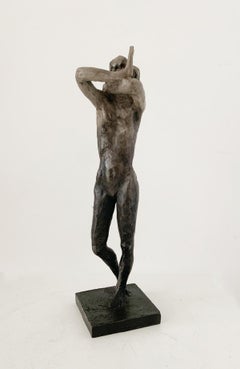
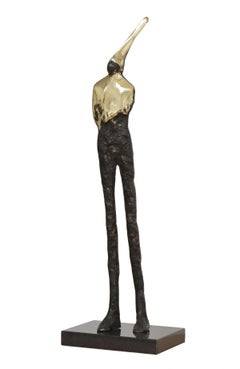
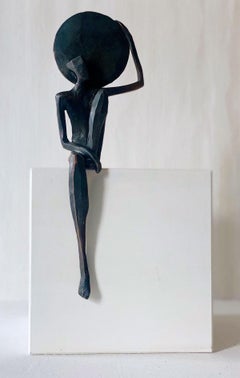
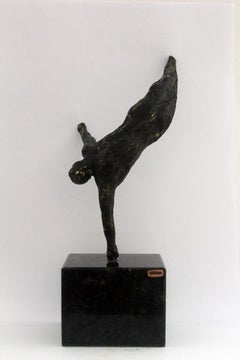
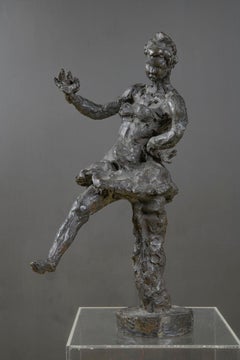
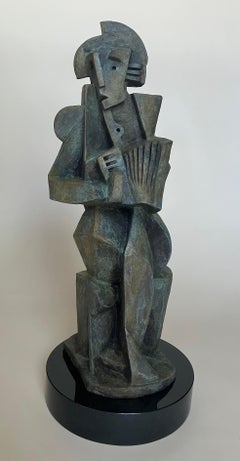
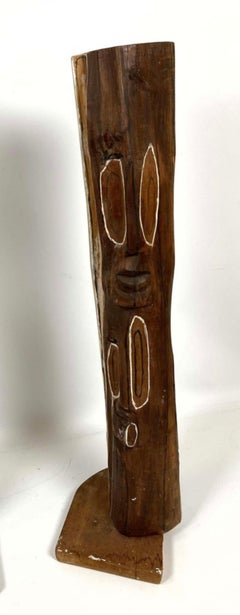
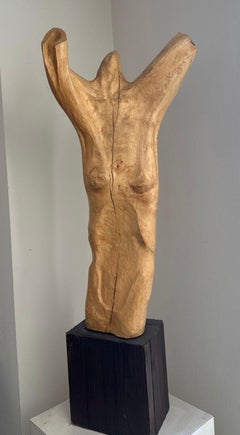
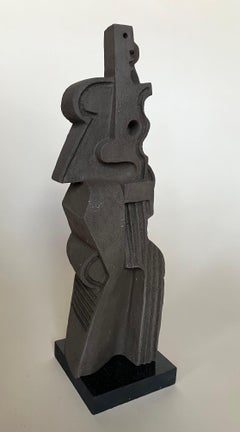
Arbit Blatas (1908–1999) was a Lithuanian-born French artist, widely recognized for his contributions as a painter, sculptor, and lithographer. He was part of the École de Paris (Paris School), a group of international artists who made Paris their home and created influential works during the early to mid-20th century. Blatas was born Arbuth Notovich in Kaunas, Lithuania, but he moved to Paris at a young age to pursue his artistic career. In Paris, he became associated with other notable artists, including Chaim Soutine, Marc Chagall, Pablo Picasso, and Amedeo Modigliani. Blatas was inspired by these artists but developed his own distinctive style. Blatas initially gained recognition for his portraits, landscapes, and still lifes, as well as for his work in lithography. His paintings often exhibited a vibrant color palette and expressive brushwork, typical of modernist traditions. His portraits captured the emotional essence of his subjects, many of whom were cultural figures from the worlds of art, music, and theater. Later in his career, Blatas focused more on sculpture. He is especially noted for his Holocaust memorial sculptures. His most famous work is the "Monument of the Holocaust", a powerful series of bronze reliefs and sculptures commemorating the victims of the Holocaust. These sculptures are installed in several locations around the world, including: Venice, Italy (the Campo del Ghetto Nuovo in the Jewish Ghetto); Paris, France (the Mémorial des Martyrs de la Déportation); New York City, USA (at the Museum of Jewish Heritage). The Monument of the Holocaust series is a deeply emotional tribute to the Jewish victims of Nazi persecution, reflecting Blatas’s personal connection to the tragedy, as his family members perished in the Holocaust. Blatas was married to Regina Resnik, a famous American opera singer. Their marriage led to his growing involvement with the opera world, and he produced many portraits of legendary opera figures such as Maria Callas. He also created set designs and stage art for various opera productions. Arbit Blatas remained active as an artist throughout his life. His works are exhibited in major collections and museums across the world, including the Musée d’Art Moderne in Paris and the Metropolitan Museum of Art in New York. Blatas passed away in 1999, leaving behind a legacy of art that spans painting, sculpture, and lithography, with a particular focus on human expression and historical memory. Blatas's ability to capture both the joy and tragedy of the human experience through his art, particularly his moving Holocaust memorials, makes him a figure of lasting significance in 20th-century art.