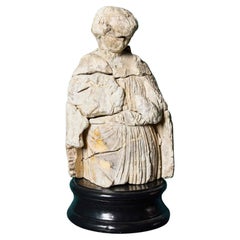
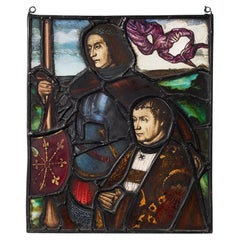
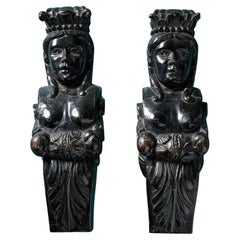
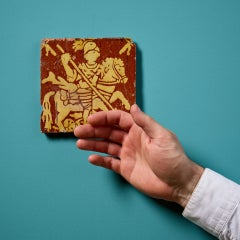
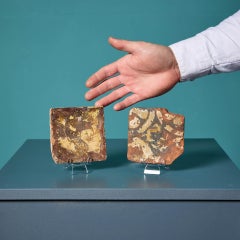
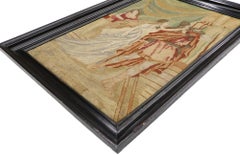
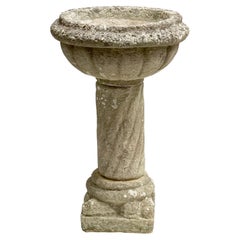
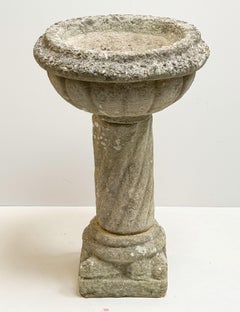
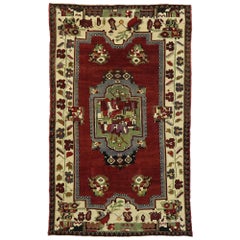
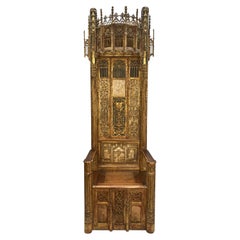
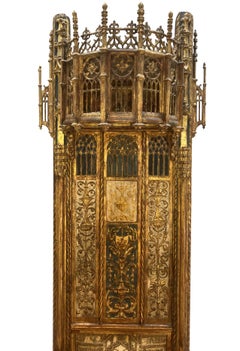
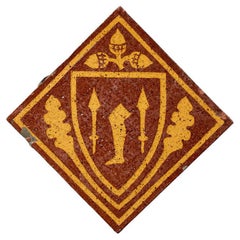
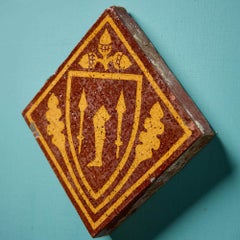
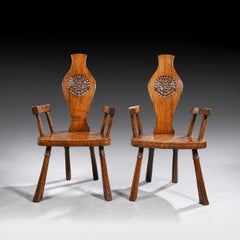
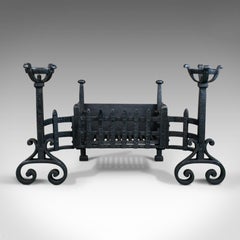
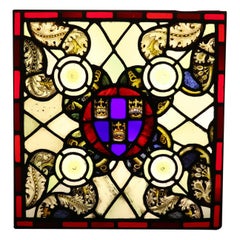
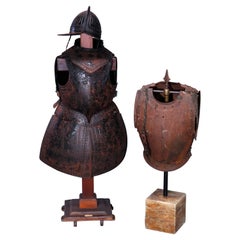
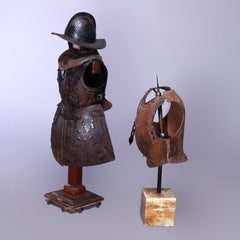
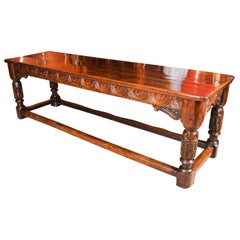
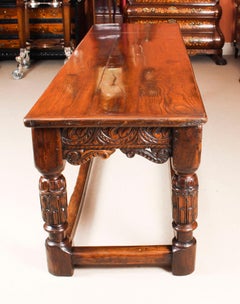
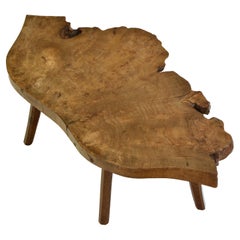
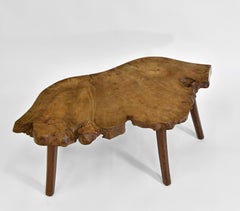
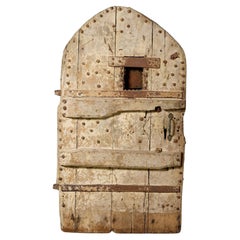
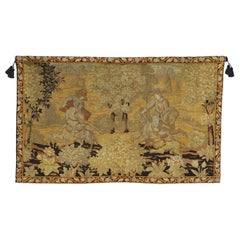
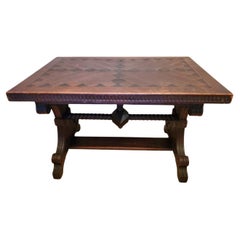
Choose from an assortment of styles, material and more in our collection of medieval English furniture on 1stDibs. A piece of medieval English furniture — often made from
metal,
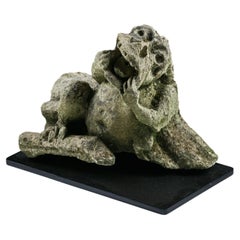
stone and
wood — can elevate any home. There are 28 variations of the antique or vintage item from our selection of medieval English furniture you’re looking for, while we also have 1 modern editions of this piece to choose from as well. Your living room may not be complete without a choice in our collection of medieval English furniture — find older editions for sale from the 18th Century and newer versions made as recently as the 21st Century. Each object in our assortment of medieval English furniture bearing
Victorian hallmarks is very popular. You’ll likely find more than one option in this array of medieval English furniture that is appealing in its simplicity, but
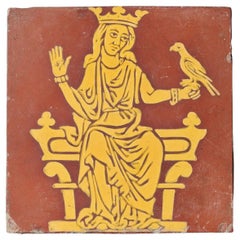
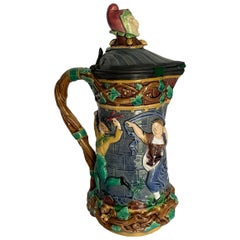
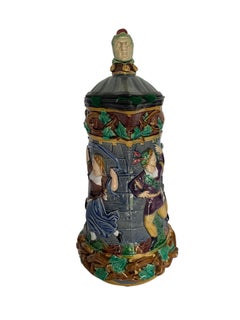
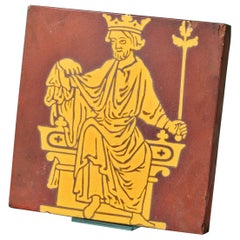
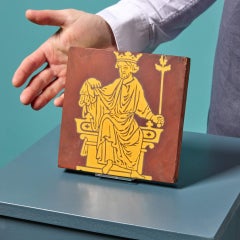
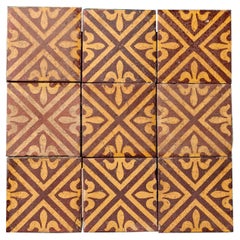
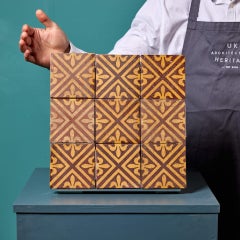
Minton produced versions that are worth a look.
The average selling price for a piece of medieval English furniture at 1stDibs is $3,073, while they’re typically $495 on the low end and $13,977 for the highest priced.
The Middle Ages in Europe followed the end of the Roman Empire, and in this time of change, which preceded the Renaissance, furniture was simple and utilitarian, with most homes having only the necessities like chests and benches. Much of medieval furniture, which was often made in oak or walnut, was built for the elite, particularly the emerging merchant class who owned multiple homes.
Life for many in the medieval era was unstable, and furniture was designed to be functional and portable. Peasants worked the fields for affluent landowners and didn’t have access to literature in the way that nobles and people of the church did (women less so than men). The furniture in their modest dwellings was typically limited to cookware and a handful of stools. Foldable chairs, while uncommon in homes of the early Middle Ages and emblematic of wealth, like all other furnishings of the time, allowed for easy transportation of a household. Trestle tables with detachable legs and collapsible beds were designed to be simply moved from place to place.
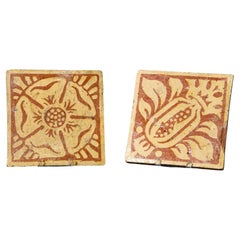
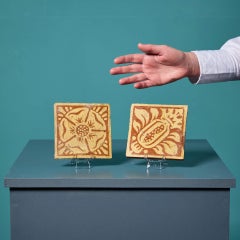
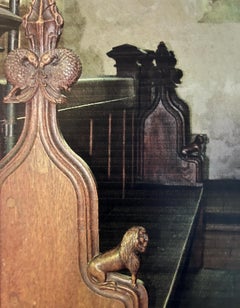
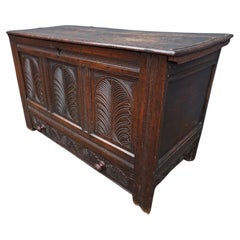
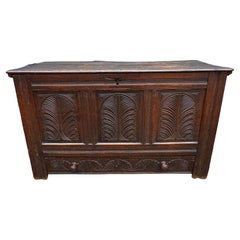
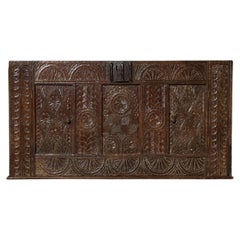
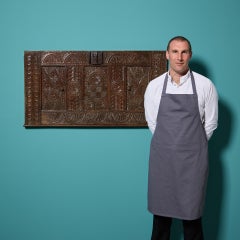
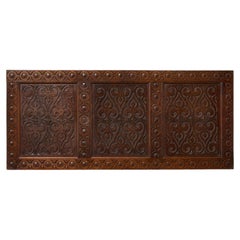
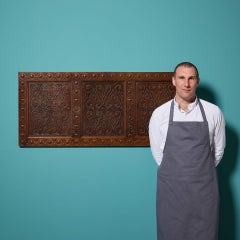
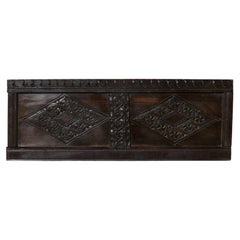
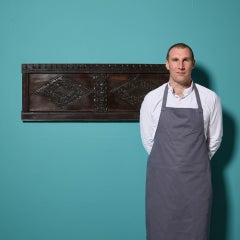
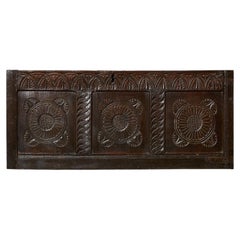
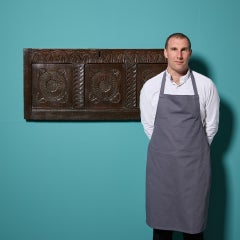
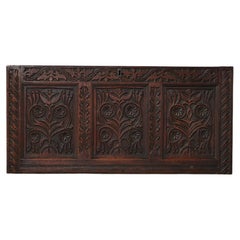
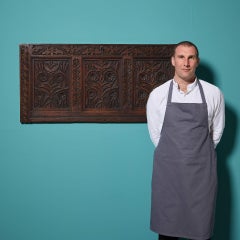
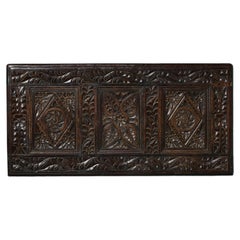
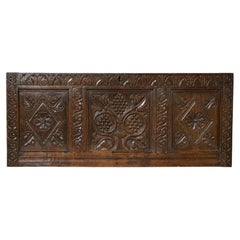
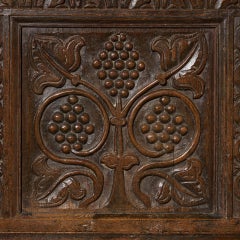
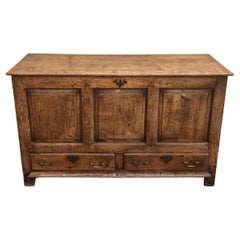
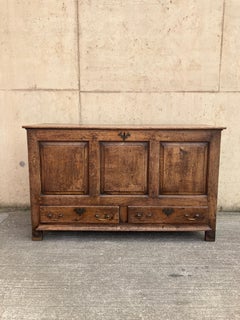
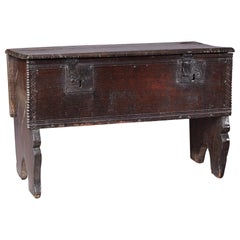
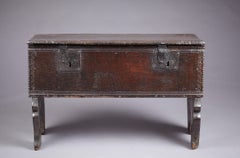
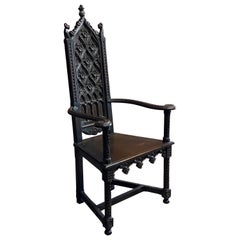
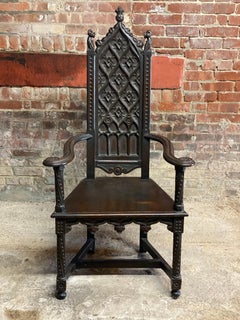
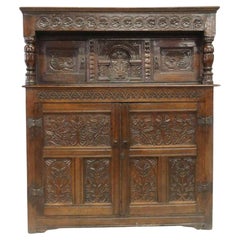
Medieval blanket chests were among the most important furniture objects and could further serve as tables or even beds. Some ancient traditions were carried forward to build this sturdy furniture, such as turnery. Although the furniture was minimally designed, embellishments like carvings added elegance to the heavy wood pieces. These details sometimes reflected trends in religious art like rose windows.
By the later Middle Ages, storage pieces like chests of drawers were often adorned with high relief carvings, such as geometric and floral motifs. By the 14th and 15th centuries, design had developed to include more involved pieces like cupboards and desks, while benches frequently doubled as chests with hinged seats. Beds also changed in this era from basic boards to four-post designs with large drapes to keep the sleeper warm. These beds and other medieval bedroom furniture were significant status symbols, passed down through families and used as places to conduct business and receive visitors.
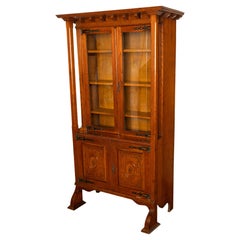
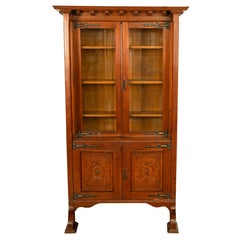
Surviving examples of medieval furniture are very rare, yet its distinctive aesthetics influenced later styles like William and Mary and Arts and Crafts.
Find a collection of medieval seating, garden elements, decorative objects and other furniture on 1stDibs.