Scott Allen Landscape Paintings

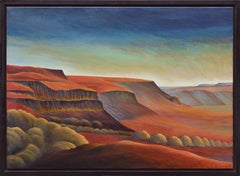
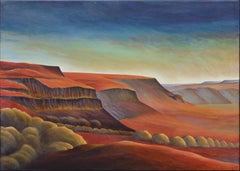
Originally from north-central Washington State, Scott Allen has practiced both art and architecture for over two decades. He received his Bachelor of Arts in Environmental Design from the University of Washington in 1980 and his Masters of Architecture from the Graduate School of Fine Arts at the University of Pennsylvania in 1982. Scott began exhibiting his art in 1997 and has created a body of paintings in both pastel and oil. Scott, previously a principal with the Seattle-based architectural firm Olson Sundberg Kundig Allen, founded Scott Allen Architecture in January 2009. He had once mentioned that “Growing up in eastern Washington gave me a deeply-branded visual memory that continues to be a strong source of imagery for my work. There is both clarity and mystery in that geography, with its seemingly endless spaces, sparse vegetation and often abrupt transitions from one geologic element to another. Light fills and illuminates these spaces as it plays off the land in endless variation. Peoples’ marks on these landscapes are especially obvious. Roads, buildings, and fields form strong counterpoints to the natural landscape. The eye is drawn to these kinds of elements, whether it is the verticality of grain elevators set against a flat field, a straight road or fence running through the land’s undulations, or an abandoned building. These marks can also suggest a history or narrative, and allow for individual interpretation in the mind of the viewer. As experiences, these landscapes can evoke feelings of loneliness and apprehension, as well as peaceful feelings of solitude and freedom, and it is within those emotions, and in their inherent contradictions, that the work is set.”

to
1
1
Overall Width
to
Overall Height
to
1
1
1
1
1
1
1
1
1
1
1
1
645
605
445
327
1
Artist: Scott Allen
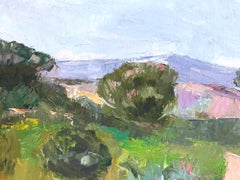
"Passage" - Desert Path Landscape

"Passage" - Desert Path Landscape

By Scott Allen

Located in Soquel, CA

Landscape scene of a road through desert cliffs titled "Passage" by Scott Allen (American, 20th Century). Signed in the lower right corner by the artist. There is a tag on verso inte...

Category

Early 2000s Contemporary Scott Allen Landscape Paintings

Materials

Oil, Masonite

Related Items
A Summer's Sunset
A Summer's Sunset

A Summer's Sunset, 1975

$875

H 37 in W 25 in D 1.5 in

A Summer's Sunset

Located in San Francisco, CA

In this abstract landscape, artist Geneva Cross conveys the mood of a dreamlike summer evening that might be remembered by any of us in its universality. Blending the basic elements ...

Category

1970s Abstract Scott Allen Landscape Paintings

Materials

Masonite, Oil

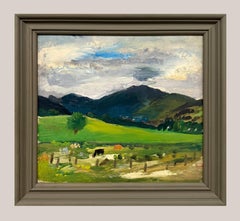
A Colorful, 1930s American Scene Country Mountain Landscape, Summer in Vermont

A Colorful, 1930s American Scene Country Mountain Landscape, Summer in Vermont

By Francis Chapin

Located in Chicago, IL

A Colorful, Picturesque 1930s American Scene Country Mountain Landscape Painting of a Summer Pasture in Vermont by Famed Chicago Modern Artist, Francis Chapin (Am. 1899-1965). A vib...

Category

1930s American Modern Scott Allen Landscape Paintings

Materials

Masonite, Oil

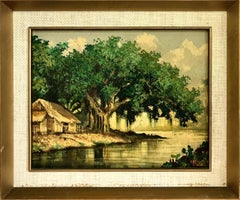
Impressionist Water’s Edge Tropical Landscape with Banyan Tree

Impressionist Water’s Edge Tropical Landscape with Banyan Tree

Located in San Francisco, CA

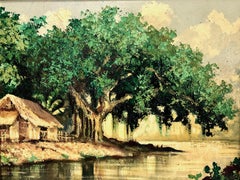
On offer is an idyllic, tropical waterside landscape featuring a traditional thatched-roof hut tucked beneath an expansive, dense banyan tree. The unknown artist utilized a rapid, co...

Category

Mid-20th Century Impressionist Scott Allen Landscape Paintings

Materials

Masonite, Oil

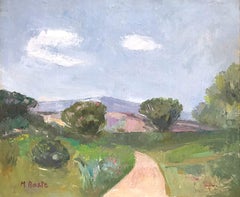
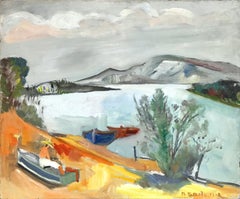
"Countryside Landscape Hills Scene with Path" Expressionistic Style Oil Painting

"Countryside Landscape Hills Scene with Path" Expressionistic Style Oil Painting

By Michael Baxte

Located in New York, NY

A strong modernist oil painting depicted in the Mid Century by Russian painter Michael Baxte. Mostly known for his abstracted figures on canvas or street scenes, this piece is a wonderful representation of his landscapes with expressive use of color, shape, and form. Later in his career, Baxte explores Expressionism, infusing both European and North American stylistic trends. Art measures 15 x 18 inches Michael Posner Baxte was born in 1890 in the small town of Staroselje Belarus, Russia. For the first half of the 19th century, it was a center of the Chabad movement of Hasidic Jews, but this group was gone by the middle of the 19th century. By the time the Baxte family immigrated to the United States at the beginning of the 20th century, the Jewish population numbered only on the hundreds. The native language of the Baxte family was Yiddish. It is likely that the death of Michael Baxte’s father triggered the family’s immigration. Three older brothers arrived in New York between 1903 and 1905. Michael and his mother, Rebecca, arrived in 1907. By 1910 Michael, his mother, and brother, Joseph, were living in New Orleans and may have spent some time on a Louisiana plantation. Around 1912, Michael Baxte returned to Europe to study the violin. In 1914 he, his mother, and Joseph moved to New York City. Meanwhile, in Algeria, a talented young woman painter, Violette Mege, was making history. For the first time, a woman won the prestigious Beaux Art competition in Algeria. At first, the awards committee denied her the prize but, with French government intervention, Mege eventually prevailed. She won again 3 years later and, in 1916, used the scholarship to visit the United States of America. When Violette came to New York, she met Baxte, who was, by then, an accomplished violinist, teacher, and composer. Baxte’s compositions were performed at the Tokyo Imperial Theater, and in 1922 he was listed in the American Jewish Yearbook as one of the prominent members of the American Jewish community. As a music teacher, he encouraged individual expression. Baxte stated, “No pupil should ever be forced into the imitation of the teacher. Art is a personal experience, and the teacher’s truest aim must be to awaken this light of personality through the patient's light of science.” By 1920 Michael Baxte and Violette Mege were living together in Manhattan. Although they claimed to be living as husband and wife, it seems that their marriage did not become official until 1928. On their “unofficial” honeymoon around 1917, in Algiers, Baxte confided to her his ambition to paint. There and later in New Mexico where the wonderful steeped sunlight approximates the coloring of Algiers, she taught him his heart’s desire. He never had any other teacher. She never had any other pupil. For ten years she devoted all her time, energy, and ambition to teaching, encouraging, inspiring him. Then in 1928, their mutual strivings were rewarded, as his works were being chosen as one of the two winners in the Dudensing National Competition for American Painters. Out of 150 artists from across the country participated in the Dudensing, and Michael Posner Baxte and, Robert Fawcett...

Category

Mid-20th Century Expressionist Scott Allen Landscape Paintings

Materials

Oil, Masonite

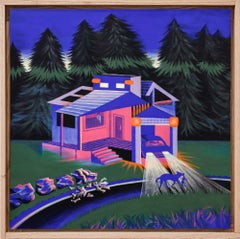
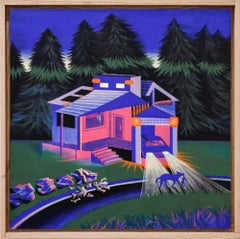
"The Nightmare Began Just Like Any Other Dream" Nighttime landscape, surreal

"The Nightmare Began Just Like Any Other Dream" Nighttime landscape, surreal

By Angela Rio

Located in Philadelphia, PA

This piece titled "The Nightmare Began Just Like Any Other Dream" is an original artwork by Angela Rio and is made of acrylic on masonite framed in artist-m...

Category

21st Century and Contemporary Contemporary Scott Allen Landscape Paintings

Materials

Masonite, Acrylic

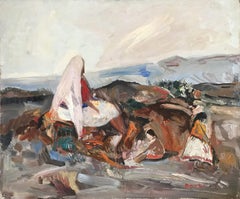
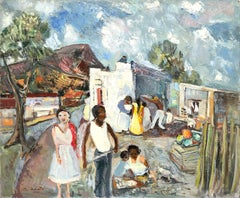
"Mexican Landscape Scene of Mother with Children" Expressionistic Style Painting

"Mexican Landscape Scene of Mother with Children" Expressionistic Style Painting

By Michael Baxte

Located in New York, NY

A strong modernist oil painting depicted in 1962 by Russian painter Michael Baxte. Mostly known for his abstracted figures on canvas or street scenes, this piece is a wonderful representation of his portraits in countryside landscapes with expressive use of color, shape, and form. Later in his career, Baxte explores Expressionism, infusing both European and North American stylistic trends. Art measures 21.25 x 25.5 inches Michael Posner Baxte was born in 1890 in the small town of Staroselje Belarus, Russia. For the first half of the 19th century, it was a center of the Chabad movement of Hasidic Jews, but this group was gone by the middle of the 19th century. By the time the Baxte family immigrated to the United States at the beginning of the 20th century, the Jewish population numbered only on the hundreds. The native language of the Baxte family was Yiddish. It is likely that the death of Michael Baxte’s father triggered the family’s immigration. Three older brothers arrived in New York between 1903 and 1905. Michael and his mother, Rebecca, arrived in 1907. By 1910 Michael, his mother, and brother, Joseph, were living in New Orleans and may have spent some time on a Louisiana plantation. Around 1912, Michael Baxte returned to Europe to study the violin. In 1914 he, his mother, and Joseph moved to New York City. Meanwhile, in Algeria, a talented young woman painter, Violette Mege, was making history. For the first time, a woman won the prestigious Beaux Art competition in Algeria. At first, the awards committee denied her the prize but, with French government intervention, Mege eventually prevailed. She won again 3 years later and, in 1916, used the scholarship to visit the United States of America. When Violette came to New York, she met Baxte, who was, by then, an accomplished violinist, teacher, and composer. Baxte’s compositions were performed at the Tokyo Imperial Theater, and in 1922 he was listed in the American Jewish Yearbook as one of the prominent members of the American Jewish community. As a music teacher, he encouraged individual expression. Baxte stated, “No pupil should ever be forced into the imitation of the teacher. Art is a personal experience, and the teacher’s truest aim must be to awaken this light of personality through the patient's light of science.” By 1920 Michael Baxte and Violette Mege were living together in Manhattan. Although they claimed to be living as husband and wife, it seems that their marriage did not become official until 1928. On their “unofficial” honeymoon around 1917, in Algiers, Baxte confided to her his ambition to paint. There and later in New Mexico where the wonderful steeped sunlight approximates the coloring of Algiers, she taught him his heart’s desire. He never had any other teacher. She never had any other pupil. For ten years she devoted all her time, energy, and ambition to teaching, encouraging, inspiring him. Then in 1928, their mutual strivings were rewarded, as his works were being chosen as one of the two winners in the Dudensing National Competition for American Painters. Out of 150 artists from across the country participated in the Dudensing, and Michael Posner Baxte and, Robert Fawcett...

Category

1960s Expressionist Scott Allen Landscape Paintings

Materials

Oil, Masonite

"Landscape Scene of Fisherman by Lake" Expressionistic Oil Painting on Masonite

"Landscape Scene of Fisherman by Lake" Expressionistic Oil Painting on Masonite

By Michael Baxte

Located in New York, NY

A strong modernist oil painting depicted in 1963 by Russian painter Michael Baxte. Mostly known for his abstracted figures on canvas or street scenes, this piece is a wonderful representation of his figures in water landscapes with expressive use of color, shape, and form. Later in his career, Baxte explores Expressionism, infusing both European and North American stylistic trends. This piece is from later in his career, but we can feel this underlying style throughout. Art measures 18 x 21.75 inches Michael Posner Baxte was born in 1890 in the small town of Staroselje Belarus, Russia. For the first half of the 19th century it was a center of the Chabad movement of Hasidic Jews, but this group was gone by the middle of the 19th century. By the time the Baxte family immigrated to the United States at the beginning of the 20th century, the Jewish population numbered only on the hundreds. The native language of the Baxte family was Yiddish. It is likely that the death of Michael Baxte’s father triggered the family’s immigration. Three older brothers arrived in New York between 1903 and 1905. Michael and his mother, Rebecca, arrived in 1907. By 1910 Michael, his mother, and brother, Joseph, were living in New Orleans and may have spent some time on a Louisiana plantation. Around 1912, Michael Baxte returned to Europe to study the violin. In 1914 he, his mother, and Joseph moved to New York City. Meanwhile, in Algeria, a talented young woman painter, Violette Mege, was making history. Since for the first time, a woman won the prestigious Beaux Art competition in Algeria. At first, the awards committee denied her the prize but, with French government intervention, Mege eventually prevailed. She won again 3 years later and, in 1916, used the scholarship to visit the United States of America. When Violette came to New York, she met Baxte, who was, by then, an accomplished violinist, teacher, and composer. Baxte’s compositions were performed at the Tokyo Imperial Theater, and in 1922 he was listed in the American Jewish Yearbook as one of the prominent members of the American Jewish community. As a music teacher he encouraged individual expression. Baxte stated, “No pupil should ever be forced into imitation of the teacher. Art is a personal experience, and the teacher’s truest aim must be to awaken this light of personality through the patient light of science.” By 1920 Michael Baxte and Violette Mege were living together in Manhattan. Although they claimed to be living as husband and wife, it seems that their marriage did not become official until 1928. On their “unofficial” honeymoon around 1917, in Algiers, Baxte confided to her his ambition to paint. There and later in New Mexico where the wonderful steeped sunlight approximates the coloring of Algiers, she taught him his heart’s desire. He never had any other teacher. She never had any other pupil. For ten years she devoted all her time, energy, and ambition to teaching, encouraging, inspiring him. Then in 1928, their mutual strivings were rewarded, as his works were being chosen as one of the two winners in the Dudensing National Competition for American Painters. Out of 150 artists from across the country participated in the Dudensing, and Michael Posner Baxte and, Robert Fawcett, were the winners. In his 1924 naturalization application, he indicated that he was sometimes known as “Michael Posner Baxte.” One of the witnesses to his application was Bernard Karfiol, a Jewish American artist. That’s when Michael may...

Category

1960s Expressionist Scott Allen Landscape Paintings
Materials

Oil, Masonite

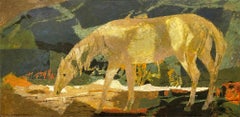
Lone Horse in Abstract Landscape, Tempera on Masonite, 1960s

Lone Horse in Abstract Landscape, Tempera on Masonite, 1960s

By Ethel Magafan

Located in Miami, FL

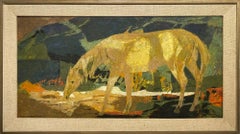
A stylized horse is depicted grazing in an abstract landscape. Most likely, the location is Woodstock, New York, where the artist lived. Signed Lower Right; Framed; Note: titled and signed on verso. Ethel Magafan (August 10, 1916 – April 24, 1993) was an American painter and muralist. Magafan was born in Chicago to Greek parents who had recently immigrated to the U.S. The family soon relocated to Colorado Springs, Colorado, and Magafan's artistic training occurred at the Colorado Springs Fine Arts Center under the tutelage of Peppino Mangravite, Boardman Robinson and Frank Mechau, who hired Magafan and her twin sister, Jenne, to assist on mural projects. In 1937, aEthel won the commission to paint a mural in the U.S. post office in Auburn, Nebraska, making her the youngest recipient of such a commission. It would be the first of seven government-sponsored commissions for the artist. Murals "Andrew Jackson at the Battle of New Orleans, January 8, 1814" E. Magafan, 1943 Under President Franklin Roosevelt's New Deal, several programs were created to employ Americans during the Great Depression. The Magafan twins worked under the New Deal's Section of Painting and Sculpture, a program that hired thousands of artists to paint murals in public spaces, particularly post offices. Ethel and her twin sister, Jenne Magafan, became widely known for their murals painted during the Great Depression. Ethel received her first of seven Government commissions when she was commissioned to produce a painting for the United States post office in Auburn, Nebraska, titled Threshing.Other murals commissioned by the US Government hang in the United States Senate Chamber, the Social Security Building and the Recorder Deeds Building in Washington, D.C., and in post offices in Wynne, Arkansas, titled Cotton Pickers in 1940; in Madill, Oklahoma, titled Prairie Fire in 1941; and Englewood, Colorado, titled The Horse Corral in 1942.Her final mural, entitled Grant in the Wilderness, was installed in 1979 in the Chancellorsville Visitor Center at the Fredericksburg National Memorial Military Park in Virginia, She was a member of the National Academy of Design. Magafan died April 24, 1993, in Woodstock, New York, at the age of 76. References "Collections National Academy Museum". Retrieved 2017-03-08. "Jenne Magafan". Retrieved 2017-03-08. Marlene Park and Gerald E. Markowitz, Democratic Vistas: Post Offices and Public Art in the New Deal. Philadelphia: Temple University Press, 1984. "Browse New Deal projects by State and City". Living New Deal. Retrieved 9 January 2015. "Ethel Magafan Passes Away". New York Times. No. Obituary. April 29, 1993. Opitz, Glenn B, Editor, Mantle Fielding's Dictionary of American Painters, Sculptors & Engravers, Apollo Book...

Category

1960s Contemporary Scott Allen Landscape Paintings

Materials

Tempera, Masonite

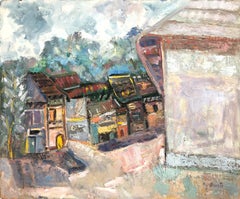
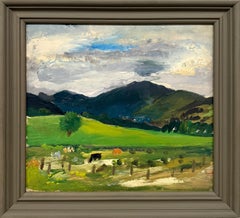
"Landscape of a Village Near Mountains" Expressionistic Oil Painting on Masonite

"Landscape of a Village Near Mountains" Expressionistic Oil Painting on Masonite

By Michael Baxte

Located in New York, NY

A strong modernist oil painting depicted in 1969 by Russian painter Michael Baxte. Mostly known for his abstracted figures on canvas or street scenes, this piece is a wonderful representation of his bold still life paintings, with expressive use of color, shape, and form. Later in his career, Baxte explores Expressionism, infusing both European and North American stylistic trends. This piece is from later in his career, but we can feel this underlying style throughout. Art measures 18 x 21.75 inches Michael Posner Baxte was born in 1890 in the small town of Staroselje Belarus, Russia. For the first half of the 19th century it was a center of the Chabad movement of Hasidic Jews, but this group was gone by the middle of the 19th century. By the time the Baxte family immigrated to the United States at the beginning of the 20th century, the Jewish population numbered only on the hundreds. The native language of the Baxte family was Yiddish. It is likely that the death of Michael Baxte’s father triggered the family’s immigration. Three older brothers arrived in New York between 1903 and 1905. Michael and his mother, Rebecca, arrived in 1907. By 1910 Michael, his mother, and brother, Joseph, were living in New Orleans and may have spent some time on a Louisiana plantation. Around 1912, Michael Baxte returned to Europe to study the violin. In 1914 he, his mother, and Joseph moved to New York City. Meanwhile, in Algeria, a talented young woman painter, Violette Mege, was making history. Since for the first time, a woman won the prestigious Beaux Art competition in Algeria. At first, the awards committee denied her the prize but, with French government intervention, Mege eventually prevailed. She won again 3 years later and, in 1916, used the scholarship to visit the United States of America. When Violette came to New York, she met Baxte, who was, by then, an accomplished violinist, teacher, and composer. Baxte’s compositions were performed at the Tokyo Imperial Theater, and in 1922 he was listed in the American Jewish Yearbook as one of the prominent members of the American Jewish community. As a music teacher he encouraged individual expression. Baxte stated, “No pupil should ever be forced into imitation of the teacher. Art is a personal experience, and the teacher’s truest aim must be to awaken this light of personality through the patient light of science.” By 1920 Michael Baxte and Violette Mege were living together in Manhattan. Although they claimed to be living as husband and wife, it seems that their marriage did not become official until 1928. On their “unofficial” honeymoon around 1917, in Algiers, Baxte confided to her his ambition to paint. There and later in New Mexico where the wonderful steeped sunlight approximates the coloring of Algiers, she taught him his heart’s desire. He never had any other teacher. She never had any other pupil. For ten years she devoted all her time, energy, and ambition to teaching, encouraging, inspiring him. Then in 1928, their mutual strivings were rewarded, as his works were being chosen as one of the two winners in the Dudensing National Competition for American Painters. Out of 150 artists from across the country participated in the Dudensing, and Michael Posner Baxte and, Robert Fawcett, were the winners. In his 1924 naturalization application, he indicated that he was sometimes known as “Michael Posner Baxte.” One of the witnesses to his application was Bernard Karfiol, a Jewish American artist. That’s when Michael may...

Category

1960s Expressionist Scott Allen Landscape Paintings
Materials

Oil, Masonite

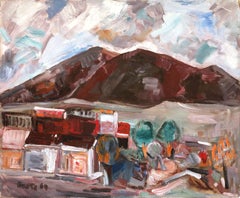
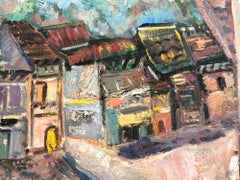
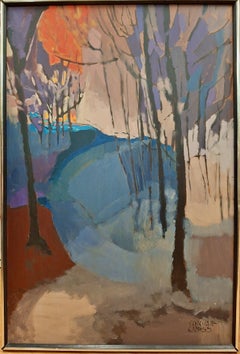
"Colorful Mexican Village Scene" Expressionistic Oil Painting on Masonite

"Colorful Mexican Village Scene" Expressionistic Oil Painting on Masonite

By Michael Baxte

Located in New York, NY

A strong modernist oil painting depicted Circa 1960 by Russian painter Michael Baxte. Mostly known for his abstracted figures on canvas or street scenes, this piece is a wonderful representation of his bold still life paintings, with expressive use of color, shape, and form. Later in his career, Baxte explores Expressionism, infusing both European and North American stylistic trends. This piece is from later in his career, but we can feel this underlying style throughout. Art measures 18 x 21.75 inches Michael Posner Baxte was born in 1890 in the small town of Staroselje Belarus, Russia. For the first half of the 19th century it was a center of the Chabad movement of Hasidic Jews, but this group was gone by the middle of the 19th century. By the time the Baxte family immigrated to the United States at the beginning of the 20th century, the Jewish population numbered only on the hundreds. The native language of the Baxte family was Yiddish. It is likely that the death of Michael Baxte’s father triggered the family’s immigration. Three older brothers arrived in New York between 1903 and 1905. Michael and his mother, Rebecca, arrived in 1907. By 1910 Michael, his mother, and brother, Joseph, were living in New Orleans and may have spent some time on a Louisiana plantation. Around 1912, Michael Baxte returned to Europe to study the violin. In 1914 he, his mother, and Joseph moved to New York City. Meanwhile, in Algeria, a talented young woman painter, Violette Mege, was making history. Since for the first time, a woman won the prestigious Beaux Art competition in Algeria. At first, the awards committee denied her the prize but, with French government intervention, Mege eventually prevailed. She won again 3 years later and, in 1916, used the scholarship to visit the United States of America. When Violette came to New York, she met Baxte, who was, by then, an accomplished violinist, teacher, and composer. Baxte’s compositions were performed at the Tokyo Imperial Theater, and in 1922 he was listed in the American Jewish Yearbook as one of the prominent members of the American Jewish community. As a music teacher he encouraged individual expression. Baxte stated, “No pupil should ever be forced into imitation of the teacher. Art is a personal experience, and the teacher’s truest aim must be to awaken this light of personality through the patient light of science.” By 1920 Michael Baxte and Violette Mege were living together in Manhattan. Although they claimed to be living as husband and wife, it seems that their marriage did not become official until 1928. On their “unofficial” honeymoon around 1917, in Algiers, Baxte confided to her his ambition to paint. There and later in New Mexico where the wonderful steeped sunlight approximates the coloring of Algiers, she taught him his heart’s desire. He never had any other teacher. She never had any other pupil. For ten years she devoted all her time, energy, and ambition to teaching, encouraging, inspiring him. Then in 1928, their mutual strivings were rewarded, as his works were being chosen as one of the two winners in the Dudensing National Competition for American Painters. Out of 150 artists from across the country participated in the Dudensing, and Michael Posner Baxte and, Robert Fawcett, were the winners. In his 1924 naturalization application, he indicated that he was sometimes known as “Michael Posner Baxte.” One of the witnesses to his application was Bernard Karfiol, a Jewish American artist. That’s when Michael may...

Category

1960s Expressionist Scott Allen Landscape Paintings
Materials

Oil, Masonite

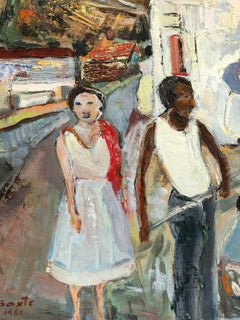
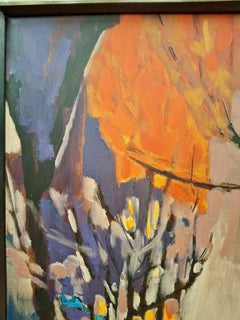
"Landscape Scene of Mexican Villagers" Expressionistic Oil Painting on Masonite

"Landscape Scene of Mexican Villagers" Expressionistic Oil Painting on Masonite

By Michael Baxte

Located in New York, NY

A strong modernist oil painting depicted in 1971 by Russian painter Michael Baxte. Mostly known for his abstracted figures on canvas or street scenes, this piece is a wonderful representation of his landscape paintings, with expressive use of color, shape, and form. Later in his career, Baxte explores Expressionism, infusing both European and North American stylistic trends. This piece is from later in his career, but we can feel this underlying style throughout. Art measures 18 x 21.75 inches Michael Posner Baxte was born in 1890 in the small town of Staroselje Belarus, Russia. For the first half of the 19th century it was a center of the Chabad movement of Hasidic Jews, but this group was gone by the middle of the 19th century. By the time the Baxte family immigrated to the United States at the beginning of the 20th century, the Jewish population numbered only on the hundreds. The native language of the Baxte family was Yiddish. It is likely that the death of Michael Baxte’s father triggered the family’s immigration. Three older brothers arrived in New York between 1903 and 1905. Michael and his mother, Rebecca, arrived in 1907. By 1910 Michael, his mother, and brother, Joseph, were living in New Orleans and may have spent some time on a Louisiana plantation. Around 1912, Michael Baxte returned to Europe to study the violin. In 1914 he, his mother, and Joseph moved to New York City. Meanwhile, in Algeria, a talented young woman painter, Violette Mege, was making history. Since for the first time, a woman won the prestigious Beaux Art competition in Algeria. At first, the awards committee denied her the prize but, with French government intervention, Mege eventually prevailed. She won again 3 years later and, in 1916, used the scholarship to visit the United States of America. When Violette came to New York, she met Baxte, who was, by then, an accomplished violinist, teacher, and composer. Baxte’s compositions were performed at the Tokyo Imperial Theater, and in 1922 he was listed in the American Jewish Yearbook as one of the prominent members of the American Jewish community. As a music teacher he encouraged individual expression. Baxte stated, “No pupil should ever be forced into imitation of the teacher. Art is a personal experience, and the teacher’s truest aim must be to awaken this light of personality through the patient light of science.” By 1920 Michael Baxte and Violette Mege were living together in Manhattan. Although they claimed to be living as husband and wife, it seems that their marriage did not become official until 1928. On their “unofficial” honeymoon around 1917, in Algiers, Baxte confided to her his ambition to paint. There and later in New Mexico where the wonderful steeped sunlight approximates the coloring of Algiers, she taught him his heart’s desire. He never had any other teacher. She never had any other pupil. For ten years she devoted all her time, energy, and ambition to teaching, encouraging, inspiring him. Then in 1928, their mutual strivings were rewarded, as his works were being chosen as one of the two winners in the Dudensing National Competition for American Painters. Out of 150 artists from across the country participated in the Dudensing, and Michael Posner Baxte and, Robert Fawcett, were the winners. In his 1924 naturalization application, he indicated that he was sometimes known as “Michael Posner Baxte.” One of the witnesses to his application was Bernard Karfiol, a Jewish American artist. That’s when Michael may...

Category

1960s Expressionist Scott Allen Landscape Paintings
Materials

Oil, Masonite

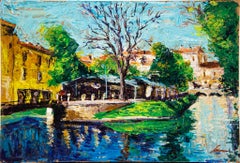
Isola della Pescheria - Oil on Masonite - Late 20th Century

Isola della Pescheria - Oil on Masonite - Late 20th Century

Located in Roma, IT

Isola della Pescheria is an original artwork realized in late XX Century. Mixed colored oil on masonite. Hand-signed by the artist on the lower right margin. The state of preservation of the artwork is good. Title on the back. The artwork represents a view of Isola della Pescheria a river island...

Category

Late 20th Century Contemporary Scott Allen Landscape Paintings

Materials

Oil, Masonite

Previously Available Items
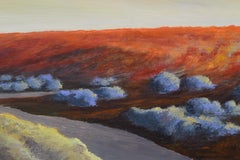
New Mexico Mesa Landscape

Scott AllenNew Mexico Mesa Landscape, 2004

Sold

H 26.13 in W 36 in D 1.5 in

New Mexico Mesa Landscape

By Scott Allen

Located in Soquel, CA

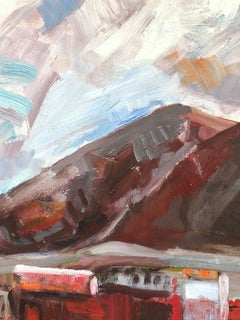
Bold landscape of mesas against a glowing sky by Scott Allen (American, 20th Century). Signed by the artist in the lower right corner. Tag on verso with name, title, and date. Presented in a wood frame that gives a "floating" effect. Image size: 24"H x 34"W Originally from north-central Washington State, Scott Allen has practiced both art and architecture for over two decades. Scott received his Bachelor of Arts in Environmental Design from the University of Washington in 1980, and his Masters of Architecture from the Graduate School of Fine Arts at the University of Pennsylvania in 1982. Scott began exhibiting his art in 1997 and has created a body of paintings in both pastel and oil. Scott, previously a principal with the Seattle-based architectural firm Olson Sundberg Kundig Allen, founded Scott Allen Architecture in January 2009. Exhibitions: Seattle Art Museum Gallery (2012) Smith Exhibits, Roslyn, WA (2011) Robert Graves...

Category

Early 2000s American Impressionist Scott Allen Landscape Paintings
Materials

Canvas, Oil

Scott Allen landscape paintings for sale on 1stDibs.

Find a wide variety of authentic Scott Allen landscape paintings available for sale on 1stDibs. You can also browse by medium to find art by Scott Allen in oil paint, paint, canvas and more. Much of the original work by this artist or collective was created during the 21st century and contemporary and is mostly associated with the Impressionist style. Not every interior allows for large Scott Allen landscape paintings, so small editions measuring 16 inches across are available. Customers who are interested in this artist might also find the work of Max Flandorfer, Lawrence Kelsey, and Mike Wright. Scott Allen landscape paintings prices can differ depending upon medium, time period and other attributes. On 1stDibs, the price for these items starts at $700 and tops out at $1,720, while the average work can sell for $1,210.