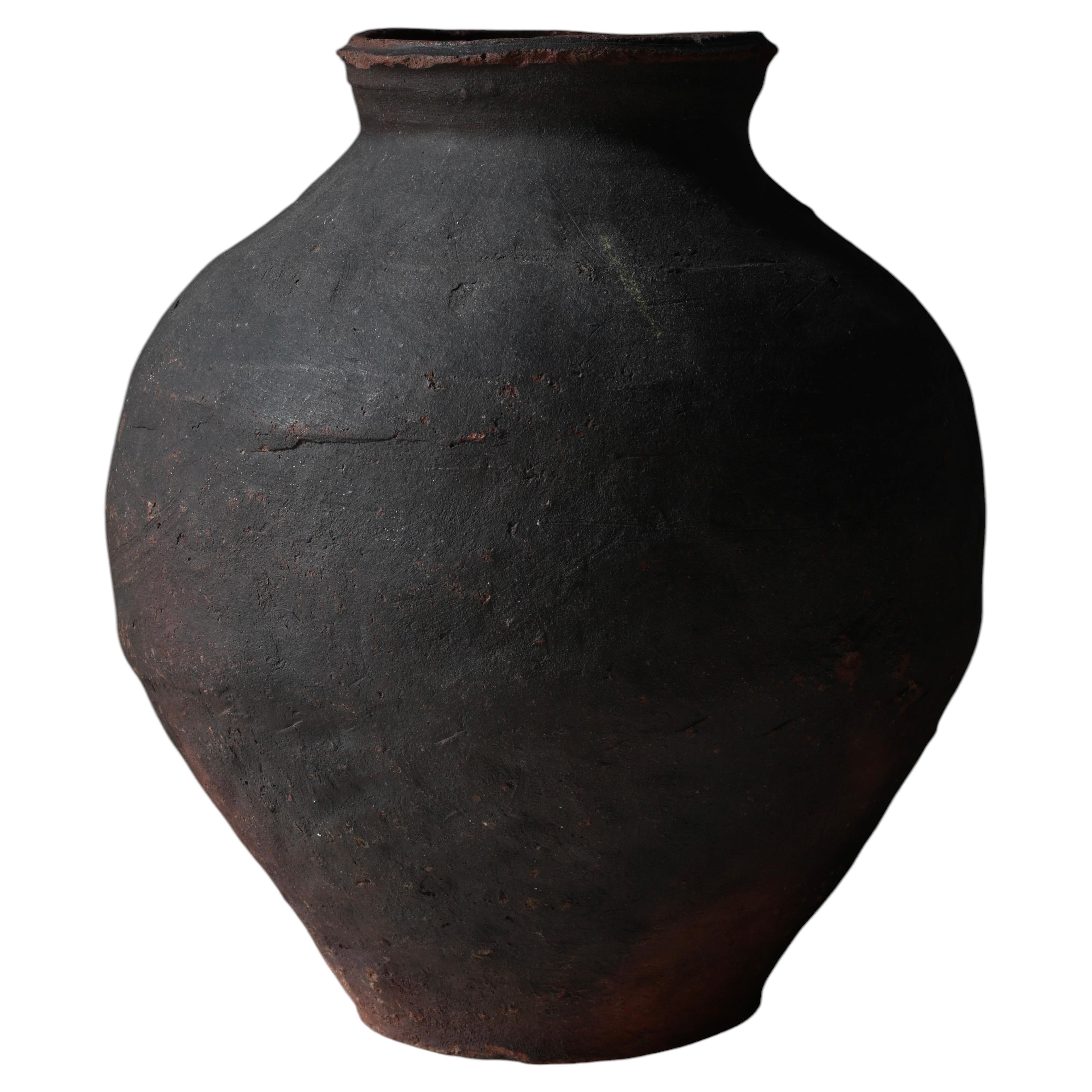
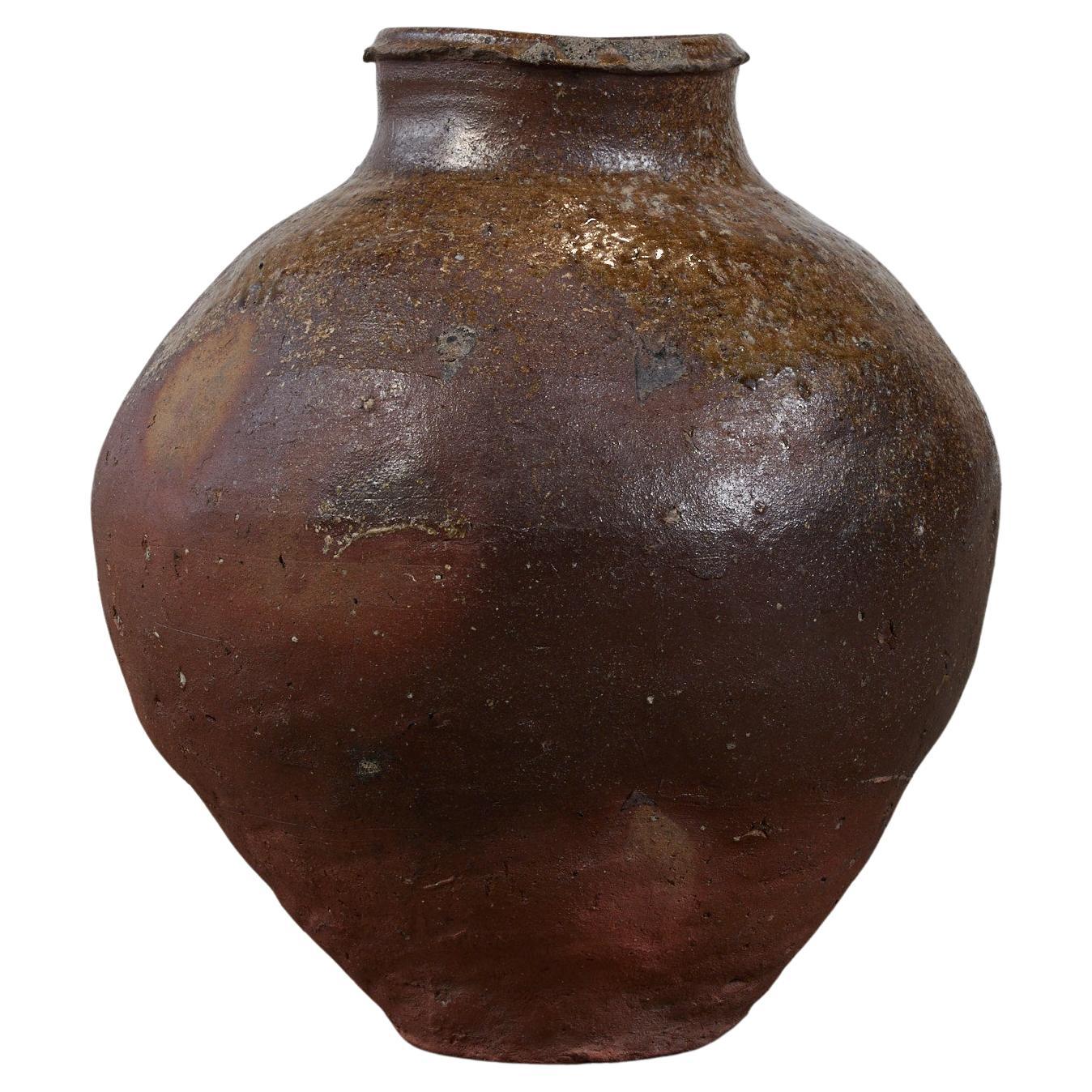
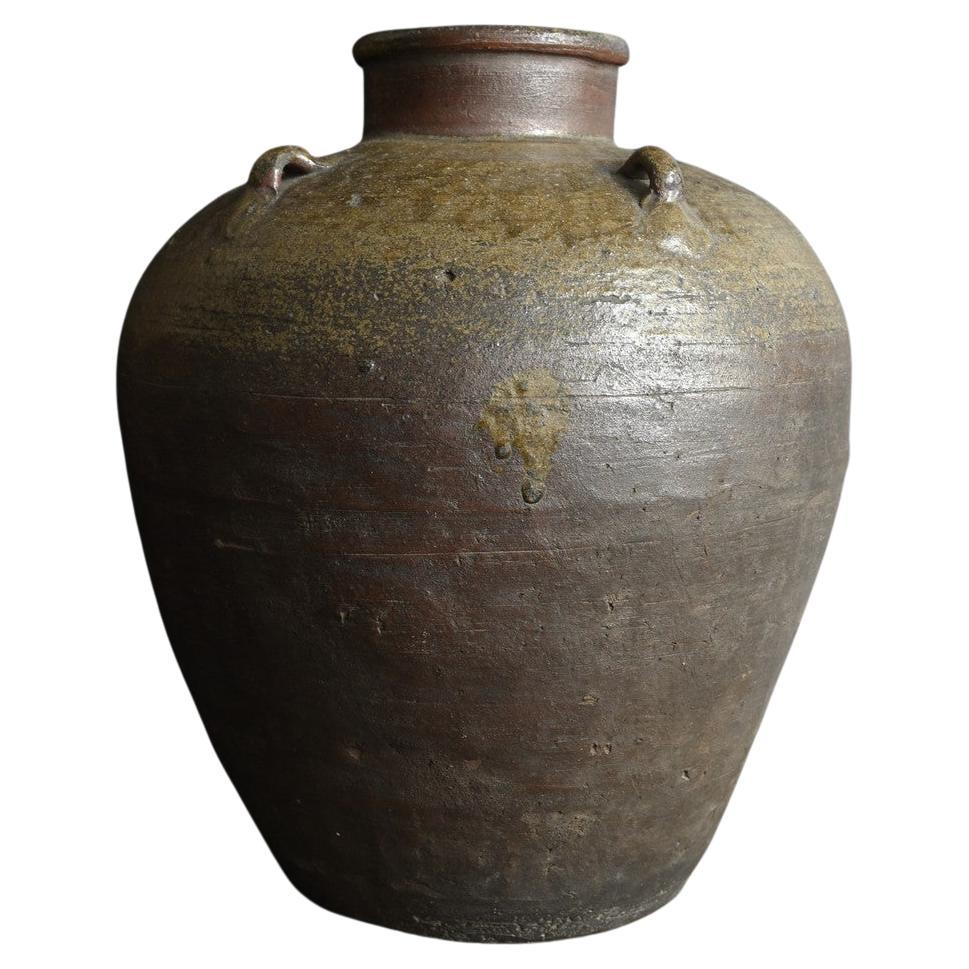
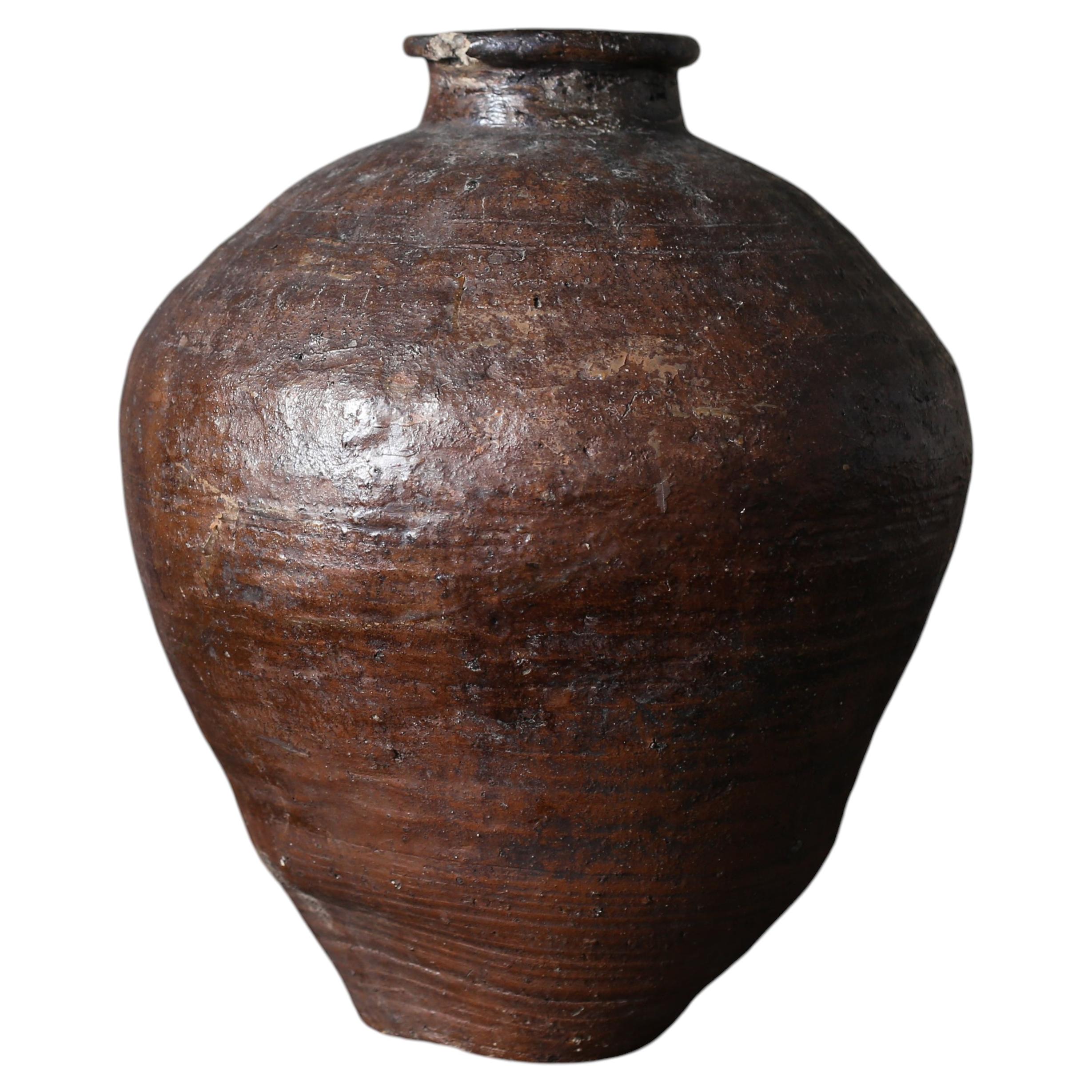
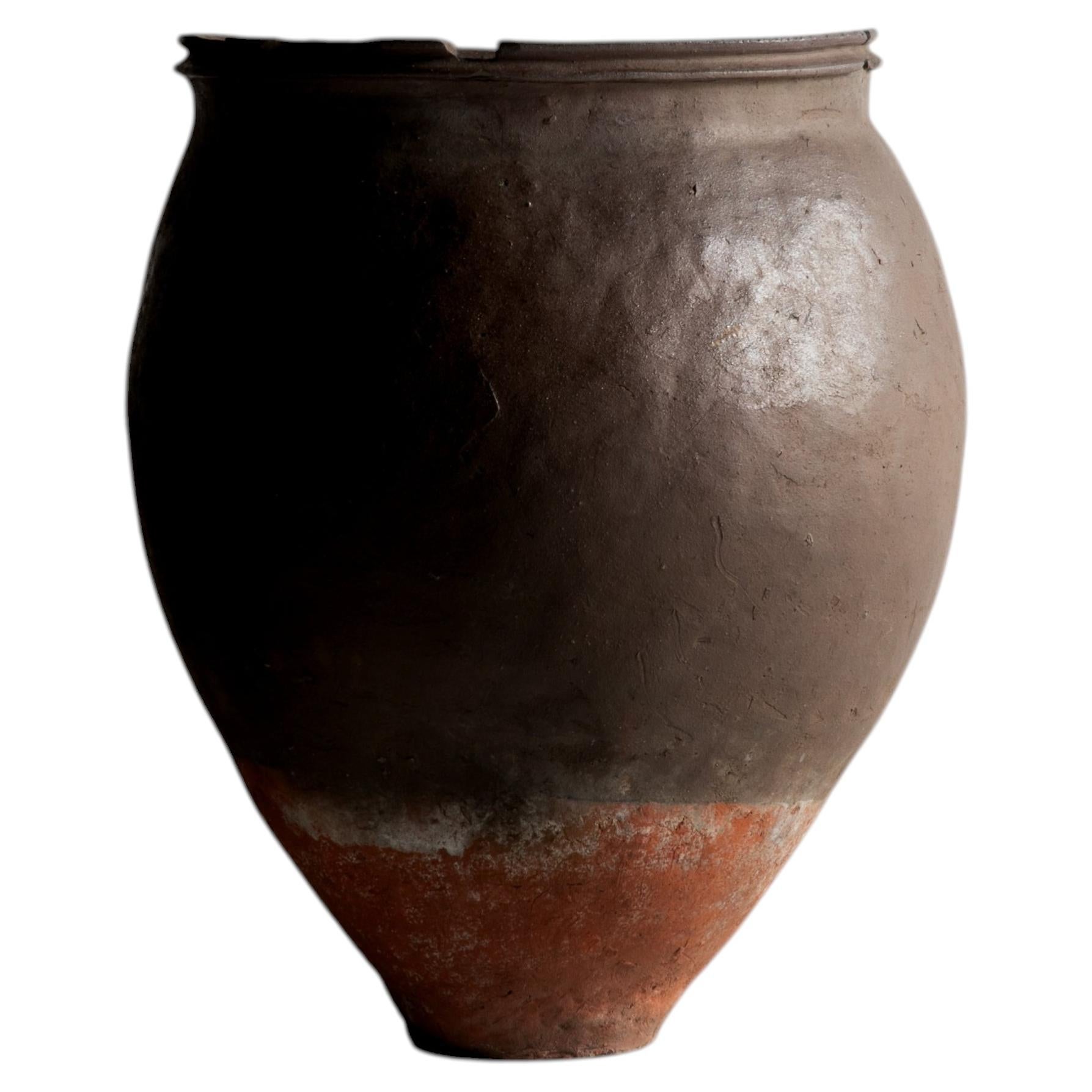
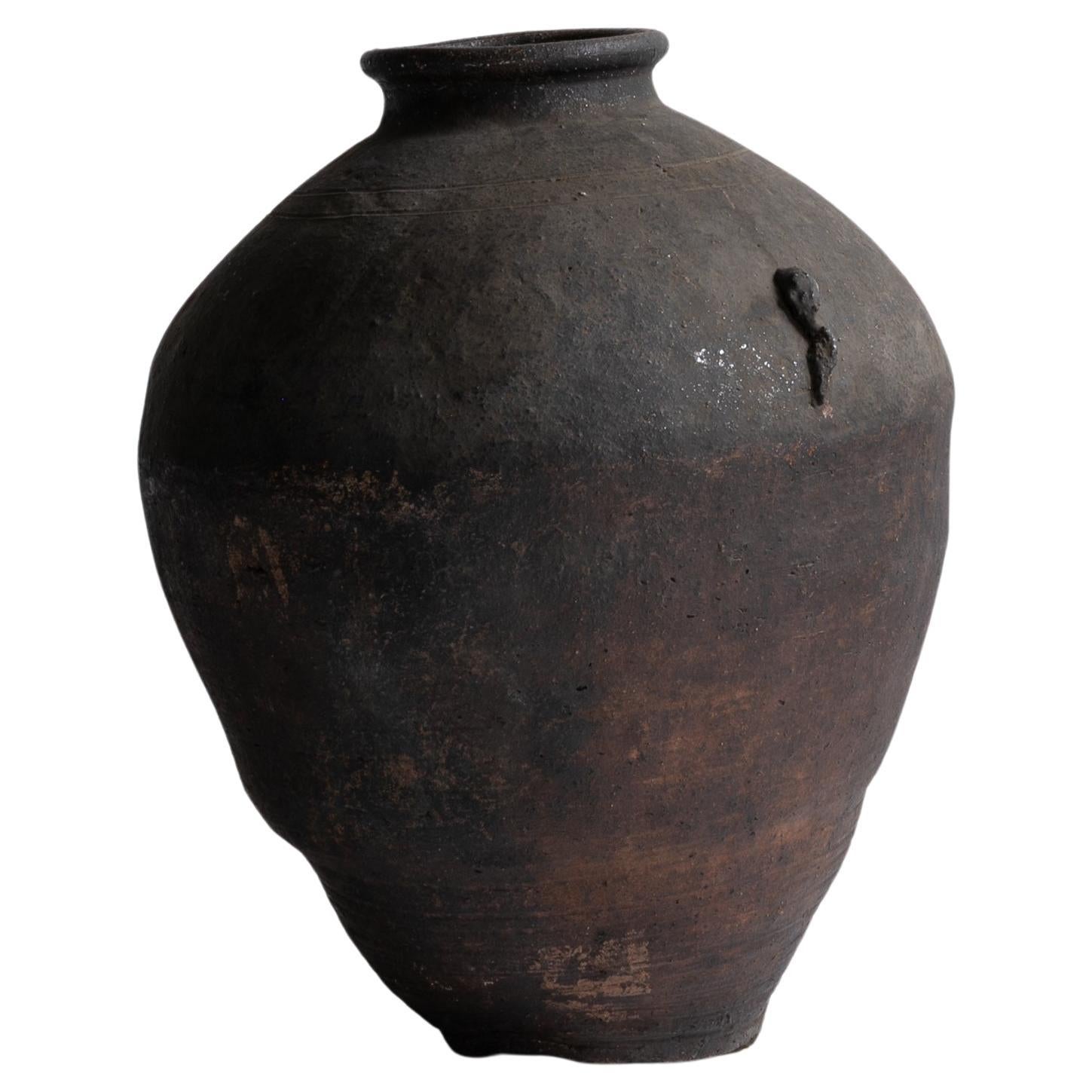
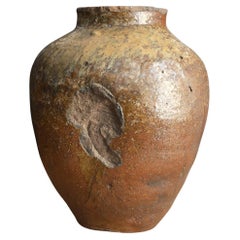
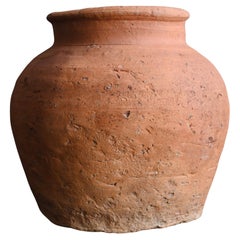
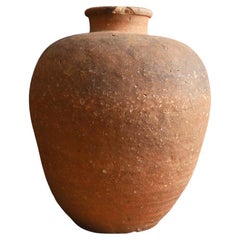
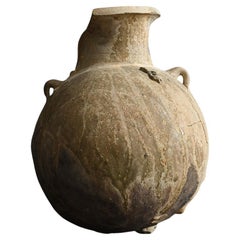
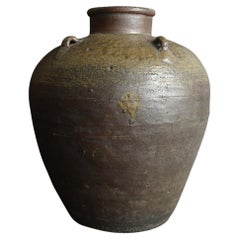
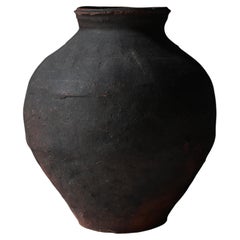
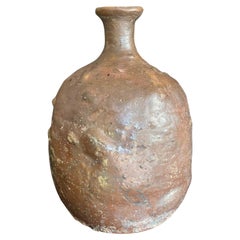
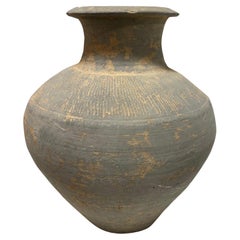
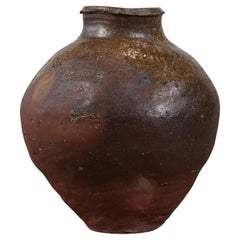
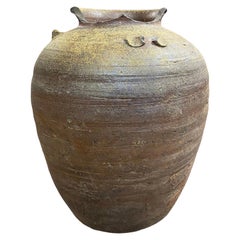
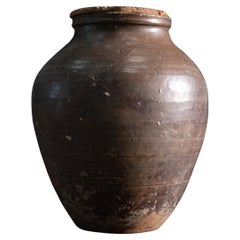
This piece is an Iga ware jar fired around the 16th century, during the late Muromachi period to the Momoyama period.
Iga ware is pottery produced in the Iga region of Mie Prefecture, Japan, and its origins are said to date back to around the 8th century. Mie Prefecture is located roughly in the central part of Japan and historically developed as an important crossroads for transportation. The kilns of Iga are geographically very close to the kilns of Shigaraki, located in present-day Shiga Prefecture, separated only by a mountain range. Because of this proximity, the clay composition and firing techniques used in both regions are very similar, resulting in pottery that often looks almost identical in appearance. In many cases, it can be difficult to distinguish Iga ware from Shigaraki ware based solely on appearance.
However, one of the most important identifying features of Iga ware is the double incised lines running from the neck to the shoulder. These lines are carved with a tool (hera) and are considered a characteristic element unique to Iga ware. Such lines are generally not found on Shigaraki ware. This jar clearly displays these double lines, which serve as a crucial point in identifying it as Iga ware.
Another notable feature of this jar is the presence of numerous white granular particles on the surface, created by feldspar minerals contained in the clay. When fired at high temperatures, these minerals melt and emerge on the surface as small white grains. This phenomenon is characteristic of both Iga and Shigaraki pottery and gives the surface its distinctive rough texture. This natural and rugged surface is one of the great attractions of Iga ware.
Furthermore, a major highlight of this jar is the beautiful appearance of natural ash glaze (shizen-yu). During the final stage of firing, straw and other materials are burned, and the ash falls onto the vessel’s surface. At high temperatures, this ash melts and becomes a natural glaze. On this jar, the ash glaze flows from the shoulder down the body, forming a glossy surface that transitions from yellow-green to green, creating a beautiful and transparent effect. In Japan, pieces with such attractive natural ash glaze are particularly highly valued.
There is a small chip at the rim of the mouth. However, this is a common condition found in old jars and can be considered a sign of the long passage of time. In fact, many examples have much larger losses at the rim, so this degree of wear is not unusual.
For reference, we have included photographs of similar works from the same period that appear in an art book on Iga ware. In addition, we have also included images showing the section where the characteristic double lines of Iga ware are explained.
Please note that if water is poured directly into this jar, it may slowly seep through the body. Therefore, when using it as a flower vase, we recommend placing another container with water inside the jar.
With a height of approximately 45 cm, this jar is relatively large among Iga ware jars and has a strong presence when displayed in a space. The powerful rustic form combined with the beautiful natural ash glaze creates a highly appealing work.
Also, I want many people to know the goodness of antiques, so I set the price reasonably.
How about showing off to your friends around you?
Size: Diameter 36.7 cm × Height 45 cm
Weight: 8.35 kg
Item No.: PO380
【We mainly sell old Japanese items, but also items from around the world.
We have seen tens of thousands of items so far.
Using that experience, we list appealing items here.
This is something we can do because of our long experience.
If you are looking for something special, we encourage you to purchase it on our site.】