Han Furniture

to
56
99
18
152
5
201,883
119,557
45,415
34,977
17,081
12,525
11,565
10,933
10,139
9,091
7,509
7,011
6,882
6,757
6,715
6,068
4,839
3,819
123
9
20
5
4
6
3
1
126
49
46
21
18
150
148
106
18
5
157
157
157
Style: Han
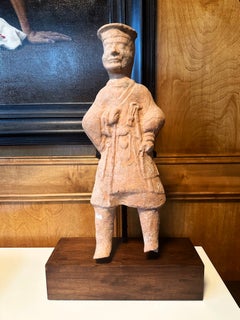
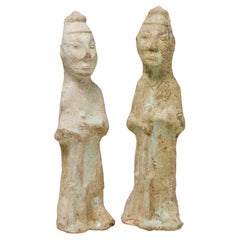
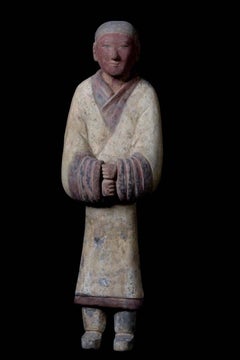
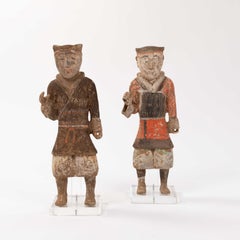
Pair of Terracotta Han Guards in Polychrome Paint China Han-Dynastie, TL Tested

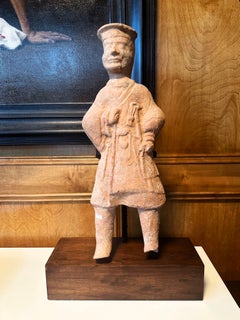
Pair of Terracotta Han Guards in Polychrome Paint China Han-Dynastie, TL Tested

Located in Salzburg, AT

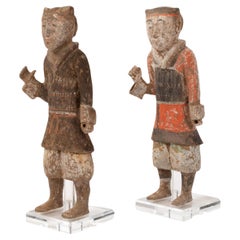
Pair of terracotta Han guardsmen in polychrome paint China TL tested Pair of rare standing male terracotta sculptures/warriors of the Chinese Han dynasty from the 2nd century BC. W...

Category

15th Century and Earlier Chinese Antique Han Furniture

Materials

Terracotta, Acrylic

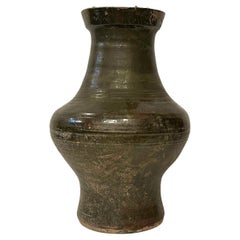
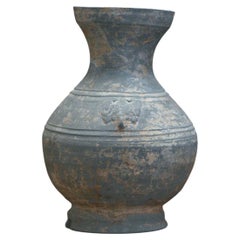
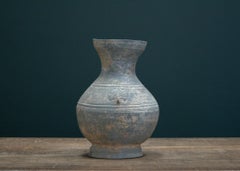
Han Dynasty Ceramic Vase, Gray Earthenware, Bulbous Form, Antique

Han Dynasty Ceramic Vase, Gray Earthenware, Bulbous Form, Antique

Located in Houston, TX

This ceramic vase is attributed to the Han dynasty. The form features a classic bulbous body rising to a narrow neck with a gently flared rim, all resting on a subtle footed base. It...

Category

19th Century French Antique Han Furniture

Materials

Ceramic

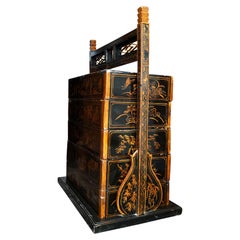
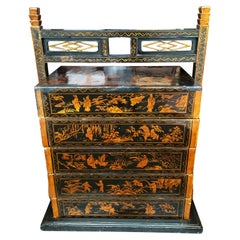
19th Century Chinese Black Lacquered Five Section Stacking Chest

19th Century Chinese Black Lacquered Five Section Stacking Chest

Located in Reading, Berkshire

19th Century Exquisite Chinese black lacquered five section stacking chest with stunning figural decorative scenes. More modern Chinese furniture devel...

Category

19th Century Chinese Antique Han Furniture

Materials

Lacquer, Paint

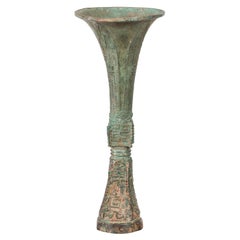
Bronze Flute Shaped Han Dynasty Ceremonial Vessel

Bronze Flute Shaped Han Dynasty Ceremonial Vessel

Located in Yonkers, NY

A vintage lost-wax bronze Han Dynasty ceremonial wine goblet from the mid 20th century that is the perfect decorative accent piece to add to add to your vintage furniture design for ...

Category

Mid-20th Century Han Furniture

Materials

Bronze

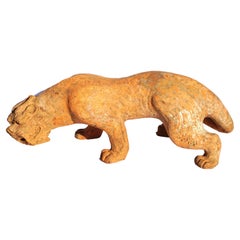
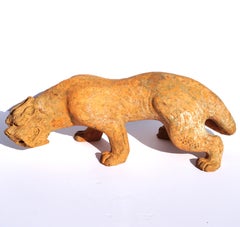
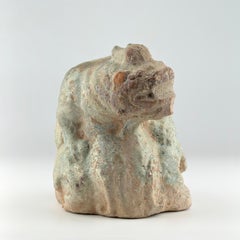
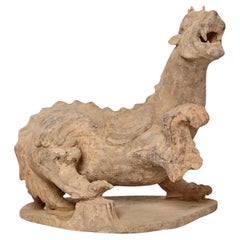
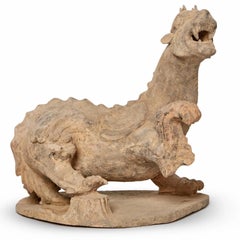
Han Dynasty Pottery Mythical Bixie Beast TL Tested

Han Dynasty Pottery Mythical Bixie Beast TL Tested

Located in Dallas, TX

A Large Chinese Pottery Mythical Creature Figure from the Han Dynasty China. Western Han Dynasty Circa 25 - 220 TL tested estimated age 1800 years old (+/- 200) by Artemis Testing ...

Category

15th Century and Earlier Chinese Antique Han Furniture

Materials

Pottery

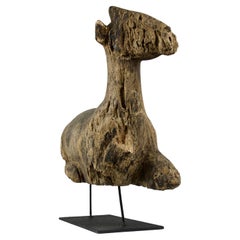
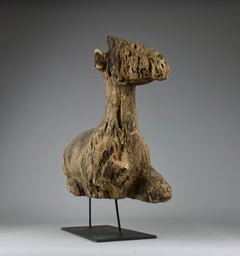
Han Dynasty, Laying Doe Wood Sculpture, China 100AD

Han Dynasty, Laying Doe Wood Sculpture, China 100AD

Located in PARIS, FR

Superb sculpture of a laying doe from the Chinese Han Dynasty (206BC-220AD). Remainders of polychromic paint, namely red, symbol of good fortune and joy as well as the season of summer, and green, symbol of vigor and vitality and the season of spring. Mounted on base. A similar sculpture in bronze is kept at the Met Museum with the following description " A low bed, small table, and screen were often the only furnishings in a Han-dynasty room. The floors were generally covered with mats kept in place with weights in the shape of single animals, fighting beasts, or entertainers." Condition seen in pictures. Dimensions in cm ( H x L x l ) : - Sculpture : 35 x 40 x 10 - With base : 45.5 x 44 x 15 The Han Dynasty ruled China from 206 B.C. to 220 A.D. and was the second imperial dynasty of China. It is known for its promotion of Confucianism as the state religion and opening the Silk Road trade route to Europe, permanently altering the course of Chinese history. Han Dynasty art and inventions like paper still influence the world today. From the Han Dynasty to the present, deer can be found in many materials and media—rock crystal, nephrite, ink on paper, porcelain, cloisonné enamel, jade, bamboo root, textile, bronze, etc.—alone or in groups, among trees and rocks and in various positions. They appear on everyday objects, from boxes to incense burners, incense holders, lamps, mirror holders and the droppers scholars used when they wrote. A symbol of longevity and grace in Chinese mythology, the word deer is pronounced lu, a homonym for emoluments—favors granted to officials. They therefore represent wealth, nobility and success in imperial examinations (civil service exams for selecting candidates for the state bureaucracy in Imperial China). Deer were the faithful companions of Shu Lao, the god of longevity, and the goddess Magu. They were reputed to live long and to be the only creature able to find the mushroom of immortality, linghzhi. Although its spots are different, deer are sometimes confused or associated with stags, a Manchu hunting trophy whose antlers served to make prestigious furniture. (La Gazette Drouot, Claire Papon) For the colours found on this piece, in Chinese culture, red symbolizes good fortune and joy. Green, symbolizes the spring when everything is brimming over with vigor and vitality. The Han Dynasty (206 B.C. to 220 A.D.) continued the Qin Dynasty’s use of dark colours, but incorporated red. During the earlier years, or Western Han Dynasty, ordinary people wore red while court dress was black. Shoes were red in color. The clothing worn for sacrificial rites was black edged with red. In the later Eastern Han Dynasty, red symbolized the dynasty’s “fire Virtue” and became predominant. Court dress was red. Sacrificial rites called for a red-edged white layer under robes with red socks...

Category

15th Century and Earlier Chinese Antique Han Furniture
Materials

Wood

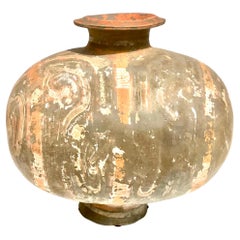
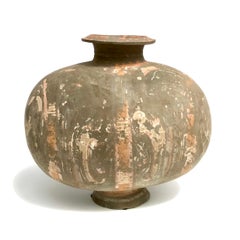
Han Dynasty Earthenware Cocoon Jar

Han Dynasty Earthenware Cocoon Jar

Located in Dallas, TX

Chinese Han Dynasty earthenware cocoon jar Cocoon jars or Cocoon-shaped jars are funerary pottery vessels in China, belonging to the period of...

Category

15th Century and Earlier Chinese Antique Han Furniture
Materials

Pottery

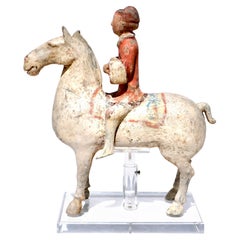
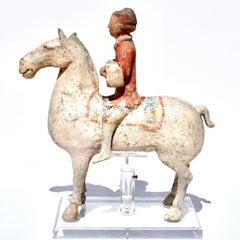
Han Dynasty Pottery Horse and Rider

Han Dynasty Pottery Horse and Rider

Located in Dallas, TX

Han Dynasty painted pottery horse and rider A Chinese Han Dynasty painted pottery horse & rider. Made from grey pottery and cold-painted in white, red and black pigments. The rider dressed as a warrior and in the pose of holding reins for the horse. Comes with a custom sturdy lucite stand. Measures: Height: 13.5 inches (33cm). Length: 13 inches Depth: 5 inches Han Dynasty (206 BC – AD 220). Condition: Very good with past restoration to legs. The great influence of the horse throughout the history of China can...

Category

15th Century and Earlier Chinese Antique Han Furniture
Materials

Pottery

Han Dynasty Pottery Sculpture of a Winged Lion Bixie Mythical Beast TL Tested

Han Dynasty Pottery Sculpture of a Winged Lion Bixie Mythical Beast TL Tested

Located in Dallas, TX

A Large Han Dynasty Terracotta sculpture of a Mythical Beast. TL Tested I cant emphasize how rare this item is and predict it will not last long. The condition is extraordinary with...

Category

15th Century and Earlier Chinese Antique Han Furniture
Materials

Pottery

Large Chinese Terracotta Tomb Figure East Han Dynasty

Large Chinese Terracotta Tomb Figure East Han Dynasty

Located in Atlanta, GA

A Chinese terracotta tomb figure (Ni Yong) from East Han Dynasty (25-220 AD), likely from the area of nowadays Sichuan. It appears to depict a groom figure with attires and harness i...

Category

15th Century and Earlier Chinese Antique Han Furniture
Materials

Terracotta

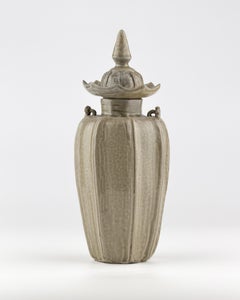
A Rare 'Yue' Celadon Glazed Octagonal Vase, Western Jin Dynasty (266 - 316 AD)

A Rare 'Yue' Celadon Glazed Octagonal Vase, Western Jin Dynasty (266 - 316 AD)

Located in seoul, KR

Finely potted with incurved facetted sides divided by raised ribs and set with two short lugs to the shoulder, the body rising to a short octagonal neck, the domed cover of conforming section, surrounded by an upturned rim and surmounted by a bud finial, applied overall with a celadon glaze of the period. A related vase of this rare and charming form, in the Zhenjiang Museum, Zhenjiang, is illustrated in the Complete Collection of Chinese Ceramics. Song, vol. 8, Shanghai, 1999, pl. 52. Vases of related octagonal shape were produced at the Ding kilns, in Hebei province, and the qingbai kilns in Jiangxi province; see a Ding vase in the Palace Museum, Beijing, illustrated in Selection of Ding Ware. The Palace Museum’s Collection and Archaeological Excavation, Beijing, 2002, pl. 37; and a qingbai example, from the Meiyintang collection, illustrated in Regina Krahl, Chinese Ceramics from the Meiyintang Collection, vol. 3 (II), London, 2006, pl. 1590; and another carved with a floral scroll, included in the exhibition Song Ceramics from the Kwan Collection, Hong Kong Museum of Art, Hong Kong, 1994, cat. no. 105. Period : Western Jin Dynasty (266 - 316 AD) Type : Octagonal Vase Medium : Yue celadon...

Category

15th Century and Earlier Hong Kong Antique Han Furniture

Materials

Celadon

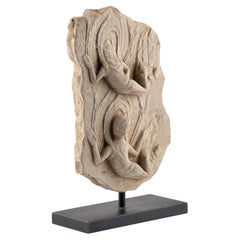
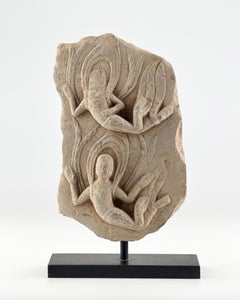
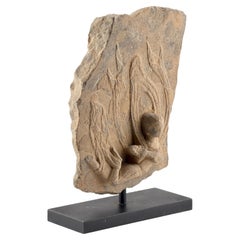
Heavenly Beings Carved Limestone Stele Fragment, Northern/Eastern Wei Dynasty

Heavenly Beings Carved Limestone Stele Fragment, Northern/Eastern Wei Dynasty

Located in seoul, KR

Flying two heavenly beings depicted in the stone. They are celestial beings called an Apsara. While having the same fragment and shape, another work our gallery uploaded exhibits sma...

Category

15th Century and Earlier East Asian Antique Han Furniture

Materials

Limestone

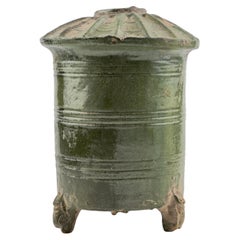
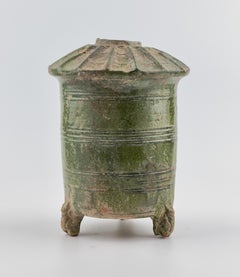
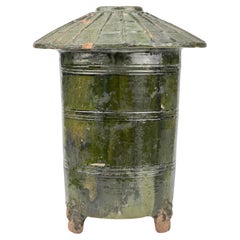
Funerary Model of a Granary, Han dynasty

Funerary Model of a Granary, Han dynasty

Located in seoul, KR

Cylindrical vessel on three animal-shaped feet (dragon or snake), wall with profile grooves, roof. pottery with green lead glaze. "Iridescence" is observed in surface. Period : Han...

Category

15th Century and Earlier Hong Kong Antique Han Furniture

Materials

Pottery

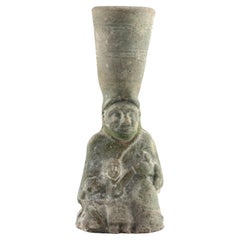
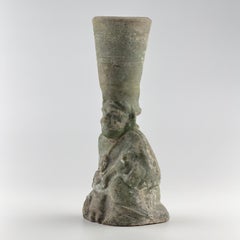
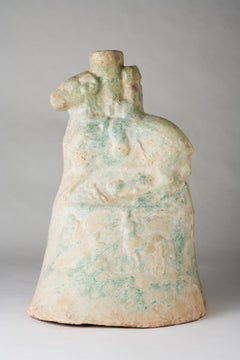
Green-glazed pottery 'figural' lamp, Han Dynasty

Green-glazed pottery 'figural' lamp, Han Dynasty

Located in seoul, KR

The lamp shaped as a kneeling female figure wearing long robes, her face with a large nose, deep-set eyes and pronounced cheeks, holding an infant in her lap, her cylindrical and elo...

Category

15th Century and Earlier East Asian Antique Han Furniture

Materials

Earthenware

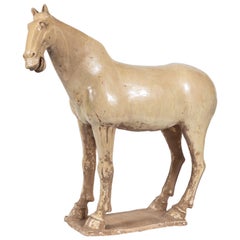
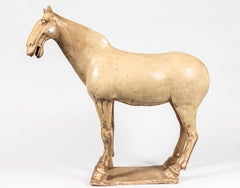
Large, Han-Style Horse Sculpture

Large, Han-Style Horse Sculpture

Located in Los Angeles, CA

Grand, crème glazed terracotta, Han-style, braying stallion sculpture.

Category

1980s Chinese Vintage Han Furniture

Materials

Terracotta

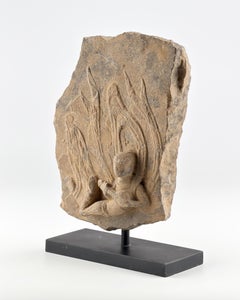
Apsara Carved Limestone Stele with Extremely Rare 'Oolitic silica', Wei Dynasty

Apsara Carved Limestone Stele with Extremely Rare 'Oolitic silica', Wei Dynasty

Located in seoul, KR

The small dots apparent on the surface of this stone stele are indicative of an oolitic silica structure or oolites formed in what is known as "Oolitic chert." The same phenomenon can also be observed in the Tang Dynasty Limestone Stele at the Asian Art Museum in San Francisco. This formation occurs gradually over the course of thousands to several hundred thousand years within the soil or sea. Similar structures are commonly found in ancient fossils or arrowheads. Ancient peoples chose certain types of stones for tool-making, preferring materials that were easier to work with and could be sharpened effectively. This predilection is believed to be the reason why oolitic silica structures are frequently found in ancient arrowheads. The development of these oolitic silica structures is a very slow process involving the accumulation of siliceous layers around particulates. This phenomenon, where silica reacts with water to form layers around a nucleus, occurs under specific chemical and physical conditions. Typically, it takes thousands to hundreds of thousands of years for silica to gradually accumulate in layers through contact with moisture, a process that requires a precise harmony of many variables, including chemical conditions, temperature, pressure, pH, and biological activity. It is known that no other stele with such a silica structure has been identified to date, serving not only as evidence of its authenticity but also significantly enhancing the rarity of this piece. This stele appears to be a stone sculpture of an apsara, a celestial nymph from Buddhist and Hindu traditions. Despite its fragmentary state, the sculpture conveys grace and movement. The apsara is captured in a dynamic pose, perhaps once part of a larger tableau, playing a flute-like instrument. The black stand was made in Hong Kong at the time of the acquisition. Date : Northern Wei/Eastern Wei Dynasty(386~550) Size : 22cm (Height) x 16cm(diameter) Condition : Good (oolites dots on surface) Provenance : Acquired in late 1990s from Hongkong Reference : 1) Sotheby's New York 20 March 2018 - Jingyatang Treasures Of Chinese Buddhist...

Category

15th Century and Earlier East Asian Antique Han Furniture

Materials

Stone, Limestone

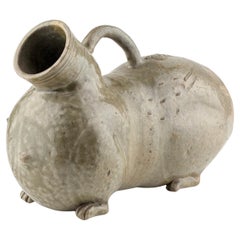
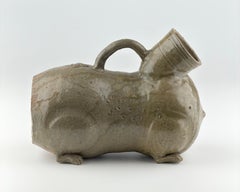
Rare Yue Celadon-Glazed Figural Vessel, Western Jin dynasty (265-420)

Rare Yue Celadon-Glazed Figural Vessel, Western Jin dynasty (265-420)

Located in seoul, KR

Modeled as a recumbent animal, this Jin dynasty vessel features a raised spout and an arched handle across the back. The wings are suggested through dotted and incised markings, and ...

Category

15th Century and Earlier East Asian Antique Han Furniture

Materials

Celadon

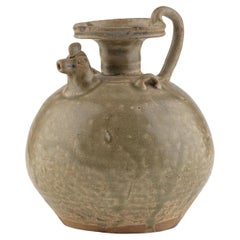
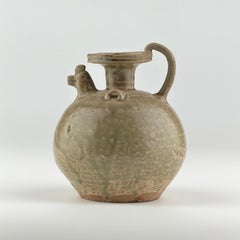
Rare Yue Celadon Chicken-Head Ewer, Jin-Southern Dynasty

Rare Yue Celadon Chicken-Head Ewer, Jin-Southern Dynasty

Located in seoul, KR

Chicken-head ewers are a distinctive ceramic form that developed during the Jin dynasty (265–420), originating in the southern Yue kilns of present-day Zhejiang province, and later s...

Category

15th Century and Earlier East Asian Antique Han Furniture

Materials

Celadon, Stoneware

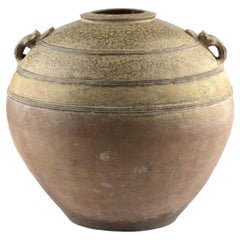
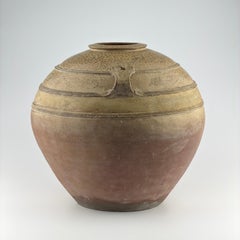
Large Yue Globular Stoneware Jar, Han Dynasty-Three Kingdoms

Large Yue Globular Stoneware Jar, Han Dynasty-Three Kingdoms

Located in seoul, KR

Robustly crafted with a voluminous spherical body and a layered mouth rim, this jar features a pair of taotie handles. It is adorned with three horizontal bands on the upper half of ...

Category

15th Century and Earlier East Asian Antique Han Furniture

Materials

Stoneware

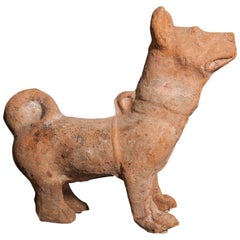
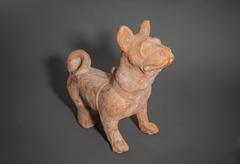
Chinese Han Dynasty Terracotta Fighting Dog

Chinese Han Dynasty Terracotta Fighting Dog

Located in Hudson, NY

Chinese Han Dynasty Terracotta Fighting Dog. During the Han Dynasty (206 BC to 220 AD), terracotta dogs were placed at a grave site in order to protec...

Category

15th Century and Earlier Chinese Antique Han Furniture
Materials

Terracotta

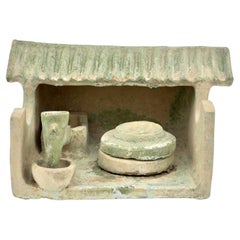
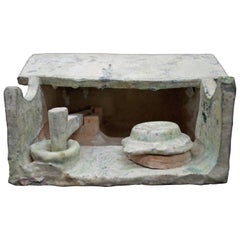
Milling Shed pottery with Green Glaze, Eastern Han Dynasty

Milling Shed pottery with Green Glaze, Eastern Han Dynasty

Located in seoul, KR

Made from the standard orange earthenware body of Han green glazed tomb models, this miniature milling station features a circular millstone and a foot...

Category

15th Century and Earlier Hong Kong Antique Han Furniture

Materials

Earthenware, Pottery

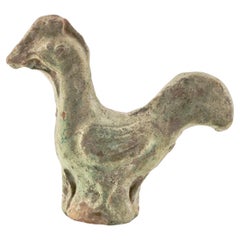
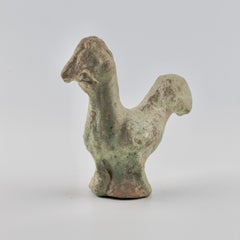
Green Glazed Pottery Figure of Rooster

Green Glazed Pottery Figure of Rooster

Located in seoul, KR

The head is rounded, with minimal detailing of the beak, eyes, and comb. The neck is thick and solid, seamlessly transitioning into the body, which appears sturdy and compact, giving...

Category

15th Century and Earlier Hong Kong Antique Han Furniture

Materials

Pottery

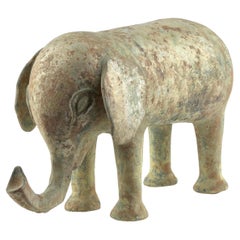
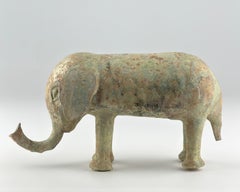
Green-Glazed Pottery Elephant, Han dynasty

Green-Glazed Pottery Elephant, Han dynasty

Located in seoul, KR

This green-glazed pottery elephant dates to the Han dynasty, a period in which representations of elephants in Chinese art were uncommon. Elephants, once present in parts of Central ...

Category

15th Century and Earlier East Asian Antique Han Furniture

Materials

Pottery

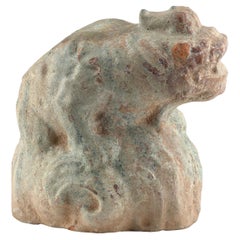
Green-glazed model of a Haitai, Han dynasty

Green-glazed model of a Haitai, Han dynasty

Located in seoul, KR

This Han Dynasty green-glazed Haitai sculpture, though worn over time, retains its dynamic form. Period : Han Dynasty (206 BC - 220 AD) Medium : Earthenware with Green glaze Provena...

Category

15th Century and Earlier East Asian Antique Han Furniture

Materials

Pottery

Late 19th Century Han Style Glazed Earthenware Vase

Late 19th Century Han Style Glazed Earthenware Vase

Located in Los Angeles, CA

Hand-thrown earthenware, glazed Han style vase.

Category

Late 19th Century Chinese Antique Han Furniture

Materials

Earthenware

Green-Glazed Pottery ‘Money Tree’ Base, Han Dynasty

Green-Glazed Pottery ‘Money Tree’ Base, Han Dynasty

Located in seoul, KR

This piece, directly referred to as a Money Tree, is a captivating work that embodies wishes for material prosperity. It takes center stage in the Asian collections of institutions s...

Category

15th Century and Earlier Hong Kong Antique Han Furniture

Materials

Earthenware, Pottery

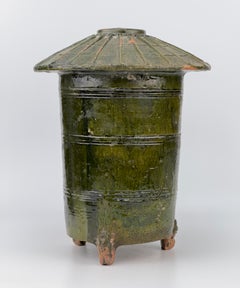
Funerary Model of a Granary, Han dynasty

Funerary Model of a Granary, Han dynasty

Located in seoul, KR

Cylindrical vessel on three animal-shaped feet (dragon or snake), wall with profile grooves, roof. Ceramic with green transparent glaze. "Iridescence" is observed in surface. Period...

Category

15th Century and Earlier Hong Kong Antique Han Furniture

Materials

Stoneware

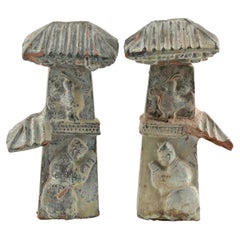
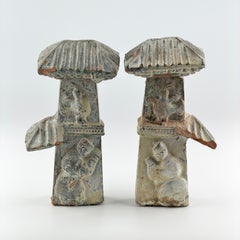
Gate Pillar, Han Dynasty(206BC-220AD)

Gate Pillar, Han Dynasty(206BC-220AD)

$5,187Sale Price / set|35% Off

Gate Pillar, Han Dynasty(206BC-220AD)

Located in seoul, KR

The Han Dynasty gate pillar held by the Asian Art Museum in San Francisco and this gate pillar are the only known examples of their type worldwide, highlighting its extraordinary rar...

Category

15th Century and Earlier East Asian Antique Han Furniture

Materials

Earthenware

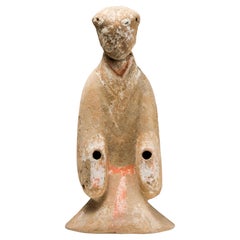
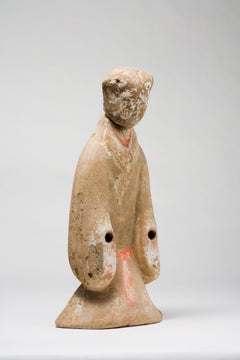
Large Pottery Standing Figure of Attendant

Large Pottery Standing Figure of Attendant

Located in seoul, KR

The statuette shows traces of the original red, black, and white pigmentation. The figure’s body, head, and hands (which in this case are lost) were all made separately to give her an essence of movement and dynamism. Given its almost identical shape to the piece from the Artemis Gallery...

Category

15th Century and Earlier Hong Kong Antique Han Furniture

Materials

Pottery

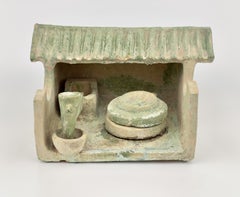
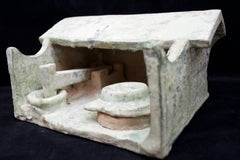
Eastern Han Dynasty Terracotta Barn Workshop, China '206BC - 220AD'  Ex-Museum

Eastern Han Dynasty Terracotta Barn Workshop, China '206BC - 220AD' Ex-Museum

Located in San Pedro Garza Garcia, Nuevo Leon

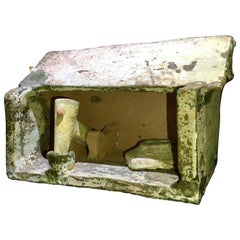
Slab pottery constructed barn workshop having a peaked roof – open walled form with a mechanical pounder and a large round covered storage container. Light blue-green mottled glazed surface with some iridescence patina to the glaze. Condition: Intact, excellent condition, an unusual example. Provenance: The Living Torah Museum, Brooklyn; ex. Sands of Time, 2002. Sculptural effigies of domesticated animals were often interred in the tombs of nobility and elite members of the social hierarchy. Models like this one were made to represent everything from simple goat or pig pens to the most elaborate towers and palaces. Because very few ancient Chinese buildings have survived intact, these models, along with descriptions from ancient texts, give a good representation of what the buildings might have looked like. This fantastic piece is accompanied by a Certificate of Authenticity. Burial figurines of graceful dancers, mystical beasts, and everyday objects reveal both how people in early China approached death and how they lived. Since people viewed the afterlife as an extension of worldly life, these figurines, called mingqi, sometimes referred as “spirit utensils” or “vessels of ghosts” disclose details of routine existence and provide insights into belief systems over a thousand-year period. For the first time in Chinese history, we have images of rural and daily life during the Han in the form of contemporary...

Category

15th Century and Earlier Chinese Antique Han Furniture
Materials

Terracotta

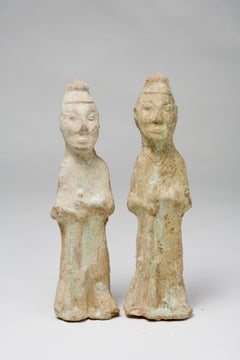
Two Green glazed Figures Holding Pitchpork

Two Green glazed Figures Holding Pitchpork

$1,930Sale Price / set|35% Off

Two Green glazed Figures Holding Pitchpork

Located in seoul, KR

Han dynasty pottery tomb figure, modelled standing holding a Pitchpork in front of his body, covered in a turquoise-green glaze. These two pieces are believed to have been produced i...

Category

15th Century and Earlier Hong Kong Antique Han Furniture

Materials

Pottery

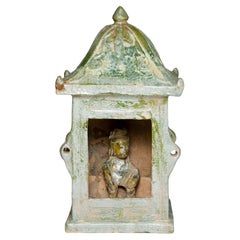
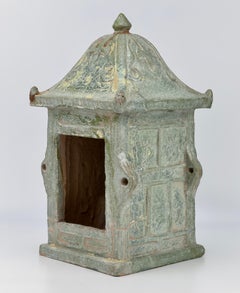
Green-glazed model of a shrine, Han dynasty

Green-glazed model of a shrine, Han dynasty

Located in seoul, KR

It has a pyramidal roof topped with a finial, ornamental ridges, and faux doors and windows that are characteristic of Chinese sacred architecture of the period. Period : Han Dynast...

Category

15th Century and Earlier Hong Kong Antique Han Furniture

Materials

Stoneware

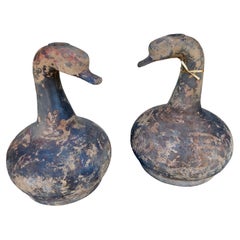
19th Century Terracotta Duck Form Sculptures

19th Century Terracotta Duck Form Sculptures

Located in Los Angeles, CA

Nice examples of Han Dynasty style terracotta duck bottles. No breaks. No chips. No repairs. Paint has worn over the years.

Category

Late 19th Century Chinese Antique Han Furniture

Materials

Terracotta, Paint

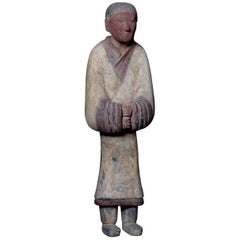
Elegant Han Dynasty Terracotta Warrior - China '206 BC - 220 AD'

Elegant Han Dynasty Terracotta Warrior - China '206 BC - 220 AD'

Located in San Pedro Garza Garcia, Nuevo Leon

Impressive terracotta warrior representing a banner bearer gripping a wooden staff with his hands (dematerialized through the ages); his gaze is ser...

Category

15th Century and Earlier Chinese Antique Han Furniture
Materials

Terracotta

Eastern Han Dynasty Terracotta Model of a Paper Mill , China '206BC - 220AD'

Eastern Han Dynasty Terracotta Model of a Paper Mill , China '206BC - 220AD'

Located in San Pedro Garza Garcia, Nuevo Leon

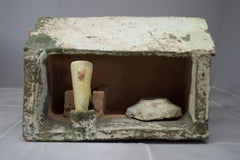
Slab pottery constructed Model of a Paper Mill, in Green and Cream Color Glazed Terracotta having a peaked roof – open walled form with a mechanical pounder and a large round storage container. Light blue-green mottled glazed surface with some iridescence patina to the glaze. The Iridescence is a refraction of the layers on the glass that produces multicolor hues & metallic luster, and only develops after one thousand years of being buried in the ground. An unquestionable mark of antiquity, impossible to falsify. Han Dynasty, dated 206 B.C-220 A.D. Condition: Excellent, wear commensurate with age, an unusual example. This fantastic piece is accompanied by a Certificate of Authenticity. Sculptural effigies of domesticated animals were often interred in the tombs of nobility and elite members of the social hierarchy. Models like this one were made to represent everything from simple goat or pig pens to the most elaborate towers and palaces. Because very few ancient Chinese buildings have survived intact, these models, along with descriptions from ancient texts, give a good representation of what the buildings might have looked like. Burial figurines of graceful dancers, mystical beasts, and everyday objects reveal both how people in early China approached death and how they lived. Since people viewed the afterlife as an extension of worldly life, these figurines, called mingqi, sometimes referred as “spirit utensils” or “vessels of ghosts” disclose details of routine existence and provide insights into belief systems over a thousand-year period. For the first time in Chinese history, we have images of rural and daily life during the Han in the form of contemporary records...

Category

15th Century and Earlier Chinese Antique Han Furniture
Materials

Terracotta

Han Dynasty Standing Horse Trainer “Palafrenieri”

Han Dynasty Standing Horse Trainer “Palafrenieri”

Located in San Pedro Garza Garcia, Nuevo Leon

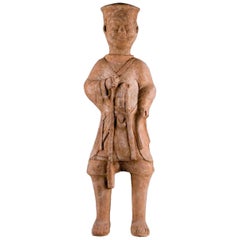
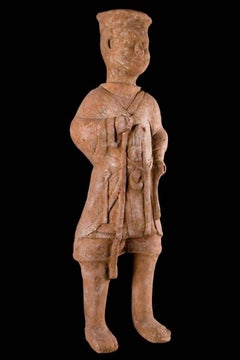
Huge hollow molded terracotta, standing male figure wearing a hip-length multi-layered robe with a collared neck. Implements suspended from his waist, holding a staff in his right ha...

Category

15th Century and Earlier Antique Han Furniture

Materials

Terracotta

Early 19th Century Hand-Crafted Green Ceramic Han Style Chinese Vase

Early 19th Century Hand-Crafted Green Ceramic Han Style Chinese Vase

Located in Alessandria, Piemonte

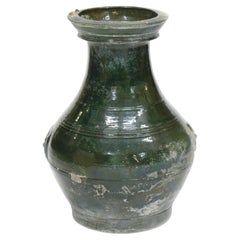
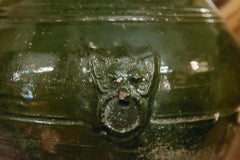
Han Style chinese vase, probably ancient though not verified by testing- it is strongly similar to period examples. It is made of green ceramic with masks in relief on two sides. re...

Category

Early 19th Century Chinese Antique Han Furniture
Materials

Ceramic

Han furniture for sale on 1stDibs.
Find a broad range of unique Han furniture for sale on 1stDibs. Many of these items were first offered in the 21st Century and Contemporary, but contemporary artisans have continued to produce works inspired by this style. If you’re looking to add vintage furniture created in this style to your space, the works available on 1stDibs include asian art and furniture, decorative objects, lighting and other home furnishings, frequently crafted with ceramic, terracotta and other materials. If you’re shopping for used Han furniture made in a specific country, there are Asia, East Asia, and China pieces for sale on 1stDibs. While there are many designers and brands associated with original furniture, popular names associated with this style include and Emile Gallé. It’s true that these talented designers have at times inspired knockoffs, but our experienced specialists have partnered with only top vetted sellers to offer authentic pieces that come with a buyer protection guarantee. Prices for furniture differ depending upon multiple factors, including designer, materials, construction methods, condition and provenance. On 1stDibs, the price for these items starts at $199 and tops out at $195,000 while the average work can sell for $4,800.