Meiji Furniture

MEIJI STYLE

From 1868 to 1912, Emperor Mutsuhito oversaw an era of transformation in Japan. Formerly a country of feudalism and isolation, Japan entered an age of modernization influenced by newly established trade and exchange with the West. The Meiji period, or period of “enlightened rule,” also saw the global impact of the East Asian country’s culture. Japanese Meiji furniture was exhibited at expositions from Paris to San Francisco and created for export.

Prior to the Meiji era, furniture was mostly made by commission for the ruling class; now there were new domestic and international markets. European styles like Japonisme appropriated Japanese design while craftsmen in places like Wales and England employed japanning, a varnishing technique that approximated the appearance of lacquer for the surfaces of furnishings.

Meiji furniture made for Japanese homes and buildings constructed in Western styles resulted in taller tables, chairs, cabinets with large drawers and other features. The government invested in areas such as transportation and communication, and because people could freely choose occupations after the restrictions of feudalism, industries of various types were energized by expressive new ideas during those years. Art schools were formed and, for the first time, design was an area of study in the country, leading to the evolution of professional design as a career by the 1890s.

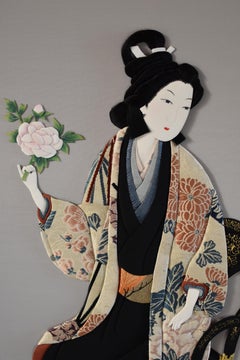
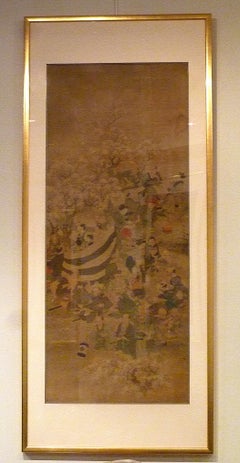
The work of Japanese designers was transmitted widely through lavishly illustrated pattern books that included designs for screens and lacquerware for the home. While screens today may be of use as decorative accents or partitions to ensure privacy in one’s space, Japanese screens were adorned with paintings and were featured in performing arts such as concerts, tea ceremonies and more. The color illustrations that characterize Meiji woodblock prints, a genre of Japanese art that grew out of 17th-century developments in printing and book publishing, depicted the sweeping changes that the era brought to East Asia.

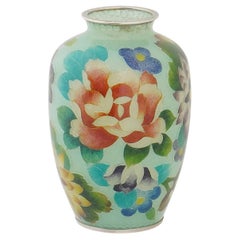
Although it was a time of societal and cultural shifts, a bolstered interest in art and design elevated Japanese craft traditions. From colorful porcelain table lamps with silk shades and hardwood tables decorated with dark lacquer to cabinets featuring iron hardware and inlaid with mother-of-pearl, Meiji furniture showcased Japan’s artistic heritage to the world.

Find a collection of antique Japanese Meiji period case pieces and storage cabinets, decorative objects, wall decorations and more furniture on 1stDibs.

to
282
1,122
614
2,025
369
3
202,102
119,462
45,386
35,003
17,136
12,566
11,554
10,931
10,156
9,100
7,526
7,008
6,874
6,733
6,731
6,076
4,847
3,836
19
1,408
598
372
461
30
4
78
14
4
6
2
1
1
1,204
943
731
458
370
2,330
2,314
2,278
32
12
2,397
2,375
2,378
20
20
17
16
9
Style: Meiji
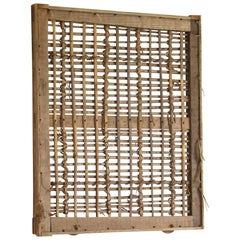
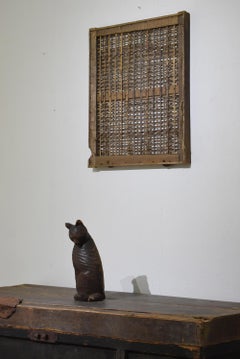
Japanese Antique Small Door Wall Decoration 1860s-1900s / Abstract Art Wabi Sabi

Japanese Antique Small Door Wall Decoration 1860s-1900s / Abstract Art Wabi Sabi

Located in Chōsei District Nagara, JP

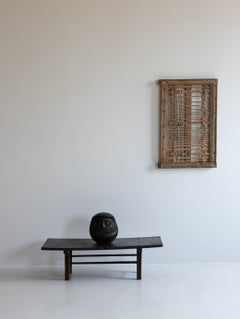
This is an old small window frame made in Japan. It was originally used as a traditional Japanese mud wall fixture. It dates back to the Meiji period (1860s-1900s) and has been in us...

Category

Early 20th Century Japanese Meiji Furniture

Materials

Bamboo, Cedar

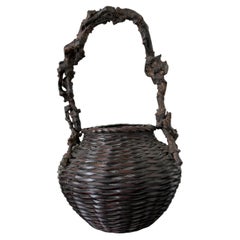
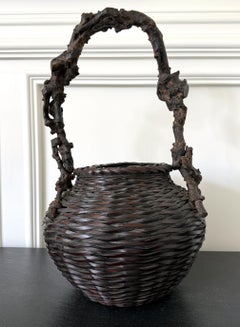
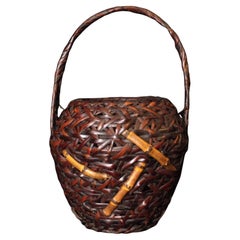
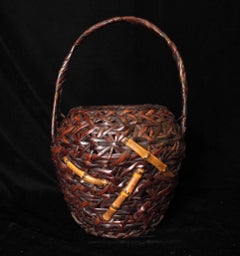
Large Antique Japanese Smoke Bamboo Basket Wisteria Root Handle Meiji Period

Large Antique Japanese Smoke Bamboo Basket Wisteria Root Handle Meiji Period

Located in Atlanta, GA

Large and robust in presence, this antique Japanese bamboo flower basket (ikebana) with tall handle is dated to the late 19th century toward the end of Meiji Period. The basket was w...

Category

Late 19th Century Japanese Antique Meiji Furniture

Materials

Bamboo, Rattan, Wood

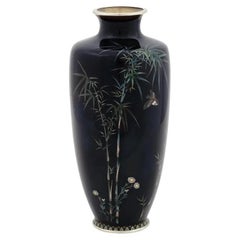
Antique Meiji Japanese Cloisonne Silver Wire Enamel Vases Birds in Bamboo

Antique Meiji Japanese Cloisonne Silver Wire Enamel Vases Birds in Bamboo

Located in Long Island City, NY

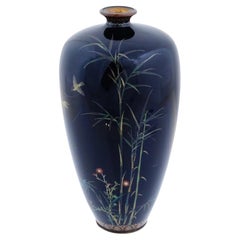
An antique Japanese, late Meiji period, silver wire enamel vase. The vase has an amphora shaped body and a fluted neck. The ware is enameled with a polychrome image of a pair of a sp...

Category

Late 19th Century Japanese Antique Meiji Furniture

Materials

Enamel

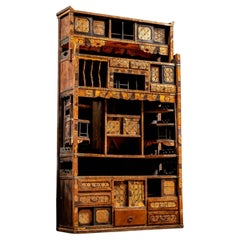
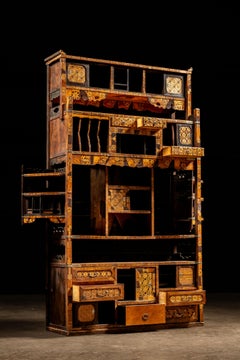
Early Meiji Period Japanese Elm Shadona Cabinet

Early Meiji Period Japanese Elm Shadona Cabinet

Located in Dekalb, IL

c. 1870s/1880s; Japan Late 19th century decorative keyaki (Japanese elm) cabinet. This ornate, pagoda-inspired piece dates to the early/middle Meiji period in Japan and is construc...

Category

1870s Japanese Antique Meiji Furniture

Materials

Elm

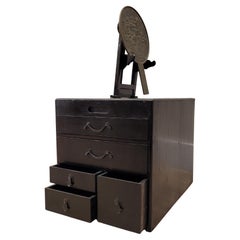
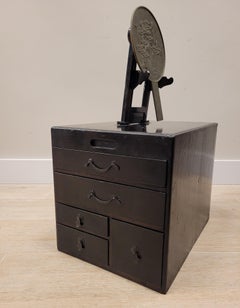
Japanese Meiji Dressing Stand with Mirror Black Lacquer

Japanese Meiji Dressing Stand with Mirror Black Lacquer

By Vintage Japanese Monochrome

Located in Valladolid, ES

Elegant and beautiful Dressing Table or it could be suitable for a jewellery box , Meiji Period ( 1868 - 1912 ). Executed with black lacquer, holding a bronze hand mirror ( ekagami) Configured with five smooth-running drawers of different Size. Two are equipped with slender "hirute"-shaped bail handles and three with decorative pull-rings. The front-and backside featuring oval grips for easy transport. Surmounted by a mirror frame in a shape reminiscent of a Shintô shrine torii-gate- a twin-posted framework with a triangular crossbar flared in upswept Chinese-style gable ( Karahafu) endings. Resting of the frame is the Japanese traditional handheld mirror with auspicious embossed design of wisteria ( fuji) and lovely patina. Inscription on the right. Considering its age the set is in a very good condition with some traces of usage and wear conform age. Dimensions: Dressing stand...

Category

1880s Dutch Antique Meiji Furniture

Materials

Bronze

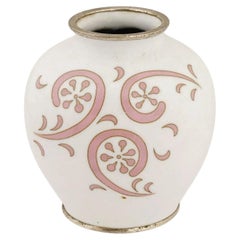
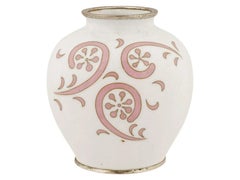
Japanese Cloisonne Enamel Vase Ando School Pink White Minimalist

Japanese Cloisonne Enamel Vase Ando School Pink White Minimalist

Located in Long Island City, NY

A refined Japanese cloisonné enamel vase attributed to the Ando school, dating to the late Meiji or early Taisho period, distinguished by its restrained aesthetic and elegant use of ...

Category

19th Century Japanese Antique Meiji Furniture

Materials

Enamel

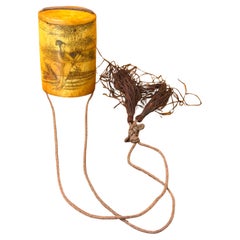
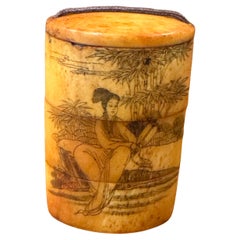
Japanese Scrimshaw Carved Bone Sectional Container (Inrō Style), Meiji Period

Japanese Scrimshaw Carved Bone Sectional Container (Inrō Style), Meiji Period

Located in San Diego, CA

A finely carved Japanese sectional container in the traditional inrō form, crafted from polished bone and decorated with detailed scrimshaw engravings. The cylindrical case is composed of multiple stacked compartments secured with a cord, originally intended to suspend from a sash or to store small personal items such as tobacco, medicine, or seals. #5232 The exterior is intricately engraved with elegant bijin (court ladies) depicted in a tranquil landscape setting with bamboo and natural scenery. The engraving continues seamlessly across the sectional bands, demonstrating the artisan’s skill and suggesting the decoration was completed after the components were assembled. The warm honey-colored patina of the bone combined with the finely incised line work reflects the style of decorative objects produced during the late Meiji period, when Japanese artisans created detailed carvings for both domestic use and the export market. This example remains fitted with its original suspension cord and displays a beautiful aged surface that enhances the engraved imagery. Dimensions: 1.75"W x 1.25"D x 2.75"H Circa: Late 19th to early 20th century (Meiji period, circa 1890–1910 Condition: Very good vintage condition with light age-related wear and patina consistent with age. Minor surface marks typical of bone carvings of this period. Cord intact. About Japanese Inrō Inrō were traditional Japanese containers...

Category

Early 20th Century Japanese Meiji Furniture

Materials

Bone

Antique Bronze Vase Cloisonné Japan Meiji 19th Century Japanese

Antique Bronze Vase Cloisonné Japan Meiji 19th Century Japanese

Located in Amsterdam, Noord Holland

Absolute top Quality vase with superb decoration of flowers Cloisonné is a way of enamelling an object, (typically made of copper) whereby fine wires are used to delineate the dec...

Category

19th Century Japanese Antique Meiji Furniture

Materials

Porcelain

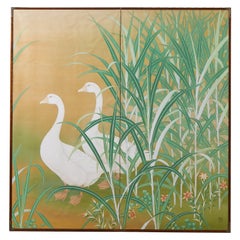
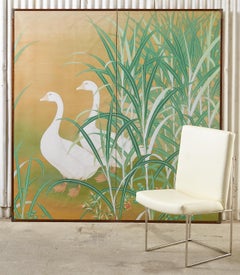
Japanese Meiji Two Panel Screen Geese and Reeds

Japanese Meiji Two Panel Screen Geese and Reeds

Located in Rio Vista, CA

Fantastic Japanese late Meiji period two-panel byobu screen by Hashimoto Koshu. The large screen features two white geese amid brightly colored reeds. The symbolism of geese and reeds was introduced to Japan from China in the 13th century. This was a popular subject for Japanese zen artists of the period. Beautifully crafted with exceptional brush strokes and details. Made with natural pigments in dramatic vivid colors of white, pink, and mint green on a silk background of gilt. Circa 1900 with artist seal on bottom right corner. Koshu studied Western art under...

Category

20th Century Japanese Meiji Furniture

Materials

Silk, Wood, Paper

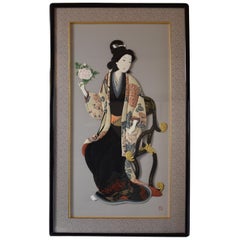
Japanese Contemporary Framed Brocade Silk Handcrafted Oshie Decorative Art, 2

Japanese Contemporary Framed Brocade Silk Handcrafted Oshie Decorative Art, 2

Located in Takarazuka, JP

Extraordinary unique Japanese Contemporary large framed and signed traditional Oshie decorative art piece in black and cream, known as oshie (literally, “pressed pictures”) that goes back to the Edo Period (1603-1868). It is said this art form was born of the reluctance of ladies of the court and elite aristrocratic women to discard the magnificent silk kimonos and brocaded obi they had donned for a lifetime. The solution was to recycle these opulent fabrics into stunning works of art. The creator of this signed piece prides herself in using the best antique and vintage kimono and obi fabrics...

Category

21st Century and Contemporary Japanese Meiji Furniture

Materials

Brocade, Silk

Antique Japanese Meiji plique-à-jour enamel vase

Antique Japanese Meiji plique-à-jour enamel vase

Located in Long Island City, NY

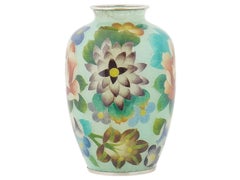
An antique Japanese glass vase executed in the Shotai Shippo technique, a Japanese type of plique-a-jour enamel. Late Meiji era, before 1912. Stylized floating chrysanthemum blossoms...
Category

Late 19th Century Japanese Antique Meiji Furniture

Materials

Enamel

18 inch Large Antique Meiji Japanese Cloisonne Enamel Charger Naturalistic Crane

18 inch Large Antique Meiji Japanese Cloisonne Enamel Charger Naturalistic Crane

Located in Long Island City, NY

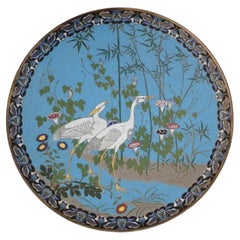
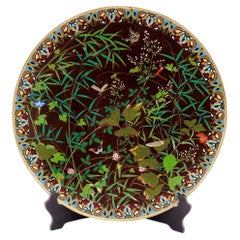
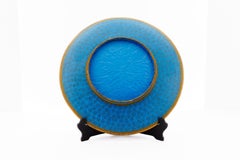
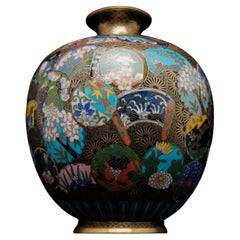
An extra large antique Japanese Meiji era enamel over brass charger plate. The plate is enameled with a polychrome image of naturalistic cranes in blossoming flowers and trees on blu...
Category

Late 19th Century Japanese Antique Meiji Furniture

Materials

Brass

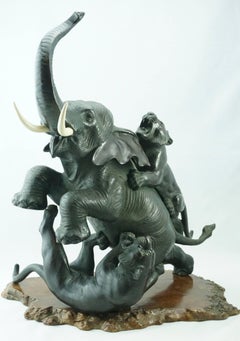
Japanese Meiji Genryusai Seiya Bronze Elephant and Tigers

Japanese Meiji Genryusai Seiya Bronze Elephant and Tigers

Located in Dallas, TX

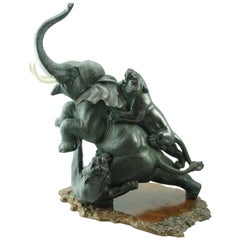
Japanese Meiji Genryusai Seiya bronze elephant and tigers, circa 1890. This moving and detailed bronze grouping depicts a savage attack by two viscous...

Category

1890s Japanese Antique Meiji Furniture

Materials

Bronze

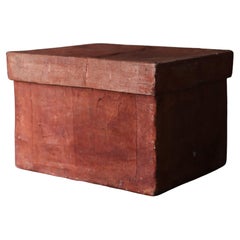
Japanese Antique Paper-covered Box 1900s-1920s / Kakishibu

Japanese Antique Paper-covered Box 1900s-1920s / Kakishibu

Located in Sammu-shi, Chiba

This is a very old storage box covered in washi paper. It was made in the Meiji period (1900s-1920s). The old washi paper is painted with persimmon tannins. Painting with persimmon ...

Category

Early 1900s Japanese Antique Meiji Furniture

Materials

Paper

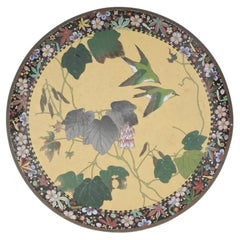
Large Antique Japanese Meiji Cloisonne Plate 1900

Large Antique Japanese Meiji Cloisonne Plate 1900

Located in Long Island City, NY

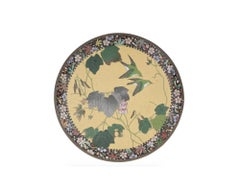
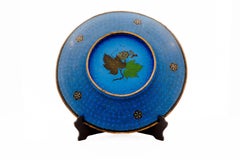
A large antique Japanese Meiji period cloisonne enamel metal charger plate depicting a multicolored picture of two birds hovering over graceful acacia branches on a pale yellow ground. Features a highly detailed polychrome border depicting cherry blossoms and red maple leaves and other floral motifs on a black ground. The backside is adorned with a swirl wavy motif made in the cloisonne technique and has a border decorated with stylized geometric patterns. Circa the late 19th or early 20th century. Antique Japanese Plates...

Category

Late 19th Century Japanese Antique Meiji Furniture

Materials

Enamel

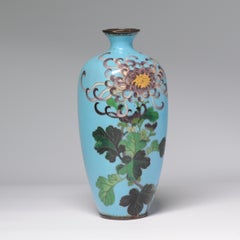
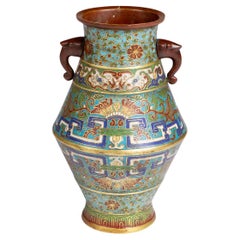
Meiji Period Japanese Cloisonné Vase with Polychrome Enamel

Meiji Period Japanese Cloisonné Vase with Polychrome Enamel

Located in Kastrup, DK

Japanese cloisonné vase from the Meiji period. Brass body decorated with polychrome enamel in blue, green, white and iron red on a turquoise ground. Ornamented with floral and foliat...

Category

Late 19th Century Japanese Antique Meiji Furniture

Materials

Brass, Enamel

Japanese Antique Iron Plate Door 1860s-1900s / Low Table Sofa Table Wabi Sabi

Japanese Antique Iron Plate Door 1860s-1900s / Low Table Sofa Table Wabi Sabi

Located in Chōsei District Nagara, JP

This is an iron plate sliding door made in Japan. It is a rare door made in the Meiji period (1860s-1900s), and the craftsmanship of the time still lives on today. The structure is m...

Category

Early 20th Century Japanese Meiji Furniture

Materials

Iron

Japanese Meiji Bronze Shishi Shi Shi Lion Chinese Foo Dog Sculpture Statue

Japanese Meiji Bronze Shishi Shi Shi Lion Chinese Foo Dog Sculpture Statue

Located in Studio City, CA

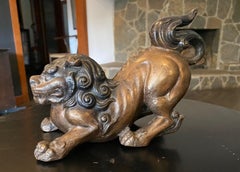
A gorgeous Meiji Period (1868-1912) Japanese bronze Shishi (Shi Shi) guardian lion (Chinese Foo Dog) sculpture. This work has a wonderful feel and beautiful aged patina. Shishi l...

Category

Mid-19th Century Japanese Antique Meiji Furniture

Materials

Bronze

Japanese Antique Door "Wall Decoration" 1860s-1900s / Abstract Art Wabi Sabi

Japanese Antique Door "Wall Decoration" 1860s-1900s / Abstract Art Wabi Sabi

Located in Sammu-shi, Chiba

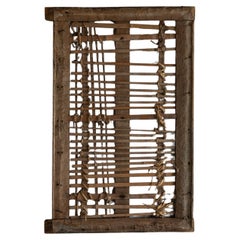
This was a very old Japanese warehouse (kura) window sliding door. It was made during the Meiji period (1860s-1900s). The frame is made of cedar wood and the lattice is bamboo. It w...

Category

Early 20th Century Japanese Meiji Furniture

Materials

Bamboo, Cedar

High Quality Antique Meiji Japanese Cloisonne Enamel Gold Stone Charger Plate Bu

High Quality Antique Meiji Japanese Cloisonne Enamel Gold Stone Charger Plate Bu

Located in Long Island City, NY

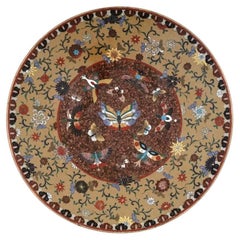
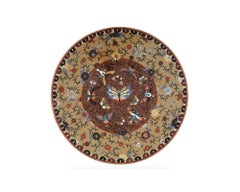
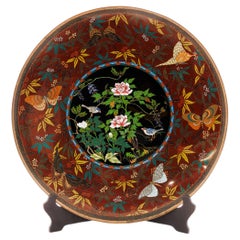
High Quality Antique Meiji Japanese Cloisonne Enamel Gold Stone Charger Plate Butterflies A high quality Japanese, enamel charger or plate. The plate is adorned with polychrome imag...

Category

Late 19th Century Japanese Antique Meiji Furniture

Materials

Enamel

Japanese Meiji Eight Panel Screen Village Landscape with Figures

Japanese Meiji Eight Panel Screen Village Landscape with Figures

Located in Rio Vista, CA

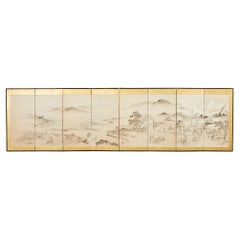
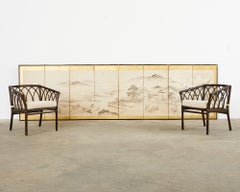
Large 19th century Japanese Meiji period eight panel byobu screen featuring a panoramic village landscape. The serene painting depicts agricultural scenes with villagers engaged in p...

Category

19th Century Japanese Antique Meiji Furniture

Materials

Gold Leaf

Japanese Contemporary Blue White Porcelain Charger by Master Artist, 3

Japanese Contemporary Blue White Porcelain Charger by Master Artist, 3

Located in Takarazuka, JP

Extraordinary large Japanese contemporary museum-quality decorative porcelain charger in blue underglaze, extremely intricately hand painted, a stunning masterpiece by widely acclaim...

Category

21st Century and Contemporary Japanese Meiji Furniture

Materials

Porcelain

19th Century Japanese Meiju Period Chestnut Tansu Chest with Hand-forged iron

19th Century Japanese Meiju Period Chestnut Tansu Chest with Hand-forged iron

Located in Wainscott, NY

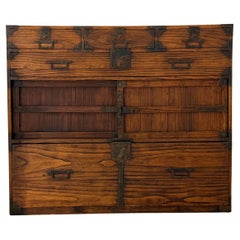
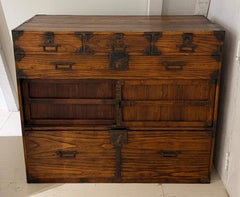
An authentic 19th Century Japanese tansu chest from the Meiji period (circa late 1800's), exemplifying the refined utility and craftsmanship that define traditional Japanese storage ...

Category

19th Century Japanese Antique Meiji Furniture

Materials

Iron

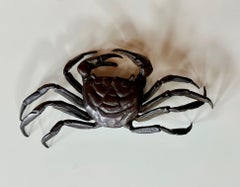
Japanese Bronze Articulated Crab Okimono Meiji by Yasunosuke Ryubundo VI

Japanese Bronze Articulated Crab Okimono Meiji by Yasunosuke Ryubundo VI

Located in Atlanta, GA

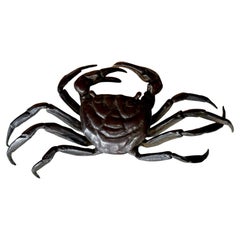
Antique Japanese Jizai okimono in the form of crab in cast bronze made by Ryubundo Yasunosuke VI (1840-1921), a sixth generation of the Yasunosuke family active in Meiji and Taisho p...

Category

19th Century Japanese Antique Meiji Furniture

Materials

Bronze

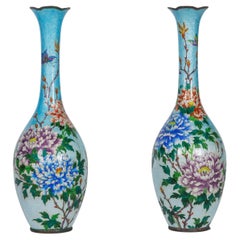
An Exquisite & Large Pair of Late Meiji Japanese Ginbari Cloisonne Enamel Vases

An Exquisite & Large Pair of Late Meiji Japanese Ginbari Cloisonne Enamel Vases

Located in Long Island City, NY, NY

An Exquisite and Large Pair of Late Meiji Japanese Ginbari Cloisonné Enamel Vases with Peonies and Butterflies This stunning pair of vases, crafted during the late Meiji period (186...

Category

Late 19th Century Japanese Antique Meiji Furniture

Materials

Enamel

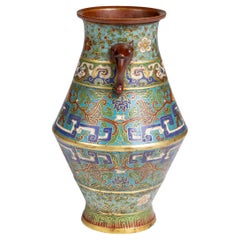
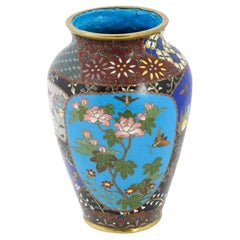
Antique Meiji Period Japanese Cloisonne Enamel Vase with Geometric Patterns Gard

Antique Meiji Period Japanese Cloisonne Enamel Vase with Geometric Patterns Gard

Located in Long Island City, NY

An antique Japanese Meiji period cloisonne vase featuring intricate foliage motifs complemented by two exquisite floral panels. The meticulous craftsmanship in depicting foliage patt...

Category

Late 19th Century Japanese Antique Meiji Furniture

Materials

Enamel

Antique Japanese Meiji Goldstone Cloisonne Enamel Vase

Antique Japanese Meiji Goldstone Cloisonne Enamel Vase

Located in Long Island City, NY

An antique Japanese, late Meiji Era, enamel over brass vase. Circa: early 20th century. The amphora shaped vase is enameled with a polychrome image of a dragon made in the Cloisonne ...

Category

Early 20th Century Japanese Meiji Furniture

Materials

Enamel, Brass

Lovely Modern Porcelain Art Japanese or Chinese porcelain PROC Vase 20th/21st

Lovely Modern Porcelain Art Japanese or Chinese porcelain PROC Vase 20th/21st

Located in Amsterdam, Noord Holland

Fabulous japanese earthenware Satsuma Vase of great shape and scene. Taizan Yohei style. Meiji Period It was made into a lamp, there is a hole in the base, a cork in the neck and a b...

Category

19th Century Antique Meiji Furniture

Materials

Porcelain

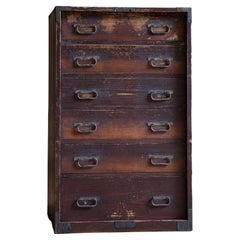
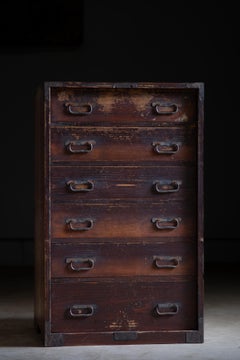
1860s-1910s Meiji Japanese antique wabi sabi Urushi mid Tansu chest of drawers

1860s-1910s Meiji Japanese antique wabi sabi Urushi mid Tansu chest of drawers

Located in 常陸大宮市, JP

From Kanto or Tohoku area, Japan. This mid tall size, Urushi lacquered Tansu chest of drawers is a product of Meiji era (circa 1860s - 1910s) , estimate from the style & conditions....

Category

Late 19th Century Japanese Antique Meiji Furniture

Materials

Wood

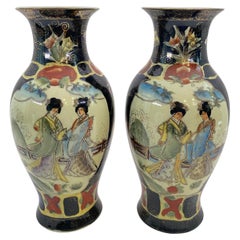
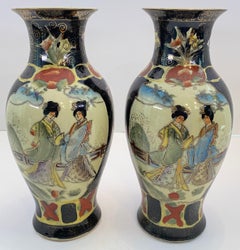
Pair Japanese Satsuma Style Porcelain Vases, Hand-Painted Court Ladies, Meiji

Pair Japanese Satsuma Style Porcelain Vases, Hand-Painted Court Ladies, Meiji

Located in Miami, FL

Pair Japanese Satsuma Style Porcelain Vases, Hand-Painted Court Ladies, Meiji-Taisho Gilt Decoration A finely decorated pair of Japanese Satsuma-style porcelain vases, hand-painted ...

Category

Early 20th Century Japanese Meiji Furniture

Materials

Porcelain

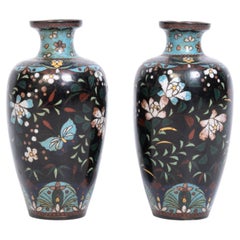
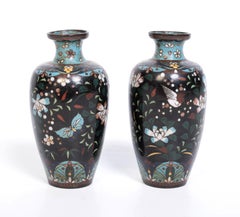
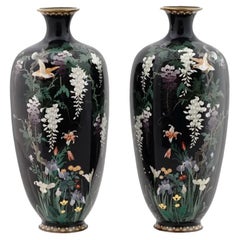
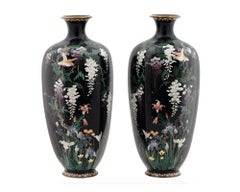
Pair of Antique Japanese Meiji Period Cloisonné Vases, C.1870

Pair of Antique Japanese Meiji Period Cloisonné Vases, C.1870

Located in London, GB

Pair of Antique Japanese Meiji Period Cloisonné Vases, C.1870 A well-matched pair of Japanese cloisonné enamel vases of classic Meiji form. Ovoid baluster profile rising to a waist...

Category

19th Century Japanese Antique Meiji Furniture

Materials

Brass, Copper, Enamel

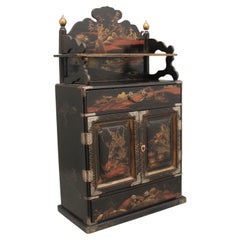
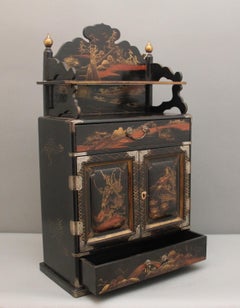
19th Century black lacquered and painted table cabinet

19th Century black lacquered and painted table cabinet

Located in Martlesham, GB

19th Century freestanding Japanese black lacquered and painted table top cabinet from the Meiji period (1868-1912) The cabinet throughout depicting Japanese countryside scenes, vario...

Category

1880s Japanese Antique Meiji Furniture

Materials

Wood

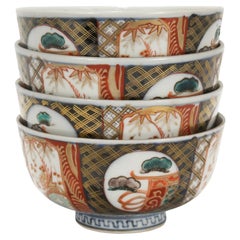
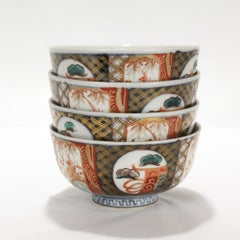
4 Old or Antique Signed Kakufuku Japanese Kaikemon Imari Porcelain Rice Bowls

4 Old or Antique Signed Kakufuku Japanese Kaikemon Imari Porcelain Rice Bowls

By Sakaida Kakiemon Xii

Located in Philadelphia, PA

A fine set of 4 Japanese Imari porcelain bowls Each decorated throughout with kaikemon blue, red, and green natural scenes and extensive gilding. Marked to the base with a blue underglaze maker's mark for Kakufuku. Simply a fine set of Japanese rice bowls...

Category

20th Century Japanese Meiji Furniture

Materials

Porcelain

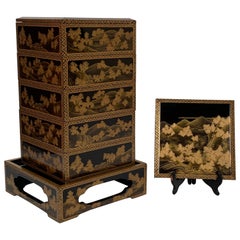
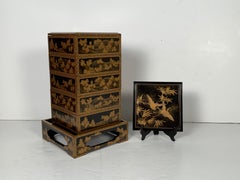
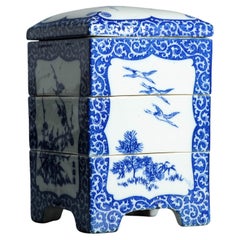
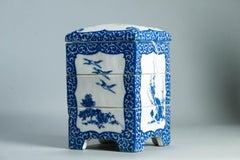
Japanese Maki-e Lacquer Stacking Box, Jubako, Meiji Period, Japan

Japanese Maki-e Lacquer Stacking Box, Jubako, Meiji Period, Japan

Located in Austin, TX

A fine and impressive Japanese gold maki-e decorated black lacquer five-tier jubako with presentation tray, two lids, and the original tomobako storage box, Meiji period, late 19th c...

Category

Late 19th Century Japanese Antique Meiji Furniture

Materials

Lacquer

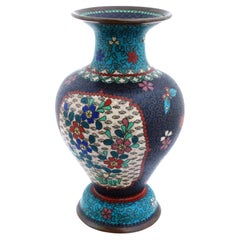
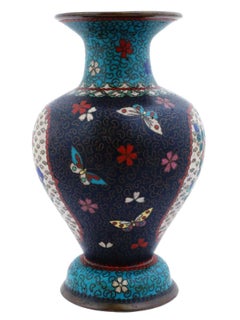
Antique Early Meiji Japanese Cloisonne Enamel Floral Cloud Vase

Antique Early Meiji Japanese Cloisonne Enamel Floral Cloud Vase

Located in Long Island City, NY

An antique Japanese Meiji period cloisonne enamel vase with floral motifs and butterflies on a white and dark blue ground featuring a fine and collectible piece of Japanese artistry....

Category

19th Century Japanese Antique Meiji Furniture

Materials

Enamel

Beautiful Japanese Ikebana Bamboo Basket, Early 20th Century

Beautiful Japanese Ikebana Bamboo Basket, Early 20th Century

Located in Fukuoka, JP

This elegant Japanese ikebana basket dates to the early 20th century and exemplifies the refined craftsmanship of traditional bamboo work. The basket displays a well-balanced form an...

Category

Early 20th Century Japanese Meiji Furniture

Materials

Bamboo

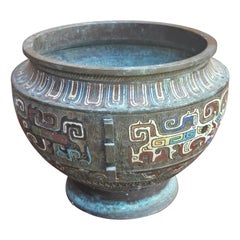
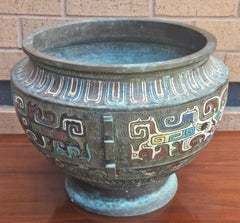
Japanese Meiji Zoomorphic Champleve Enameled Bronze Jardiniere, Circa 1870s

Japanese Meiji Zoomorphic Champleve Enameled Bronze Jardiniere, Circa 1870s

Located in Germantown, MD

A large mid 19th century Japanese Meiji Zoomorphic Champleve Enameled Bronze Jardiniere, Circa 1870s. Measures 14" in width, 14" in depth and stands 11" tall.

Category

19th Century Japanese Antique Meiji Furniture

Materials

Bronze

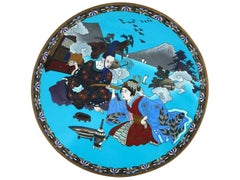
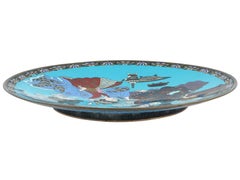
Rare Antique Meiji Japanese Cloisonne Enamel Charger With Figures 12 Inches

Rare Antique Meiji Japanese Cloisonne Enamel Charger With Figures 12 Inches

Located in Long Island City, NY

An antique Japanese copper serving plate with polychrome cloisonne enamel design. Meiji period, ca. 1880s. Round footed piece. Turquoise blue ground color. The plate depicts a samura...

Category

Late 19th Century Japanese Antique Meiji Furniture

Materials

Enamel, Copper

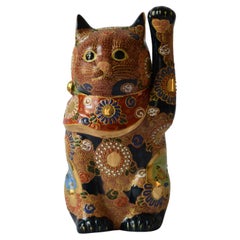
Japanese Contemporary Red Blue Green Gold Porcelain Lucky Cat Sculpture, 2

Japanese Contemporary Red Blue Green Gold Porcelain Lucky Cat Sculpture, 2

Located in Takarazuka, JP

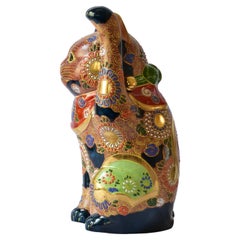
Exquisite Japanese Contemporary porcelain beckoning cat, a uniquely and intricately gilded and hand painted porcelain sculpture from the Kutani region of Japan. The cat raising his left paw is adorned with multiple golden medallions and is covered with raised loops characteristic of the Kutani “mori” style. While the origins of the Japanese beckoning cat are unclear, contemporary woodblock prints show they were being widely sold as good luck charms by the 1850s. The beckoning cat comes in two varieties. The more common right-handed beckoning cat (with right paw raised) is said to bring money and wealth to its owner, and are to this day frequently seen in shops and restaurants in Japan. The less common left-handed cat is said to be inviting friends and acquaintances to hearth and home. The “mori” style refers to raised loops and other decorative motifs applied by squeezing a tube of slip onto the body of the cat much like applying frosting to a cake. The cat boasts the traditional Kutani colors of bright green, red and yellow presented against an dark blue background, and is generously accentuated with gold. The red kerchief with a knotted amulet in the back and two bells on the side also identify this as a traditional Kutani piece, as do the perked ears turned outward. A stamp indicating it is produced in Kutani region of Japan appears at reverse side of this beckoning cat scultures...

Category

21st Century and Contemporary Japanese Meiji Furniture

Materials

Gold

Late 19th Century Meiji Period Japanese Imari Plate

Late 19th Century Meiji Period Japanese Imari Plate

By Imari Porcelain

Located in Chapel Hill, NC

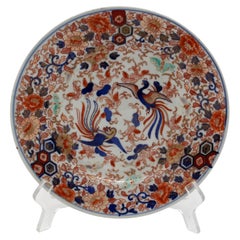
Late 19th century Meiji period Japanese Imari Plate. Extravagantly decorated with butterflies, floral & geometric motifs surrounding elegant Phoenix birds in flight. Blue underglaze ...

Category

Late 19th Century Japanese Antique Meiji Furniture

Materials

Porcelain

1860s-1920s Japanese antique Black urushi Tansu chest of drawers wabi sabi

1860s-1920s Japanese antique Black urushi Tansu chest of drawers wabi sabi

Located in 常陸大宮市, JP

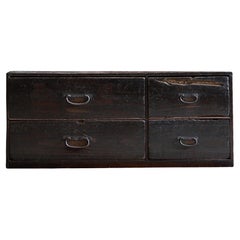
Antique mid-size tansu with 4 drawers - product of Meiji to Taisho period (estimate 1868-1926). Made with traditional woodworking jointly without metal fastener. Finished with blac...

Category

Late 19th Century Japanese Antique Meiji Furniture

Materials

Cedar, Wood

Japanese Meiji Cloisonne Vase

Japanese Meiji Cloisonne Vase

Located in Sarasota, FL

Japanese Meiji finely decorated cloisonne vase. Multiple designs within different cartouches. Unmarked

Category

1890s Japanese Antique Meiji Furniture

Materials

Copper

Kichizaemon Raku Seinyu XIII "13th" Signed Antique Japanese Raku Chawan Tea Bowl

Kichizaemon Raku Seinyu XIII "13th" Signed Antique Japanese Raku Chawan Tea Bowl

Located in Studio City, CA

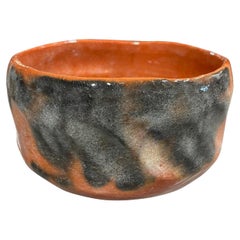
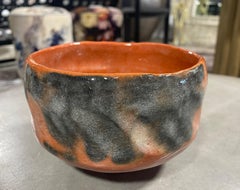
A wonderfully glazed, impeccably made Chawan tea bowl by famed Japanese master potter the 13th Kichizaemon Raku, Seinyu (1887-1944) who was the eldest son of Konyu - the 12th Kichizaemon of the Raku family line of potters - known as the most noted and celebrated tradition of pottery within the world of Japanese tea. Kichizaemon Raku was the 13th master to carry on the family's esteemed name and tradition. The bowl features shifting textures and deep, rich colours which radiate in the light. The term "Raku" was derived from the site where clay was dug in Kyoto in the late 16th century. The Kanji character for Raku translates to "enjoyment" or "fun/delightful" For 15 generations it has been the title and seal used by a lineage of potters whose work formed the central tradition in Japan. This lineage believes that 'Raku' refers to the potters who use the technique, not the technique itself. In the 16th century, the first of these potters, Chojiro is said to have come under the patronage of the Japanese tea master, Sen-No-Rikyu. According to legend, in 1598 a few years after Chojiro's death, ruler, Hideyoshi Toyotomi bestowed upon his adopted son, Jokei, a golden seal with the written symbol "Raku." Both the name and the ceramic style have been passed down through the family to the present ever since. The name and the style of ware have become influential in both Japanese culture and literature. Raku ware marked an important point in the historical development of Japanese ceramics, as it was the first ware to use a seal mark and the first to focus on close collaboration between potter and patron. Other famous Japanese clay artists...

Category

Early 20th Century Japanese Meiji Furniture

Materials

Ceramic

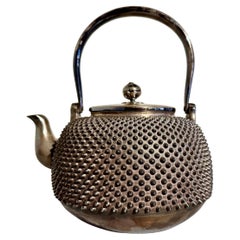
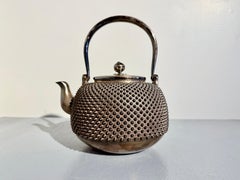
Japanese Jugin Fine Silver Studded Hobnail Teapot, Meiji Period, c 1900, Japan

Japanese Jugin Fine Silver Studded Hobnail Teapot, Meiji Period, c 1900, Japan

Located in Austin, TX

A large and fine Japanese pure silver (99%) "hobnail" tetsubin style teapot, late Meiji Period, circa 1900, Japan. The beautifully executed teapot of kettle form, featuring a stunni...

Category

Early 1900s Japanese Antique Meiji Furniture

Materials

Sterling Silver, Silver

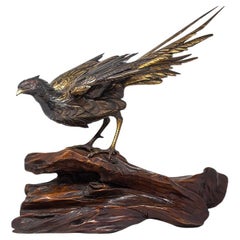
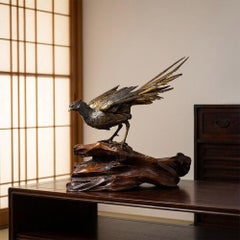
Japanese Antique Bronze Pheasant Okimono by Genryusai Seiya Meiji Period

Japanese Antique Bronze Pheasant Okimono by Genryusai Seiya Meiji Period

Located in Newark, England

FREE WORLDWIDE SHIPPING This Japanese bronze okimono of a pheasant by Genryusai Seiya is a dynamic Meiji period sculpture dating to circa 1890. Cast in bronze with gilt and patinate...

Category

Late 19th Century Japanese Antique Meiji Furniture

Materials

Bronze

Monumental Pair of Meiji Japanese Cloisonne Enamel Dragons on Black Enamel Vases

Monumental Pair of Meiji Japanese Cloisonne Enamel Dragons on Black Enamel Vases

Located in Long Island City, NY

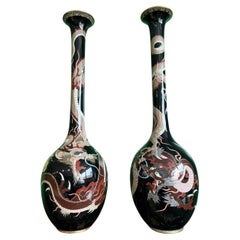
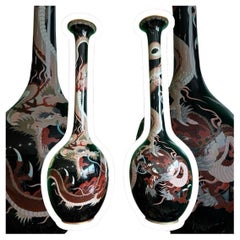
An exceptional and visually commanding pair of Japanese cloisonné enamel vases, distinguished by their rare and monumental scale, each standing an impressive 25 inches tall. Executed...

Category

Late 19th Century Japanese Antique Meiji Furniture

Materials

Enamel

Antique Meiji/Taisho 19/20th c Okimono Bronze Japanese Statue Happy Buddha

Antique Meiji/Taisho 19/20th c Okimono Bronze Japanese Statue Happy Buddha

Located in Amsterdam, Noord Holland

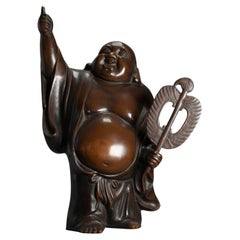
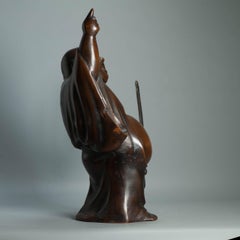
Description Nicely made large Statue Condition Good condition. Size: approx. 47CM high and 40CM wide Period 19th century

Category

Early 20th Century Japanese Meiji Furniture

Materials

Bronze

Antique Meiji Japanese Cloisonne Red Enamel Silver Wire Kogo Box

Antique Meiji Japanese Cloisonne Red Enamel Silver Wire Kogo Box

Located in Long Island City, NY

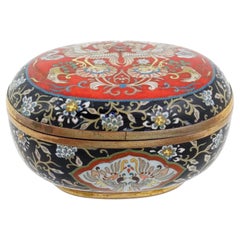
An antique Japanese silver wire enamel Kogo box for incense. Early Meiji period. The oval shaped box is covered with polychrome medallions representing a pair of Phoenix birds and fl...

Category

Late 19th Century Japanese Antique Meiji Furniture

Materials

Enamel

Antique Meiji 19th C Japanese Jubako Ikegawa Ware Tea Ceremony Box Japan

Antique Meiji 19th C Japanese Jubako Ikegawa Ware Tea Ceremony Box Japan

Located in Amsterdam, Noord Holland

Description A lovely piece Condition Perfect. 20x13x13cm Period 19th century Meiji Periode (1867-1912)

Category

19th Century Japanese Antique Meiji Furniture

Materials

Porcelain

Fine Japanese Cloisonné Enamel Charger Peonies Birds Butterflies Goto Seizaburō

Fine Japanese Cloisonné Enamel Charger Peonies Birds Butterflies Goto Seizaburō

Located in Long Island City, NY, NY

An exceptional and highly refined Japanese cloisonne enamel charger from the Meiji period, attributed to the workshop of Gotō Seizaburō, among the most accomplished and artistically ...

Category

19th Century Japanese Antique Meiji Furniture

Materials

Copper, Enamel

Fine Meiji Cloisonné Enamel Charger Bamboo and Insects Attributed, Goto

Fine Meiji Cloisonné Enamel Charger Bamboo and Insects Attributed, Goto

Located in Long Island City, NY, NY

A refined and highly decorative Japanese cloisonné enamel charger from the Meiji period, attributed to the workshop of Gotō Seizaburō—an artist associated with some of the most sophi...

Category

19th Century Japanese Antique Meiji Furniture

Materials

Copper, Enamel

Meiji furniture for sale on 1stDibs.

Find a broad range of unique Meiji furniture for sale on 1stDibs. Many of these items were first offered in the 21st Century and Contemporary, but contemporary artisans have continued to produce works inspired by this style. If you’re looking to add vintage furniture created in this style to your space, the works available on 1stDibs include asian art and furniture, decorative objects, serveware, ceramics, silver and glass and other home furnishings, frequently crafted with metal, ceramic and other materials. If you’re shopping for used Meiji furniture made in a specific country, there are Asia, East Asia, and Japan pieces for sale on 1stDibs. While there are many designers and brands associated with original furniture, popular names associated with this style include Satsuma, Kinkozan, Ando Jubei, and Makuzu Kozan. It’s true that these talented designers have at times inspired knockoffs, but our experienced specialists have partnered with only top vetted sellers to offer authentic pieces that come with a buyer protection guarantee. Prices for furniture differ depending upon multiple factors, including designer, materials, construction methods, condition and provenance. On 1stDibs, the price for these items starts at $65 and tops out at $190,804 while the average work can sell for $2,112.