Carved Decorative Art

to
91
293
169
443
32
7
Height
to
Width
to
34
29
18
18
17
16
12
9
9
8
8
7
5
4
4
3
3
2
98
178
167
39
53
58
27
9
2
2
6
3
9
7
8
1
3
411
105
103
79
64
337
104
95
57
39
482
461
468
12
5
4
4
3
Technique: Carved
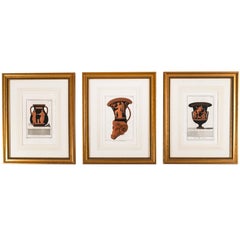
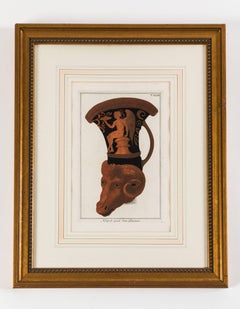
Set of Three Framed Prints Depicting Greek Apulian Red-Figure Pottery

Set of Three Framed Prints Depicting Greek Apulian Red-Figure Pottery

Located in Palm Desert, CA

Set of three framed prints depicting Greek glassical red-figure pottery. Left print: Marked: T.XV. - "In Miis. Vaticano - Depicting Apulian Red-Figure bell krater...

Category

Late 19th Century Italian Classical Roman Antique Carved Decorative Art

Materials

Wood, Paper

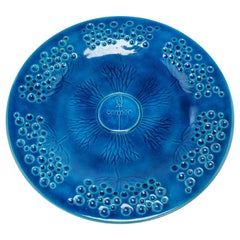
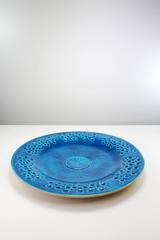
Kähler Handmade Turquoise Centerpiece, Mid-Century Modern, 1950s

Kähler Handmade Turquoise Centerpiece, Mid-Century Modern, 1950s

By Kähler

Located in Copenhagen, DK

Stunning Danish midcentury modern Kähler handmade centrepiece, decorative dish or wall decoration with glossy organic floral patterns and turquoise glaze - Kähler's signature color. ...

Category

Mid-20th Century Danish Mid-Century Modern Carved Decorative Art

Materials

Stoneware, Pottery, Ceramic

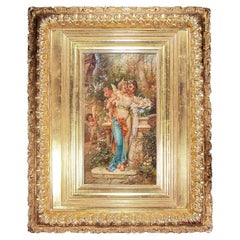
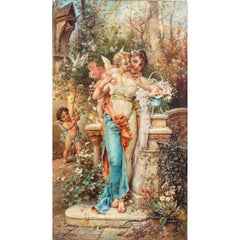
Hans Zatzka, Austrian Oil on Canvas Titled "Spring Love" Maiden with Cherubs"

Hans Zatzka, Austrian Oil on Canvas Titled "Spring Love" Maiden with Cherubs"

By Hans Zatzka

Located in Los Angeles, CA

Hans Zatzka (Austrian, 1859-1945) a superb quality oil on canvas titled "Spring Love" depicting a standing young maiden holding a wicker basket filled with fresh flower as she is bei...

Category

1880s Austrian Belle Époque Antique Carved Decorative Art

Materials

Wood, Giltwood

Awesome Shape & Extra Large Pair of Midcentury Made White Alabaster Wall Sconces

Awesome Shape & Extra Large Pair of Midcentury Made White Alabaster Wall Sconces

Located in Lisse, NL

Stunning, 'geometrically-circular' layered and timeless Art Deco style wall sconces. If you are looking for a stylish and timeless way to bring light into your entry hall, bathroom,...

Category

Mid-20th Century European Art Deco Carved Decorative Art

Materials

Alabaster, Iron

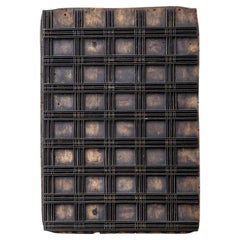
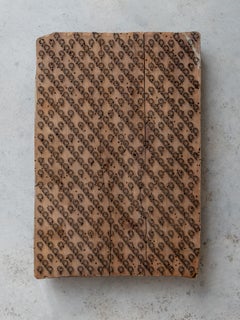
19th Century Lyon Silk Textile Printing Block in Carved Wood

19th Century Lyon Silk Textile Printing Block in Carved Wood

Located in BORGO, FR

An antique textile printing blocks originating from a silk manufacturing workshop in Lyon, France. Carved from wood and inlaid with fine metal pins, these blocks were used for hand-...

Category

Late 19th Century French Industrial Antique Carved Decorative Art

Materials

Metal

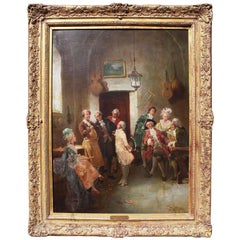
August Stephan Sedlacek (Austrian, 1868-1936) Oil on Canvas Violin Presentation

August Stephan Sedlacek (Austrian, 1868-1936) Oil on Canvas Violin Presentation

By Stephan Auguste Sedlacek

Located in Los Angeles, CA

Attributed to August Stephan Sedlacek (Austrian/German, 1868-1936) "The Violin Presentation" Oil on Canvas depicting an interior 18th century scene of...

Category

Early 1900s French Louis XV Antique Carved Decorative Art

Materials

Gesso, Canvas, Wood

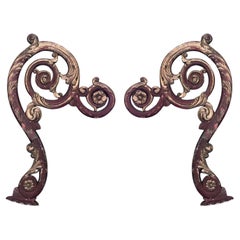
Pair of Italian Rococo Style Carved Gilt Wall Brackets

Pair of Italian Rococo Style Carved Gilt Wall Brackets

Located in Queens, NY

PAIR of Italian Rococo-style (19th Century) large red and gold painted scroll carved wall brackets (PRICED AS PAIR)

Category

19th Century Italian Charles II Antique Carved Decorative Art

Materials

Gold

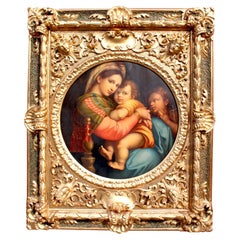
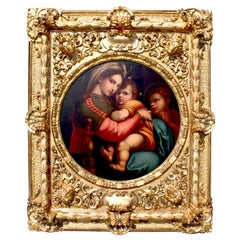
After Raffaello Sanzio 1483-1520 Raphael La Madonna della Seggiola Oil on Canvas

After Raffaello Sanzio 1483-1520 Raphael La Madonna della Seggiola Oil on Canvas

A Fine Italian 19th Century Oil Painting on Canvas "La Madonna della Seggiola" after Raphael (Raffaello Sanzio da Urbino 1483-1520). The circular painted canvas depicting a seated Madonna holding an infant Jesus Christ next to a child Saint John the Baptist, all within a massive carved two-tone gilt wood, gilt-patinated and gesso frame, which is identical to the frame on Raphael's original artwork. This painting is a 19th Century copy of Raphael's Madonna della Seggiola painted in 1514 and currently exhibited and part of the permanent collection at the Palazzo Pitti, Galleria Palatina, Florence, Italy. The bodies of the Virgin, Christ, and the boy Baptist fill the whole picture. The tender, natural looking embrace of the Mother and Child, and the harmonious grouping of the figures in the round, have made this one of Raphael's most popular Madonnas. The isolated chair leg is reminiscent of papal furniture, which has led to the assumption that Leo X himself commissioned the painting. Circa: 1890-1900. Subject: Religious painting Painting diameter: 28 inches (71.1 cm) Frame height: 55 1/8 inches (140 cm) Frame width: 46 inches (116.8 cm) Frame depth: 5 1/8 inches (13 cm) Raffaello Sanzio da Urbino (Italian, March 28 or April 6, 1483 - April 6, 1520), known as Raphael, was an Italian painter and architect of the High Renaissance. His work is admired for its clarity of form, ease of composition, and visual achievement of the Neoplatonic ideal of human grandeur. Together with Michelangelo and Leonardo da Vinci, he forms the traditional trinity of great masters of that period. Raphael was enormously productive, running an unusually large workshop and, despite his death at 37, leaving a large body of work. Many of his works are found in the Vatican Palace, where the frescoed Raphael Rooms were the central, and the largest, work of his career. The best known work is The School of Athens in the Vatican Stanza della Segnatura. After his early years in Rome much of his work was executed by his workshop from his drawings, with considerable loss of quality. He was extremely influential in his lifetime, though outside Rome his work was mostly known from his collaborative printmaking. After his death, the influence of his great rival Michelangelo was more widespread until the 18th and 19th centuries, when Raphael's more serene and harmonious qualities were again regarded as the highest models. His career falls naturally into three phases and three styles, first described by Giorgio Vasari: his early years in Umbria, then a period of about four years (1504–1508) absorbing the artistic traditions of Florence, followed by his last hectic and triumphant twelve years in Rome, working for two Popes and their close associates. Raphael was born in the small but artistically significant central Italian city of Urbino in the Marche region, where his father Giovanni Santi was court painter to the Duke. The reputation of the court had been established by Federico III da Montefeltro, a highly successful condottiere who had been created Duke of Urbino by the Pope - Urbino formed part of the Papal States - and who died the year before Raphael was born. The emphasis of Federico's court was rather more literary than artistic, but Giovanni Santi was a poet of sorts as well as a painter, and had written a rhymed chronicle of the life of Federico, and both wrote the texts and produced the decor for masque-like court entertainments. His poem to Federico shows him as keen to show awareness of the most advanced North Italian painters, and Early Netherlandish artists as well. In the very small court of Urbino he was probably more integrated into the central circle of the ruling family than most court painters. Federico was succeeded by his son Guidobaldo da Montefeltro, who married Elisabetta Gonzaga, daughter of the ruler of Mantua, the most brilliant of the smaller Italian courts for both music and the visual arts. Under them, the court continued as a centre for literary culture. Growing up in the circle of this small court gave Raphael the excellent manners and social skills stressed by Vasari. Court life in Urbino at just after this period was to become set as the model of the virtues of the Italian humanist court through Baldassare Castiglione's depiction of it in his classic work The Book of the Courtier, published in 1528. Castiglione moved to Urbino in 1504, when Raphael was no longer based there but frequently visited, and they became good friends. He became close to other regular visitors to the court: Pietro Bibbiena and Pietro Bembo, both later cardinals, were already becoming well known as writers, and would be in Rome during Raphael's period there. Raphael mixed easily in the highest circles throughout his life, one of the factors that tended to give a misleading impression of effortlessness to his career. He did not receive a full humanistic education however; it is unclear how easily he read Latin. Early Life and Works His mother Màgia died in 1491 when Raphael was eight, followed on August 1, 1494 by his father, who had already remarried. Raphael was thus orphaned at eleven; his formal guardian became his only paternal uncle Bartolomeo, a priest, who subsequently engaged in litigation with his stepmother. He probably continued to live with his stepmother when not staying as an apprentice with a master. He had already shown talent, according to Vasari, who says that Raphael had been "a great help to his father". A self-portrait drawing from his teenage years shows his precocity. His father's workshop continued and, probably together with his stepmother, Raphael evidently played a part in managing it from a very early age. In Urbino, he came into contact with the works of Paolo Uccello, previously the court painter (d. 1475), and Luca Signorelli, who until 1498 was based in nearby Città di Castello. According to Vasari, his father placed him in the workshop of the Umbrian master Pietro Perugino as an apprentice "despite the tears of his mother". The evidence of an apprenticeship comes only from Vasari and another source, and has been disputed—eight was very early for an apprenticeship to begin. An alternative theory is that he received at least some training from Timoteo Viti, who acted as court painter in Urbino from 1495.Most modern historians agree that Raphael at least worked as an assistant to Perugino from around 1500; the influence of Perugino on Raphael's early work is very clear: "probably no other pupil of genius has ever absorbed so much of his master's teaching as Raphael did", according to Wölfflin. Vasari wrote that it was impossible to distinguish between their hands at this period, but many modern art historians claim to do better and detect his hand in specific areas of works by Perugino or his workshop. Apart from stylistic closeness, their techniques are very similar as well, for example having paint applied thickly, using an oil varnish medium, in shadows and darker garments, but very thinly on flesh areas. An excess of resin in the varnish often causes cracking of areas of paint in the works of both masters. The Perugino workshop was active in both Perugia and Florence, perhaps maintaining two permanent branches. Raphael is described as a "master", that is to say fully trained, in December 1500. His first documented work was the Baronci altarpiece for the church of Saint Nicholas of Tolentino in Città di Castello, a town halfway between Perugia and Urbino. Evangelista da Pian di Meleto, who had worked for his father, was also named in the commission. It was commissioned in 1500 and finished in 1501; now only some cut sections and a preparatory drawing remain. In the following years he painted works for other churches there, including the Mond Crucifixion (about 1503) and the Brera Wedding of the Virgin (1504), and for Perugia, such as the Oddi Altarpiece. He very probably also visited Florence in this period. These are large works, some in fresco, where Raphael confidently marshals his compositions in the somewhat static style of Perugino. He also painted many small and exquisite cabinet paintings in these years, probably mostly for the connoisseurs in the Urbino court, like the Three Graces and St. Michael, and he began to paint Madonnas and portraits. In 1502 he went to Siena at the invitation of another pupil of Perugino, Pinturicchio, "being a friend of Raphael and knowing him to be a draughtsman of the highest quality" to help with the cartoons, and very likely the designs, for a fresco series in the Piccolomini Library in Siena Cathedral. He was evidently already much in demand even at this early stage in his career. Influence of Florence Raphael led a "nomadic" life, working in various centres in Northern Italy, but spent a good deal of time in Florence, perhaps from about 1504. Although there is traditional reference to a "Florentine period...

Category

Early 1900s Italian Baroque Antique Carved Decorative Art

Materials

Canvas, Giltwood
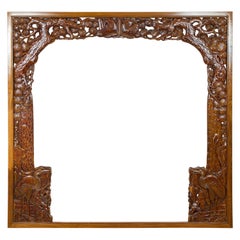
Oversized 19th Century Carved Wooden Frame with Birds, Foliage and Tree Limbs

Oversized 19th Century Carved Wooden Frame with Birds, Foliage and Tree Limbs

Located in Yonkers, NY

An oversized antique carved wooden frame with intricate details such as birds, flowers and tree limbs. Immerse yourself in the intricate beauty and grandeur...

Category

19th Century Chinese Antique Carved Decorative Art

Materials

Wood

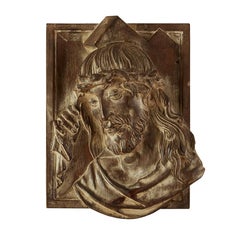
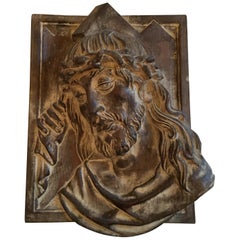
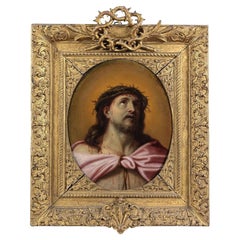
Jesus Christ Face Italian Bas-relief Religious Sculpture 1970 circa

Jesus Christ Face Italian Bas-relief Religious Sculpture 1970 circa

Located in Milano, MI

A deeply carved Cembran pinewood Christ Head bas-relief, a religious wall hanging panel depicting a Christ head wearing thorns and holding cross. Original ...

Category

Late 20th Century Italian Carved Decorative Art

Materials

Wood, Pine

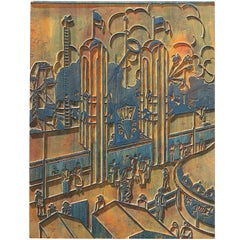
Original Wood Carved Carnival Midway Poster Letterpress

Original Wood Carved Carnival Midway Poster Letterpress

Located in Santa Monica, CA

Set of three original hand-carved letterpress made by the Neal Walters Poster Company. Fantastic carnival midway scene. Games, carnival rides and acrobats. Carved with incredible detail, please see photos. The colors are the original ink used during the three color posted printing process. Circus and...

Category

1930s American Folk Art Vintage Carved Decorative Art

Materials

Wood, Paint

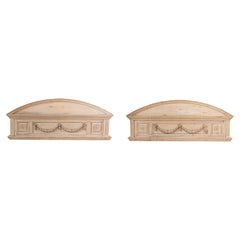
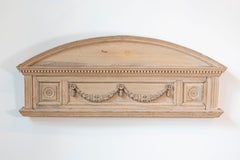
Pair of English Neoclassical Style 1850s Carved Pine Overdoors with Swag Motifs

Pair of English Neoclassical Style 1850s Carved Pine Overdoors with Swag Motifs

Located in Atlanta, GA

A pair of English neoclassical style carved pine overdoors with swag motifs and dentil molding from the mid 19th century. Each of this pair of English architectural elements features...

Category

Mid-19th Century English Neoclassical Antique Carved Decorative Art

Materials

Pine

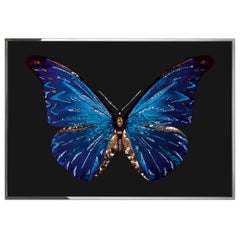
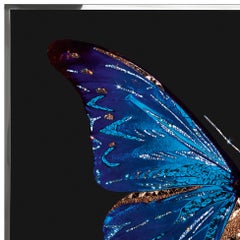
Butterfly Crystals Wall Decoration

Butterfly Crystals Wall Decoration

Located in Paris, FR

Wall Decoration Butterfly Crystals with frame polished stainless steel. With swordfish artwork on plexiglass with Swarovski carved crystals inserts.

Category

21st Century and Contemporary Italian Carved Decorative Art

Materials

Crystal, Stainless Steel

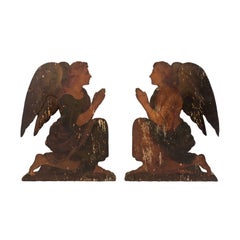
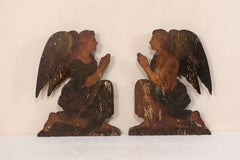
19th Century Italian Painted Wood Angel Plaques - A Pair

19th Century Italian Painted Wood Angel Plaques - A Pair

Located in Atlanta, GA

A pair of Italian 19th century painted wood angel plaques. This pair of antique Italian plaques, perhaps originally used to decorate a chapel, feature a ...

Category

19th Century Italian Antique Carved Decorative Art

Materials

Wood, Paint

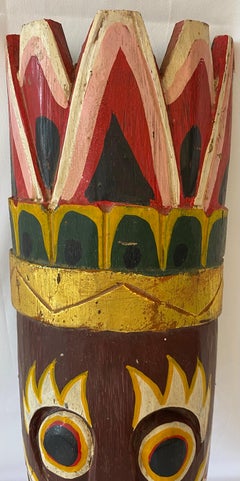
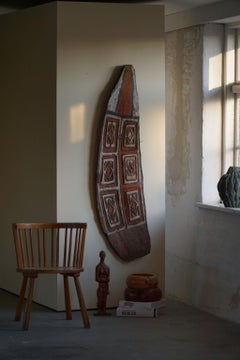
Oceanic Vintage Shield, Tribal Wall Art, Papua New Guinea, Late 19th Century

Oceanic Vintage Shield, Tribal Wall Art, Papua New Guinea, Late 19th Century

Located in Odense, DK

A large decorative and rare hand carved tribal war shield in traditional colors, made in Papua New Guinea in the late 19th century. Functional as beautiful ...

Category

Late 19th Century Papua New Guinean Antique Carved Decorative Art

Materials

Wood, Paint

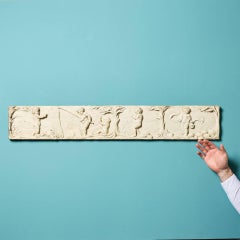
Early 19th Century Carved Neoclassical Frieze Panel

Early 19th Century Carved Neoclassical Frieze Panel

Located in Wormelow, Herefordshire

An early 19th century English carved limewood neoclassical frieze panel, circa 1800. This decorative wooden panel is over a metre long and features five putti or cherubs carved in th...

Category

Early 19th Century English Neoclassical Antique Carved Decorative Art

Materials

Wood

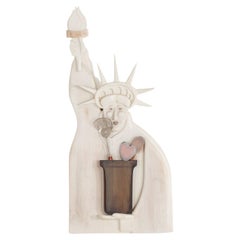
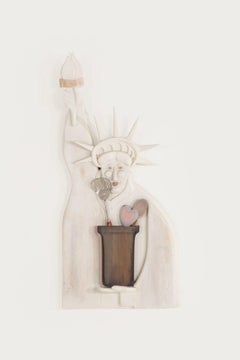
Max Neufeldt Kitchen Liberty 1985c.

Max Neufeldt Kitchen Liberty 1985c.

By Max Neufeldt

Located in Chicago, IL

Max Neufeldt, Kitchen Liberty (1985) A playful take on an American icon, this folk art piece by Max Neufeld reimagines the solemn Statue of Liberty as a domestic guardian of the kitc...

Category

1980s American Mid-Century Modern Vintage Carved Decorative Art

Materials

Wood

Vintage Arnold Wiigs Fabrikker Norwegian Ceramic Wall Plaque Scandinavian Art

Vintage Arnold Wiigs Fabrikker Norwegian Ceramic Wall Plaque Scandinavian Art

By Arnold Wiig Fabrikker

Located in Moreno Valley, CA

Vintage Arnold Wiigs Fabrikker Norwegian Ceramic Wall Plaque – Mid-Century Scandinavian Art Pottery A charming and highly collectible Scandinavian ceramic plaque by Arnold Wiigs Fab...

Category

Mid-20th Century Scandinavian Scandinavian Modern Carved Decorative Art

Materials

Ceramic

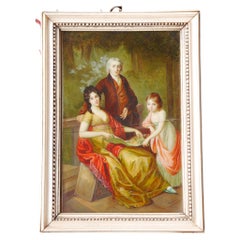
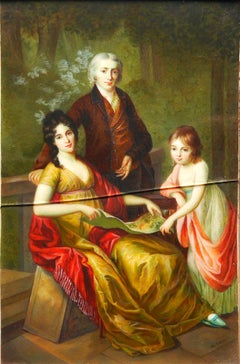
European 19th cent Miniature Tempera Painting Family Portrait

European 19th cent Miniature Tempera Painting Family Portrait

Located in Malmö, SE

Antique early 19th century. (1800 -1820s) framed European Tempera painting on a plate under glass in the original frame. Depiction of a happy family posing. The painting is signed "...

Category

1810s Scandinavian Biedermeier Antique Carved Decorative Art

Materials

Wood, Paint, Glass

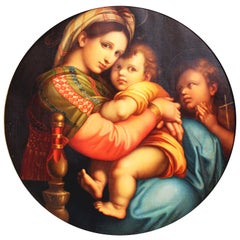
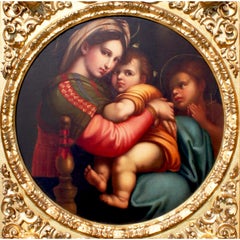
After Raffaello Sanzio 1483-1520 Raphael La Madonna della Seggiola Oil on Canvas

After Raffaello Sanzio 1483-1520 Raphael La Madonna della Seggiola Oil on Canvas

By Raphael (Raffaello Sanzio da Urbino)

Located in Los Angeles, CA

A fine Italian 19th century oil painting on canvas "La Madonna della Seggiola" after Raphael (Raffaello Sanzio da Urbino 1483-1520) The circular canvas depicting a seated Madonna holding an infant Jesus Christ next to a child Saint John the Baptist, all within a massive carved gilt wood and gesso frame (all high quality gilt is original) which is identical to the frame on Raphael's original artwork. This painting is a 19th Century copy of Raphael's Madonna della Seggiola painted in 1514 and currently exhibited and part of the permanent collection at the Palazzo Pitti, Galleria Palatina, Florence, Italy. The bodies of the Virgin, Christ, and the boy Baptist fill the whole picture. The tender, natural looking embrace of the Mother and Child, and the harmonious grouping of the figures in the round, have made this one of Raphael's most popular Madonnas. The isolated chair leg is reminiscent of papal furniture, which has led to the assumption that Leo X himself commissioned the painting, circa 1890-1900. Subject: Religious painting Measures: Canvas height: 29 1/4 inches (74.3 cm) Canvas width: 29 1/4 inches (74.3 cm) Painting diameter: 28 1/4 inches (71.8 cm) Frame height: 57 7/8 inches (147 cm) Frame width: 45 1/2 inches (115.6 cm) Frame depth: 5 1/8 inches (13 cm).   Raffaello Sanzio da Urbino (Italian, March 28 or April 6, 1483 - April 6, 1520), known as Raphael, was an Italian painter and architect of the High Renaissance. His work is admired for its clarity of form, ease of composition, and visual achievement of the Neoplatonic ideal of human grandeur. Together with Michelangelo and Leonardo da Vinci, he forms the traditional trinity of great masters of that period. Raphael was enormously productive, running an unusually large workshop and, despite his death at 37, leaving a large body of work. Many of his works are found in the Vatican Palace, where the frescoed Raphael Rooms were the central, and the largest, work of his career. The best known work is The School of Athens in the Vatican Stanza della Segnatura. After his early years in Rome much of his work was executed by his workshop from his drawings, with considerable loss of quality. He was extremely influential in his lifetime, though outside Rome his work was mostly known from his collaborative printmaking. After his death, the influence of his great rival Michelangelo was more widespread until the 18th and 19th centuries, when Raphael's more serene and harmonious qualities were again regarded as the highest models. His career falls naturally into three phases and three styles, first described by Giorgio Vasari: his early years in Umbria, then a period of about four years (1504–1508) absorbing the artistic traditions of Florence, followed by his last hectic and triumphant twelve years in Rome, working for two Popes and their close associates. Raphael was born in the small but artistically significant central Italian city of Urbino in the Marche region, where his father Giovanni Santi was court painter to the Duke. The reputation of the court had been established by Federico III da Montefeltro, a highly successful condottiere who had been created Duke of Urbino by the Pope - Urbino formed part of the Papal States - and who died the year before Raphael was born. The emphasis of Federico's court was rather more literary than artistic, but Giovanni Santi was a poet of sorts as well as a painter, and had written a rhymed chronicle of the life of Federico, and both wrote the texts and produced the decor for masque-like court entertainments. His poem to Federico shows him as keen to show awareness of the most advanced North Italian painters, and Early Netherlandish artists as well. In the very small court of Urbino he was probably more integrated into the central circle of the ruling family than most court painters. Federico was succeeded by his son Guidobaldo da Montefeltro, who married Elisabetta Gonzaga, daughter of the ruler of Mantua, the most brilliant of the smaller Italian courts for both music and the visual arts. Under them, the court continued as a centre for literary culture. Growing up in the circle of this small court gave Raphael the excellent manners and social skills stressed by Vasari. Court life in Urbino at just after this period was to become set as the model of the virtues of the Italian humanist court through Baldassare Castiglione's depiction of it in his classic work The Book of the Courtier, published in 1528. Castiglione moved to Urbino in 1504, when Raphael was no longer based there but frequently visited, and they became good friends. He became close to other regular visitors to the court: Pietro Bibbiena and Pietro Bembo, both later cardinals, were already becoming well known as writers, and would be in Rome during Raphael's period there. Raphael mixed easily in the highest circles throughout his life, one of the factors that tended to give a misleading impression of effortlessness to his career. He did not receive a full humanistic education however; it is unclear how easily he read Latin. Early Life and Works His mother Màgia died in 1491 when Raphael was eight, followed on August 1, 1494 by his father, who had already remarried. Raphael was thus orphaned at eleven; his formal guardian became his only paternal uncle Bartolomeo, a priest, who subsequently engaged in litigation with his stepmother. He probably continued to live with his stepmother when not staying as an apprentice with a master. He had already shown talent, according to Vasari, who says that Raphael had been "a great help to his father". A self-portrait drawing from his teenage years shows his precocity. His father's workshop continued and, probably together with his stepmother, Raphael evidently played a part in managing it from a very early age. In Urbino, he came into contact with the works of Paolo Uccello, previously the court painter (d. 1475), and Luca Signorelli, who until 1498 was based in nearby Città di Castello. According to Vasari, his father placed him in the workshop of the Umbrian master Pietro Perugino as an apprentice "despite the tears of his mother". The evidence of an apprenticeship comes only from Vasari and another source, and has been disputed—eight was very early for an apprenticeship to begin. An alternative theory is that he received at least some training from Timoteo Viti, who acted as court painter in Urbino from 1495.Most modern historians agree that Raphael at least worked as an assistant to Perugino from around 1500; the influence of Perugino on Raphael's early work is very clear: "probably no other pupil of genius has ever absorbed so much of his master's teaching as Raphael did", according to Wölfflin. Vasari wrote that it was impossible to distinguish between their hands at this period, but many modern art historians claim to do better and detect his hand in specific areas of works by Perugino or his workshop. Apart from stylistic closeness, their techniques are very similar as well, for example having paint applied thickly, using an oil varnish medium, in shadows and darker garments, but very thinly on flesh areas. An excess of resin in the varnish often causes cracking of areas of paint in the works of both masters. The Perugino workshop was active in both Perugia and Florence, perhaps maintaining two permanent branches. Raphael is described as a "master", that is to say fully trained, in December 1500. His first documented work was the Baronci altarpiece for the church of Saint Nicholas of Tolentino in Città di Castello, a town halfway between Perugia and Urbino. Evangelista da Pian di Meleto, who had worked for his father, was also named in the commission. It was commissioned in 1500 and finished in 1501; now only some cut sections and a preparatory drawing remain. In the following years he painted works for other churches there, including the Mond Crucifixion (about 1503) and the Brera Wedding of the Virgin (1504), and for Perugia, such as the Oddi Altarpiece. He very probably also visited Florence in this period. These are large works, some in fresco, where Raphael confidently marshals his compositions in the somewhat static style of Perugino. He also painted many small and exquisite cabinet paintings in these years, probably mostly for the connoisseurs in the Urbino court, like the Three Graces and St. Michael, and he began to paint Madonnas and portraits. In 1502 he went to Siena at the invitation of another pupil of Perugino, Pinturicchio, "being a friend of Raphael and knowing him to be a draughtsman of the highest quality" to help with the cartoons, and very likely the designs, for a fresco series in the Piccolomini Library in Siena Cathedral. He was evidently already much in demand even at this early stage in his career. Influence of Florence Raphael led a "nomadic" life, working in various centres in Northern Italy, but spent a good deal of time in Florence, perhaps from about 1504. Although there is traditional reference to a "Florentine period...

Category

19th Century Italian Baroque Antique Carved Decorative Art

Materials

Gesso, Canvas, Wood

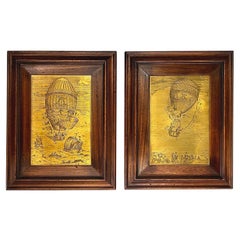
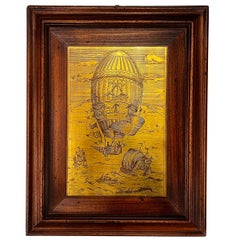
Pair of Brass Etchings

Pair of Brass Etchings

Located in New York, NY

Pair of circa 1950s English Montgolfier etchings with wood frames. Measurements: Height: 18.75" Width: 14.5" Depth: 1.5".

Category

1950s English Vintage Carved Decorative Art

Materials

Brass

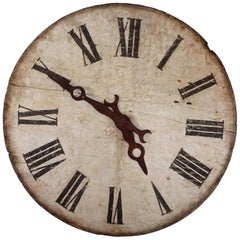
Antique French Clock Face, Painted Wood, Napoleon III, Circa 1890

Antique French Clock Face, Painted Wood, Napoleon III, Circa 1890

Located in West Palm Beach, FL

This impressive round antique French clock face dates to the Napoleon III period, circa 1890, and is a rare surviving example of 19th-century French ...

Category

Late 19th Century French Napoleon III Antique Carved Decorative Art

Materials

Metal

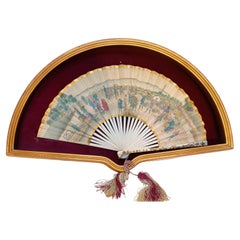
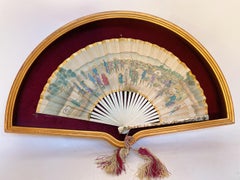
19th Century French Painted Paper Fan with Box

19th Century French Painted Paper Fan with Box

Located in Brea, CA

This ornate, antique paper hand fan was crafted in France, circa 1850. the one side showing a candlelit interior where Gallant scene on the reverse with a box but no glass of box. Se...

Category

1850s French French Provincial Antique Carved Decorative Art

Materials

Paper

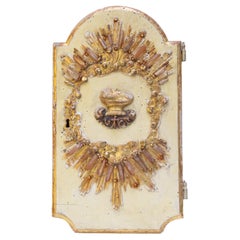
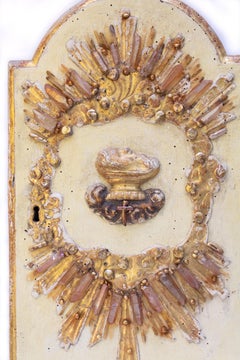
Large Painted Antique Tuscan Cartouche Panel, 18th Century

Large Painted Antique Tuscan Cartouche Panel, 18th Century

Located in Dallas, TX

This large cartouche panel was carved from wood and hand-painted with a central coat of arms in Italy during the 1700’s. Inspired by a 16th century Fr...

Category

18th Century Italian Baroque Antique Carved Decorative Art

Materials

Wood

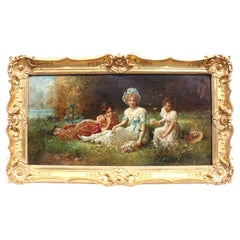
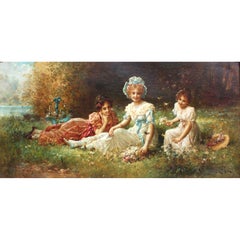
Hans Zatzka 'Austrian, 1859-1945' a Very Fine Oil on Canvas "Spring Beauties"

Hans Zatzka 'Austrian, 1859-1945' a Very Fine Oil on Canvas "Spring Beauties"

By Hans Zatzka

Located in Los Angeles, CA

Hans Zatzka (Austrian, 1859-1945) a very fine and charming oil on canvas "Spring Beauties", depicting three young maidens picking flowers by a lake. The three young girls sitting, kneeling and laying on a grassy area of the forest, her wicker basket filled with the freshly picked flowers, the middle one wearing a bonnet and a straw-hat laying on the ground behind with butterflies flying by, within a gilt-wood and gesso carved frame. Signed (l/r): H. Zatzka. Circa: 1890-1900's, Hans Zatzka (Austrian, 1859-1945) was a well known and regarded Austrian fantasy artist whose most popular and valuable works depicted figures of young maidens with angels, floral and other cheerful and warm scenes, including Orientalist themes. In the past thirty years alone, the high quality and detail of his beautiful paintings has caught the attention of International collectors and art dealers alike, creating a highly sought after market and demand for his instantly recognizable body of work. In the late 19th and early 20th century, many of Zazka's charming works were photographed for commercial and collectable postcards. Though no information about his works being exhibited in museums is currently available, most of Zatzka's paintings are in private collections and, in the past century, very few of them have become available on the open market. At the young age of eighteen Zatzka joined Austria's Academy of Fine Arts under the leadership of Professor Blaas. For his fine early works, in 1880 he received The Golden Fügermedal award. Zatzka, like many other artists of the era, traveled around Europe working and selling his art and, in one of his many trips to Italy, he developed a special interest in Religious themes, decorating churches with frescos as well as painting several religious scenes of Madonna's and Child, Saints, Angels and others. In 1885 Zatzka was commissioned to paint "The Naiad of Baden" a ceiling fresco at Kurhaus Baden. Most of Zatzka's income came from his work in religious art and special church commissions. Numerous leading art dealers from around the world that specialize in late 19th and early 20th century European genre paintings have come to the conclusion that the painter signing his works Bernard Zatzka, Joseph Bernard or J. Bernard is almost certainly the artist Hans Zatzka. The consensus seems quite plausible when comparing works known to have been executed by Hans Zatzka together with similar works displaying the signature; Joseph Bernard, J. Bernard or Bernard Zatzka. Lohengrin refers to the knight of the swan, hero of German versions of a legend widely known in variant forms from the European Middle Ages onward. It seems to bear some relation to the northern European folktale of “The Seven Swans,” but its actual origin is uncertain. It is also a character in German Arthurian literature. The son of Parzival (Percival), he is a knight of the Holy Grail sent in a boat pulled by swans...

Category

Late 19th Century Austrian Belle Époque Antique Carved Decorative Art

Materials

Canvas, Giltwood
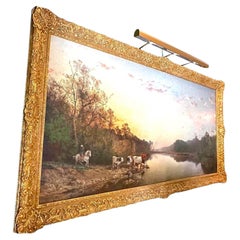
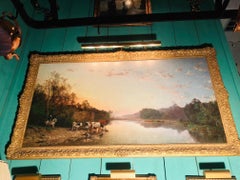
Very Large Landscape Verdure Pastoral Oil on Canvas, Ch. Boulogne Cows Watering

Very Large Landscape Verdure Pastoral Oil on Canvas, Ch. Boulogne Cows Watering

Located in West Hollywood, CA

Very Large Landscape Verdure Pastoral Oil on Canvas, Ch. Boulogne Cows Watering Verdure painting. Signed Artwork. The “Cows Watering by the River at Sunset” 4 feet height x 7 feet &...

Category

19th Century Belgian Antique Carved Decorative Art

Materials

Canvas, Plaster, Wood, Giltwood

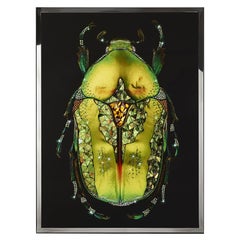
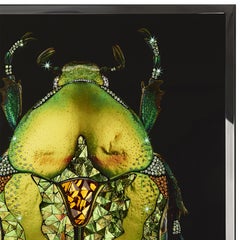
Beetle Crystals Wall Decoration

Beetle Crystals Wall Decoration

Located in Paris, FR

Wall Decoration Beetle Crystals with frame polished stainless steel. With swordfish artwork on plexiglass with Swarovski carved crystals inserts.

Category

21st Century and Contemporary Italian Carved Decorative Art

Materials

Crystal, Stainless Steel

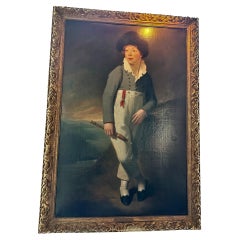
Manner of Sir John Hoppner 'British, 1758-1810' Portrait of Master Robin Vanecke

Manner of Sir John Hoppner 'British, 1758-1810' Portrait of Master Robin Vanecke

By Sir John Hoppner

Located in West Hollywood, CA

Manner of Sir John Hoppner 'British, 1758-1810' Portrait of Master Robin Vanecke oil on canvas. A beautiful Hand Carved and crafted Large and imposing Frame. It is the perfect wall A...

Category

Late 18th Century English Antique Carved Decorative Art

Materials

Canvas, Wood, Paint

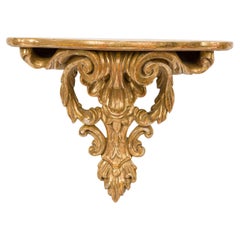
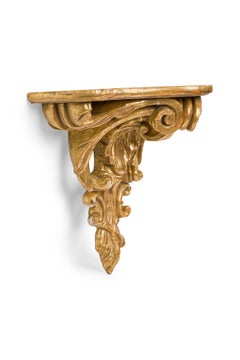
French Victorian Gilt Wall Shelf

French Victorian Gilt Wall Shelf

Located in Queens, NY

French Victorian gilt filigree carved wall shelf with a scroll and leaf design

Category

19th Century French Victorian Antique Carved Decorative Art

19th Century French Walnut Hand Carved Wall Decoration

19th Century French Walnut Hand Carved Wall Decoration

Located in Sofia, BG

19th Century French walnut hand carved wall decoration. France, circa 1830

Category

Early 19th Century Antique Carved Decorative Art

Materials

Walnut

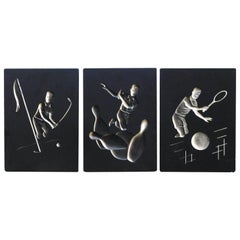
Fun Set of 3 Hans Richter 1961 Artcraft Plaster Negative Relief Sports Plaques

Fun Set of 3 Hans Richter 1961 Artcraft Plaster Negative Relief Sports Plaques

By Hans Richter

Located in San Francisco, CA

A true time capsule of 1961, the 3-dimensional plaster negative relief plaques depicting a golfer, bowler and tennis player all engaged in their sport and all from the perspective of...

Category

1960s American Modern Vintage Carved Decorative Art

Materials

Plaster

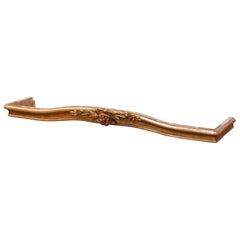
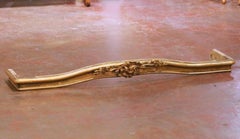
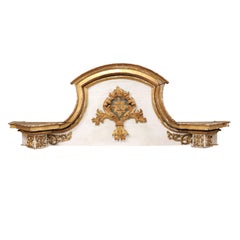
19th Century French Louis XV Carved Giltwood Canapé de Lit Crest

19th Century French Louis XV Carved Giltwood Canapé de Lit Crest

Located in Dallas, TX

Decorate a bedroom or wall with this elegant antique French carved giltwood canapé de lit, crafted circa 1870. Originally designed as a bed canopy crest, the long, gently arched form...

Category

Mid-19th Century French Louis XV Antique Carved Decorative Art

Materials

Giltwood

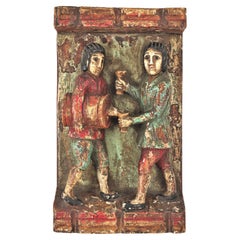
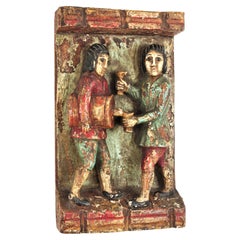
Medieval Style Bas Relief in Polychrome Carved Wood, Spain, 1950s

Medieval Style Bas Relief in Polychrome Carved Wood, Spain, 1950s

Located in Barcelona, ES

Mid-Century Modern Medieval Inspired Bas Relief Wall Decoration in Polychromed Carved Wood. Spain, 1950s. Beautifully hand-carved bas relief depicting genre scene. Two standing men f...

Category

20th Century Spanish Mid-Century Modern Carved Decorative Art

Materials

Wood

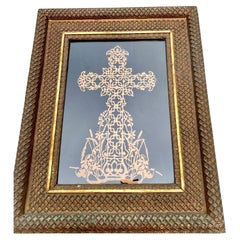
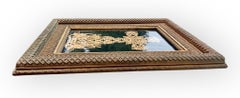
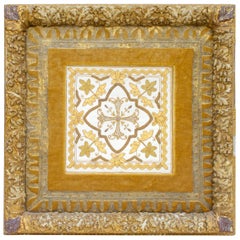
Antique American Punch Paper Lacework Celtic Cross Original Ornate Gesso Frame

Antique American Punch Paper Lacework Celtic Cross Original Ornate Gesso Frame

Located in New Orleans, LA

The object in the image is an antique punch paper or lacework cross, likely from the 1870s, framed in an antique wooden frame, richly detailed, traditional American craftsmanship. C...

Category

1870s American Aesthetic Movement Antique Carved Decorative Art

Materials

Gesso, Wood, Glass, Velvet

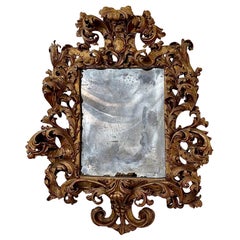
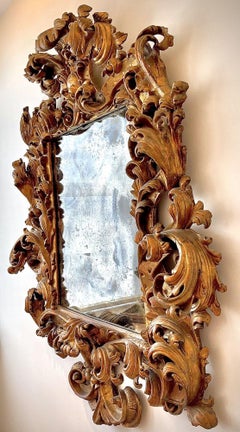
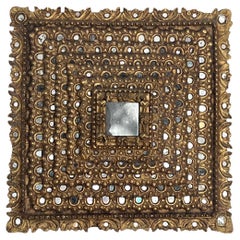
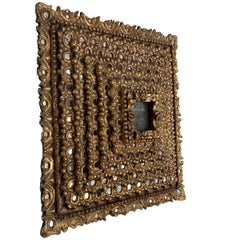
Square Spanish Giltwood Mirror

Square Spanish Giltwood Mirror

Located in New York, NY

A 19th Century Spanish gilt wood 7-layer mirror with mirror insets in frame and foliage motif along edges. Measurements: 25" Square

Category

19th Century Spanish Antique Carved Decorative Art

Materials

Gold Leaf

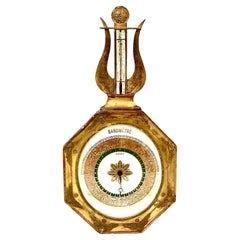
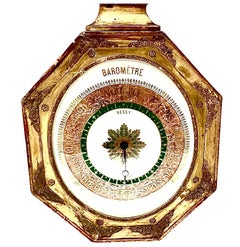
French Louis XVI Style Gilded and Painted Wood Directoire Wall Barometer

French Louis XVI Style Gilded and Painted Wood Directoire Wall Barometer

Located in Bradenton, FL

19th century French Louis XVI style gilt and painted wood barometer. While not in working order, barometer has that wonderful old 'chippy' peeling patina. The carved wood frame and g...

Category

19th Century French Louis XVI Antique Carved Decorative Art

Materials

Wood

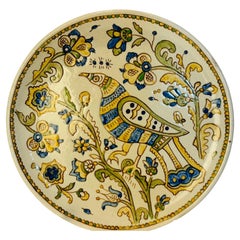
Vintage Ceramic Jeziorna Polish Pottery Plate Bolesławiec 1960s Poland

Vintage Ceramic Jeziorna Polish Pottery Plate Bolesławiec 1960s Poland

Located in Moreno Valley, CA

Vintage Ceramic Jeziorna Polish Pottery Plate Bolesławiec 1960s Poland. Vintage handcrafted ceramic pottery decorative wall plate. Gorgeous carved and hand-painted pottery plate with...

Category

Mid-20th Century Polish Scandinavian Modern Carved Decorative Art

Materials

Ceramic, Pottery

Swordfish Crystals Wall Decoration

Swordfish Crystals Wall Decoration

Located in Paris, FR

Wall Decoration Swordfish Crystals with frame polished stainless steel. With swordfish artwork on plexiglass with Swarovski carved crystals inserts.

Category

21st Century and Contemporary Italian Carved Decorative Art

Materials

Crystal, Stainless Steel

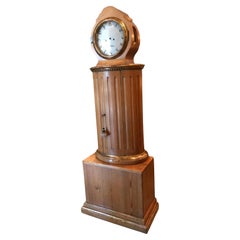
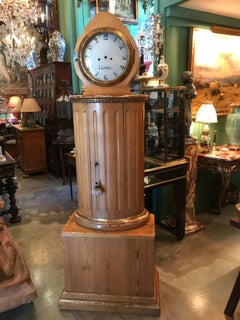
19th C. Swedish Carved Pine Wood Clock Grandmother Grandfather Long Case Antique

19th C. Swedish Carved Pine Wood Clock Grandmother Grandfather Long Case Antique

Located in West Hollywood, CA

19th C. Swedish Carved Pine Wood Clock Grandmother Grandfather Long Case Antique . Freestanding hand carved pine wood clock with all the original mechanics and hardware , weights rack...

Category

Early 19th Century Swedish Antique Carved Decorative Art

Materials

Metal

Pair French 18th-19th Century Chinoiserie Circle of Jean B. Pillement

Pair French 18th-19th Century Chinoiserie Circle of Jean B. Pillement

By Jean-Baptiste Pillement

Located in Los Angeles, CA

A fine pair of French 18th-19th century whimsical rococo style chinoiserie oil on canvas, circle of Jean-Baptiste Pillement. (French, 1728-1808). One oil painting depicting an outdoor patio scene of a standing young mother, holding a fan, with her three young children playing with a horse-toy, a parrot and a cat, all surrounded by flowers, plants, trees, planters and flanked by a dragon fountain...

Category

Late 18th Century French Chinoiserie Antique Carved Decorative Art

Materials

Canvas, Giltwood
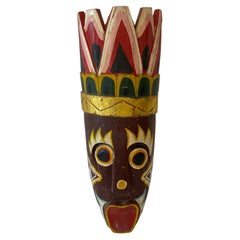
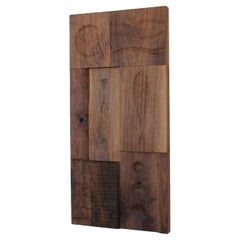
Hand Carved Wall Panel in Walnut

Hand Carved Wall Panel in Walnut

By Greg Mitchell

Located in Los Angeles, CA

On a road trip from LA to Seattle, while passing through a small village on the Oregon coast, my fiance and I decided to stop by the Salishan Lodge to view the architecture and the a...

Category

2010s North American Bauhaus Carved Decorative Art

Materials

Walnut

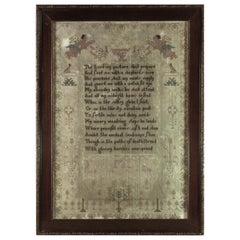
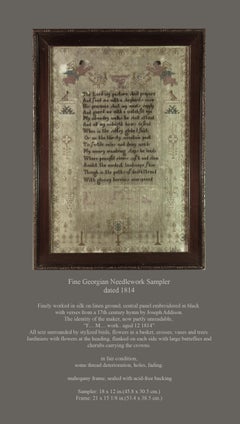
Fine Georgian Needlework Sampler Dated 1814

Fine Georgian Needlework Sampler Dated 1814

Located in Ottawa, Ontario

A finely worked in silk on linen ground, central panel embroidered in black with verses from a 17th century hymn by Joseph Addison. The identity of the maker, now partly unreadable, “F.... M.... work.. aged 12 1814” All text surrounded by stylized birds, flowers in a basket, crosses, vases and trees. Jardinière with flowers at the heading, flanked on each side with large butteflies and cherubs carrying the crowns. In fair condition, some thread deterioration, holes, fading. Mahogany frame...

Category

1810s Georgian Antique Carved Decorative Art

Materials

Natural Fiber

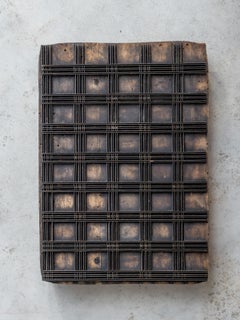
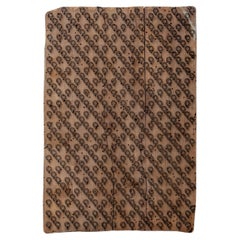
19th Century Lyon Silk Textile Printing Block in Carved Wood

19th Century Lyon Silk Textile Printing Block in Carved Wood

Located in BORGO, FR

A pair of antique textile printing blocks originating from a silk manufacturing workshop in Lyon, France. Carved from wood and inlaid with fine metal pins, these blocks were used fo...
Category

Late 19th Century French Industrial Antique Carved Decorative Art

Materials

Metal

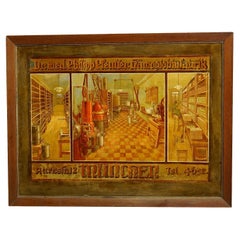
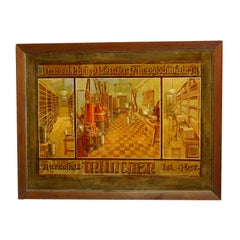
Antique Hand Painted Advertising Poster for a Hemoglobin Fabrication in Munich

Antique Hand Painted Advertising Poster for a Hemoglobin Fabrication in Munich

Located in Berghuelen, DE

Antique Handpainted Advertising Poster for a Hemoglobin Fabrication in Munich A large antique handpainted advertising poster for a hemoglobin fabrication in the 19th century in Muni...

Category

1890s German Black Forest Antique Carved Decorative Art

Materials

Wood
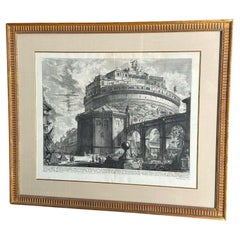
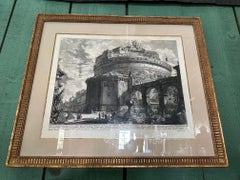
Early Giovanni Battista Piranesi Castel Sant'Angelo Veduti Di Roma Wall Decor

Early Giovanni Battista Piranesi Castel Sant'Angelo Veduti Di Roma Wall Decor

By Giovanni Battista Piranesi

Located in West Hollywood, CA

Early Giovanni Battista Piranesi Castel Sant'Angelo Veduti Di Roma Wall Decor . Large 18th Century Etching / Engraving Of The Ruins Of Rome An Early Print Of Castle Saint Angelo By G...

Category

18th Century Italian Antique Carved Decorative Art

Materials

Paper, Wood
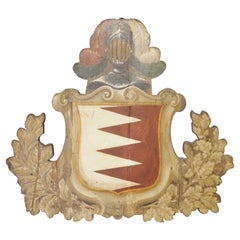
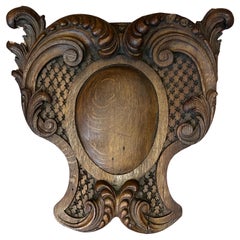
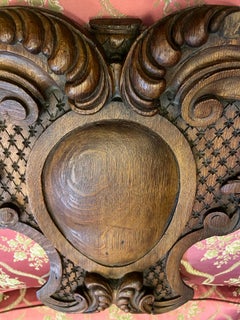
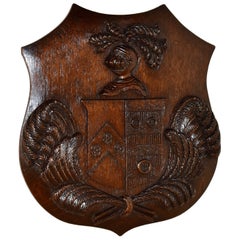
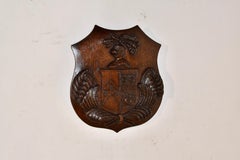
19th Century Carved Armorial Plaque

19th Century Carved Armorial Plaque

Located in High Point, NC

19th century hand carved armorial. The plaque is shaped as a shield and carved upon it are a knight's head with plumes of feathers in his armor, over ...

Category

19th Century English Antique Carved Decorative Art

Materials

Oak

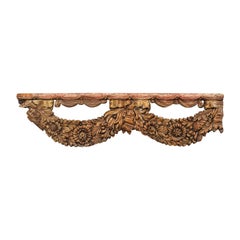
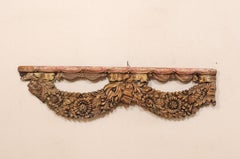
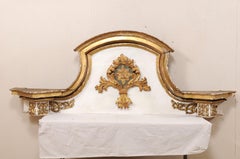
French 19th Century Carved Wood Fragment

French 19th Century Carved Wood Fragment

Located in Atlanta, GA

A French carved wood fragment from the early 19th century. This antique wall decoration from France has an overall oblong, just shy of 6.5 feet in length, having a horizontally positioned shape, with a level, wooden top rail draped with several smaller swagged ribbon carvings, and a larger three-dimensional, hand carved swagged wreath in sunflower and foliage motif below, which gathers at center with a bow. This piece has traces of gilt throughout, with remnants of red green paint (primarily along the top rail), and a wonderfully aged patina. This early 19th century French plaque...
Category

Early 19th Century French Antique Carved Decorative Art

Materials

Giltwood, Wood
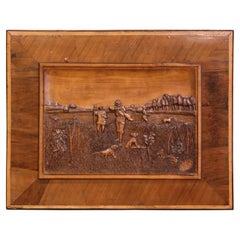
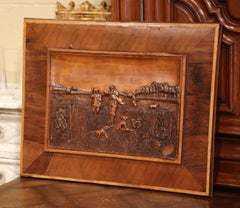
19th Century French Black Forest Carved Walnut Hunt Scene Wall Panel

19th Century French Black Forest Carved Walnut Hunt Scene Wall Panel

Located in Dallas, TX

Crafted in France, circa 1870, this antique Black Forest wall panel presents a richly detailed hunting scene rendered in high relief and set within a geometric marquetry frame. The c...

Category

Mid-19th Century French Black Forest Antique Carved Decorative Art

Materials

Walnut

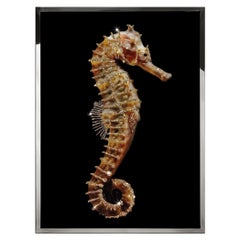
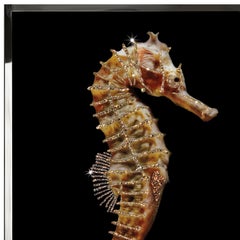
Seahorse Crystals Wall Decoration

Seahorse Crystals Wall Decoration

Located in Paris, FR

Wall Decoration Seahorse Crystals with frame polished stainless steel. With swordfish artwork on plexiglass with Swarovski carved crystals inserts.

Category

21st Century and Contemporary Italian Carved Decorative Art

Materials

Crystal, Stainless Steel