Want more images or videos?
Request additional images or videos from the seller
1 of 7

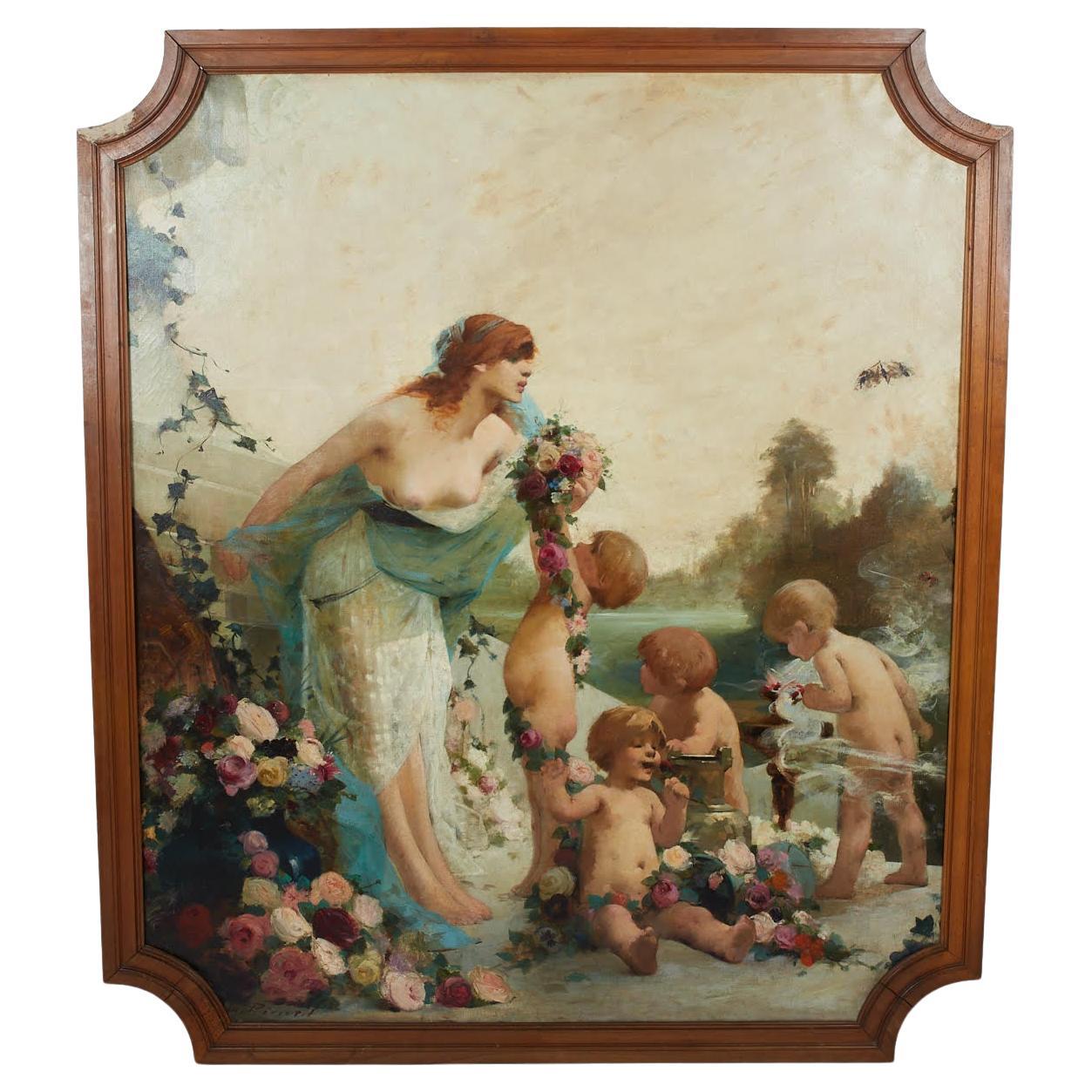
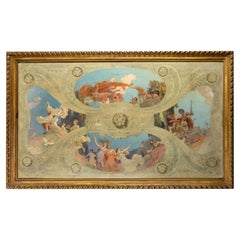
Walter Shirlaw, Study for Decorative Panel

$1,765.08
£1,309.17
€1,500VAT Included
CA$2,476.68
A$2,516.52
CHF 1,425.67
MX$30,619.80
NOK 16,717.29
SEK 16,808.37
DKK 11,445.28

About the Item

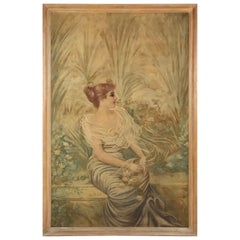
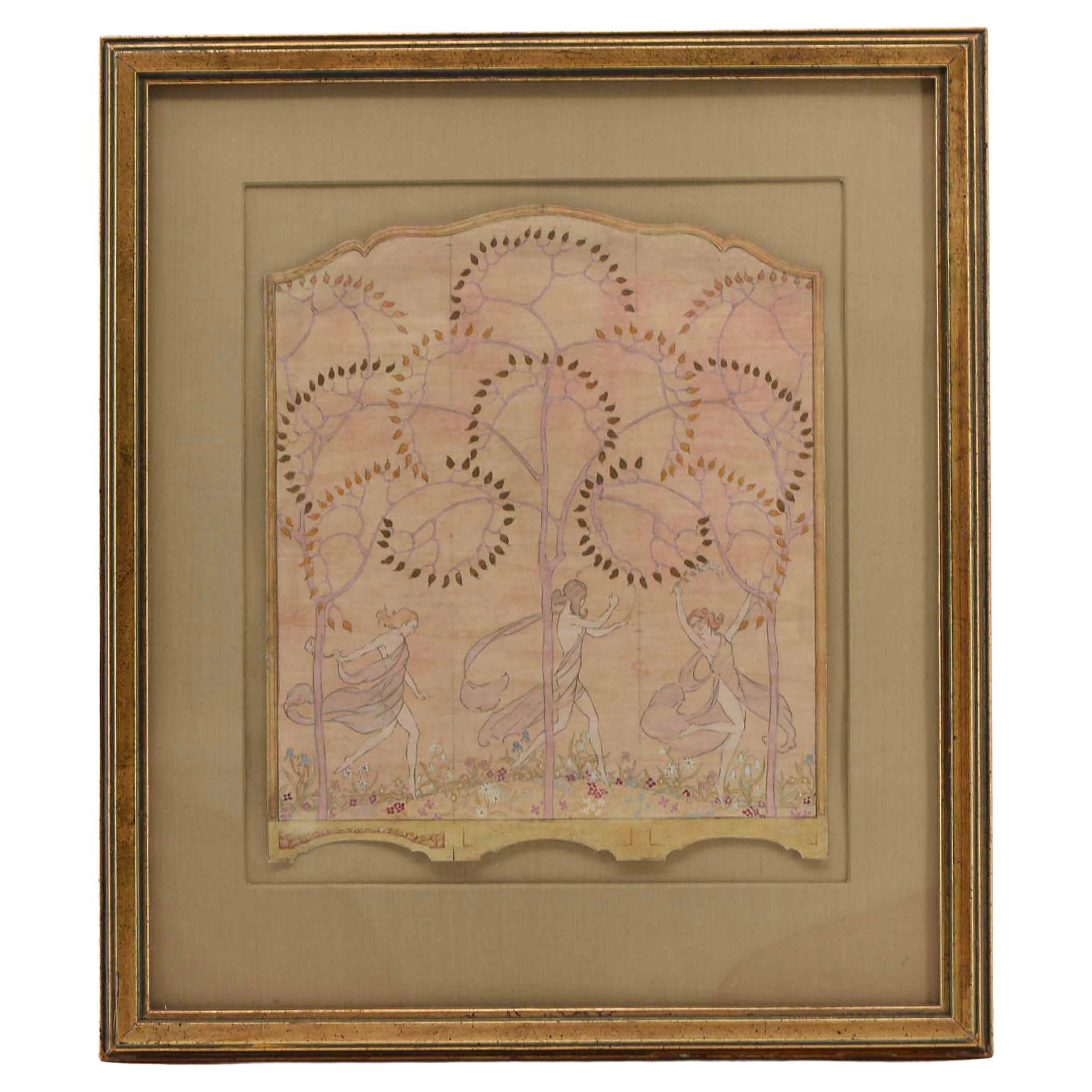
Walter Shirlaw (1838-1909) Study for decorative panel Pencil and watercolor on paper mounted on paperboard Measures: 62.5 x 74 x 5 cm (with frame) 50.5 x 62 (without the frame) Signed in the circle lower right Born near Glasgow in Scotland, Walter Shirlaw settled with his family in New York in 1841, when he was two or three years old. As a young boy, he took night classes at the National Academy of Design, and first exhibited his work there in 1861. The first years of his career were spent as an engraver at the American Bank-Note Company, while at the same time attempting to establish himself as a painter. He later moved to Chicago, where he continued to work as an banknote engraver and also taught art at the Chicago Academy of Design. In 1870, at the relatively late age of thirty-two, Shirlaw travelled to Europe to study. Prevented from settling in Paris by the Franco-Prussian War, he instead studied in Munich, where he joined the small group of American painters working in the city, including Frank Duveneck and William Merrit Chase. Shirlaw enrolled at the Akademie der Bildenden Künste, where his teachers included Alexander von Wagner, and remained in Germany for seven years. It was while he was studying in Germany that he produced his first significant painting, Tuning the Bell, which received a medal at the Centennial Exposition in Philadelphia in 1876. This was soon followed by his best-known work; the Sheep Shearing in the Bavarian Highlands. Arguably his masterpiece, the painting was exhibited in Munich in 1876, in New York the following year, and in Paris the year after that, and is today in the collection of the Saint Louis Museum of Art. Together with Chase, a fellow graduate of the Munich Akademie, he helped to popularize the principles of the Munich School, pioneering a more realistic style of painting, characterized by direct modelling, heavy and quickly sketched brushstrokes, and a darker colour palette. In 1877 Shirlaw was one of a group of young artists who, dissatisfied with the conservatism of the National Academy, established the Society of American Artists, of which he served as the first president. A large exhibition of his work was held in a gallery in Boston in 1880. As a draughtsman, Shirlaw worked in pastel, watercolour, chalk and pencil. As a contemporary article on the subject of Shirlaw’s drawings noted, ‘both pencil sketches and charcoal studies illustrate the artistic freedom which usually characterize the work of this accomplished painter.’ Another critic noted in particular of his drawings for illustrations, ‘Shirlaw illustrates like a painter and an artist, and he therefore gets a fulness out of, and gives a richness to a subject, not characteristic of the average illustrator. His drawings have tone, depth, and sense of construction; they show the intelligent observer and the skill of the practised student. The salient point of the subject is well understood, and expressed with effect, often with much picturesqueness and dramatic force. A very similar drawing to this watercolor study is presented at the Smithsonian American Art Museum (object number 1930.12.47).
  • Dimensions:
    Height: 62.5 in (158.75 cm)Width: 74 in (187.96 cm)Depth: 5 in (12.7 cm)
  • Style:
    Art Nouveau (Of the Period)
  • Materials and Techniques:
  • Place of Origin:
  • Period:
  • Date of Manufacture:
    19th Century
  • Condition:
    Wear consistent with age and use. small spots in the lower part of the drawing.
  • Seller Location:
    Bruxelles, BE
  • Reference Number:
    1stDibs: LU6666231751522

More From This Seller

View All
Wax Relief, Italy 19th Century

Wax Relief, Italy 19th Century

Located in Bruxelles, BE

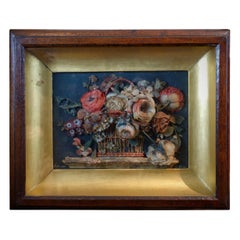
Wax relief depicting a vase with flowers Italy, mid-19th century Signed "Scot. inv et fecit" Measures: 37 x 44 x 7,5 cm.  

Category

Antique Mid-19th Century Italian Early Victorian Wall-mounted Sculptures

Materials

Wood

Renaissance relief - Italy, probably Rome, 16th century

Renaissance relief - Italy, probably Rome, 16th century

Located in Bruxelles, BE

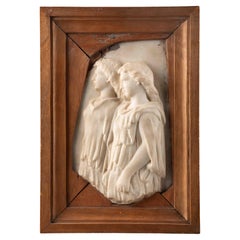
Renaissance relief depicting two female figures dressed in a chiton Italy, probably Rome, 16th century Marble, wooden frame (provenance label on the back) 28 x 20 x 5 cm This beau...

Category

Antique 16th Century Italian Renaissance Wall-mounted Sculptures

Materials

Marble

Decorative Carved Wood Panel, Renaissance Style, France, 19th Century

Decorative Carved Wood Panel, Renaissance Style, France, 19th Century

Located in Bruxelles, BE

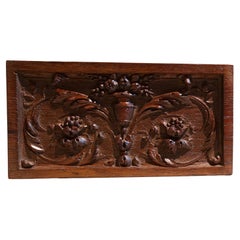
Decorative Carved Panel France, 19th Century 15,5 x L 30,5 x 3 cm Carved in richly grained wood, this 19th-century decorative panel draws direct inspiration from Renaissance ornamen...

Category

Antique Early 19th Century French Renaissance Wall-mounted Sculptures

Materials

Wood

Tuscan Coat of Arms

Tuscan Coat of Arms

Located in Bruxelles, BE

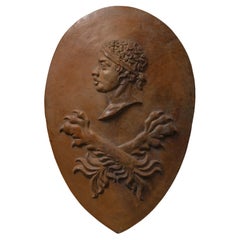
Tuscan Coat of Arm in terra-cotta signed "A. Salvietti 187x" Signed and Dated "A. Salvetti 187x" 73 x 48 cm Antonio Salvietti (1854-1931) was an Italian architect and painter. He w...

Category

Antique 19th Century Italian Beaux Arts Wall-mounted Sculptures

Materials

Terracotta

Renaissance Winged Cherub Relief
- Florence, 15th century

Renaissance Winged Cherub Relief
- Florence, 15th century

Located in Bruxelles, BE

Renaissance Winged Cherub Relief
Florence, Second Half of the 15th Century
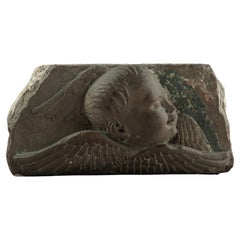
Stone with traces of polychromy Provenance: Important private collection, Northern Italy This exceptional...

Category

Antique 15th Century and Earlier Italian Renaissance Figurative Sculptures

Materials

Stone

Saint Crespin - Renaissance sculpture - Loire Valley, 16th century

Saint Crespin - Renaissance sculpture - Loire Valley, 16th century

Located in Bruxelles, BE

Saint Crispin
Loire Valley, 16th century
tuffeau stone Height: 67 cm Provenance: Private French collection since the 1960s This fragmentary limestone sculpture represents Saint Cris...

Category

Antique 16th Century French Renaissance Figurative Sculptures

Materials

Stone

You May Also Like

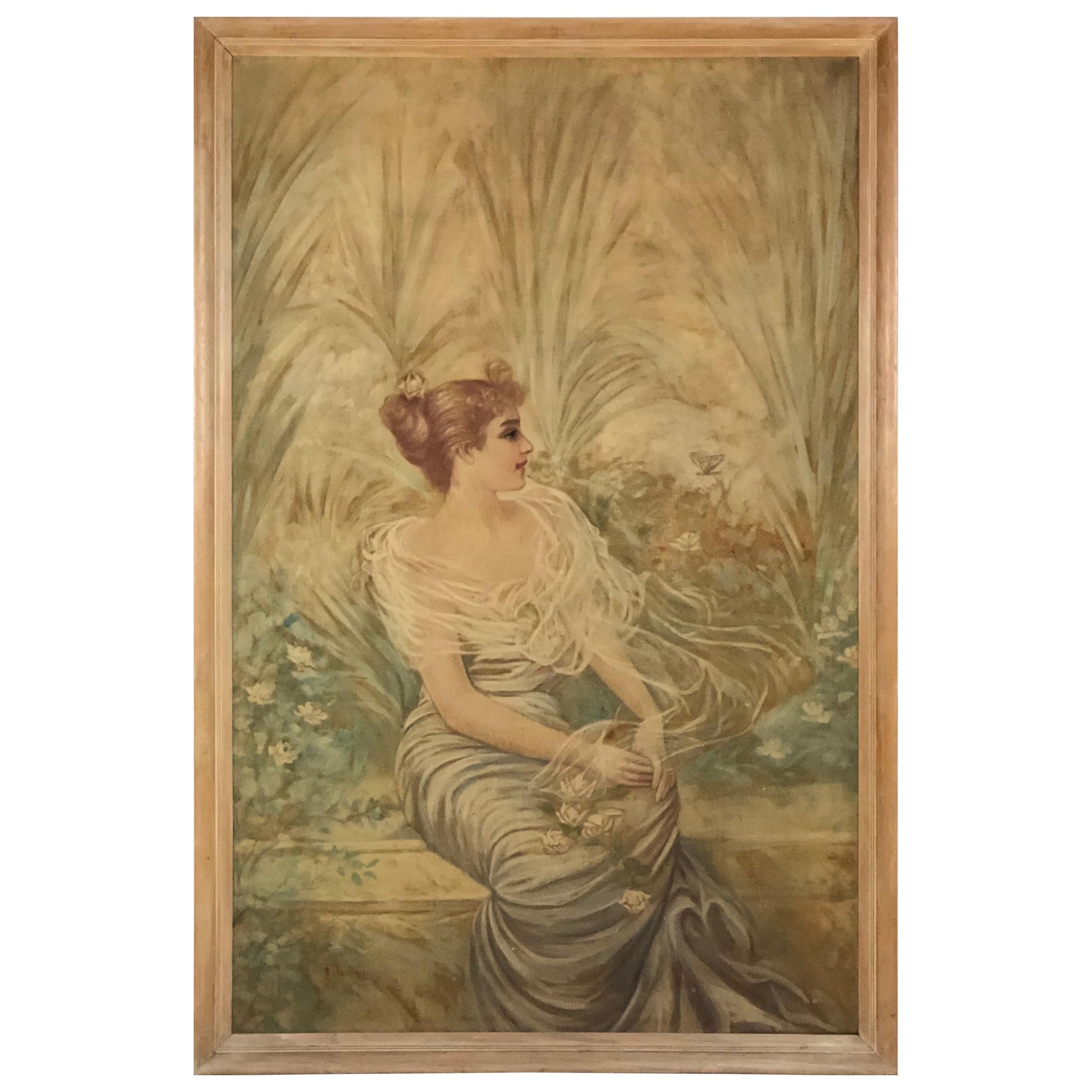
Art Nouveau Portrait Painting, circa 1900

Art Nouveau Portrait Painting, circa 1900

Located in Atlanta, GA

Late 19th or early 20th century garden portrait of a lady painted in the period of Art Nouveau. Stylized palms serve as an elegant backdrop for a seated heiress painted in soft paste...

Category

Antique Early 1900s Art Nouveau Paintings

Materials

Canvas, Wood

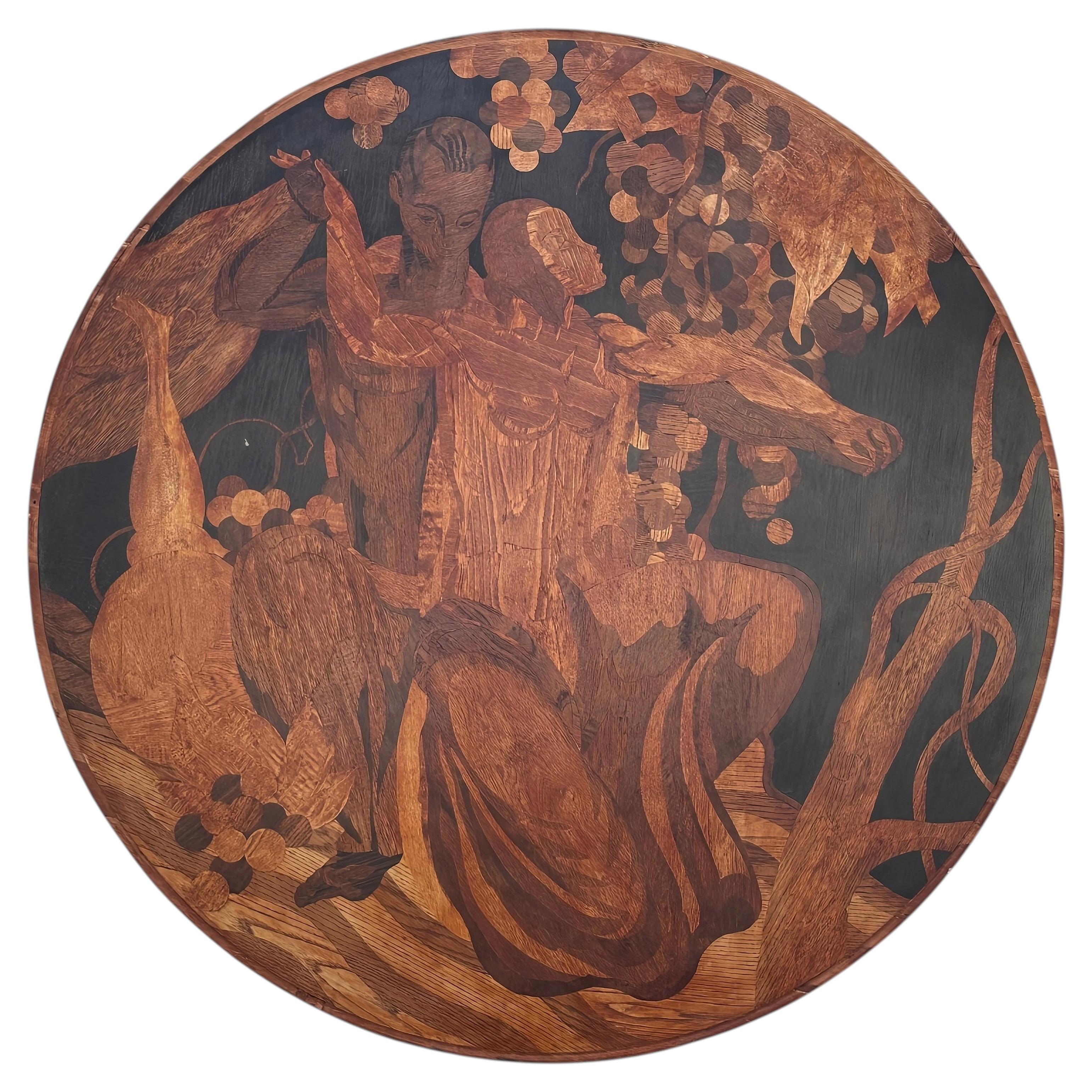
Marquetry un wood, Made in France

Marquetry un wood, Made in France

Located in Ciudad Autónoma Buenos Aires, C

Amaizing Marquetry Country: France We have specialized in the sale of Art Deco and Art Nouveau and Vintage styles since 1982.If you have any questions we are at your disposal. Pushin...

Category

Vintage 1920s French Art Nouveau Decorative Art

Materials

Wood

Art Nouveau Oil Painting, Church Study, 20th Century, Edouard Bauhain

Art Nouveau Oil Painting, Church Study, 20th Century, Edouard Bauhain

By Edouard Bauhain

Located in Lisbon, PT

An intriguing 20th-century work, a study for a church fresco ceiling, showcases the artistic genius of Bauhain, a pivotal figure bridging Art Nouveau and Art Deco styles. The piece ...

Category

20th Century French Art Nouveau Paintings

Materials

Canvas

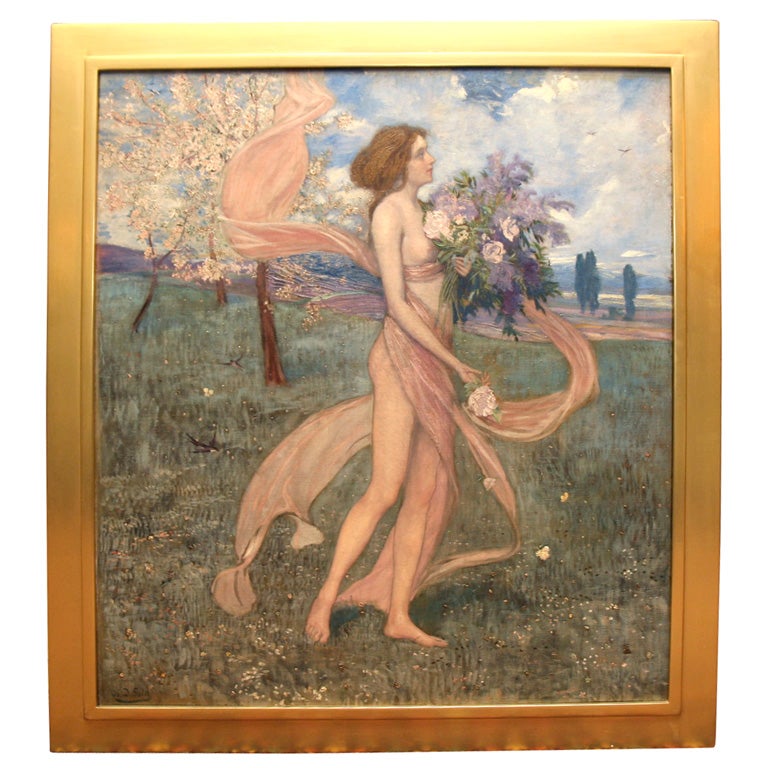
Oil on Canvas, Painting by Georges Picard, Spring, Art Nouveau Period.

Oil on Canvas, Painting by Georges Picard, Spring, Art Nouveau Period.

By Georges Picard

Located in Saint-Ouen, FR

Oil on canvas, painting by Georges Picard, spring, early 20th century, Art Nouveau period. Painting, oil on canvas by Georges Picard representing an interpretation of spring, early ...

Category

Early 20th Century French Art Nouveau Drawings

Materials

Canvas

Art Nouveau Painting by Alexander Goltz, "Fruhling"

Art Nouveau Painting by Alexander Goltz, "Fruhling"

By Alexander Demetrius Goltz

Located in Bridgewater, CT

Oil on canvas by Austrian artist Alexander Demetrius Goltz (1857-1944) depicting a spring allegory subject, from circa 1900. Titled "Fruhling" or "Girl...

Category

Early 20th Century Austrian Art Nouveau Paintings

Materials

Canvas

Watercolour Drawing by Kenneth Stevens MacIntire of a Three Fold Screen

Watercolour Drawing by Kenneth Stevens MacIntire of a Three Fold Screen

By Kenneth Stevens MacIntire

Located in Norwich, England

A lovely watercolor of a three-fold screen design depicting dancing women amongst flowers and trees. Kenneth Stevens MacIntire (American, 1891-1979). Delivery is INCLUDED for all ...

Category

20th Century American Art Nouveau Paintings

Materials

Paper