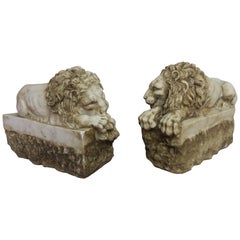
Renaissance Animal Sculptures

RENAISSANCE STYLE

Spanning an era of cultural rebirth in Europe that harkened back to antiquity, the Renaissance was a time of change in design. From the late 1400s to the early 1600s, Rome, Venice and Florence emerged as artistic centers through the expansion of global trade and a humanist belief in the arts being central to society. Antique Renaissance furniture was ornately carved from sturdy woods like walnut, its details standing out against the tapestries and stained glass adorning the walls.

Renaissance chests, which were frequently commissioned for marriages, were often decorated with gilding or painted elements. Those that were known as cassoni were crafted in shapes based on classical sarcophagi. As opposed to the medieval era, when furniture was pared down to the necessities, a wide range of Renaissance chairs, tables and cabinets were created for the home, and the designs regularly referenced ancient Rome.

Large torchères of the Renaissance era that were used as floor lamps were inspired by classical candelabras, while marble surfaces evoked frescoes. The inlaid boxes being imported from the Middle East informed the intarsia technique, which involved varying hues of wood in mosaic-like patterns, such as those by architect Giuliano da Maiano in the Florence Cathedral.

Tapestry-woven cushion covers accented the variety of Renaissance seating — from conversation to study chairs — while bookcases for secular use reflected the migration of culture and knowledge from the church into the home. The aesthetics of the Italian Renaissance later spread to France through the publishing of work by renowned designers, including Hugues Sambin and Jacques Androuet du Cerceau. Centuries later, the 19th-century Renaissance Revival would see a return to this influential style.

Find a collection of antique Renaissance case pieces, decorative objects and other furniture on 1stDibs.

to
6
19
9
6
4
1
1
2,498
887
731
327
296
282
224
219
102
65
46
33
23
20
20
17
11
10
9
6
4
3
3
15
4
17
10
4
2
2
Height
to
Width
to
19
19
19
1
Style: Renaissance
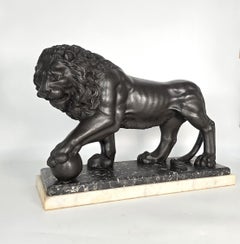
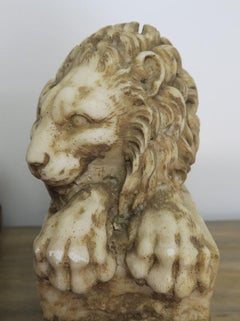
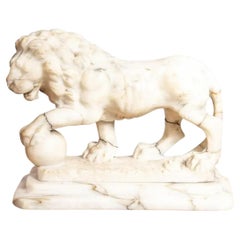
Italian Alabaster Figure of The Medici Lion, 19th Century

Italian Alabaster Figure of The Medici Lion, 19th Century

Located in London, GB

Italian Alabaster Figure of the Medici Lion Late 19th century Italian carved alabaster 'Grand Tour' souvenir sculpture, after the antique, "The Medici Lion". Carved alabaster mode...

Category

19th Century Italian Antique Renaissance Animal Sculptures

Materials

Alabaster

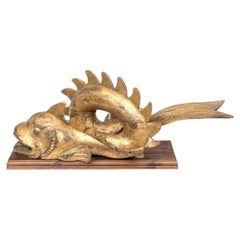
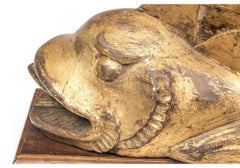
Monumental Antique Renaissance Style Carved Gilt Wood Dolphin Sculpture

Monumental Antique Renaissance Style Carved Gilt Wood Dolphin Sculpture

Located in Bridgeport, CT

This striking Renaissance style carved gilt wood sculpture depicts a "grotesque" dolphin surmounted on a wood plinth base. The sculpture is modeled after classical Greco-Roman descr...

Category

19th Century Antique Renaissance Animal Sculptures

Materials

Wood

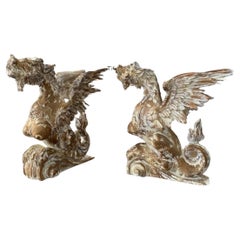
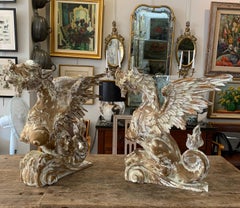
Pair of early C19th century carved oak Italian Griffin’s

Pair of early C19th century carved oak Italian Griffin’s

Located in London, GB

An impressive and large pair of carved oak/lime wood winged griffins from the C19TH. Likely Italian in origin and influenced by the European mythology of Hvars beast a carved galley...

Category

1840s Italian Antique Renaissance Animal Sculptures

Materials

Oak

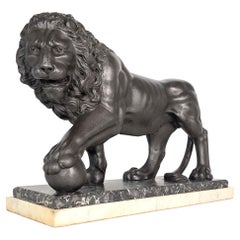
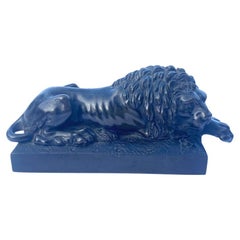
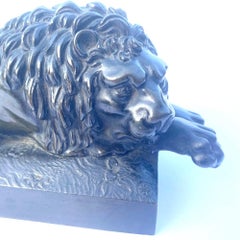
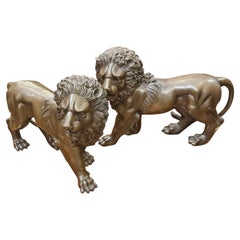
Pair of Bronze Medici Lions

Pair of Bronze Medici Lions

$966Sale Price / set|20% Off

Pair of Bronze Medici Lions

Located in London, GB

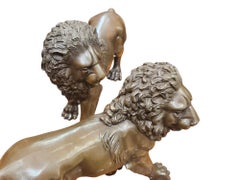
A Lovely Pair of Medici Bronze Lions Lovely Patina and Definition C20th

Category

Late 20th Century Unknown Renaissance Animal Sculptures

Materials

Bronze

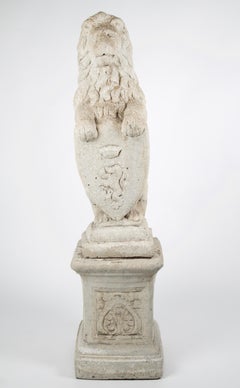
20th Century French Stone Lion with Shield on Pedestal

20th Century French Stone Lion with Shield on Pedestal

Located in Los Angeles, CA

20th century French stone lion holding a shield on a pedestal. A 20th century lion carved from stone holding a crest carved with a lion with wearing a crown. It is a representation o...

Category

Early 20th Century French Renaissance Animal Sculptures

Materials

Cast Stone

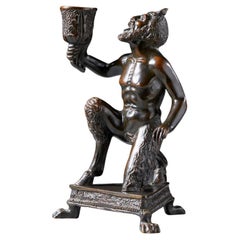
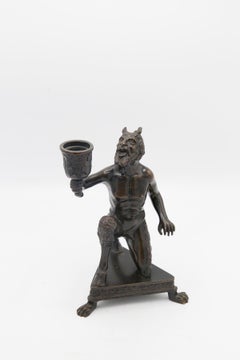
Calzetta Da Ravenna Severo Candlestick Depicting a Kneeling Satyr

Calzetta Da Ravenna Severo Candlestick Depicting a Kneeling Satyr

By Severo Calzetta da Ravenna

Located in Milano, IT

Calzetta Da Ravenna (Attivo Tra IL 1496 E IL 1543 circa) Severo. Circle of. Candlestick depicting a kneeling satyr. The model of the present bronze is the ""kneeling satyr"" attributed to Severo Calzetta da Ravenna, one of the main Paduan bronze sculptors of the first half of the 16th century, whose figure was rediscovered by Planiscig in 1935 (L. Planiscig, ""Severo da Ravenna...

Category

16th Century Italian Antique Renaissance Animal Sculptures

Materials

Bronze

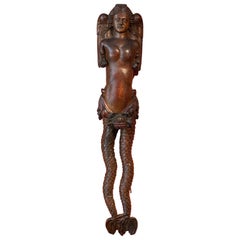
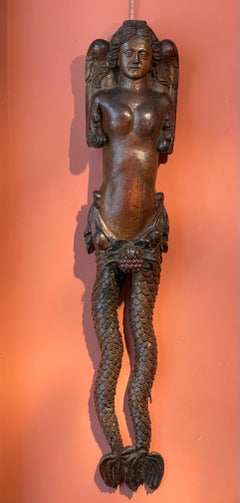
16th Century Southern Germany Carved Wood Bracket Depicting a Mermaid

16th Century Southern Germany Carved Wood Bracket Depicting a Mermaid

Located in Saint-Ouen, FR

In Medieval Europe and even more during the early 16th century fantastic beasts could be found in Bestiaries, a literary genre close to poetry. A bestiary used the characteristics of...

Category

16th Century German Antique Renaissance Animal Sculptures

Materials

Wood

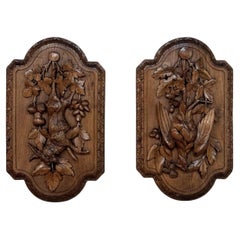
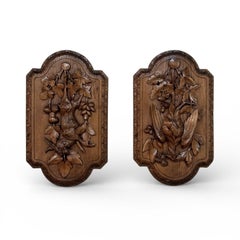
Pair 19th Century Country French Hunt Style Hand-Carved Oak Plaques

Pair 19th Century Country French Hunt Style Hand-Carved Oak Plaques

Located in Dallas, TX

Pair 19th Century Country French Hunt Style Hand-Carved Oak Plaques is a striking pair executed on a generous scale and richly detailed in the beloved hunt tradition of the late 19th...

Category

Late 19th Century French Antique Renaissance Animal Sculptures

Materials

Oak

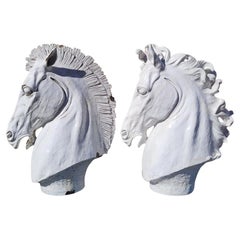
Two Ceramic Horse Heads, Height 70cm, Italy, 20th Century

Two Ceramic Horse Heads, Height 70cm, Italy, 20th Century

Located in MARSEILLE, FR

2 large ceramic horses' heads with a glossy white glaze, inspired by the "Horses of San Marco" or Donatello's so-called Protomé Carafa horse head. The two heads have different exp...

Category

20th Century Italian Renaissance Animal Sculptures

Materials

Ceramic

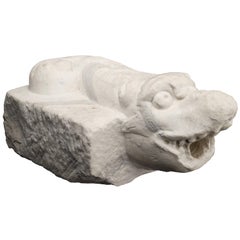
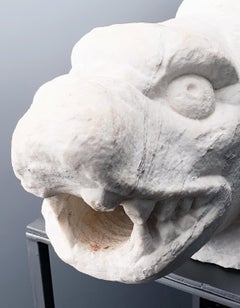
16th Century Italian Carrara Marble Sea Monster Fountain Sculpture

16th Century Italian Carrara Marble Sea Monster Fountain Sculpture

Located in Milano, IT

Sea monster Carrara marble mouth fountain Italy, late 16th century It measures 13.8 x 31.5 x 18.9 in (35 x 80 x 48 cm) State of conservation: some small evident gaps and widespread signs of wear due to outdoor exposure. The gray marks crossing it do not come from restoration, but are rather the natural veins of the marble. This work has some morphological characteristics typically associated with the iconography of the sea monster: an elongated muzzle, sharp teeth, protruding eyes, elongated ears, and a coiled serpent's tail. An in-depth series of studies on artistic depictions of the sea monster attempted to verify how this symbol evolved in antiquity in the European and Mediterranean contexts and how it gradually changed its image and function over time. The iconography itself is mutable and imaginative and its history is rich with cultural and artistic exchange, as well as the overlapping of ideas. This occurred so much that it is difficult to accurately pinpoint the "types" that satisfactorily represent its various developments. However, we can try to summarize the main figures, starting from the biblical Leviathan and the marine creature that swallowed Jonah (in the Christian version, this figure was to become a whale or a "big fish", the “ketos mega”, translation of the Hebrew “dag gadol”). Other specimens ranged from the dragons mentioned in the Iliad (which were winged and had legs) to "ketos” (also from Greek mythology), the terrifying being from whose Latinized name (“cetus”) derives the word "cetacean". See J. Boardman, “Very Like a Whale” - Classical Sea Monsters, in Monsters and Demons in the Ancient and Medieval Worlds, in Papers presented in Honor of Edith Porada, Mainz am Rhein 1987, pp. 73-84). In Italy the monster underwent yet further variations: it can be found in Etruscan art on the front of some sarcophagi representing the companion of souls, while among the Romans we find the “Pistrice” (cited by Plinio in Naturalis Historia PLIN., Nat., II 9, 8 and by Virgilio in Eneide: VERG., Aen., III, 427), which appeared in the shape of a stylized hippocampus or a very large monstrous cetacean and evolved into a hideous being with a dragon's head and long webbed fins. During the Middle Ages, the sea monster was the object of new transformations: at this time, it is often winged, the head is stretched like a crocodile, the front legs are often very sharp fins - sometimes real paws - until the image merges with dragons, the typical figures of medieval visionary spirituality widely found throughout Europe (on this topic and much more, see: Baltrušaitis, J., Il Medioevo fantastico. Antichità ed esotismi nell’arte gotica, Gli Adelphi 1997). In Italy during the 15th and 16th centuries, the revival of classicism - representative of the humanistic and Renaissance periods - led to a different reading of these "creatures". Indeed, the sea monster was also to find widespread use as an isolated decorative motif, especially in numerous fountains and sculptures where dolphins or sea monsters were used as a characterizing element linked to water (on this theme see: Chet Van Duzer, Sea Monsters on Medieval and Renaissance Maps, London, The British library, 2013). From the morphological point of view, the "sea monsters" of this period are mostly depicted as hybrid figures, in which the body of a mythological or real being (a hippocampus, a sea snake, a dolphin), is joined to a head with a rather indistinct appearance. It was usually characterized by large upright ears, an elongated snout, sharp teeth and globular, protruding eyes; a complex and indefinite figure, both from the symbolic point of view and from that of its genesis. The work we are examining is placed as a cross between the medieval sea serpent and the Renaissance dolphin, with stylistic features which recall the snake as often used in heraldry (such as the "snake" depicted in the coat of arms of the Visconti - the lords and then dukes of Milan between 1277 and 1447 - and which, for some, may be derived from the representations of the “Pistrice” that swallowed Jonah). In the search for sources, Renaissance cartography and in particular woodcuts should not be neglected. See for example the monsters of Olaus Magnus, from the editions of the “Historia de gentibus septentrionalibus” (“History of the peoples of the north”) and the natural histories of Conrad Gesner, Ulisse...

Category

16th Century Italian Antique Renaissance Animal Sculptures
Materials

Carrara Marble

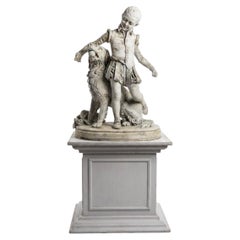
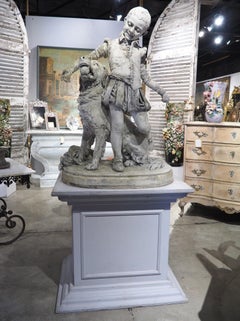
Signed Antique French Plaster Sculpture, A Renaissance Boy and His Dog, C. 1880

Signed Antique French Plaster Sculpture, A Renaissance Boy and His Dog, C. 1880

Located in Dallas, TX

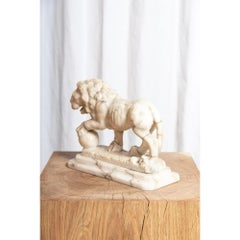
More information coming soon… Attributed to Provin Serres, a French Academic sculpture and disciple of Mathieu Morin, this large plaster sculpture depicts a boy with his faithful do...

Category

Late 19th Century French Antique Renaissance Animal Sculptures
Materials

Plaster, Wood, Paint

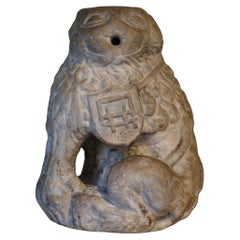
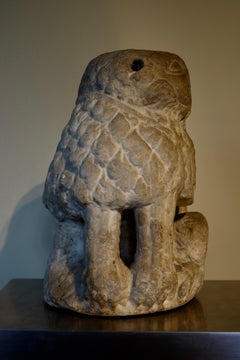
Marble Lion, Périgord, 17th Century

Marble Lion, Périgord, 17th Century

$3,898Sale Price|40% Off

Marble Lion, Périgord, 17th Century

Located in Bruxelles, BE

Marble lion white marble France, probably Périgord, 17th century Small marble lion wearing a coat of arms pendant with the engraved date, ...

Category

17th Century French Antique Renaissance Animal Sculptures
Materials

Marble

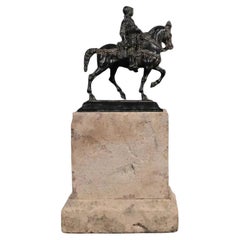
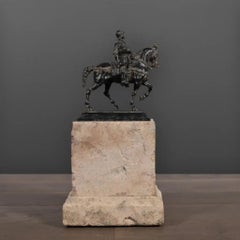
Renaissance Horseman Sculpture on Sandstone Base

Renaissance Horseman Sculpture on Sandstone Base

Located in Saint-Ouen, FR

This elegant sculpture portrays a horseman in the Florentine Renaissance style, inspired by the great equestrian monuments that once adorned Italian piazzas. The finely cast rider, f...

Category

20th Century Italian Renaissance Animal Sculptures

Materials

Marble, Sandstone

Lion Stone Sculpture Architectural Garden Renaissance

Lion Stone Sculpture Architectural Garden Renaissance

Located in BUNGAY, SUFFOLK

This sculpture has taken on a different character over time as it has weathered and the detailing has softened. Time has given it a pared down, minimalist quality juxtaposing the R...

Category

16th Century English Antique Renaissance Animal Sculptures
Materials

Limestone

Pair of Eagles 16th Century from North Italy Church Lectern

Pair of Eagles 16th Century from North Italy Church Lectern

Located in Brussels, Brussels

Exceptional pair of aigles of the 16th century of Italy Superbe pair of wooden sculpted aigles from the Italian Renaissance. Very Fine and delicate sculpture The pair of eagles se...

Category

16th Century Italian Antique Renaissance Animal Sculptures
Materials

Giltwood

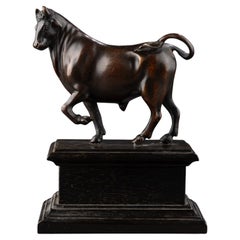
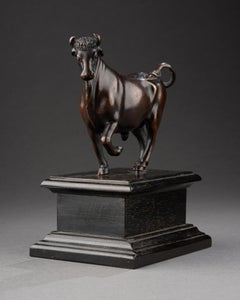
AFTER A MODEL BY GIAMBOLOGNA (1529–1608) - Pacing Bull

AFTER A MODEL BY GIAMBOLOGNA (1529–1608) - Pacing Bull

Located in Bruxelles, BE

AFTER A MODEL BY GIAMBOLOGNA (1529–1608)
 Pacing Bull
17th century
 Bronze, on an ebonised wood base H totale 15 x L 11,5 x P 8,2 cm Since antiquity, the bull has been venerated as ...

Category

17th Century Italian Antique Renaissance Animal Sculptures
Materials

Bronze

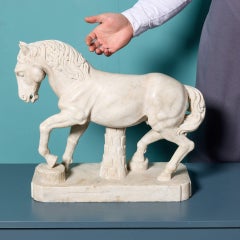
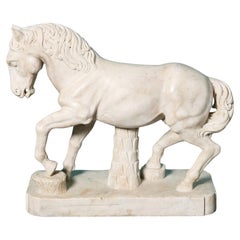
Marble Statue of a Pacing Stallion, After the Antique

Marble Statue of a Pacing Stallion, After the Antique

Located in Wormelow, Herefordshire

An elegant marble statue of the pacing stallion after the antique by Alceo Doessena. Inspired by the Horses of San Marco in Venice, this beautifull...

Category

Mid-19th Century English Antique Renaissance Animal Sculptures
Materials

Marble

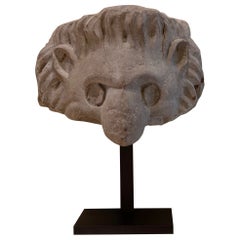
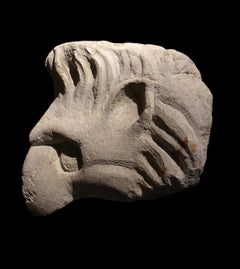
Grotesque Mask -Griffin Head - Central Italy, 16th century

Grotesque Mask -Griffin Head - Central Italy, 16th century

Located in Bruxelles, BE

Grotesque Mask (Griffin Head)
Central Italy, 16th century
Carved stone
20 × 29 × 21 cm (excluding the stand) This carved stone mask depicts a stylis...

Category

16th Century Italian Antique Renaissance Animal Sculptures
Materials

Stone

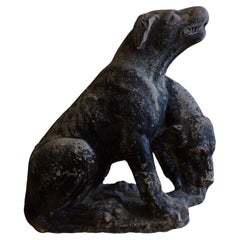
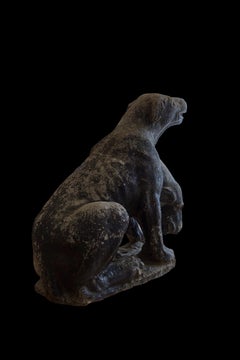
Cerberus, Italy, 17th Century

Cerberus, Italy, 17th Century

$19,491Sale Price|25% Off

Cerberus, Italy, 17th Century

Located in Bruxelles, BE

Cerberus Black painted stone Italy, 17th century Measures: 80 x 69 x 36cm (one head missing) Cerberus, cruel monster, fierce and strange, Through his wide threefold throat barks as a dog Over the multitude immers'd beneath. His eyes glare crimson, black his unctuous beard, His belly large, and claw'd the hands, with which He tears the spirits, flays them, and their limbs Piecemeal disparts (Dante, Inferno, Canto VI). Cerberus figure seated, in his role of ferocious guardian of the underworld; he shows a nervous musculature, an adherent skin which reveals the ribs, long and robust limbs; his heads are broad and the eyes set well apart. Painted in black to amplify his menacing look, the infernal guardian is depicted with his famous attributes, writhing his heads, growling and barking furiously. Cerberus, in Greek mythology, was the monstrous watchdog of the underworld – also known as the “hound of Hades” – preventing the dead from leaving, and making sure that those who entered never left. A child of Typhon and Echidna, he was part of a monstrous family, which included Orthus, the Lernaean Hydra, and the Chimaera as well. Only on three occasions Cerberus was tricked by visitors of Hades: Heracles did it with his strength, Orpheus with his music. In "The Inferno", Dante places Cerberus as the guardian of the third circle of Hell. With his three mouths, Dante saw Cerberus as a beast that was synonymous with the sin of Gluttony. Virgil gets past the monster by throwing mud in his three mouths, temporarily choking him. Very rare are the representations of Cerberus in ancient statuary...

Category

17th Century Italian Antique Renaissance Animal Sculptures
Materials

Stone

Related Items
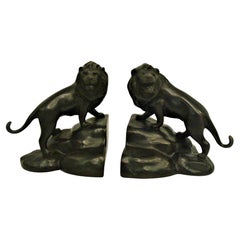
19th Century Pair of Japanese Bronze Lions Bookends, Meiji Period

19th Century Pair of Japanese Bronze Lions Bookends, Meiji Period

Located in Buenos Aires, Olivos

This superb and rare pair of Japanese Meiji period bronze bookends are cast in solid bronze and depict a pair of Lions, with their heads raised. These finely sculpted pieces are beau...

Category

Late 19th Century Japanese Antique Renaissance Animal Sculptures
Materials

Bronze

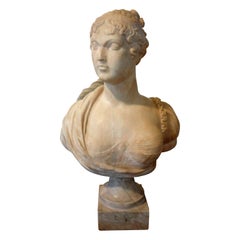
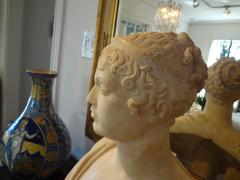
19th Century Italian Alabaster Bust

19th Century Italian Alabaster Bust

$3,950

H 20.25 in W 13 in D 7.5 in

19th Century Italian Alabaster Bust

Located in Houston, TX

19th century Italian alabaster bust. Well sculpted antique Italian alabaster or marble bust of a classical female mounted on a plinth. This is a beautifully detailed antique alabaster bust...

Category

1860s Italian Antique Renaissance Animal Sculptures
Materials

Alabaster

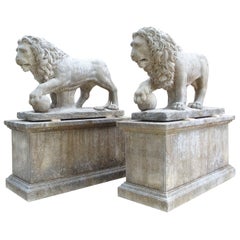
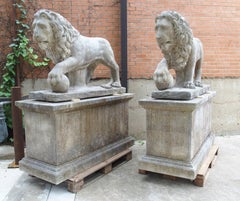
The Lions of Florence, Monumental Pair of Italian Carved Limestone Medici Lions

The Lions of Florence, Monumental Pair of Italian Carved Limestone Medici Lions

Located in Dallas, TX

The monumental size of this pair of hand-carved limestone lions is quite impressive, and their stature has been embellished by positioning them on classic, rectangular pedestals. Florence, Italy, is known for its artistic depictions of lions, ranging from the city’s coat of arms to the famous Marzocco lion that is currently part of Piazza della Signoria, and of course, the Medici lions, which inspired this pair. Just like the original Medici, these lions mirror...

Category

21st Century and Contemporary Italian Renaissance Animal Sculptures
Materials

Stone, Limestone

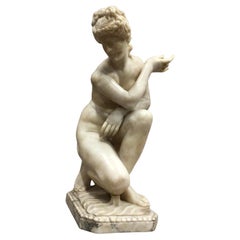
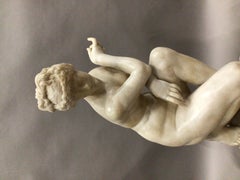
Early C19th Large marble figure of Crouching Venus

Early C19th Large marble figure of Crouching Venus

$10,010

H 24.5 in W 14 in D 11.5 in

Early C19th Large marble figure of Crouching Venus

Located in Shipston-On-Stour, GB

A superbly carved early C19th `Grand Tour` marble sculpture of the crouching Venus in good scale. The nude goddess half-kneels on an integral naturalistic base, her arms crossed in f...

Category

1830s French Antique Renaissance Animal Sculptures
Materials

Marble

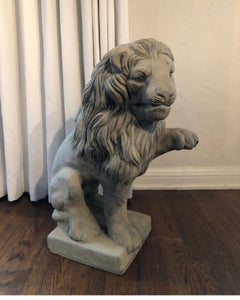
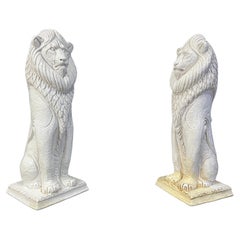
Vintage French Cast Stone Seated Figural Lion Statue, 20th Century

Vintage French Cast Stone Seated Figural Lion Statue, 20th Century

$1,672Sale Price|25% Off

H 23 in W 10 in D 18 in

Vintage French Cast Stone Seated Figural Lion Statue, 20th Century

Located in Los Angeles, CA

Mid-20th century cast stone garden sculpture lion seated on plinth with one paw raised. Beautiful detail of head and mane. Some natural patina a...

Category

Mid-20th Century French Renaissance Animal Sculptures
Materials

Stone

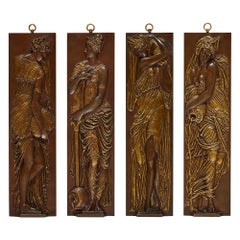
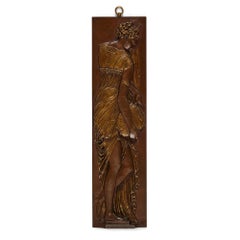
Four Antique Bronze Plaques Depicting Water-Nymphs, by Ferdinand Barbedienne

Four Antique Bronze Plaques Depicting Water-Nymphs, by Ferdinand Barbedienne

By Ferdinand Barbedienne

Located in London, GB

Four antique bronze plaques depicting water-nymphs, by Ferdinand Barbedienne French, 19th century. Measures: Height 47cm, width 12cm, depth 2.5cm Finely cast in relief from patinated bronze with parcel gilt patina, these French 19th Century panels each depict a Classical female water-nymph. The relief structure and design is after four panels from the important marble fountain from the Renaissance period in Paris called the Fontaine des Innocents. This was created by the French sculptor Jean Goujon...

Category

19th Century French Antique Renaissance Animal Sculptures
Materials

Bronze

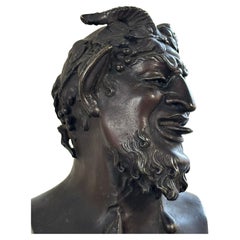
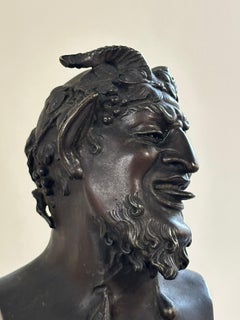
Bronze sculpture depicting a bust of a satyr dating back to the 19th century ca.

Bronze sculpture depicting a bust of a satyr dating back to the 19th century ca.

Located in Milano, Lombardia

Bronze bust depicting a satyr, characterized by a marked theatrical and grotesque expressiveness. The face features a mocking smile with a slightly protruding tongue, while the obliq...

Category

Mid-19th Century Italian Antique Renaissance Animal Sculptures
Materials

Marble, Bronze

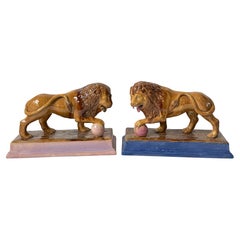
Rare Pair of Ralph Wood Staffordshire Medici Lions in Pink and Blue Bases

Rare Pair of Ralph Wood Staffordshire Medici Lions in Pink and Blue Bases

By Ralph Wood Pottery

Located in West Palm Beach, FL

Rare Pair of Ralph Wood Staffordshire Medici Lions in Pink and Blue Bases, Attributed to Ralph Wood, Staffordshire, England, circa 1780 A rare and highly distinctive pair of Staffor...

Category

Early 19th Century English Antique Renaissance Animal Sculptures
Materials

Pottery

A 19th century classical sculpture of a Medici lion, English circa 1850

A 19th century classical sculpture of a Medici lion, English circa 1850

Located in Central England, GB

This superb mid 19th century very large classical Roman Medici lion is beautifully detailed and cast in solid plaster, which is hand finished with a bronze-like patina. The lion is ...

Category

Mid-19th Century British Antique Renaissance Animal Sculptures
Materials

Plaster

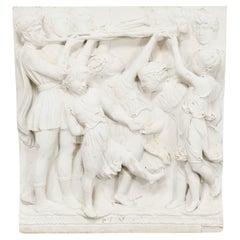
Renaissance Style Plaster Relief Sculpture After Luca della Robbia

Renaissance Style Plaster Relief Sculpture After Luca della Robbia

Located in Rio Vista, CA

A remarkable large-scale plaster relief sculpture cast after the marble reliefs Luca della Robbia carved for the Cantoria Frieze of Santa Maria del Fiore, Florence in 1431–1438 title...

Category

20th Century Italian Renaissance Animal Sculptures
Materials

Wire

Chinese Carved Limestone Head of the Buddha, Mid-20th Century

Chinese Carved Limestone Head of the Buddha, Mid-20th Century

Located in Austin, TX

A sensitively carved limestone monumental head of the Buddha, China, mid-20th century. The large carved limestone head displays a quiet sensuousness typical of the Northern Qi style, and follows Northern Qi stylistic conventions, with an oval shaped head covered in pinwheel shaped curls. His full lips...

Category

Mid-20th Century Chinese Renaissance Animal Sculptures
Materials

Limestone

Previously Available Items
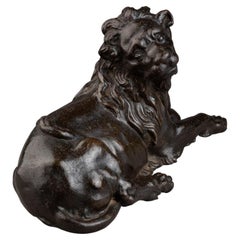
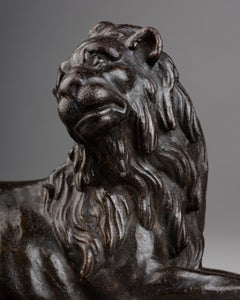
Recumbent Lion - Central Italy, 17th century

Recumbent Lion - Central Italy, 17th century

Sold

H 5.91 in W 9.26 in D 4.34 in

Recumbent Lion - Central Italy, 17th century

Located in Bruxelles, BE

Recumbent Lion Bronze with dark brown patina Central Italy, 17th century 15 x 23,5 x 11 cm The lion is modelled couchant on an integral rectangular base, the body elongated with th...

Category

17th Century Italian Antique Renaissance Animal Sculptures
Materials

Bronze

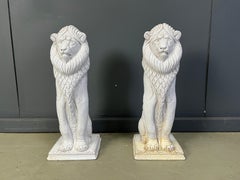
Pair of Renaissance style terracotta lion sculptures, 1950s

Pair of Renaissance style terracotta lion sculptures, 1950s

Located in Leuven, Vlaams Gewest

Glazed terracotta lion sculptures in renaissance style. Very stately, charismatic expression. Ideal for a porch, entryway,... Good condition, once has some yellow discoloration on...

Category

1950s Italian Vintage Renaissance Animal Sculptures
Materials

Terracotta

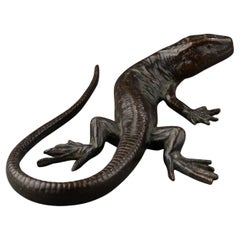
Bronze salamander - 17th century

Bronze salamander - 17th century

Sold

H 1.58 in W 6.7 in D 4.34 in

Bronze salamander - 17th century

Located in Bruxelles, BE

Bronze salamander Italy, 17th century Patinated bronze 4 x 17 x 10 cm This finely cast bronze salamander exemplifies the 17th-century fascination with naturalistic forms and animal ...

Category

17th Century Italian Antique Renaissance Animal Sculptures
Materials

Bronze

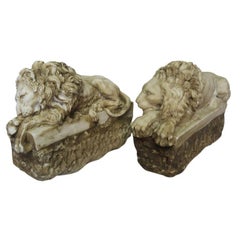
Pair of Carved Stone Replica Lions originally by Antonio Canova

Pair of Carved Stone Replica Lions originally by Antonio Canova

Located in Los Angeles, CA

A pair of replica stone lions that were originally created by Antonio Canova (1757-1822). The renowned Italian artist, created the originals of these lions as a part of the monumenta...

Category

Early 20th Century Italian Renaissance Animal Sculptures
Materials

Limestone

19th century bronze model of a lion

19th century bronze model of a lion

Sold

H 3.94 in W 9.26 in D 3.35 in

19th century bronze model of a lion

Located in Folkestone, GB

Finely cast mid 19th century bronze model of a recumbent lion after the originals by Antonio Canova. The Canova Lions, sculpted by Antonio Canova in 1792 ...

Category

19th Century European Antique Renaissance Animal Sculptures
Materials

Bronze

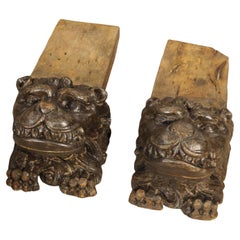
Pair of 16th Century Italian Renaissance Carved Wooden Lion Supports

Pair of 16th Century Italian Renaissance Carved Wooden Lion Supports

Located in Dallas, TX

Hand-carved in the 1500s, these Italian lion supports are the work of a master-level craftsman. It is possible that they were originally legs for a High Renaissance cassone. A fresh ...

Category

16th Century Italian Antique Renaissance Animal Sculptures
Materials

Wood

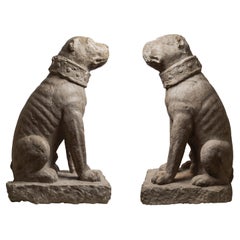
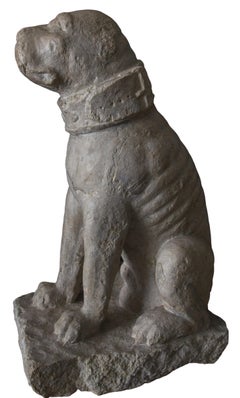
Rare Pair of Venetian Sitting Mastiffs Dogs

Rare Pair of Venetian Sitting Mastiffs Dogs

By Venetian School

Located in Bruxelles, BE

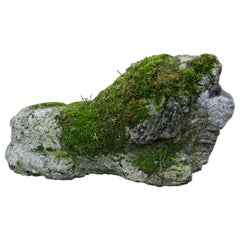
Rare pair of sitting Mastiffs dogs. Venice, end of 15th century - first half of the 16th century. Istrian stone. Provenance: - Important private collection of an architect and scenographer from Orvieto (Umbria) A regular exportation licence delivered by the Italian Ministry of Culture accompanies the work. The representation of the dog dates back to ancient times, when dogs were considered weapons of war and used to attack the enemy or stand guard to protect strategic locations. At the entrance to the Pompei’s villa, the presence of a "cave canem...

Category

16th Century Italian Antique Renaissance Animal Sculptures
Materials

Stone

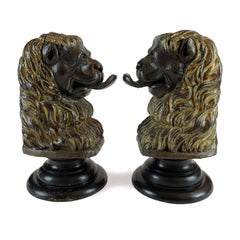
19th Century Pair of Italian Animalier Lion Sculptures with Tongue Sticking Out

19th Century Pair of Italian Animalier Lion Sculptures with Tongue Sticking Out

Located in Milano, MI

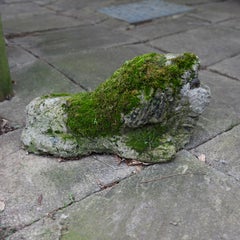
Pair of antique carved lion head sculptures partially gilt, mounted on modern circular ebonized wooden bases. Dating back to the early 19th century, Renaissance taste, Italian origin, in good age related condition.  Both lion figures have  idealized appearance, are carved in the form of a bust, with tongue sticking out and a thick mane, almost a hairstyle that completely covers the neck. This pair of antique animal sculptures...

Category

Early 19th Century Italian Antique Renaissance Animal Sculptures
Materials

Walnut

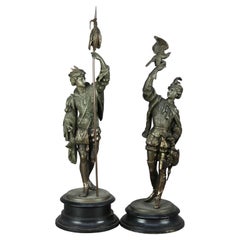
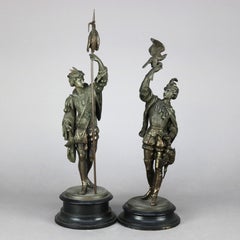
Pair Antique Bronzed Metal Renaissance Statues, Falconer & The Hunt, c1890

Pair Antique Bronzed Metal Renaissance Statues, Falconer & The Hunt, c1890

Located in Big Flats, NY

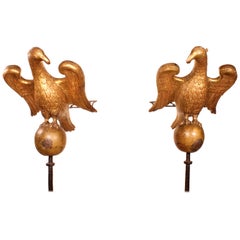
A pair of antique sculptures offer cast metal construction depicting Renaissance men, falconer, fisherman and fowl hunter with birds, seated on ebonize...

Category

Late 19th Century European Antique Renaissance Animal Sculptures
Materials

Metal

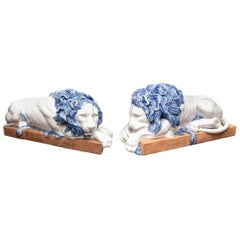
Massive Pair of Italian Glazed Terracotta Lions

Massive Pair of Italian Glazed Terracotta Lions

Located in Bridgeport, CT

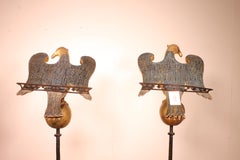
A pair of powerfully modeled recumbent male lions in white glaze with blue fur details. Mounted on terra-cotta bases. Measures: Length 54", depth 20", Height. 23" Condition: The ov...

Category

Mid-20th Century Italian Renaissance Animal Sculptures
Materials

Terracotta

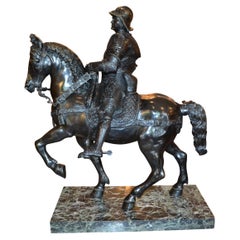
Grand Tour Bronze of the Equestrian Statue of Colleoni After Verrocchio

Grand Tour Bronze of the Equestrian Statue of Colleoni After Verrocchio

By Andrea del Verrocchio

Located in Vancouver, British Columbia

A very finely cast late 19 century Grand Tour bronze replica of the renowned statue of Bartolomeo Colleoni on horseback set on a verde antico marble base after the life sized bronze statue by the Renaissance sculptor Andrea Del Verrocchio...

Category

Late 19th Century Italian Antique Renaissance Animal Sculptures
Materials

Bronze

Pair of Carved Stone Replica Lions originally by Antonio Canova

Pair of Carved Stone Replica Lions originally by Antonio Canova

Located in Los Angeles, CA

A pair of replica stone lions that were originally created by Antonio Canova (1757-1822). The renowned Italian artist, created the originals of these lions as a part of the monumenta...

Category

Early 20th Century Italian Renaissance Animal Sculptures
Materials

Limestone

Renaissance animal sculptures for sale on 1stDibs.
Find a broad range of unique Renaissance animal sculptures for sale on 1stDibs. Many of these items were first offered in the Mid-20th Century, but contemporary artisans have continued to produce works inspired by this style. If you’re looking to add vintage animal sculptures created in this style to your space, the works available on 1stDibs include decorative objects, building and garden elements, case pieces and storage cabinets and other home furnishings, frequently crafted with stone, bronze and other materials. If you’re shopping for used Renaissance animal sculptures made in a specific country, there are Europe, Italy, and France pieces for sale on 1stDibs. While there are many designers and brands associated with original animal sculptures, popular names associated with this style include Ludovico De Luigi, Duchoiselle, Severo Calzetta da Ravenna, and Tiffany & Co.. It’s true that these talented designers have at times inspired knockoffs, but our experienced specialists have partnered with only top vetted sellers to offer authentic pieces that come with a buyer protection guarantee. Prices for animal sculptures differ depending upon multiple factors, including designer, materials, construction methods, condition and provenance. On 1stDibs, the price for these items starts at $1,850 and tops out at $82,669 while the average work can sell for $7,024.