Video Loading
Want more images or videos?
Request additional images or videos from the seller
1 of 12

Wassily Kandinsky
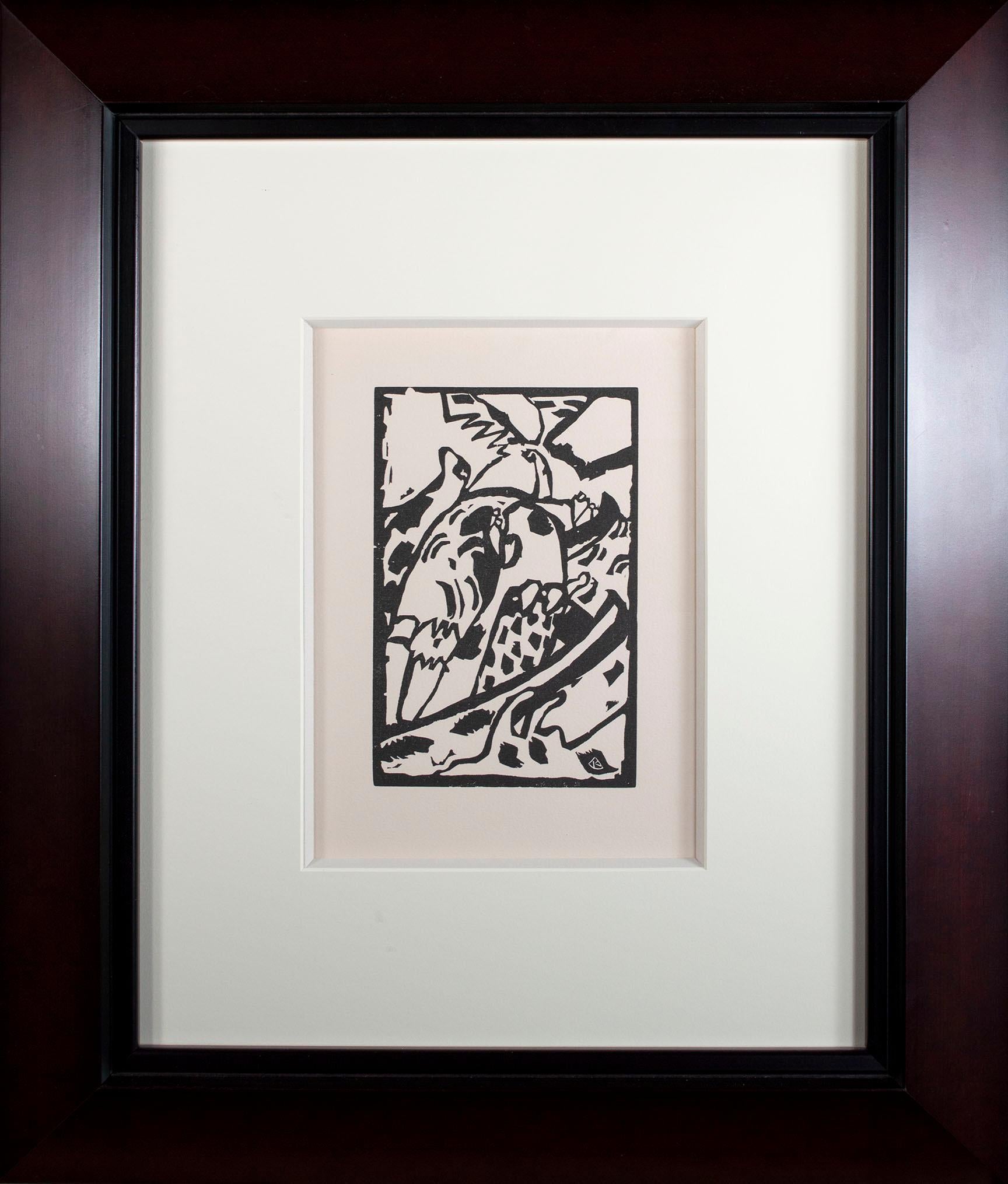
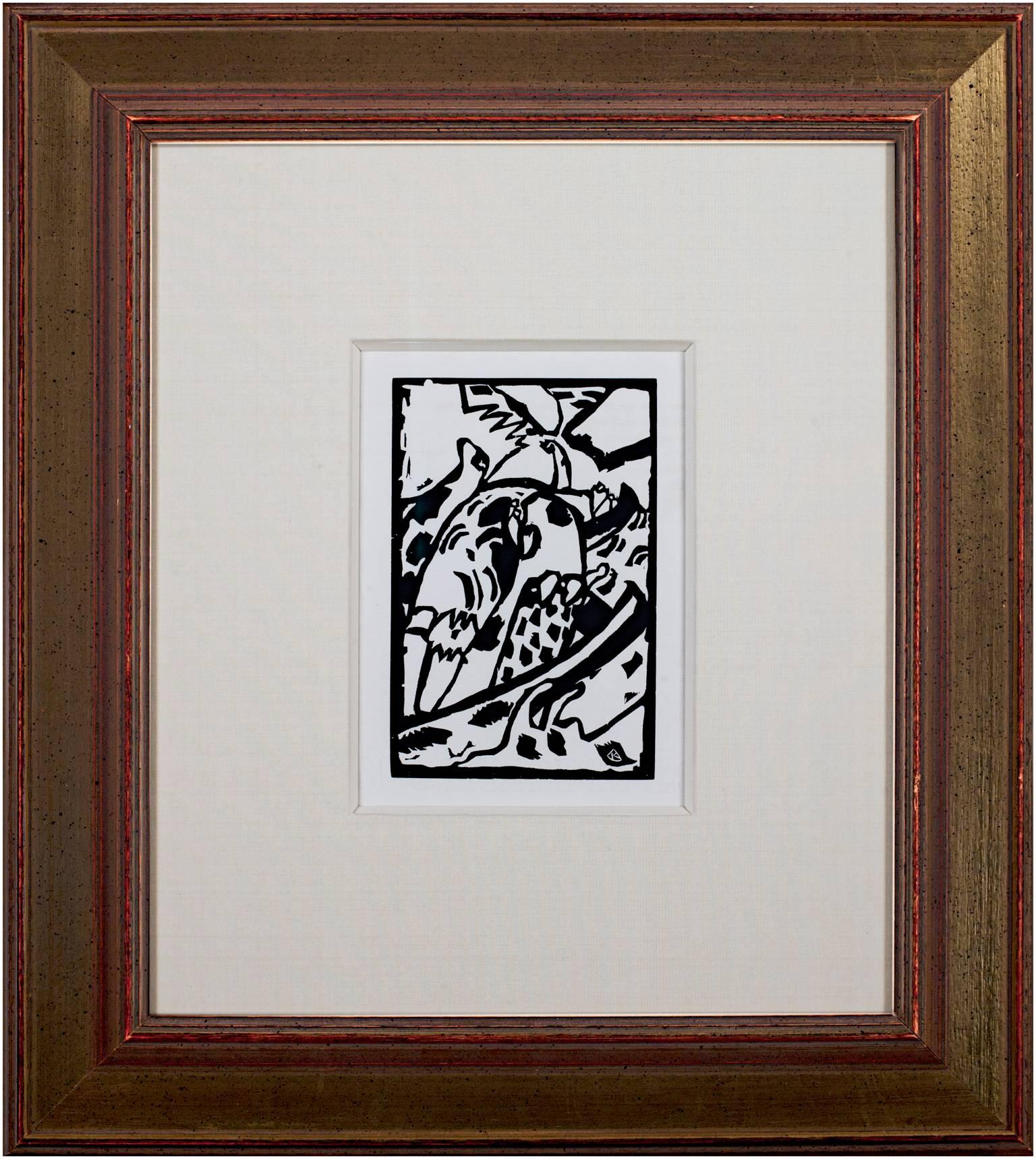
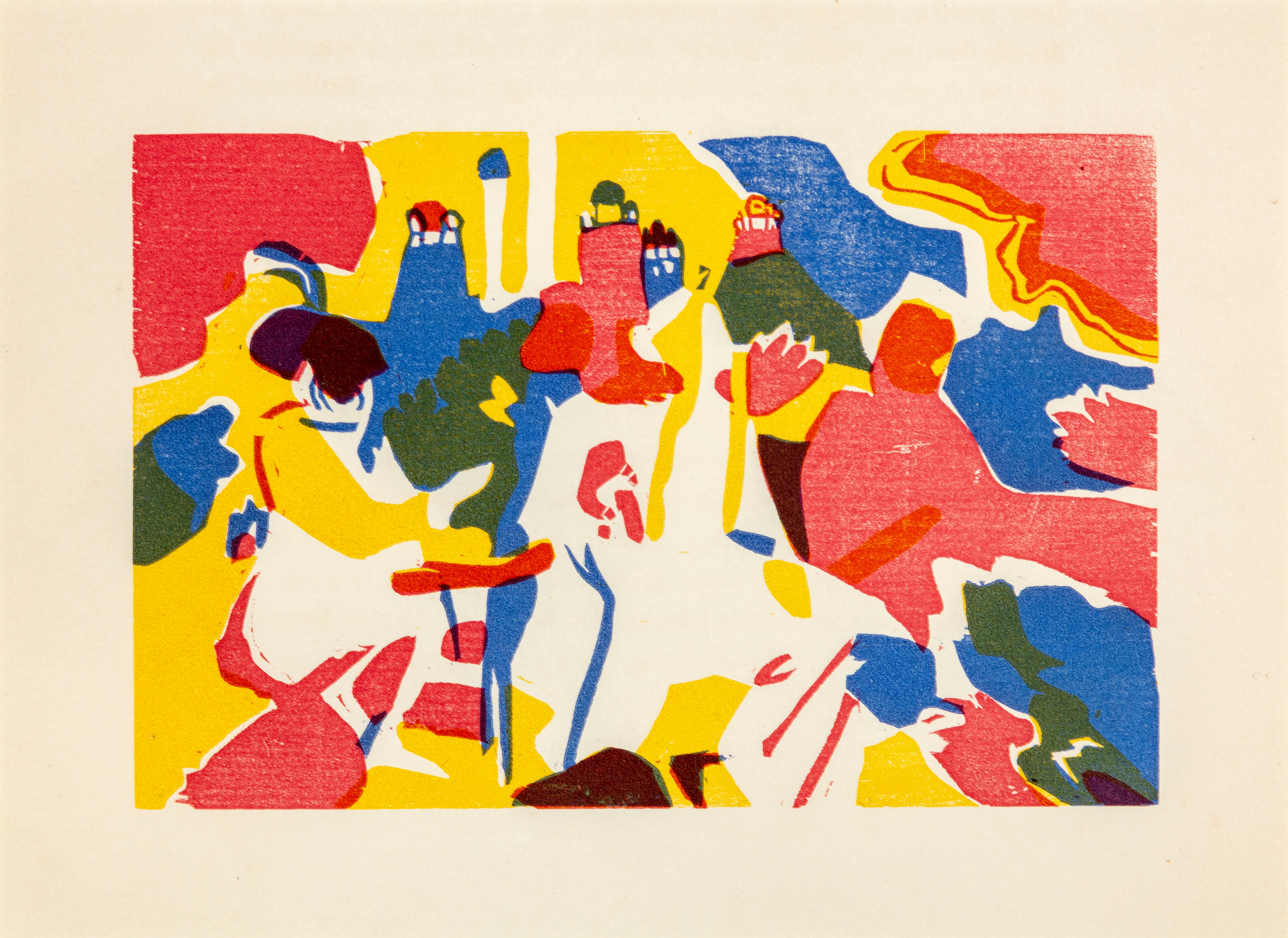
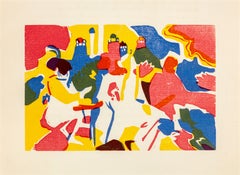
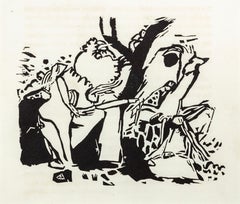
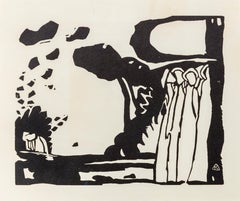
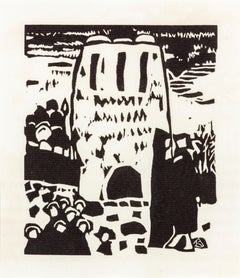
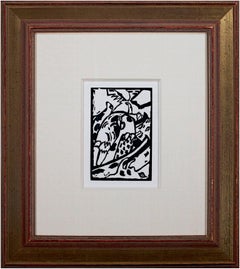
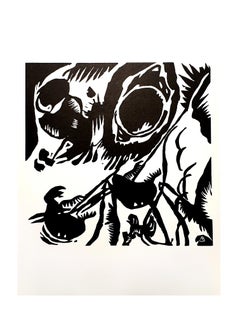
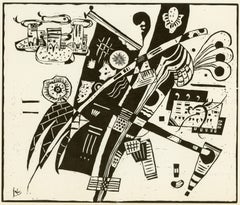
Klänge: Weisser Klang Woodcut Print, Abstract, Framed, Circa 1910-1919

1911

$26,100
£19,589.61
€22,858.55
CA$36,874.11
A$36,969.07
CHF 21,423.31
MX$451,732.93
NOK 248,265.67
SEK 253,520.85
DKK 170,861.25

About the Item

Original color woodcut 3.44 x 3.82 in (8.74 x 9.7 cm) Framed 15.75 x 16.25 in #113 in the catalogue Raisonné of Kandinsky's Graphic Works by Hans K. Roethel
  • Creator:
    Wassily Kandinsky (1866 - 1944, Russian)
  • Creation Year:
    1911
  • Dimensions:
    Height: 3.44 in (8.74 cm)Width: 3.82 in (9.71 cm)
  • More Editions & Sizes:
    118 of 300Price: $26,100
  • Medium:
  • Movement & Style:
  • Period:
  • Framing:
    Frame Included
    Framing Options Available
  • Condition:
  • Gallery Location:
    Milwaukee, WI
  • Reference Number:
    Seller: G144341stDibs: LU605318150262

More From This Seller

View All
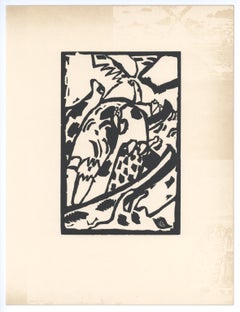
'Improvisation 7' original first ed. woodcut  from 'Klänge' by Wassily Kandinsky

'Improvisation 7' original first ed. woodcut from 'Klänge' by Wassily Kandinsky

By Wassily Kandinsky

Located in Milwaukee, WI

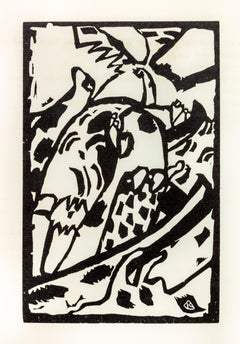
The present woodcut print comes from 'Klänge (Sounds),' a book of original graphics and poetry by Wassily Kandinsky. This first edition was released in an edition of 300, each book signed and numbered by the artist. The title of the album and this particular print, 'Improvisation,' demonstrated Kandinsky's interest in music and how abstract musical forms could be translated into images on a two-dimensional surface. This particular composition is difficult to read, but through the abstraction, one can make out various figures and a landscape beyond. 7.5 x 5 inches, image 22 x 19.5 inches, frame Woodcut in black ink on laid paper (watermark Van Gelder Zonen) Signed with encircled 'K' in the block, lower right Framed to conservation standards using 100 percent acid free archival materials including silk-lined matting with 1/4 inch bevel, museum glass, and a gold-gilded moulding Ref. Roethel 124 The Museum of Modern Art described 'Klänge (Sounds)' as follows: Vasily Kandinsky's self-described "musical album," Klänge (Sounds), consists of thirty-eight prose-poems he wrote between 1909 and 1911 and fifty-six woodcuts he began in 1907. In the woodcuts Kandinsky veiled his subject matter, creating increasingly indecipherable images (though the horse and rider, his symbol for overcoming objective representation, runs through as a leitmotif). This process proved crucial for the development of abstraction in his art. Kandinsky said his choice of media sprang from an "inner necessity" for expression: the woodcuts were not merely illustrative, nor were the poems purely verbal descriptions. Kandinsky sought a synthesis of the arts, in which meaning was created through the interaction of, and space between, text and image, sound and meaning, mark and blank space. The experimental typography shows his interest in the physical aspects of the book. Klänge is one of three major publications by Kandinsky that appeared shortly before World War I, alongside Über die Geistige in der Kunst (Concerning the Spiritual in Art) and the Blaue Reiter almanac...

Category

1910s Blue Rider Abstract Prints

Materials

Woodcut

You May Also Like

Wassily Kandinsky - Composition - Woodcut

Wassily Kandinsky - Composition - Woodcut

By Wassily Kandinsky

Located in Collonge Bellerive, Geneve, CH

Wassily Kandinsky - Composition - Original Woodcut Condition: excellent 32 x 24 cm 1959 Published by XXe siècle, San Lazzaro Printed signature (monogram) in the plate Unnumbered as i...

Category

1960s Abstract Geometric Animal Prints

Materials

Woodcut

Etching 1916 Number II

Etching 1916 Number II

By Wassily Kandinsky

Located in New York, NY

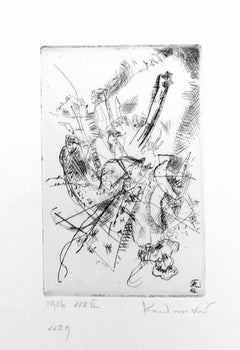
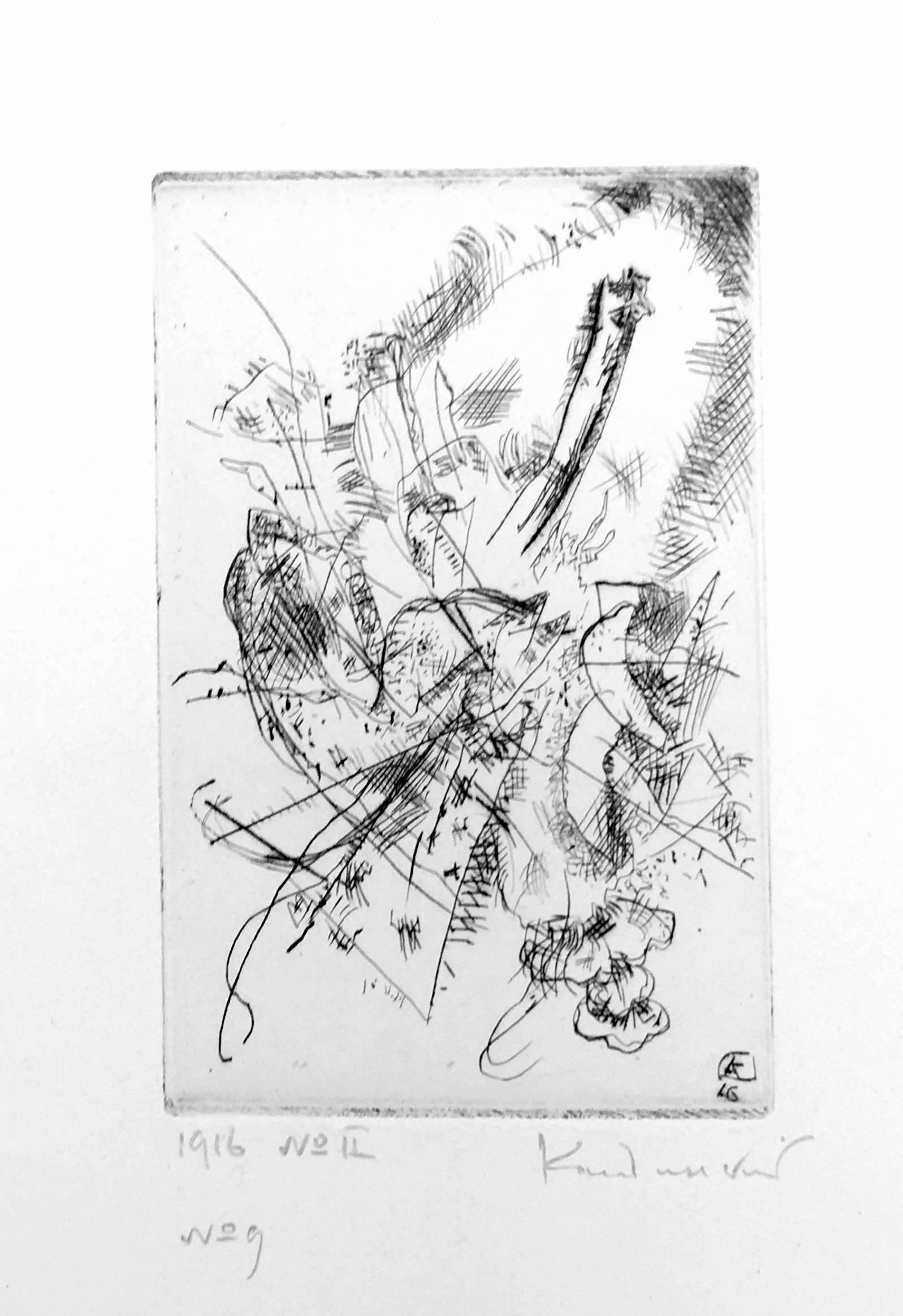
Wassily Kandinsky (1866-1944), Etching 1916 Number II, drypoint, signed in pencil lower right, titled, numbered (No. 9) and dated lower left [also with initials and date in the plate lower right]. Reference: Roethel 154, only state, edition of 10. In excellent condition (the barest handling fold at sheet edge), printed on a heavy ivory wove paper, the full sheet with full margins, 4 7/8 x 3 1/4, the sheet 17 1/2 x 13 inches, archival mount with window mat. A fine fresh impression of this great rarity, printed in a dark brown ink. Kandinsky created this drypoint (erroneously named Etching 1916) in early 1916 while staying with Gabriel Munter in Stockholm during the winter of 1915-16. This is from the second series of drypoints he made; the first was in the year 1913-14. Provenance: Kornfeld Auction, Bern, June 2007. The tiny size of this edition (10) makes this print a great rarity within the Kandinsky’s printed...

Category

1910s Abstract Abstract Prints

Materials

Drypoint

"Schwartzer Fleck" original woodcut

"Schwartzer Fleck" original woodcut

By Wassily Kandinsky

Located in Henderson, NV

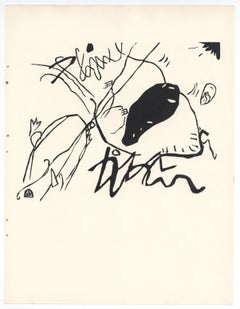
Medium: original woodcut. Catalogue reference Roethel 145. Printed in Paris in 1938 for the art revue XXe Siecle (issue number 3). Image size: 7 x 8 1/2 inches (170 x 218 mm). Sheet ...

Category

1930s Expressionist Figurative Prints

Materials

Woodcut

"10 Origin" original woodcut

"10 Origin" original woodcut

By Wassily Kandinsky

Located in Henderson, NV

Medium: original woodcut. (Catalogue reference Roethel 203). Printed in 1975 on Arches paper for the "Homage to Kandinsky" special edition of the art revue XXe Siecle. Image size: 8 ...

Category

1970s Prints and Multiples

Materials

Woodcut

Kandinsky, Abstract Composition, c. 1935, Posthmous 1st edition, Roethel 24B

Kandinsky, Abstract Composition, c. 1935, Posthmous 1st edition, Roethel 24B

By Wassily Kandinsky

Located in Fairlawn, OH

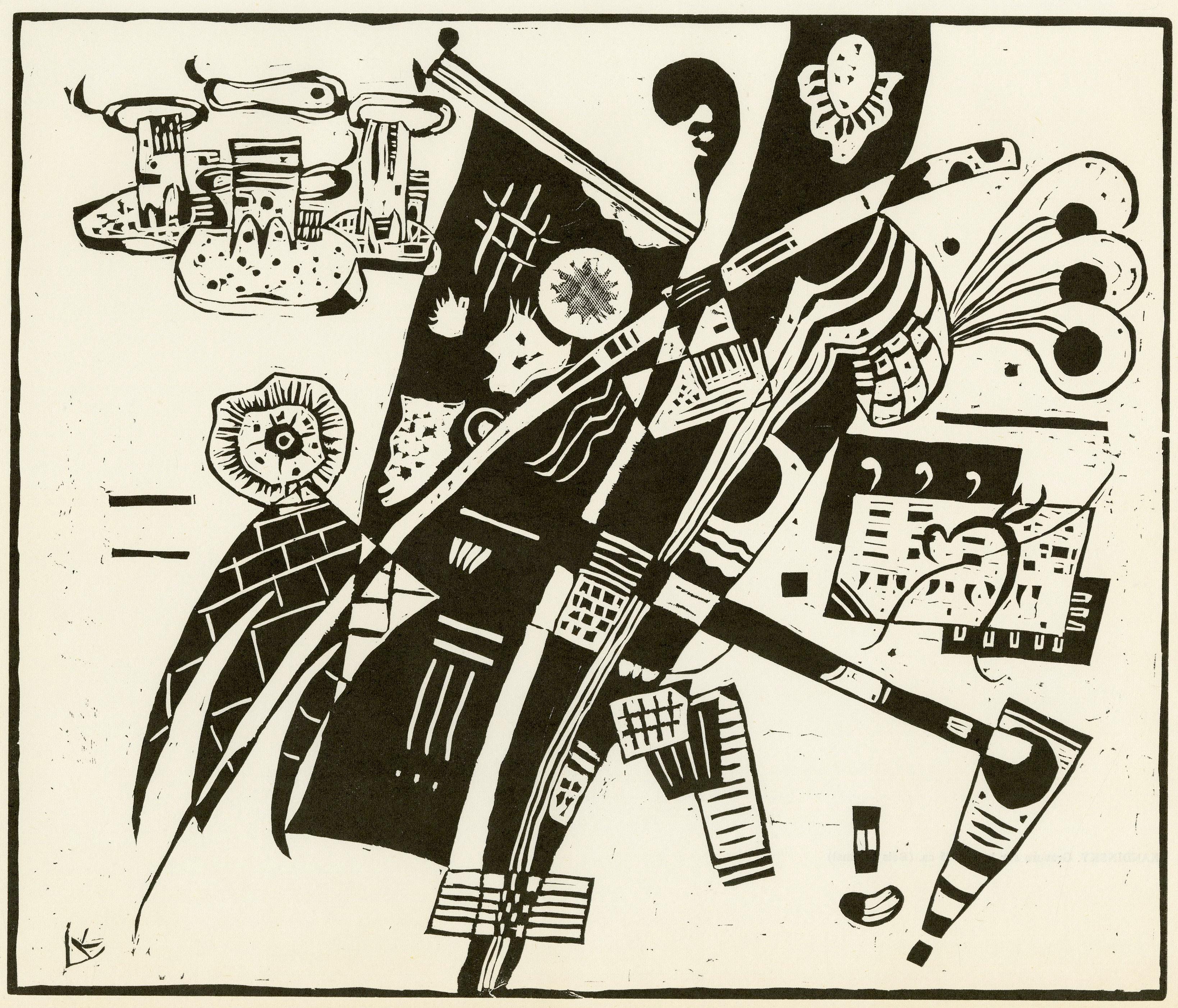
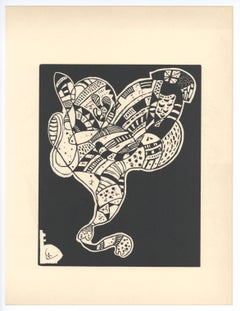
Composition Woodcut, c. 1935, printed 1966 Signed in the block lower left (see photo) This is the first printing of this image. Created in 1935, it was never printed during Kandinsky's lifetime. It is a POSTHUMOUS printing. Published by Gualtieri di San Lazzaro, Éditions XXe Siècle, Paris Issued in XXe Siècle, nouvelle série, no. 27, December 1966, Centenaire de Kandinsky Unsigned and unnumbered, as issued Edition commonly reported as approximately 2,000 Condition: Excellent Image size: 9 1/8 x 10 15/16 inches Reference: Roethel 24b Created in 1935 but apparently left unprinted during Kandinsky’s lifetime, Composition was first issued posthumously in December 1966 in the Kandinsky centenary number of the Parisian art review XXe Siècle. The woodcut was printed from Kandinsky’s original block rather than reproduced photographically. It is therefore properly described as an original, posthumously printed woodcut—not as a reproductive print “after” Kandinsky. Contemporary documentation identifies the composition as having been cut by the artist in 1935 and first published by Éditions XXe Siècle in 1966. Publication details and dimensions The print belongs to Kandinsky’s final period, begun after the closing of the Bauhaus and his move from Germany to Neuilly-sur-Seine, near Paris, in 1933. Its vocabulary differs markedly from the romantic landscapes, horsemen and apocalyptic subjects of his early Munich woodcuts. The forms are now self-contained and biomorphic: circles, hooks, floating linear elements and irregular organic silhouettes coexist within an open field. Although nonrepresentational, they suggest minute organisms, astronomical bodies or signs belonging to an invented visual language. The black-and-white medium gives the image unusual clarity. Solid forms function like sustained musical tones, while thin lines, dots and isolated marks provide accents and intervals. Areas of untouched paper are equally active, allowing the components to float without conventional gravity or horizon. Kandinsky organizes these elements through visual tension rather than perspective: large and small, dense and open, curved and angular forms establish a rhythmic equilibrium across the sheet. The woodcut process was fundamental to Kandinsky’s development. Its demand for simplification encouraged him to reduce images to essential contrasts of shape, line and ground. Nearly two-thirds of his approximately two hundred prints were made between 1900 and 1911, and his increasingly abstract woodcuts for Klänge played a decisive role in his movement away from representation. MoMA’s Kandinsky printmaking overview In this late composition, Kandinsky returned to the medium with the more refined geometry and organic imagery of his Paris years. The circumstances of the 1966 publication are integral to the work’s history. XXe Siècle, directed by the Italian-born critic and publisher Gualtieri di San Lazzaro, regularly included original prints by major modern artists. Issue no. 27, entitled Centenaire de Kandinsky, commemorated the hundredth anniversary of Kandinsky’s birth. It contained two original Kandinsky woodcuts...

Category

1930s Abstract Abstract Prints
Materials

Woodcut

"Improvisation 7" original woodcut

"Improvisation 7" original woodcut

By Wassily Kandinsky

Located in Henderson, NV

Medium: original woodcut. (Catalogue reference Roethel 124). Printed in 1975 on Arches paper for the "Homage to Kandinsky" special edition of the art revue XXe Siecle. Image size: 7 ...

Category

1970s Prints and Multiples

Materials

Woodcut