Video Loading
Want more images or videos?
Request additional images or videos from the seller
1 of 25

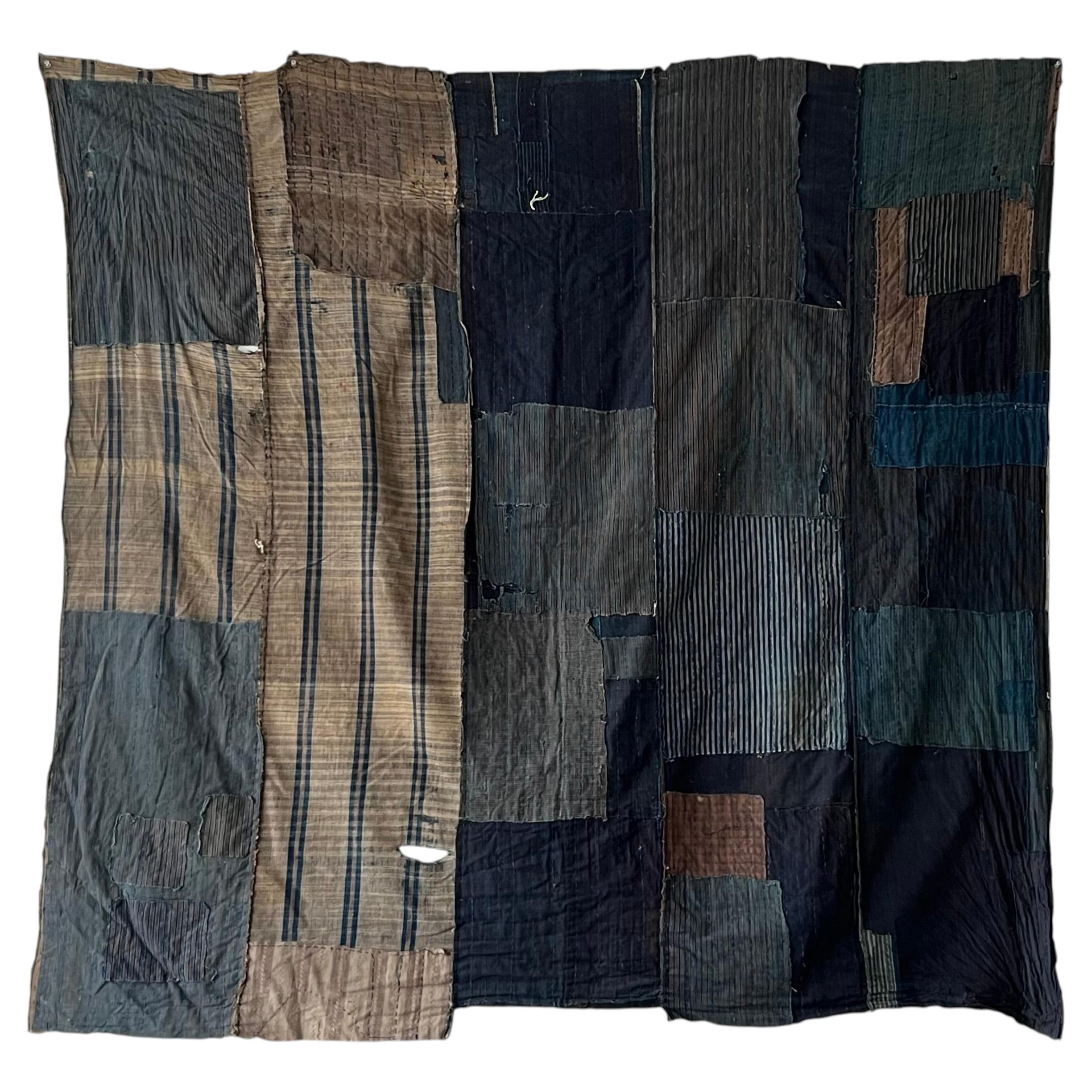
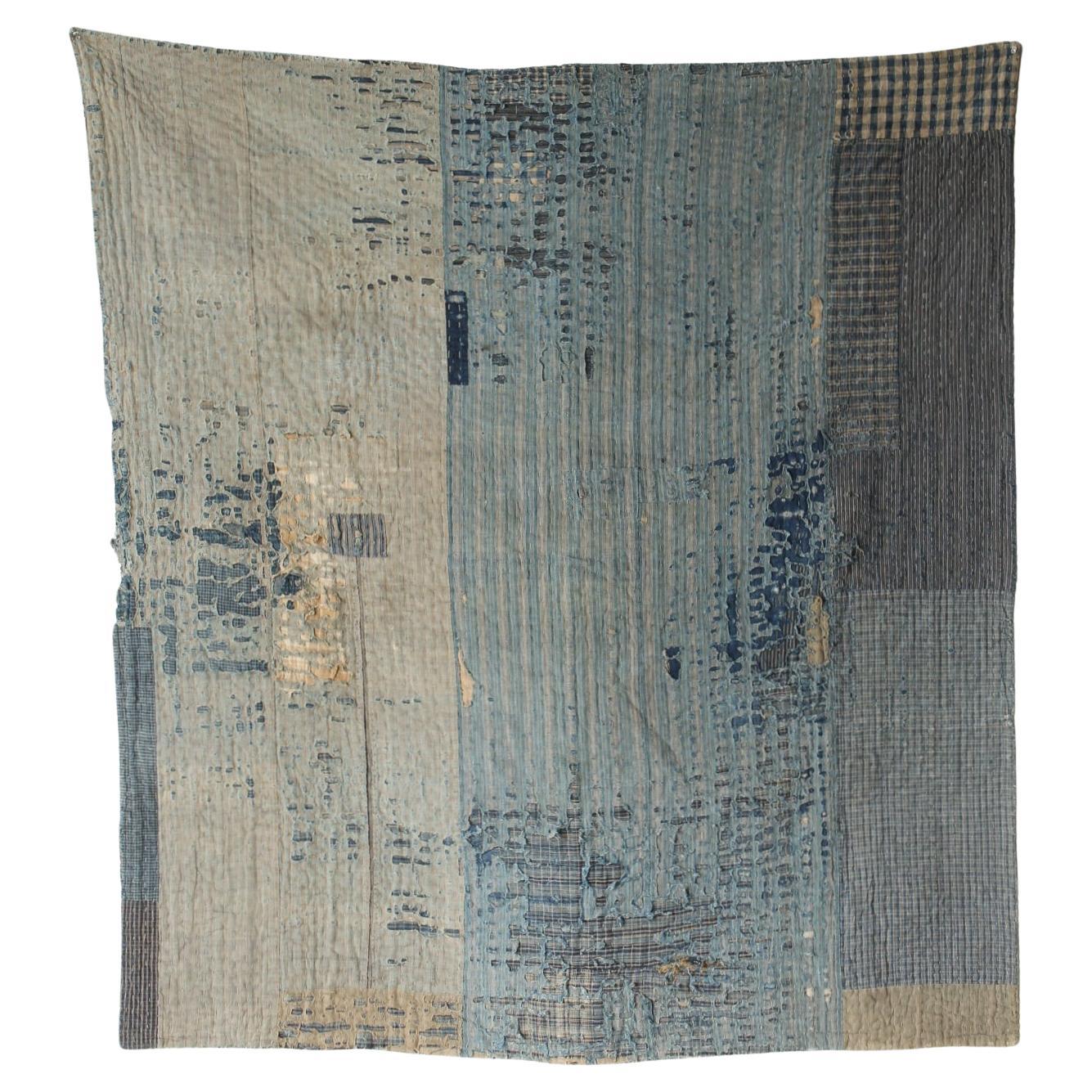
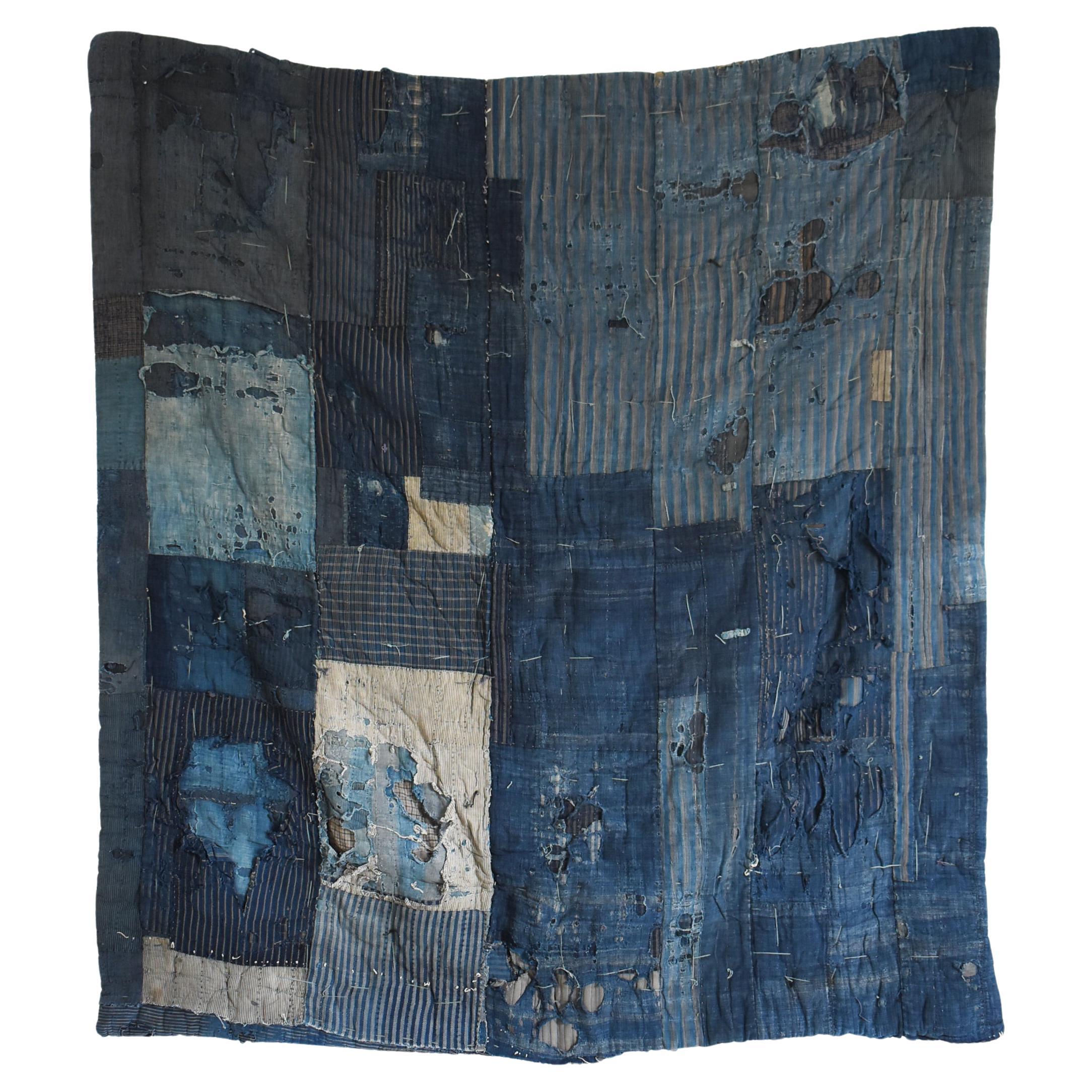
Antique Japanese Boro Cotton Patchwork Textile / Indigo-dyed fabric tapestry

$2,500
£1,884.79
€2,193.95
CA$3,517.11
A$3,537.70
CHF 2,061.32
MX$43,101.74
NOK 23,706.55
SEK 24,318.16
DKK 16,398.30

About the Item

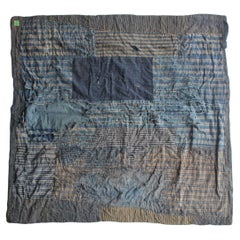
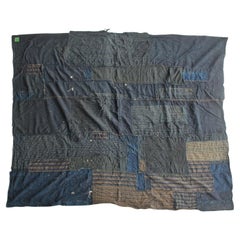
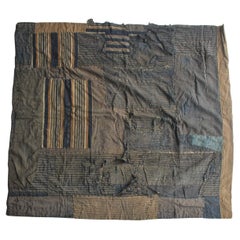
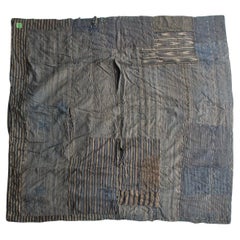
This is a Japanese boro (patched cotton textile) that was actually used in a farmhouse in Showa Village, in the Okuaizu region of Fukushima Prefecture. It is thought to date from the Meiji through early Showa periods. The word "boro" refers to well-worn, patched cloth — literally "rags" in Japanese. Until the early Showa period, cloth was an extremely precious material in the daily life of ordinary Japanese people. No scrap, however small, was ever wasted: pieces were gathered together and stitched into a single large textile, or used to patch worn work clothes, and reused again and again. This particular piece is not a work garment such as a maekake (apron) or noragi (field clothing); given its nearly square shape, it is thought to have been used as a kotatsu futon cover or floor covering. Okuaizu's Showa Village is known as one of Japan's heaviest snowfall regions, and this piece reflects the boro of a region defined by its harsh, snowy winters, made to provide warmth. On its surface, indigo-dyed cotton is layered together with pieces in a variety of patterns and colors — stripes, checks, and fine pinstripes — meticulously pieced and stitched into place. In an era when cloth was precious, a hole would simply be mended by layering a new scrap of fabric over it, and this practice, repeated again and again, produced a patchwork of chance and accident that could never be designed on purpose — something close to abstract painting. Combined with its nearly square proportions, the piece has the presence of a single painted composition. The front and back offer entirely different colors and moods, so it can be enjoyed and used on either side. Every variation of indigo, every faded stripe, every small hole and worn seam carries the memory of the everyday lives of the anonymous people who made and used it. As a symbol of the Japanese spirit of treasuring and reusing what one has, boro textiles like this have drawn growing attention in recent years from collectors and interior design enthusiasts overseas. There are a few small tears here and there, but overall the piece is in very good condition. By securing it to the wall at several points with nails or pins, it can be displayed just like a tapestry, as shown in the photos. It can equally be used in its original manner — laid on the floor, or draped over a sofa as a throw. It will sit comfortably in a minimalist interior or a space furnished with vintage pieces alike, bringing a truly one-of-a-kind presence. A piece this well preserved and full of character is genuinely rare to come across, and we highly recommend it. Size: W168cm × D0.4cm × H165cm Weight: 2.35kg Item No.: OB341A [Our Social Role] -------------------------------------------------------------------------------------------------------- We are a specialized team dealing in antiques and vintage items, comprised of stores based on three distinct brands. While focusing on Japanese items, we also offer a carefully curated selection of attractive goods from around the world—each evoking the culture and history of its country of origin. Unlike the traditional Japanese antique furniture and art that have been appreciated overseas until now, we shine a light on the tools and furniture that were used for many years in ordinary Japanese homes and farmhouses. These objects have gained a unique charm over time, their beauty deepened by the history accumulated through daily life. In today's world, however, many of these precious items are discarded during home demolitions. We are committed to reassessing their value and passing them on to future generations. Drawing from our extensive experience—having seen tens of thousands of items through direct purchases, markets, and auction houses—we carefully select and present only the most captivating pieces. This is something made possible only through the years of knowledge and expertise we have cultivated. Rather than focusing on the widely known facets of Japanese art and culture, we highlight the subtle beauty born from the everyday life of common people. It is this rediscovered beauty, steeped in history, that we strive to share with the world.
  • Dimensions:
    Height: 64.97 in (165 cm)Width: 66.15 in (168 cm)Depth: 0.16 in (4 mm)
  • Style:
    Taisho (Of the Period)
  • Materials and Techniques:
    Cotton,Dyed,Hand-Crafted,Hand-Woven,Patchwork
  • Place of Origin:
  • Period:
  • Date of Manufacture:
    1880-1930 (Meiji to early Showa)
  • Condition:
    There are a few small tears here and there, but overall the piece is in very good condition. No restorations or repairs have been made.
  • Seller Location:
    Sammu-shi, JP
  • Reference Number:
    Seller: OB341A1stDibs: LU5487251693232

More From This Seller

View All
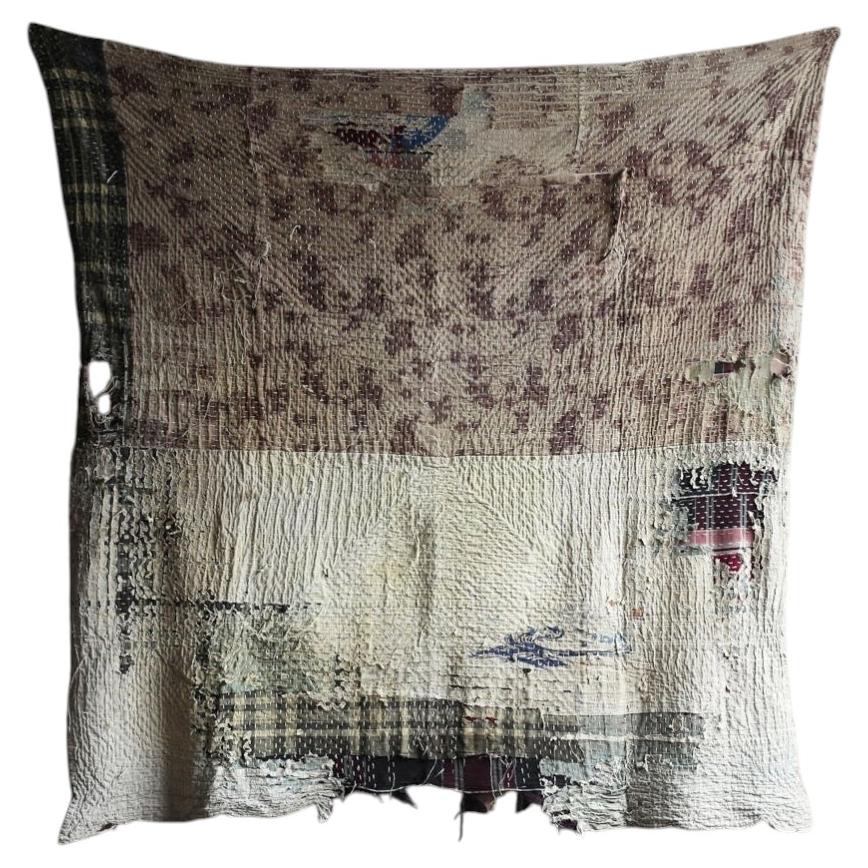
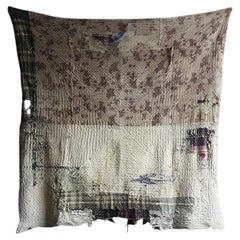
Japanese Antique Boro Textile 1900s-1940s / Abstract Art Wabi Sabi

Japanese Antique Boro Textile 1900s-1940s / Abstract Art Wabi Sabi

Located in Sammu-shi, Chiba

BORO A piece imbued with a rich history, born from countless repairs and years of use. One side features delicate sashiko stitching over a faded, natural-colored fabric. The diffe...

Category

Early 20th Century Japanese Meiji Textiles

Materials

Fabric

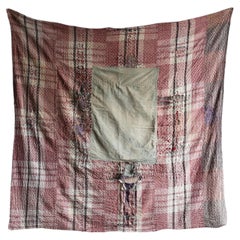
Japanese Antique Boro Textile 1900s-1940s / Abstract Art Wabi Sabi

Japanese Antique Boro Textile 1900s-1940s / Abstract Art Wabi Sabi

Located in Sammu-shi, Chiba

BORO A piece that has been used and repaired countless times over many years. The red-based side features a rich landscape that evokes the layers of time, with faded checkered patt...

Category

Early 20th Century Japanese Meiji Textiles

Materials

Fabric

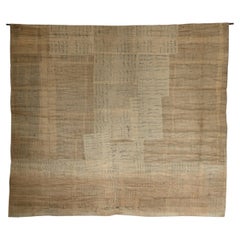
Antique Japanese washi paper tapestry /Meiji-Taisho period/ Wabi-sabi art piece

Antique Japanese washi paper tapestry /Meiji-Taisho period/ Wabi-sabi art piece

Located in Sammu-shi, Chiba

This large washi paper tapestry was created in Japan during the Meiji to Taisho period (late 19th to early 20th century). It is made of old washi paper (recycled scrap paper) and a b...

Category

Early 20th Century Japanese Taisho Tapestries

Materials

Bamboo, Paper

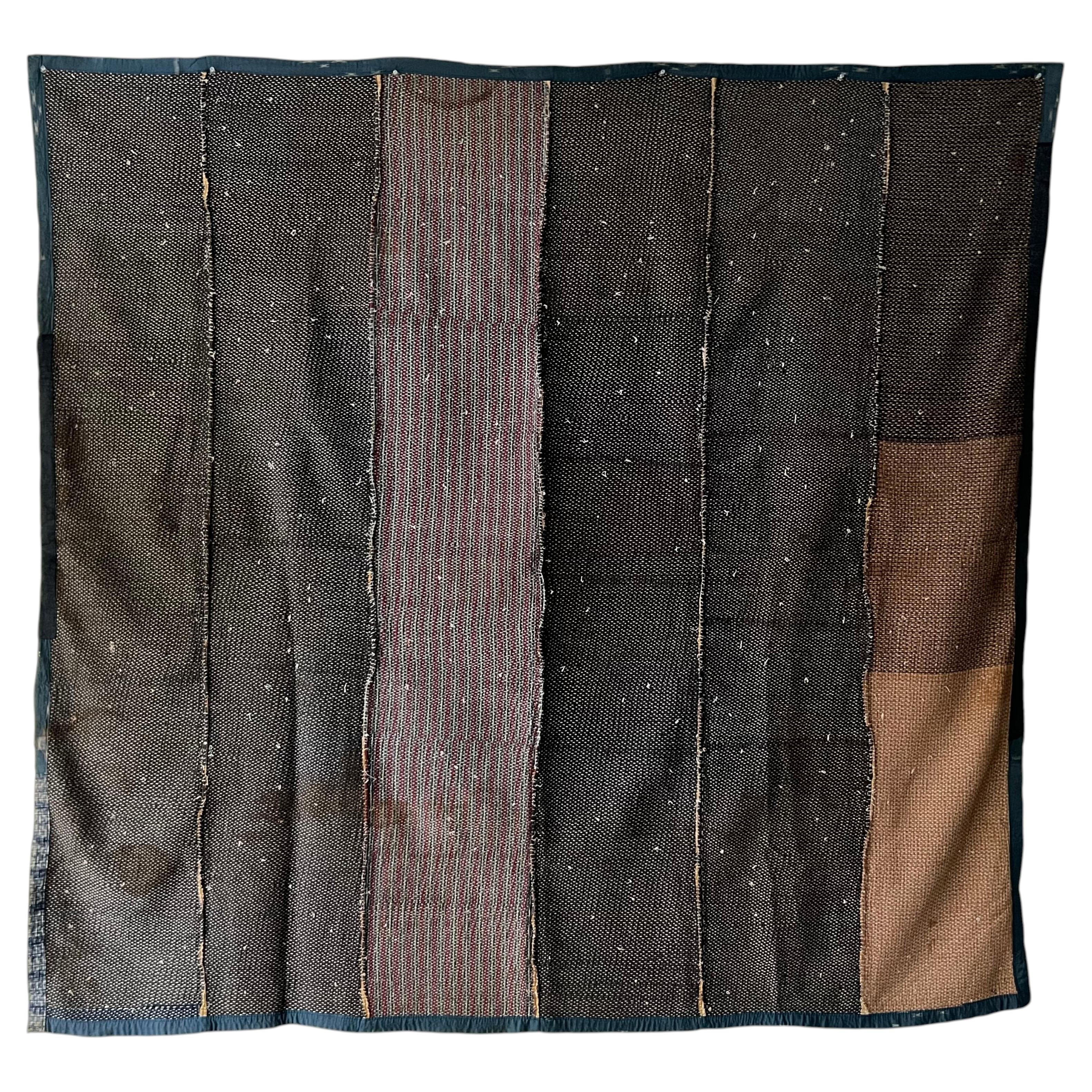
Japanese Antique Distressed Sakiori Weaving Textile with Exposed Threads

Japanese Antique Distressed Sakiori Weaving Textile with Exposed Threads

Located in Sammu-shi, Chiba

Japanese Antique Distressed Sakiori Weaving Textile with Exposed Threads, circa 1900–1930s A remarkable antique Japanese Sakiori textile, dating approximately from the late Meiji to...

Category

Early 20th Century Japanese Meiji Textiles

Materials

Fabric

Japanese antique large-format woven tapestry【saki-ori】 / Another [Boro]

Japanese antique large-format woven tapestry【saki-ori】 / Another [Boro]

Located in Sammu-shi, Chiba

This is an old example of sakiori, one of Japan’s traditional woven textiles. It is thought to date to around the 20th century. Sakiori is a textile made by tearing worn-out kimono o...

Category

Early 20th Century Japanese Taisho Tapestries

Materials

Cotton

You May Also Like

Boro0 Japanese Antiques Primitive Art BORO Indigo-dyed patchwork Old Cloth

Boro0 Japanese Antiques Primitive Art BORO Indigo-dyed patchwork Old Cloth

Located in Niiza, JP

Material: cotton Width 1550 x Height 1700 x Depth 10 mm (about) weight 5 kg estimate Packaging (It will be rolled or folded and shipped in bubble wrap and cardboard.) 50cm x 50cm x...

Category

Antique Early 19th Century Japanese Textiles

Materials

Cotton

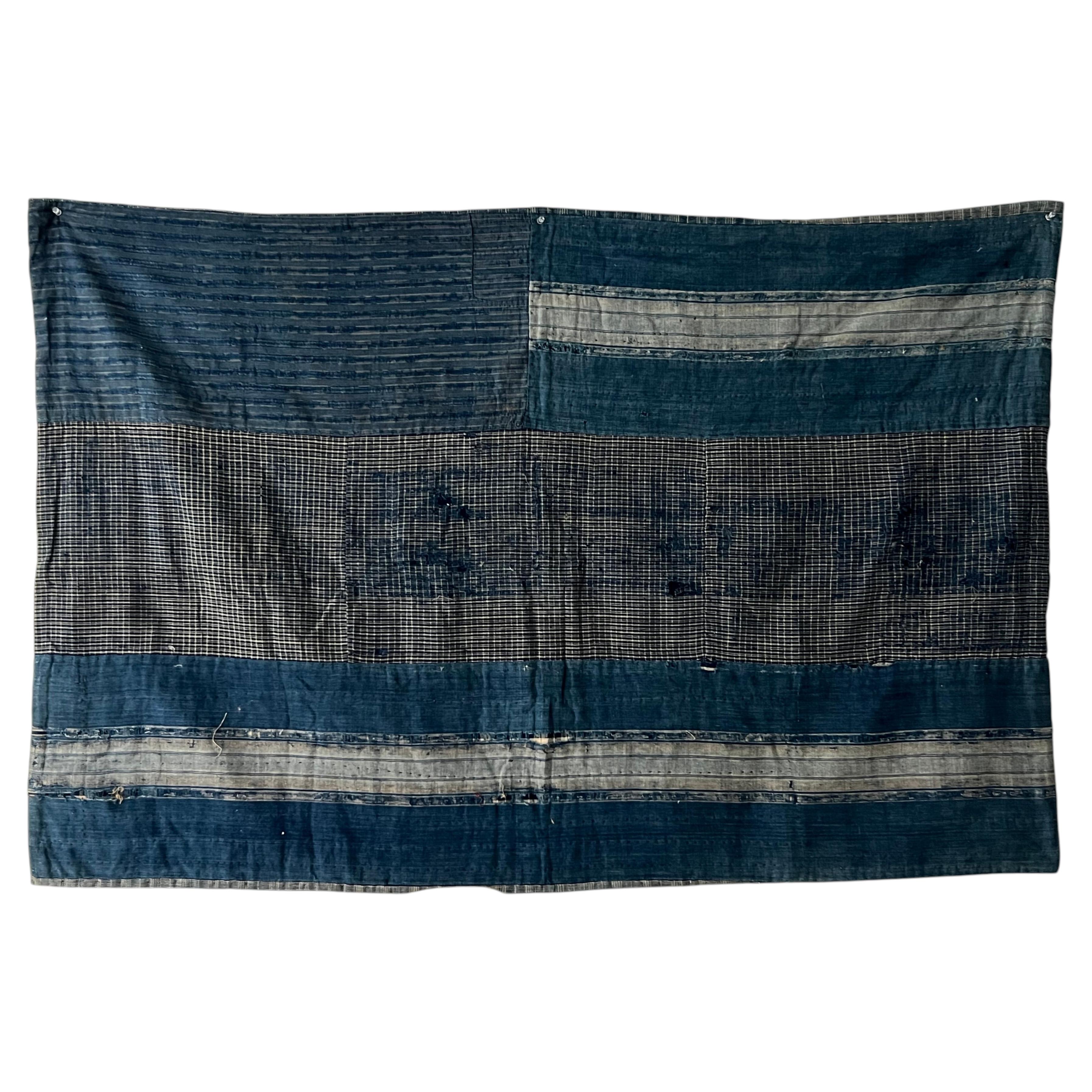
"BORO" Japanese Antique Indigo cotton&ramie Patchwork / 19th century Wabi-Sabi

"BORO" Japanese Antique Indigo cotton&ramie Patchwork / 19th century Wabi-Sabi

Located in 足利市, JP

This extraordinary, large-scale Japanese antique Boro textile—dating from the late Edo (Bakumatsu) to the Meiji period (mid-to-late 19th century)—originated from Yamagata Prefecture ...

Category

Antique Mid-19th Century Japanese Edo Textiles

Materials

Cotton, Linen, Hemp, Natural Fiber

Boro1 Japanese Antiques Primitive Art BORO Indigo-dyed Old Cloth patchwork

Boro1 Japanese Antiques Primitive Art BORO Indigo-dyed Old Cloth patchwork

Located in Niiza, JP

Material: cotton Width 1550 x Height 1500 x Depth 10 mm (about) weight 2 kg estimate Packaging (It will be rolled or folded and shipped in bubble wrap and cardboard.) 45 cm x 45 cm ...

Category

Antique 19th Century Japanese Textiles

Materials

Cotton

Boro4 Japanese Antiques Primitive Art BORO Indigo-dyed Old Cloth patchwork

Boro4 Japanese Antiques Primitive Art BORO Indigo-dyed Old Cloth patchwork

Located in Niiza, JP

Material: cotton fabric Width 1850 x Height 1500 (about) weight 900g estimate Packaging (It will be rolled or folded and shipped in bubble wrap and cardboard.) 27 cm x 45 cm x 20 cm...

Category

Antique 19th Century Japanese Antiquities

Materials

Fabric, Cotton

Boro6 Japanese Antiques Primitive Art BORO Indigo-dyed Old Cloth patchwork

Boro6 Japanese Antiques Primitive Art BORO Indigo-dyed Old Cloth patchwork

Located in Niiza, JP

Material: cotton fabric Width 1600 x Height 1480 (about) weight 4 kg estimate Packaging (It will be rolled or folded and shipped in bubble wrap and cardboard.) 45 cm x 55 cm x 20 cm...

Category

Antique 19th Century Japanese Antiquities

Materials

Fabric, Cotton

Boro5 Japanese Antiques Primitive Art BORO Indigo-dyed Old Cloth patchwork

Boro5 Japanese Antiques Primitive Art BORO Indigo-dyed Old Cloth patchwork

Located in Niiza, JP

Material: cotton fabric Width 1550 x Height 1450 (about) weight 4 kg estimate Packaging (It will be rolled or folded and shipped in bubble wrap and cardboard.) 45 cm x 55 cm x 20 cm...

Category

Antique 19th Century Japanese Antiquities

Materials

Fabric, Cotton