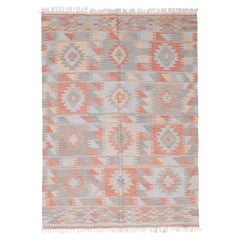
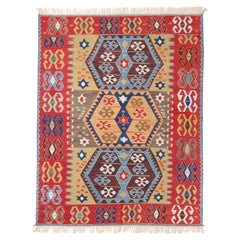
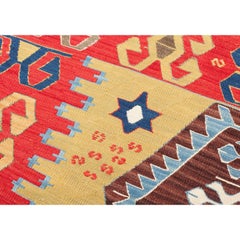
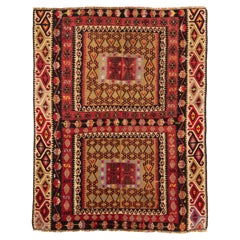
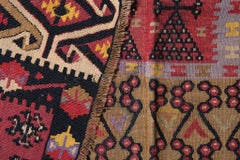
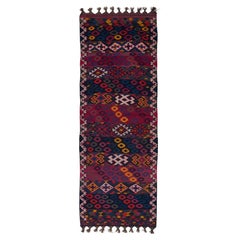
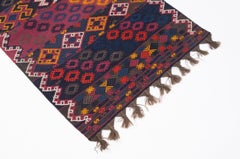
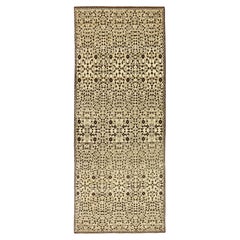
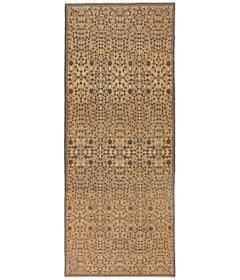
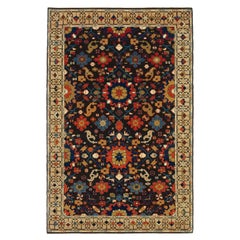
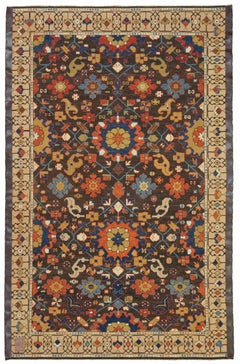
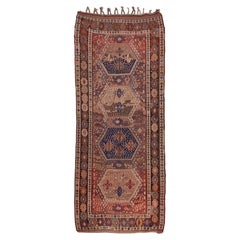
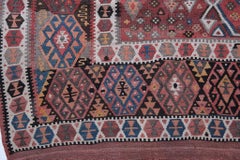
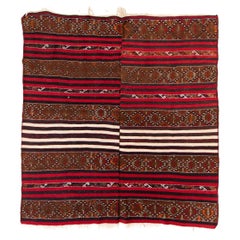
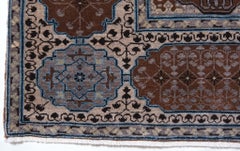
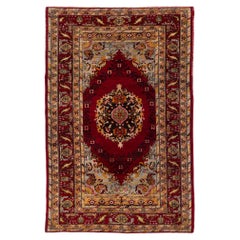
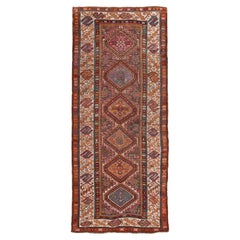
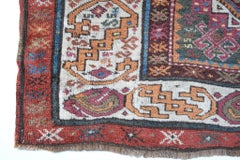
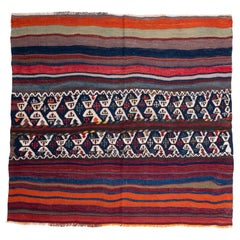
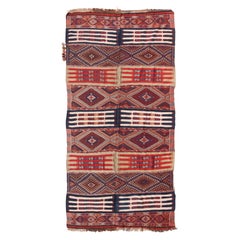
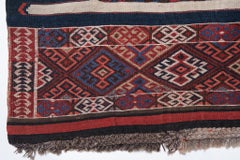
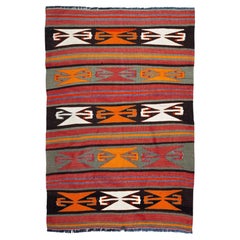
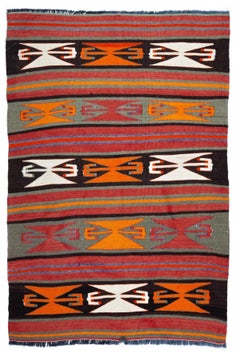
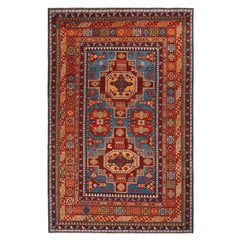
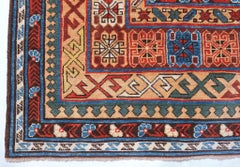
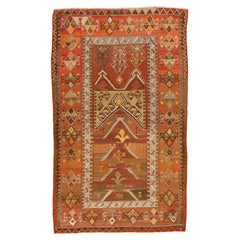
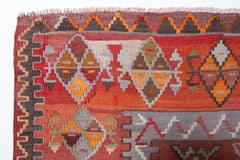
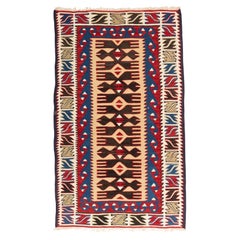
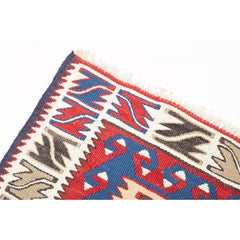
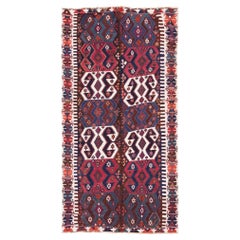
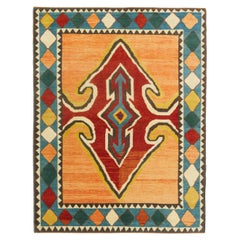
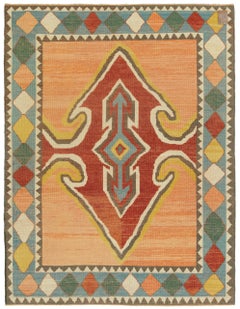
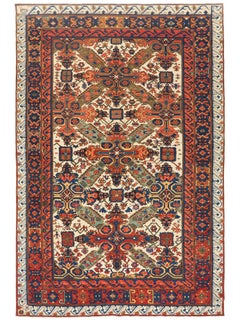
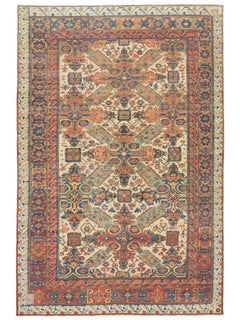
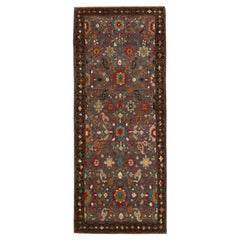
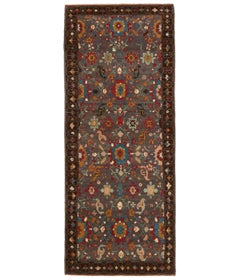
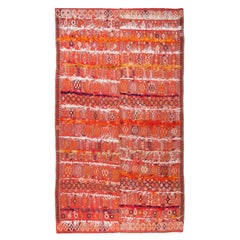
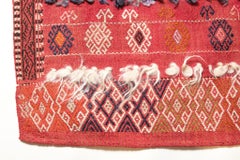
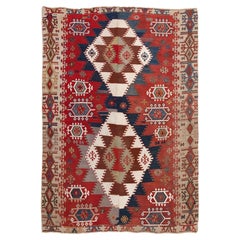
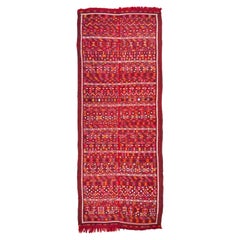
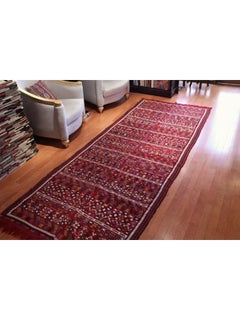
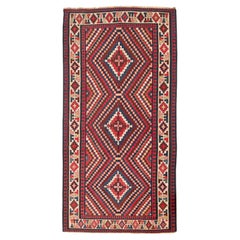
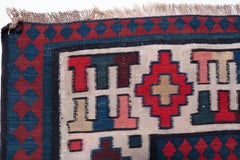
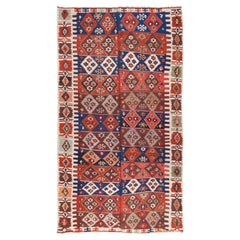
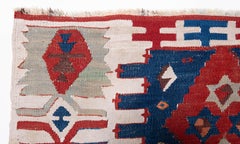
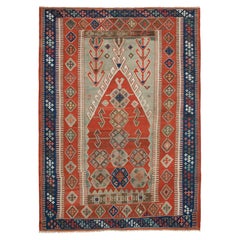
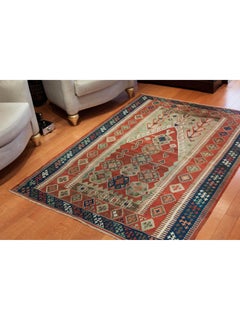
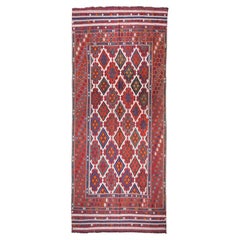
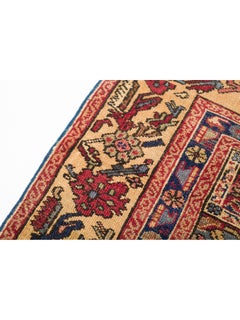
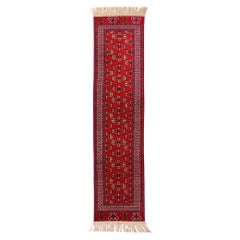
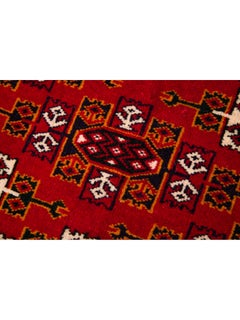
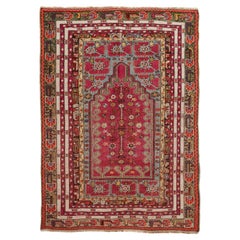
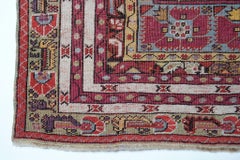
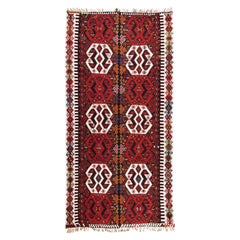
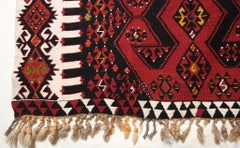
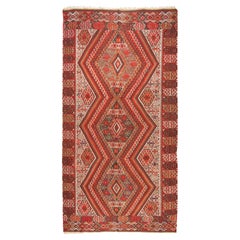
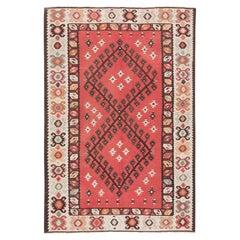
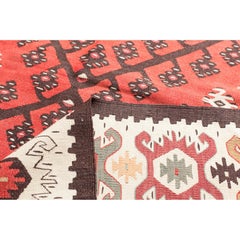
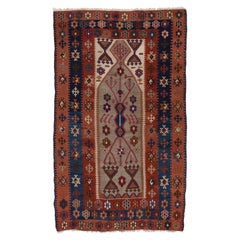
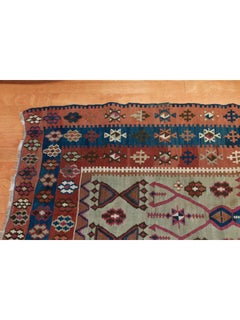
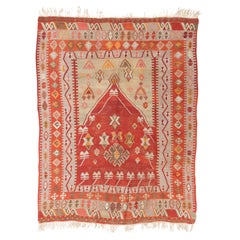
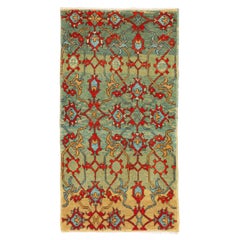
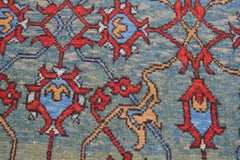
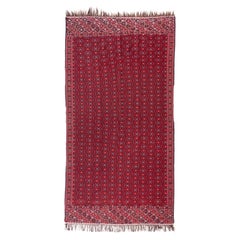
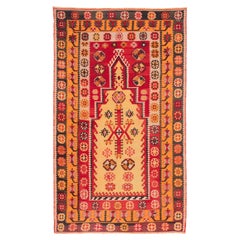
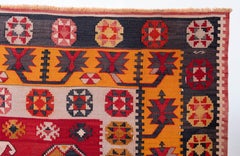
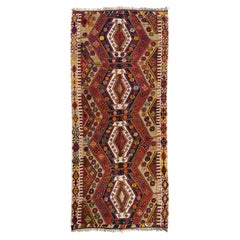
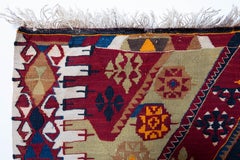
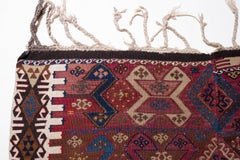
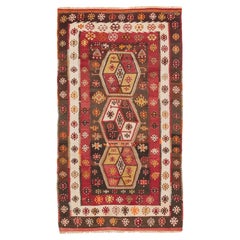
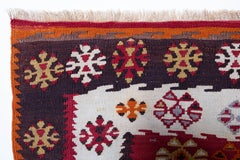
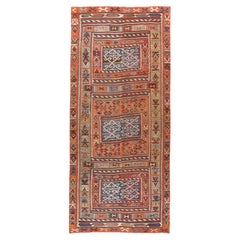
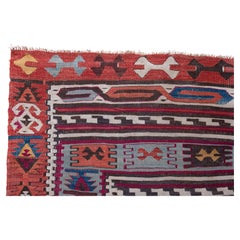
This is a Southern Anatolian Antique Kilim from the Malatya region with a rare and beautiful color composition.
This kilim is listed in the book; Kilims Flat-woven Tapestry Rugs, Yanni Petsopoulos, 1979 Rizzoli New York, plate nr. 241.
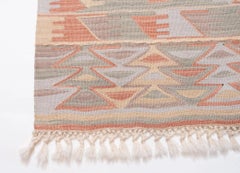
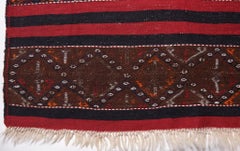
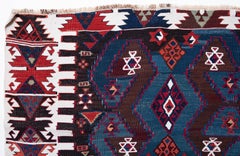
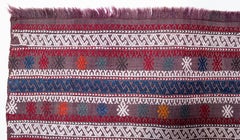
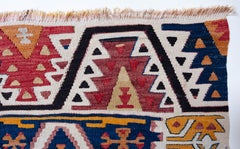
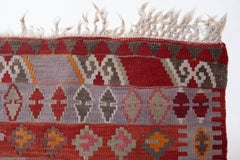
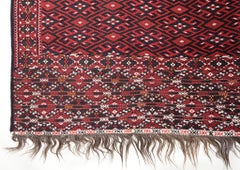
The brocaded bands cross the entire width of the field forming panels contained within very narrow borders. Their decoration consists of a series of alternating large and small concentric hooked lozenges.
Malatya is a town built on one main street that continues for several miles. It is situated in the Tohmasuyu River basin which is encircled by the high peaks of the eastern Taurus Mountains. This is a fertile agricultural region, particularly for apricots, and has been a prolific weaving area for many years. The modern town was established in 1838; old Malatya, which is close by, was once an important city in Armenia Minor. In Roman times it was important as a garrison town on the eastern frontier, and the settlement came under Ottoman rule in the early fifteenth century. Considering the number of kilims woven in this region there is a surprising lack of diversity in design, especially in the larger kilims; this is possibly a direct result of the Kurdish tribal tradition of weaving only one type of design. Small prayer rugs...
Category
Early 20th Century Turkish Kilim Natural Fiber Folk Art
MaterialsWool, Natural Fiber